57.628107264
3.5709125
327
Remote Weddell Sea Explorer – including helicopter 20% Advantage
Experience the untouched beauty of the Weddell Sea and follow in Shackleton's footsteps on an unforgettable expedition.
Discover the pristine beauty of the Weddell Sea and the South Georgia Islands on a 28-day cruise. This expedition takes you through breathtaking landscapes where you can experience the fascinating wildlife of Antarctica up close. Enjoy comfortable overnight stays on board and a variety of activities during your journey.
Tour ID: 1830676 Antarctica, Antarctic Peninsula, South Georgia, Weddell Sea, Drake Passage, Elephant Island, Thule Region, Queen Maud Land ●●●●● 160 Reviews
28 days / 27 nights
Expedition ship m/v Ortelius
Helicopter Tours
King Penguins
Gentoo Penguins
Elephant Island
Weddell Seals
Emperor Penguins
Itinerary: Weddell Sea Expedition – including helicopter
Day 1: The End of the World, the Beginning of a Journey
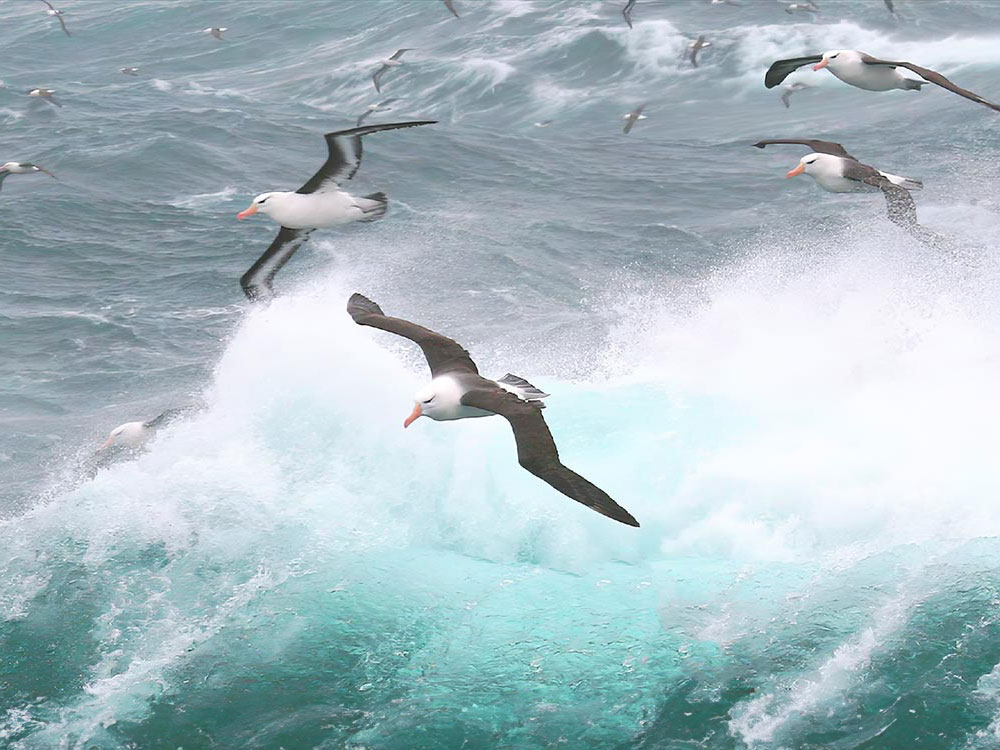
Your journey begins where the world seems to end: Ushuaia, Argentina, the southernmost city in the world, located at the southern tip of South America. This picturesque town, surrounded by snow-capped mountains and the sparkling waters of the Beagle Channel, offers a captivating starting point for your adventure. In the afternoon, embark from this small resort town on Tierra del Fuego, nicknamed “The End of the World,” and sail through the Beagle Channel for the rest of the evening. As you glide through this majestic waterway, you are greeted by a preview of the wonders that await. On the way to South Georgia, you will cross the Antarctic Convergence, where cold northern waters meet the warmer subantarctic seas. Nutrient-rich water rises to the surface, attracting a variety of seabirds to the ship, including several species of albatrosses, petrels, prions, and skuas. This vibrant display of wildlife offers an unforgettable introduction to this remote region.
All pictures of this partner


.jpg_Martin van Lokven.jpeg)
.jpg_Martin van Lokven.jpeg)
_Martin van Lokven.jpeg)


Day 2-6: Journey to South Georgia
Over the next several days, you will sail across the Southern Ocean toward South Georgia, passing through a region rich in marine life. During this voyage, the ship is often accompanied by albatrosses, petrels, and other seabirds, and you may spot whales and playful dolphins as they ride the bow waves. As the vessel nears South Georgia, the Shag Rocks appear 240 km west of the main island, home to thousands of South Georgia shags. Upon arrival, there are numerous landing opportunities to explore the island’s highlights. In Fortuna Bay, a glacial valley hosts king penguins and seals, and you can follow part of Shackleton’s final overland route to the abandoned whaling station at Stromness. Salisbury Plain, St. Andrews Bay, and Gold Harbour feature three of the largest king penguin colonies on South Georgia, alongside vast numbers of fur seals and molting elephant seals. At Grytviken, the abandoned whaling station, king penguins stroll through the streets while elephant seals lounge along the shoreline; visitors can also see the South Georgia Museum and Shackleton’s grave. Zodiac excursions in Cooper Bay and Moltke Harbour offer further wildlife sightings, including macaroni penguins, king penguins, giant petrels, and a variety of seabirds. These six days provide a rich combination of spectacular scenery, fascinating wildlife, and historical exploration.
Day 7-8: Sea Days
Like Shackleton in December 1914 during the Imperial Trans-Antarctic Expedition (Endurance Expedition), we depart South Georgia for the South Sandwich Islands and the Weddell Sea. On this route, sea ice may appear, and along its edge, South Polar skuas and snow petrels may join the other seabirds following the ship southward.
Day 9: South Sandwich Islands
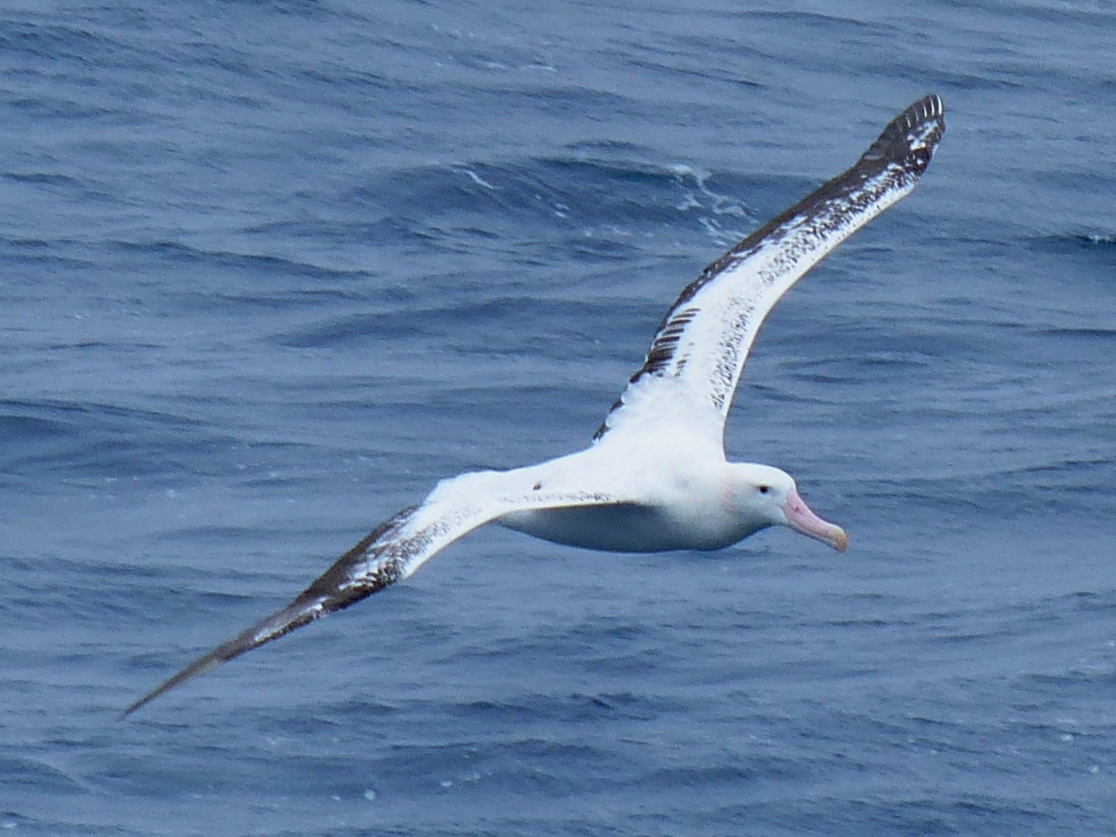
Landing is generally not possible on these remote islands, but conditions permitting, we will Zodiac through the dramatic landscapes of this volcanically active region. Between Thule and the Cook Islands, the size and remoteness of the islands leave a lasting impression. Humpback and dwarf whales are frequently sighted in the waters surrounding the islands. Brown skuas, chinstrap penguins, Adélie penguins, and several albatross species—including grey-headed, black-browed, and wandering albatrosses—may also be observed.
Day 10: On the Way South
We sail toward the Antarctic continent, entering the region of Queen Maud Land and Neuschwabenland on the northeastern edge of the Weddell Sea. The pristine environment and striking ice formations provide a breathtaking backdrop as we advance into these remote areas.
Day 11–12: Continued Southward Transit
These days are spent sailing deeper into the Southern Ocean toward the Weddell Sea. The ship passes vast ice fields, and there are opportunities for wildlife observation from the deck. Sea ice and icebergs dominate the landscape, with seabirds such as skuas, petrels, and albatrosses frequently accompanying the vessel. Occasional whale sightings add to the excitement, and lecturers onboard provide context on the Antarctic ecosystem and the history of exploration in the region.
Day 13: New Swabia
Our first Antarctic destination is Neuschwabenland (New Swabia), located between 20°E and 10°W in Queen Maud Land. This area was explored in early 1939 by Germany’s third Antarctic expedition under Alfred Ritscher. The goal was to identify potential sites for a German whaling station and naval base. Along the coast, German flags were placed on the sea ice, and surveying flights dropped aluminum markers with swastikas to assert the claim.
Day 14–17: Tristan da Cunha, Nightingale & Inaccessible Island
The remote Tristan da Cunha islands are famed for their rich birdlife, including rockhopper penguins, various albatross species, petrels, skuas, and terns. Visit the main settlement on the west side, Seal Bay, and Sandy Point. Nightingale and Inaccessible Islands offer spectacular birdwatching from yellow-nosed albatrosses to brown noddies, as well as sub-Antarctic fur seals. Two days are reserved as a weather contingency.
Day 18-23: Deep in the Weddell Sea - Filchner, Ronne, and Larsen Ice Shelves
As we sail deep into the Weddell Sea, we hope to see Weddell seals, crabeater seals, leopard seals, and with luck, emperor penguins. Humpback whales, dwarf whales, and orcas are common here. The ship is accompanied by a diverse array of seabirds. Ice conditions vary seasonally, offering a true sense of nautical wilderness. We navigate past the Brunt Ice Shelf and along the Luitpold Coast, named by Wilhelm Filchner during Germany’s 1911–12 Antarctic expedition. Weather permitting, we may Zodiac and even land on ice floes. Our route continues to the Filchner-Ronne Ice Shelf and then north along the east coast of the Antarctic Peninsula and the Larsen Ice Shelf, near the location where Shackleton’s Endurance became trapped in pack ice during the 1914–17 Imperial Trans-Antarctic Expedition. The wreck was finally discovered on 5 March 2022, 107 years after it sank. Nearby, colonies of 6,500 emperor penguins offer chances to spot these iconic birds. Further north, we reach the Erebus and Terror Gulf region, where emperor penguins on the ice provide additional wildlife viewing opportunities. Landings on James Ross Island may be possible.
Day 24: Brown Bluff and Kinnes Cove
Brown Bluff features steep canyon walls, fallen rocks, and stunning volcanic formations covered in ice. We hope to land here in the morning to observe large Adélie penguin colonies, as well as gentoo penguins and nesting snow petrels. Across Antarctic Sound lies Kinnes Cove, where you can explore Madder Cliffs with their subtle red hues and nearby gentoo penguins. Both sites offer remarkable scenery and wildlife observation.
Day 25: The Legendary Elephant Island
The starting point of Shackleton’s 1916 journey in the James Caird lifeboat. Seeing Elephant Island emerge on the horizon highlights the enormity of his crew’s achievement. Shackleton’s mission was to rescue 22 stranded members of his Endurance Expedition. The island’s rugged cliffs and ice formations make it a dramatic and historically significant location. Zodiacs may take us to Point Wild, where Shackleton’s crew miraculously survived.
Day 26: Familiar Seas, Familiar Friends
On the return through the Drake Passage, you may encounter wildlife seen at the start of your journey: albatrosses, petrels, and even dwarf whales. These familiar sights are a fitting end to an incredible expedition.
Day 28: There and Back Again
Every adventure must end. Today, you disembark in Ushuaia with memories of breathtaking landscapes, fascinating wildlife, and inspiring encounters that will accompany you on your future journeys.
Additional Information: The specified itinerary serves merely as a guideline and can vary due to ice, weather, and wildlife observations. Landings depend on availability, permissions, and environmental regulations. The expedition leader has the authority to determine the final schedule, making flexibility essential during the journey. Helicopter transfers are planned, but specific timeframes cannot be guaranteed, as local conditions may impact possibilities. Safety is the top priority, and no claims can be accepted.
Included Voyage Services:
- Voyage and overnight accommodations on board the booked ship according to the published itinerary- All meals during the entire voyage on board the ship, including snacks, coffee and tea
- All land excursions and activities throughout the voyage, including Zodiac cruises
- Program of lectures by renowned naturalists and guidance by experienced expedition team
- Free use of waterproof neoprene expedition boots and snowshoes
- Luggage transfer to the ship on the day of embarkation in Ushuaia
- Group transfer from the ship to the airport in Ushuaia (directly after disembarkation)
- All other service charges and port fees during the program
- Comprehensive preparation material before departure
- Complimentary Wi-Fi: each guest receives 1.5 GB of data per day, renewed every 24 hours
- Complimentary Dopper water bottle for use during and after your expedition
Additional Information for Expedition Cruises: The itinerary and route described are provided as examples only and may be adjusted or changed at any time due to weather, ice and tidal conditions, as well as for safety reasons. Specific landing sites, locations or route sections therefore cannot be guaranteed. The captain and expedition leader will make all final decisions regarding the route, landings and daily programme on site. Wildlife sightings cannot be guaranteed. Landings and Zodiac excursions depend on local conditions and regulatory requirements. Optional activities have very limited availability; we recommend booking them well in advance, often weeks or months before departure, as they may be fully booked by the time of travel; their operation depends on weather, ice and safety conditions as well as minimum participation. Polar regions are remote and dynamic natural environments, therefore programme changes or delays may occur.


.jpg_Julian Bourse.jpeg)


.jpg_Ignacio Marino.jpeg)


.jpg_Martin van Lokven.jpeg)
.jpg_Martin van Lokven.jpeg)
.jpg_Martin van Lokven.jpeg)


These pictures provide a general impression of our local partner and the surrounding area. Please note that selected tour may differ from these pictures.
All Reviews of Oceanwide Expeditions
●●●●● 4.6 of 5 Stars (160 Reviews) on
Help us and submit a new review
Please select between 1 to 5 to review the operator* ○○○○○
Sun. 07.02.2027 - Sat. 06.03.2027
28 days from Ushuaia, Argentina
Available on request
28 days from Ushuaia, Argentina
Available on request
from €20900,-
20% Advantage
20% Advantage


Available on request
from €20900,-
€26150,-
20% Advantage
found 9 days ago
20% Advantage
found 9 days ago
Deck: 3 12m² Quadruple Occupancy Double Porthole

Available on request
from €26000,-
€32500,-
20% Advantage
found 9 days ago
20% Advantage
found 9 days ago
Deck: 3 12m² Triple Occupancy Double Porthole

Available on request
from €26000,-
€32500,-
20% Advantage
found 9 days ago
20% Advantage
found 9 days ago
Deck: 3 & 4 11m² Twin Beds Double Porthole

Available on request
from €27300,-
€34100,-
20% Advantage
found 9 days ago
20% Advantage
found 9 days ago
Deck: 5 17m² Twin Beds Standard Window

Available on request
from €29750,-
€37200,-
20% Advantage
found 9 days ago
20% Advantage
found 9 days ago
Deck: 5 17m² Twin Beds Standard Window

Available on request
from €30750,-
€38450,-
20% Advantage
found 9 days ago
20% Advantage
found 9 days ago
Deck: 5 18m² Twin Beds Standard Window
All prices per person in double or multi-bed category. Single room surcharges, children's price advantages etc. on request.
Fixed travel dates, additional days on demand.
Fixed travel dates, additional days on demand.