57.628107264
3.5709125
327
Bellingshausen Sea, Peter I Island & Ellsworth Land, incl. Helicopter 20% Advantage
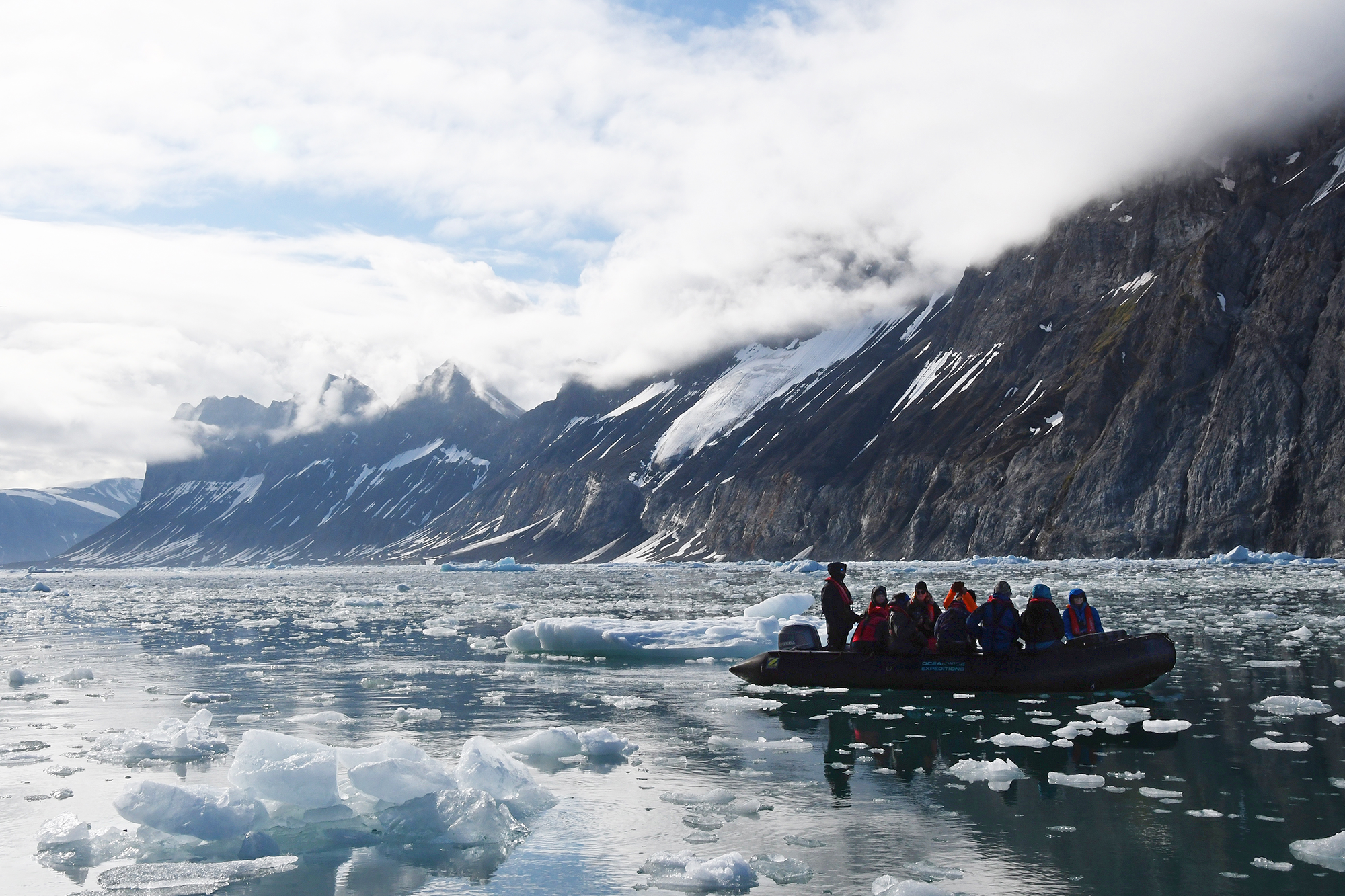
Rarely visited Antarctic regions with landings by Zodiac and, when feasible, by helicopter.
On this expedition of 25 days/24 nights aboard MS Ortelius you travel from Ushuaia deep into the Bellingshausen Sea, along the coast of Ellsworth Land and to remote Peter I Island, with helicopter operations planned when weather and ice allow.
Tour ID: 1830752 Antarctica, Antarctic Peninsula, Bellingshausen Sea, Drake Passage, Peter I Island ●●●●● 160 Reviews
25 days / 24 nights
Antarctic Peninsula with penguins and seals
Crossing the Antarctic Circle
Historic stations on Detaille and Horseshoe Island
Bellingshausen Sea and Ellsworth Land with helicopter option
Peter I Island with possible helicopter landing

Bellingshausen Sea, Peter I Island & Ellsworth Land: The itinerary
Day 1: Ushuaia embarkation and sailing the Beagle Channel
Your journey begins in Ushuaia, Argentina, at the southern tip of South America on Tierra del Fuego. In the afternoon you embark on MS Ortelius and settle into your cabin. After check in there is time to familiarise yourself with the ship and the routines of an expedition voyage. The ship then departs and sails through the Beagle Channel for the rest of the evening, with mountain ranges lining the waterway. These sheltered waters provide a calm start before the open ocean conditions of the Drake Passage. The first evening is mainly about arriving on board while the scenery shifts from harbour views to the wider channel landscape.
Day 2: Drake Passage, approaching the Antarctic Convergence
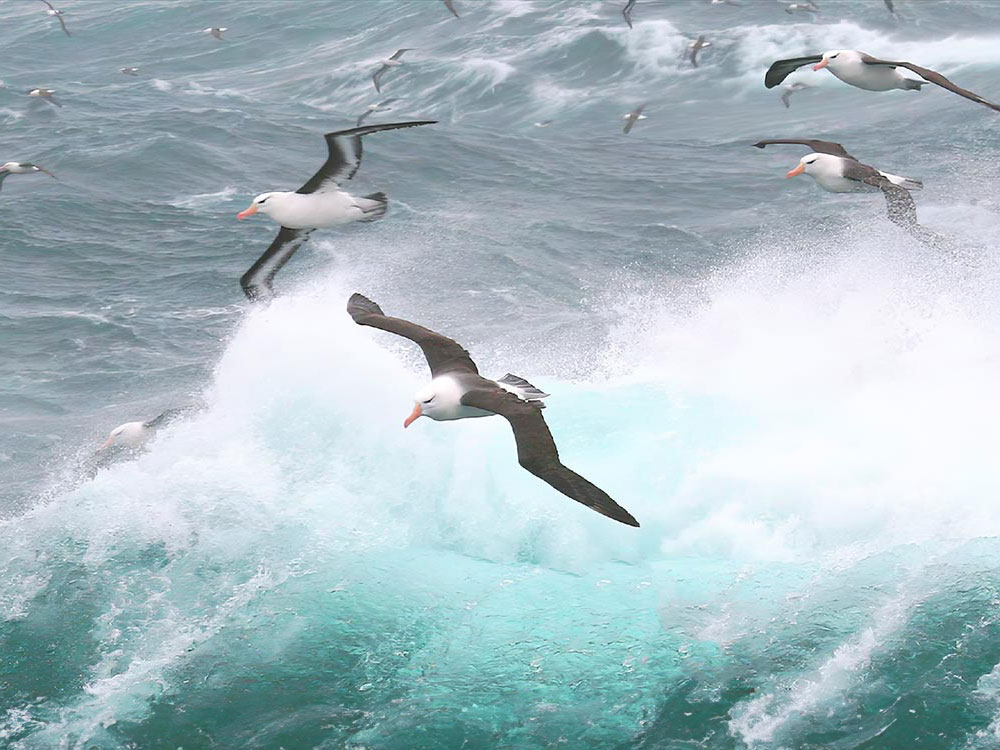
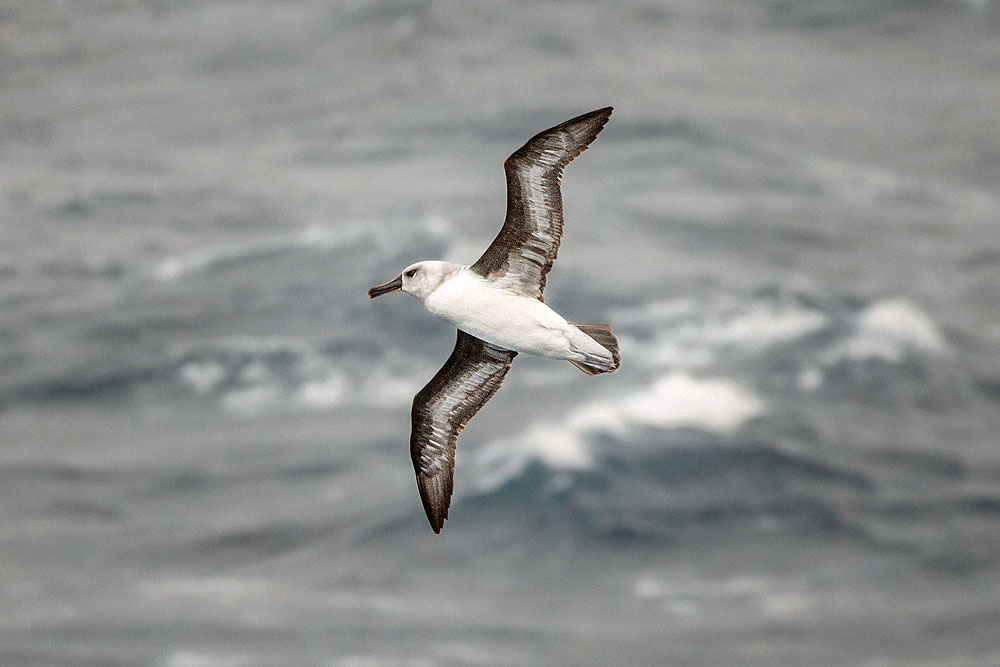
The Drake Passage crossing begins. Over these days you experience conditions similar to those faced by early polar explorers who charted these waters, with cool salty air and rolling seas. With some luck you may see a fin whale blowing in the distance. As the ship approaches the Antarctic Convergence, the natural boundary where cold southern waters meet warmer sub Antarctic seas, the marine environment begins to change. After crossing this zone you enter the circum Antarctic upwelling area, where ocean productivity increases. With this shift, both marine life and birdlife become more varied, and observation from deck becomes a regular part of the day. Possible species include wandering albatrosses, grey headed albatrosses, black browed albatrosses, sooty albatrosses, cape pigeons, southern fulmars, silver petrels, blue petrels and Antarctic petrels.
All pictures of this partner

_Martin van Lokven.jpeg)






Day 3: Drake Passage, seabirds and the approach to Antarctica
The Drake Passage continues, with the focus remaining on seabirds and the changing ocean environment. Many species use the air currents above the waves and may follow the ship for long periods, offering good viewing from deck. Alongside albatrosses and petrels, cape pigeons and silver petrels can appear close to the vessel. Sea conditions remain variable, and the day is primarily a transit, but with a clear sense of entering Antarctic influenced waters. On board, planning is adjusted to weather and ice, as the first operations along the Antarctic Peninsula depend on local conditions. Toward the end of this stage the coastline draws nearer and the voyage shifts from open ocean travel to a phase where landings may become possible.
Day 4: Antarctic Peninsula, Auguste Island and first landing options
Exploration of the Antarctic Peninsula begins. The plan is to follow the route of Adrien de Gerlache and attempt a landing on Auguste Island, also the first landing site of the Belgica expedition team in 1898. Depending on conditions, Hydrurga Rocks may also be visited, a small island group east of Two Hummock Island. Here you may observe Adélie and chinstrap penguins as well as Weddell seals, leopard seals and southern elephant seals. In surrounding waters, humpback whales and Antarctic minke whales are sometimes seen. The day is expedition flexible, with landings and Zodiac operations adapted to wind, ice and visibility.
Day 5: Further peninsula exploration, Charlotte Bay, Cuverville or Danco
The voyage continues south along the Antarctic Peninsula. Possible objectives include Charlotte Bay, where a first mainland landing at Portal Point may be attempted, and Cuverville Island, a small rugged island between the peninsula mountains and Rongé Island. Cuverville is known for a large gentoo penguin colony and breeding pairs of brown skuas. Alternatively or additionally, Danco Island may be visited, where activities focus on nesting gentoo penguins and on Weddell and crabeater seals often found nearby. The day’s sequence depends on local conditions and aims to combine time ashore with Zodiac cruising along the coast when feasible.
Day 6: Antarctic Peninsula, continued landings and wildlife observation
The Antarctic Peninsula remains the focus. Depending on weather and ice, further landings may take place in the areas already described or at alternative sites suitable for safe operations. Wildlife remains central, especially penguins and seals along the shore and possible whale sightings in nearby channels. Glaciers, islands and coastal structure shape the character of the day, as scenery changes with each passage. The expedition team continuously evaluates how best to use available time for both landings and Zodiac cruising. This is therefore another flexible expedition day, continuing the southward exploration.
Day 7: Flandres Bay and Renard Island
You reach Flandres Bay and hope to land on Renard Island. Renard Island is steep and rugged and was named after Alphonse Renard, an important scientific supporter of Adrien de Gerlache’s expedition. It is mentioned as the last landing site of Belgica along the west coast of the Antarctic Peninsula. A landing offers the chance to examine coastal forms at close range and place the site in its historical context. As always, execution depends on wind, ice and the safety of the landing area. The day also marks a transition toward more southerly regions where ice conditions can become more demanding.
Day 8: Crossing the Antarctic Circle and entering Crystal Sound
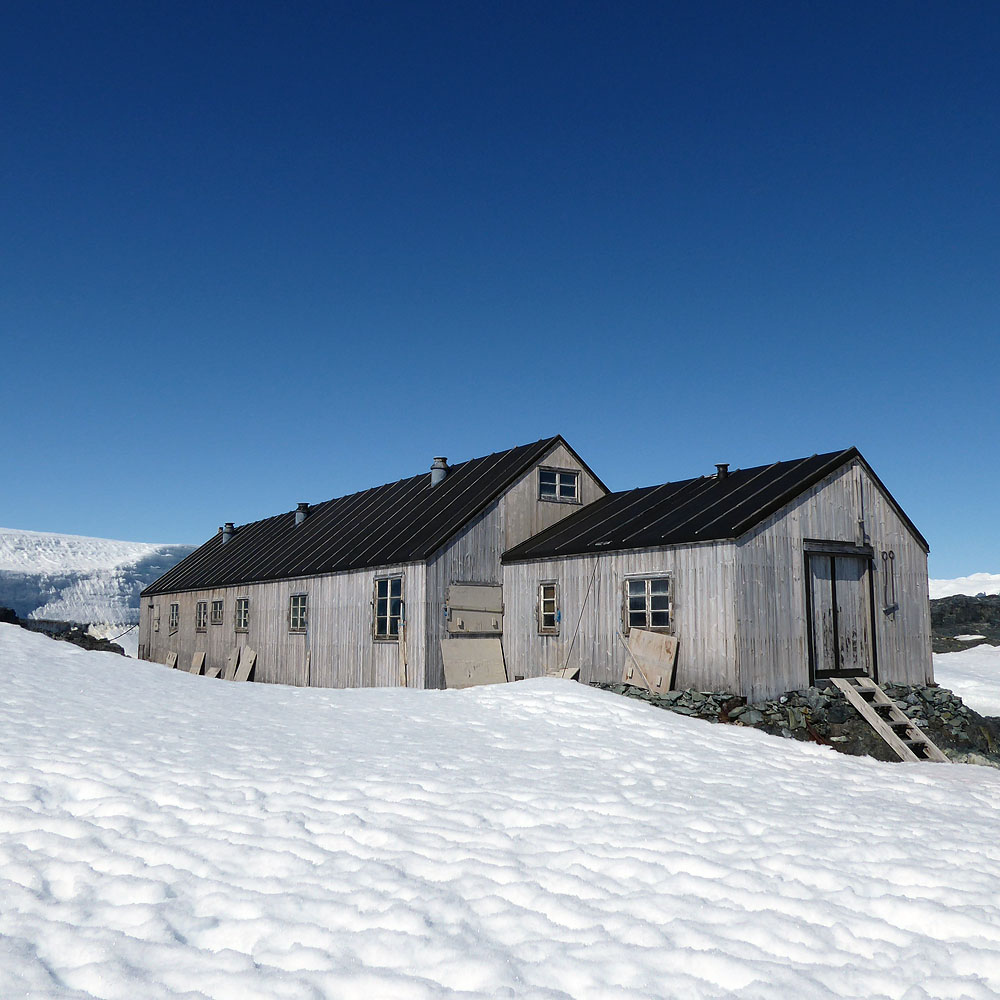
After crossing the Antarctic Circle you reach Crystal Sound, an area defined by extensive ice and high mountains. The aim is to observe Antarctic wildlife and experience the scale of the landscape at these latitudes. If conditions allow, a landing is planned on Detaille Island, a protected historic site and former research station. The station remains preserved much as it was left, offering a rare view into early scientific work in Antarctica. The day combines landscape, potential wildlife observation and a clear historical element. The exact sequence depends on ice and weather.
Day 9: Pourquoi Pas Island and Horseshoe Island, historic bases
A visit to Pourquoi Pas Island and or Horseshoe Island can deepen understanding of earlier pioneer expeditions. Pourquoi Pas Island, named after Jean Baptiste Charcot, often hosts penguins and seals and offers a walk ashore with views of glaciers shaping the island’s topography. Horseshoe Island also contains an abandoned research base, with buildings that provide insight into an earlier era of Antarctic fieldwork. Long distance dog sled journeys were conducted here, and the remains of kennels can still be seen. The island offers wide views across the surrounding landscape and helps illustrate the harsh conditions under which research was carried out. Which islands are visited depends on conditions and timing.
Day 10: Stonington Island, research history and artefacts
Stonington Island was a centre of research activity from the 1930s to the 1970s and hosted both American and British bases. If a landing is possible, historic buildings and artefacts can be visited, documenting the story of Antarctic exploration and science. The island was once connected to the mainland by snow and ice, which is not always the case today, making environmental change visible. The site is notable for the contrast between human traces and the surrounding landscape. Wildlife can also be present, with penguins and seals in coastal areas. The day focuses on linking history, landscape and observation.
Day 11: Red Rock Ridge, mainland landing and breeding colony
If conditions are favourable, a landing is attempted at Red Rock Ridge, a mainland site visible from afar due to its striking red coloured rocks against the ice. A breeding colony of Adélie penguins is located here, and you may also see seals and Antarctic shags nesting nearby. The landing allows observation of the contrast between rock and ice and how wildlife uses the area. Wind, ice and a safe landing point are decisive factors. This day concludes the phase following the Antarctic Circle crossing and leads into the continued push south.
Day 12: Marguerite Bay, continuing south and searching for marine mammals
As the ship continues south through Marguerite Bay, the focus is on observation at sea. The expedition looks for large whales and also for less frequently seen species such as the elusive Ross seal. The route enters areas that are rarely visited, and navigation becomes increasingly shaped by ice and weather. The day is planned as an expedition passage, with any landings dependent on conditions. The landscape here can feel wide and open, with extensive ice and changing perspectives. This marks the transition into even more remote sections of the voyage.
Day 13: Marguerite Bay, expedition days in little travelled waters
The southward movement continues, and the days remain focused on finding suitable opportunities for activities. Depending on ice and weather, landings or Zodiac cruises may take place if safe conditions exist. Marine mammal and seabird observation remains important, as productive coastal waters can provide sightings. The region is defined by its remoteness, and planning is cautious and flexible. On board, the next steps toward the Bellingshausen Sea are prepared, with ice conditions playing a decisive role. This is another expedition segment where the final plan is made on site.
Day 14: Final day of the southern passage before the Bellingshausen Sea
The ship continues south with the objective of entering the Bellingshausen Sea. Conditions can change quickly, so routing is adjusted continuously. Observation at sea remains important, both for whales and for seal species that may occur in these waters. At the same time, the team searches for suitable locations for activities, with safety in ice and weather as the priority. The day also supports preparation for the most remote parts of the voyage, where landings may only be possible by helicopter or under very favourable conditions. This concludes the Marguerite Bay phase and leads into the next section.
Day 15: Entering the Bellingshausen Sea, Ronne Entrance as a target area
With entry into the Bellingshausen Sea you reach a section rarely accessed by passenger vessels. The aim is to reach Ronne Entrance, an area first surveyed from the air by Lincoln Ellsworth and later mapped by the British Graham Land Expedition. In this region the expedition attempts landings at some of the most remote places on Earth, either by Zodiac or by helicopter. Because ice and weather can vary greatly, the expedition leader determines the best activity options. The day is therefore strongly shaped by current conditions and may involve both ice navigation and short operational windows for going ashore. Remoteness and low visitation are key characteristics of this part of the voyage.
Day 16: Bellingshausen Sea operations, activity windows and helicopter option
Expedition days in the Bellingshausen Sea continue. Depending on the situation, suitable areas for landings are sought, with both Zodiac operations and helicopter use considered. Planning remains flexible, as wind, visibility and ice drift can change feasibility at short notice. When safe windows open, activities are organised to allow as many participants as possible to experience the region on land. Wildlife observation remains part of the day, though sightings in such remote areas depend strongly on local conditions. Decisions are communicated continuously on board to respond to changes. This is a high latitude expedition day where feasibility and safety determine the sequence.
Day 17: Along Ellsworth Land, searching for suitable landing sites
Along the coast of Ellsworth Land the expedition attempts to find a suitable landing site. Depending on conditions this may be done by Zodiac or by helicopter. The coastline is often ice affected, and selecting a safe landing point requires careful assessment of ice, swell and weather. The expedition leader decides on site which options are realistic. The day may therefore combine coastal cruising, ice observation and possible short landings when a suitable window appears. The region is rarely visited, making each potential landing significant, while conditions remain the controlling factor. The focus stays on reaching and experiencing these remote coastal sections.
Day 18: Bellingshausen Sea, continued operations and repositioning
Operations in the Bellingshausen Sea continue, aiming to use further suitable sites for landings or helicopter activity. Depending on ice distribution the ship may reposition to areas with better conditions. Daily planning remains dynamic and may change more than once. Observation of the ice landscape is central, with tabular bergs, pack ice and open leads shaping the view. Lectures and briefings by the expedition team complement the day, especially on history and ecology of this region. Toward the end of this phase attention increasingly turns to approaching Peter I Island.
Day 19: Peter I Island, approach and assessment of landing feasibility
You approach Peter I Island, an uninhabited volcanic island in the Bellingshausen Sea, known in Norwegian as Peter I Øy. It was discovered in 1821 by Fabian von Bellingshausen and named after Peter the Great. Due to its remoteness and exposed position it is rarely visited by passenger ships, and landing is considered difficult. The day is therefore used for approach and careful assessment of weather, ice and operational windows. If conditions allow, planning may focus on a helicopter landing, which can be the more realistic option in some situations. Safety remains decisive, and it may be that the island can only be viewed from the ship. The day is shaped by evaluating what the conditions actually permit.
Day 20: Peter I Island, possible helicopter landing on the glaciated north
If weather and ice permit, there may be an opportunity to land by helicopter on the glaciated northern part of Peter I Island. Such a landing depends on a narrow combination of visibility, wind and suitable landing areas. The day is planned as an operational window where helicopter logistics and participant safety are the priority. If a landing is possible, you experience a rarely visited place defined by ice, volcanic ground and exposure to the Southern Ocean. If conditions prevent landing, time is used for observation and close approach as far as safely possible. In any case, this section is a central objective of the voyage because the island is only rarely reached.
Day 21: Turning north, beginning the return via the Bellingshausen Sea
After the Peter I Island phase MS Ortelius turns north, gradually leaving Antarctica behind while sailing across the Bellingshausen Sea into the wider Southern Ocean. During this passage, lectures continue on board, including topics such as the history of Antarctic exploration and marine ecosystems in this sensitive environment. Wildlife remains present, and you continue to watch for albatrosses, petrels and whales, including humpbacks and possibly blue whales in nutrient rich waters. The day is a sea passage that also marks the transition from operational areas to the long return route. Ahead lies the Drake Passage as the final major stage before South America.
Day 22: Drake Passage, northbound crossing and seabird watching
The Drake Passage begins again, bringing the typical conditions of cool salty air and rolling seas. As on the southbound crossing, birdlife changes across transition zones and observation from deck remains important. After passing the Antarctic Convergence you re enter the circum Antarctic upwelling zone where many seabirds are active. Possible species include wandering albatrosses, grey headed albatrosses, black browed albatrosses, sooty albatrosses, cape pigeons, southern fulmars, silver petrels, blue petrels and Antarctic petrels. The day is primarily a transit, complemented by lectures and time to reflect on the voyage. Routing is adjusted continuously to weather and sea state.
Day 23: Drake Passage, final sea days toward South America
The northbound crossing continues. Seabirds remain present, and whale sightings are possible depending on conditions. The day is shaped by open ocean travel and changing weather typical of the Southern Ocean. On board, arrival procedures are prepared and information is shared about disembarkation. There is also time to organise impressions from the previous weeks, as the voyage has covered a wide range of landscapes and historic sites. This is the last full stage at sea before the ship returns toward the Beagle Channel region. The expedition approaches its conclusion.
Day 24: Approaching Tierra del Fuego and sailing toward Ushuaia
Today the ship approaches Tierra del Fuego again. Depending on timing and conditions, the vessel enters the waters leading back to Ushuaia. The day remains a sea day, but with a clear transition back into South American infrastructure. Final organisational points are handled on board, and the expedition staff often summarise key locations and observations. The scenery changes as coastlines draw closer and waters become more sheltered. This is the final night on board before disembarkation the next morning. The day is mainly about a calm return after a long expedition phase.
Day 25: Ushuaia disembarkation
You arrive in Ushuaia. The package ends after breakfast on board with disembarkation. You then continue your onward travel independently.
Included Bellingshausen Sea, Peter I Island & Ellsworth Land, incl. Helicopter
- Pre-arranged group transfer from the ship to the airport in Ushuaia (immediately after disembarkation)
- Luggage transfer from the designated pick-up point to the ship on the day of embarkation in Ushuaia
- Free use of rubber boots and snowshoes
- Complimentary Wi-Fi: each guest receives 1.5 GB of data per day, renewed every 24 hours
- Complimentary Dopper water bottle for use during and after your expedition
Additional Information for Expedition Cruises: The itinerary and route described are provided as examples only and may be adjusted or changed at any time due to weather, ice and tidal conditions, as well as for safety reasons. Specific landing sites, locations or route sections therefore cannot be guaranteed. The captain and expedition leader will make all final decisions regarding the route, landings and daily programme on site. Wildlife sightings cannot be guaranteed. Landings and Zodiac excursions depend on local conditions and regulatory requirements. Optional activities have very limited availability; we recommend booking them well in advance, often weeks or months before departure, as they may be fully booked by the time of travel; their operation depends on weather, ice and safety conditions as well as minimum participation. Polar regions are remote and dynamic natural environments, therefore programme changes or delays may occur.


.jpg_Julian Bourse.jpeg)


.jpg_Ignacio Marino.jpeg)





.jpg_Martin van Lokven.jpeg)
.jpg_Martin van Lokven.jpeg)
.jpg_Martin van Lokven.jpeg)


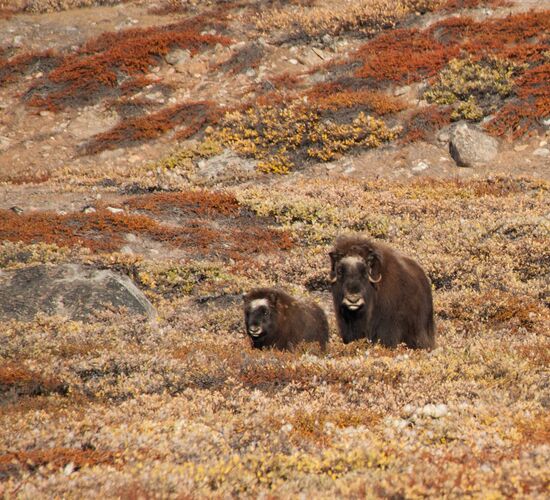
These pictures provide a general impression of our local partner and the surrounding area. Please note that selected tour may differ from these pictures.
All Reviews of Oceanwide Expeditions
●●●●● 4.6 of 5 Stars (160 Reviews) on
Help us and submit a new review
Please select between 1 to 5 to review the operator* ○○○○○
Thu. 14.01.2027 - Sun. 07.02.2027
25 days from Ushuaia, Argentina
Available on request
25 days from Ushuaia, Argentina
Available on request
from €18.550,-
20% Advantage
20% Advantage


Available on request
from €18.550,-
€23.200,-
20% Advantage
20% Advantage
Deck: 3 12m² Quadruple Occupancy Double Porthole

Available on request
from €20.850,-
€26.050,-
20% Advantage
20% Advantage
Deck: 3 12m² Triple Occupancy Double Porthole

Available on request
from €23.100,-
€28.900,-
20% Advantage
20% Advantage
Deck: 3 & 4 11m² Twin Beds Double Porthole

Available on request
from €24.300,-
€30.350,-
20% Advantage
20% Advantage
Deck: 5 17m² Twin Beds Standard Window

Available on request
from €26.450,-
€33.050,-
20% Advantage
20% Advantage
Deck: 5 17m² Twin Beds Standard Window

Available on request
from €27.300,-
€34.150,-
20% Advantage
20% Advantage
Deck: 5 18m² Twin Beds Standard Window
All prices per person in double or multi-bed category. Single room surcharges, children's price advantages etc. on request.
Fixed travel dates, additional days on demand.
Fixed travel dates, additional days on demand.