57.628107264
3.5709125
327
Arctic Ocean - Jan Mayen, Ice Edge, Spitsbergen, Birdwatching
From North Iceland via Jan Mayen and the drifting ice margin to the fjords of West Spitsbergen.
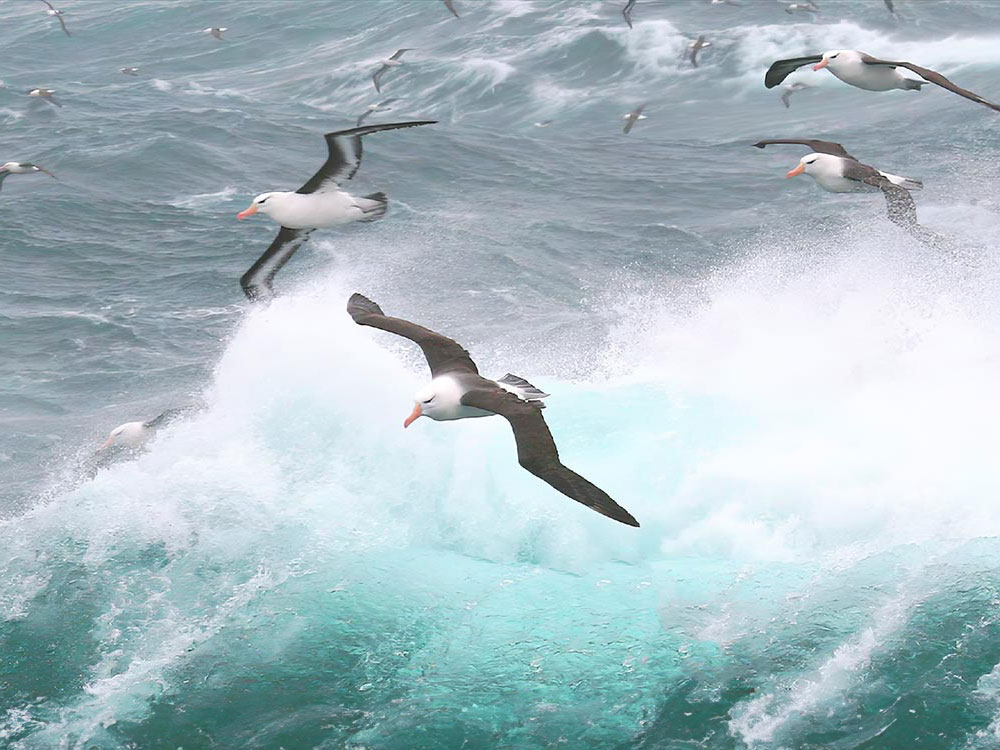
This expedition voyage of 9 days/8 nights takes you from Akureyri to Longyearbyen, across the Arctic Circle to remote Jan Mayen, then along the sea ice edge toward Spitsbergen, with a strong focus on seabirds and chances to spot whales, seals and polar bears.
Tour ID: 1830746 Norway, Greenland, Spitzbergen, Iceland, Arctic, Jan Mayen, Svalbard Archipelago, Arctic Ocean, Arctic Circle ●●●●● 160 Reviews
9 days / 8 nights
Expedition ship m/v Hondius, m/v Ortelius, m/v Plancius
Grímsey on the Arctic Circle
Jan Mayen with weather station and whaling history
Midnight sun along the sea ice edge
West Spitsbergen fjords and continental shelf
Chances for whales, seals & polar bears
_Erwin Vermeulen-btc8wkzgjmcsk6d.jpeg)
Arctic Ocean - Jan Mayen, Ice Edge, Spitsbergen, Birdwatching: The itinerary
Day 1: Arrival and embarkation in Akureyri
In the late afternoon you embark in Akureyri, a harbour town with a long fishing history and often regarded as the capital of North Iceland. After check in and the first practical briefings on board, MS Hondius departs and heads north through Eyjafjörður, one of Iceland’s longest fjords. The sheltered fjord scenery gradually gives way to more open water as the ship approaches the mouth of the fjord. Once you reach the open sea, attention turns to the water and horizon, as whale sightings are possible in this area. The evening is used to settle into the expedition routine while the ship continues on a northerly course.
Day 2: Grímsey on the Arctic Circle and an evening pass by Kolbeinsey
A landing is planned on Grímsey, a small island that straddles the Arctic Circle. The island has a welcoming fishing village and is known for active seabird colonies. Species commonly encountered include black legged kittiwakes, razorbills, puffins, northern fulmars and Arctic terns, using cliffs and coastal slopes as breeding sites. Time ashore allows you to observe both the island’s settlement and the surrounding birdlife at close range. In the evening, as the ship continues north, you pass Kolbeinsey, a tiny uninhabited islet. From this point onward daylight becomes continuous, changing both the atmosphere and the practical conditions for observation at sea.
All pictures of this partner




_Erwin Vermeulen.jpeg)
_Erwin Vermeulen.jpeg)
_Erwin Vermeulen.jpeg)

Day 3: Sailing north toward Jan Mayen with whale watching en route
MS Hondius continues north toward the isolated island of Jan Mayen. During the crossing the focus is on marine mammal observation, with chances to see humpback, fin, minke and blue whales, and possibly orcas. Watching is continuous from deck and bridge, and sightings can influence the day’s navigation. When animals are detected, the ship may adjust course to improve viewing opportunities while maintaining the character of a transit day. At the same time, the open ocean brings changing light and weather typical for these latitudes, which can affect visibility and sea state. The day is therefore shaped by navigation, lookout duties and the gradual approach to Jan Mayen.
Day 4: Jan Mayen, weather station visit and traces of historic whaling
Off Jan Mayen you encounter a stark volcanic island dominated by the snow covered summit of Beerenberg. From the slopes of this approximately 2,300 metre volcano, broken glacier ice can descend toward the coastline and into the cold sea. With permission from the Norwegian authorities, a visit to the weather station may be possible, offering insight into operations at this remote location. You may also have the option to walk to the remains of a seventeenth century Dutch whaling station, set within a landscape of dark volcanic rock and dense moss cover. The site is closely linked to the history of Dutch whaling in the North Atlantic and provides a tangible historical context. The exact plan depends on conditions and permissions, but the day remains centred on Jan Mayen and its immediate surroundings.
Day 5: Under the midnight sun along the sea ice edge
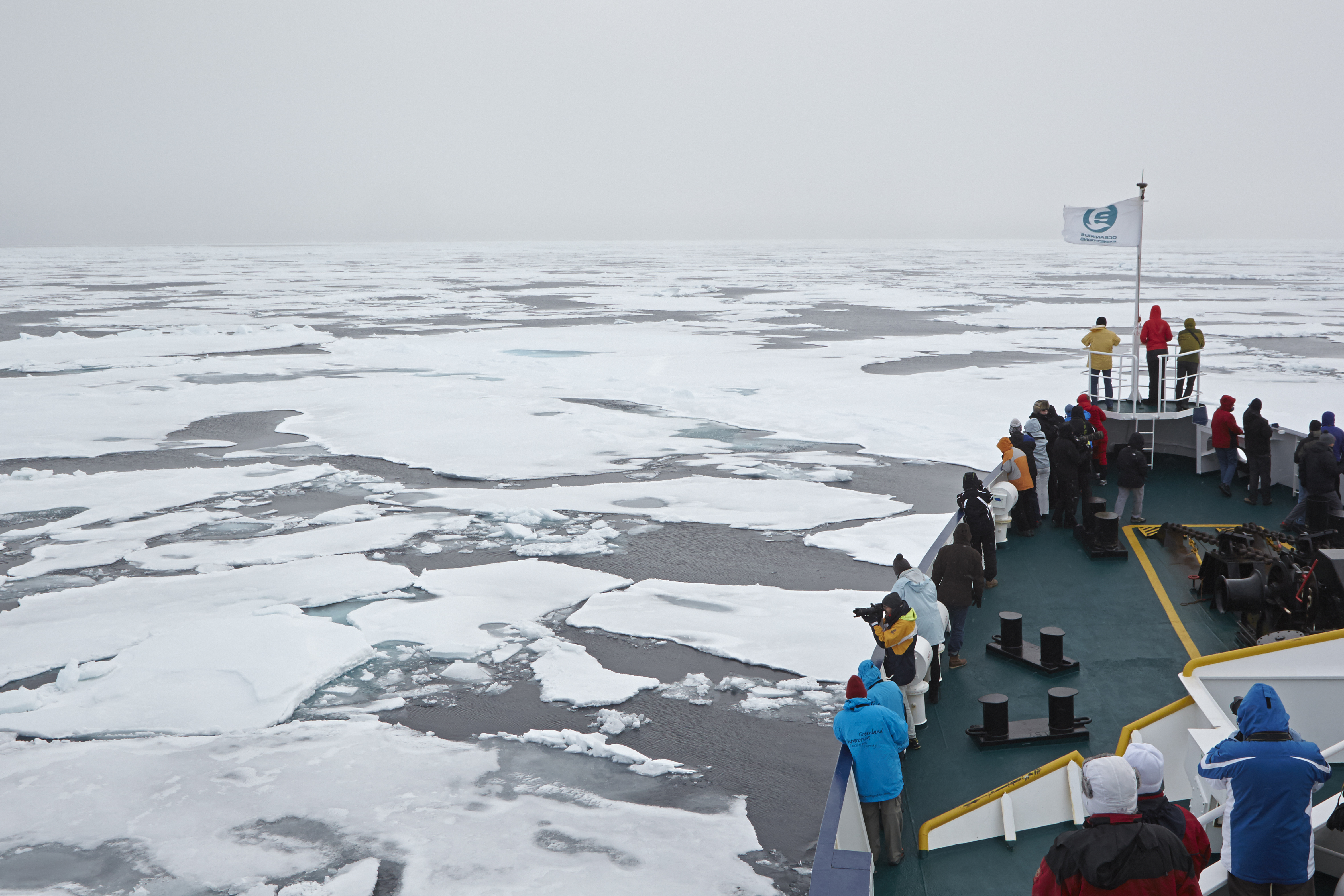
Under the midnight sun the ship continues north, now following the margin of drifting sea ice. Along the ice edge the expedition searches for Greenland whales, harp seals and polar bears, alongside a wide range of seabirds that use this productive boundary between ice and open water. The environment is dynamic, with ice distribution and structure changing continuously, which also affects where wildlife concentrates. After reaching roughly 79 degrees north, the ship changes direction and heads west toward the rocky margins of the continental shelf off West Spitsbergen. In this area there are good chances to see fin whales and, near glacier fronts in the wide Spitsbergen fjords, surfacing minke whales.
Day 6: West Spitsbergen, Forlandsundet or alternative fjord routes
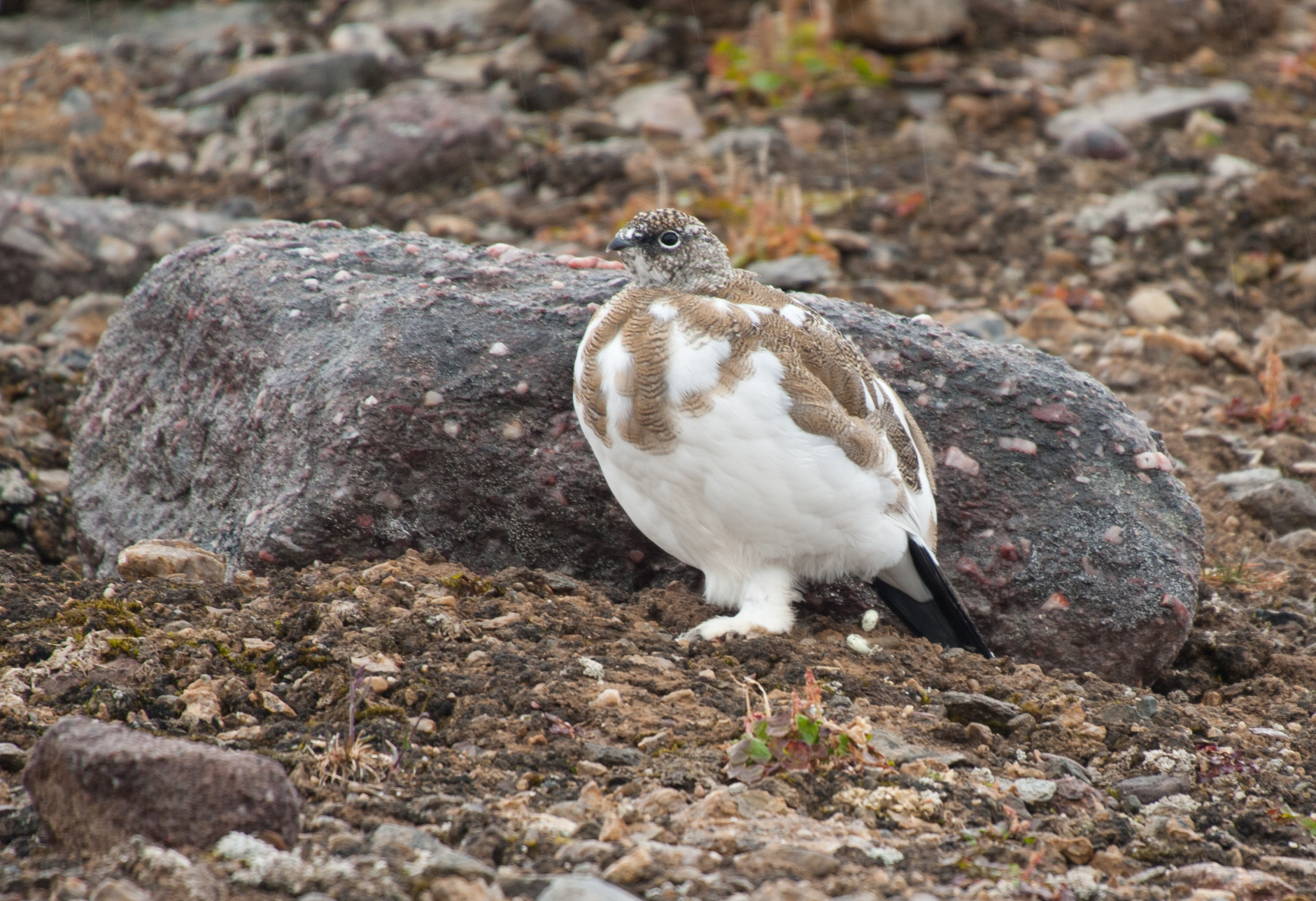
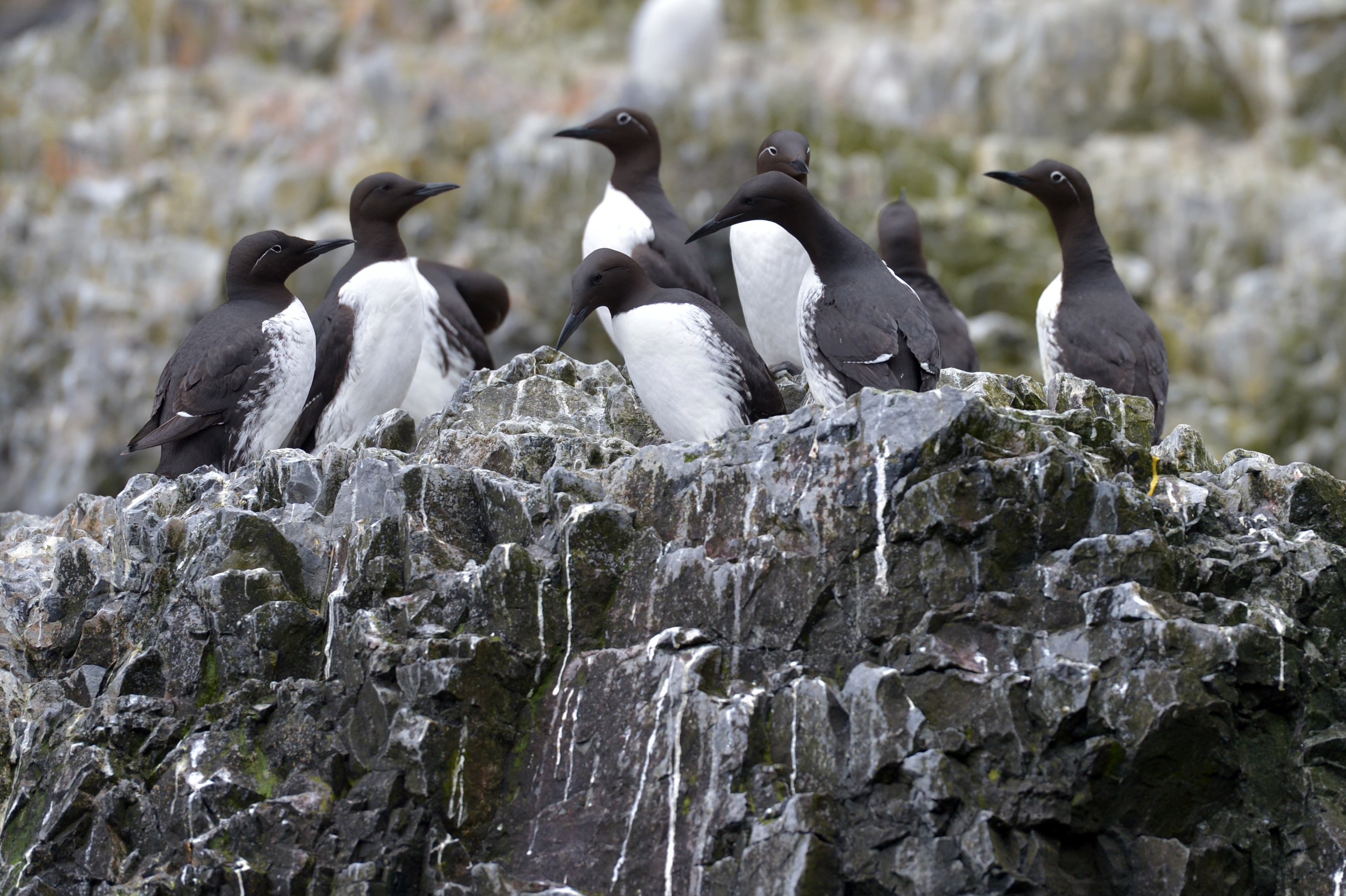
Today the focus shifts to the Arctic landscapes of Spitsbergen. Forlandsundet, between the main island of Spitsbergen and the narrow Prins Karls Forland, is an area known for scenic coastlines and wildlife, and walrus may be encountered here. Depending on conditions, the ship may instead sail into St Johns Fjord or head south toward the mouth of Isfjord. A possible landing is at Alkhornet, where steep cliffs are important nesting habitat for many bird species. Arctic foxes may patrol below the cliffs, searching for fallen eggs and chicks. On the surrounding slopes, reindeer graze on sparse vegetation, offering opportunities to observe typical land mammals of the region.
Day 7: Spitsbergen expedition day, flexible routing with emphasis on birdlife
The programme in West Spitsbergen remains dependent on weather, sea ice and safe landing opportunities. The day continues to prioritise coastal scenery, fjords and wildlife observation, especially seabirds at breeding sites and possible marine mammal sightings near fjord mouths and along the coast. Depending on the route, areas such as Forlandsundet or alternative fjord systems may be revisited, keeping the focus on walrus, birds and other Arctic species when conditions allow. Continuous daylight supports extended observation periods, while the region’s variability requires flexibility in planning. This is a typical expedition day where the exact sequence may change without shifting the overall emphasis on nature observation and navigation.
Day 8: Final full day toward Isfjord and Longyearbyen
On the last full day MS Hondius continues toward the Isfjord area and the waters near Longyearbyen. Depending on position and conditions, there may be additional observation time at sea or within more sheltered fjord sections before the approach to Spitsbergen’s administrative centre. The landscape remains defined by fjords, glacier fronts and snow covered peaks, while wildlife watching continues as part of the day’s routine. At the same time, preparations for disembarkation begin on board, and practical information for the following morning is organised. The day ends with the final night on board as the ship reaches the vicinity of Longyearbyen.
Day 9: Disembarkation in Longyearbyen
You disembark in Longyearbyen, the administrative centre of Spitsbergen. The package ends after breakfast on board. After leaving the ship you continue your onward travel independently.
Included Arctic Ocean - Jan Mayen, Ice Edge, Spitsbergen, Birdwatching
- Free use of rubber boots and snowshoes
- Complimentary Wi-Fi: each guest receives 1.5 GB of data per day, renewed every 24 hours
- Complimentary Dopper water bottle for use during and after your expedition
Selected departures (21.06. - 29.06.2027) of this voyage take place during the solar eclipse, offering the rare opportunity to witness this extraordinary natural phenomenon in a truly unique setting.
Additional Information for Expedition Cruises: The itinerary and route described are provided as examples only and may be adjusted or changed at any time due to weather, ice and tidal conditions, as well as for safety reasons. Specific landing sites, locations or route sections therefore cannot be guaranteed. The captain and expedition leader will make all final decisions regarding the route, landings and daily programme on site. Wildlife sightings cannot be guaranteed. Landings and Zodiac excursions depend on local conditions and regulatory requirements. Optional activities have very limited availability; we recommend booking them well in advance, often weeks or months before departure, as they may be fully booked by the time of travel; their operation depends on weather, ice and safety conditions as well as minimum participation. Polar regions are remote and dynamic natural environments, therefore programme changes or delays may occur.


.jpg_Julian Bourse.jpeg)


.jpg_Ignacio Marino.jpeg)





.jpg_Martin van Lokven.jpeg)
.jpg_Martin van Lokven.jpeg)
.jpg_Martin van Lokven.jpeg)


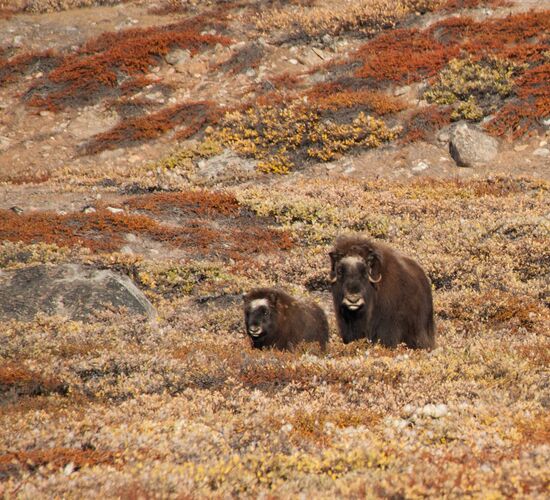
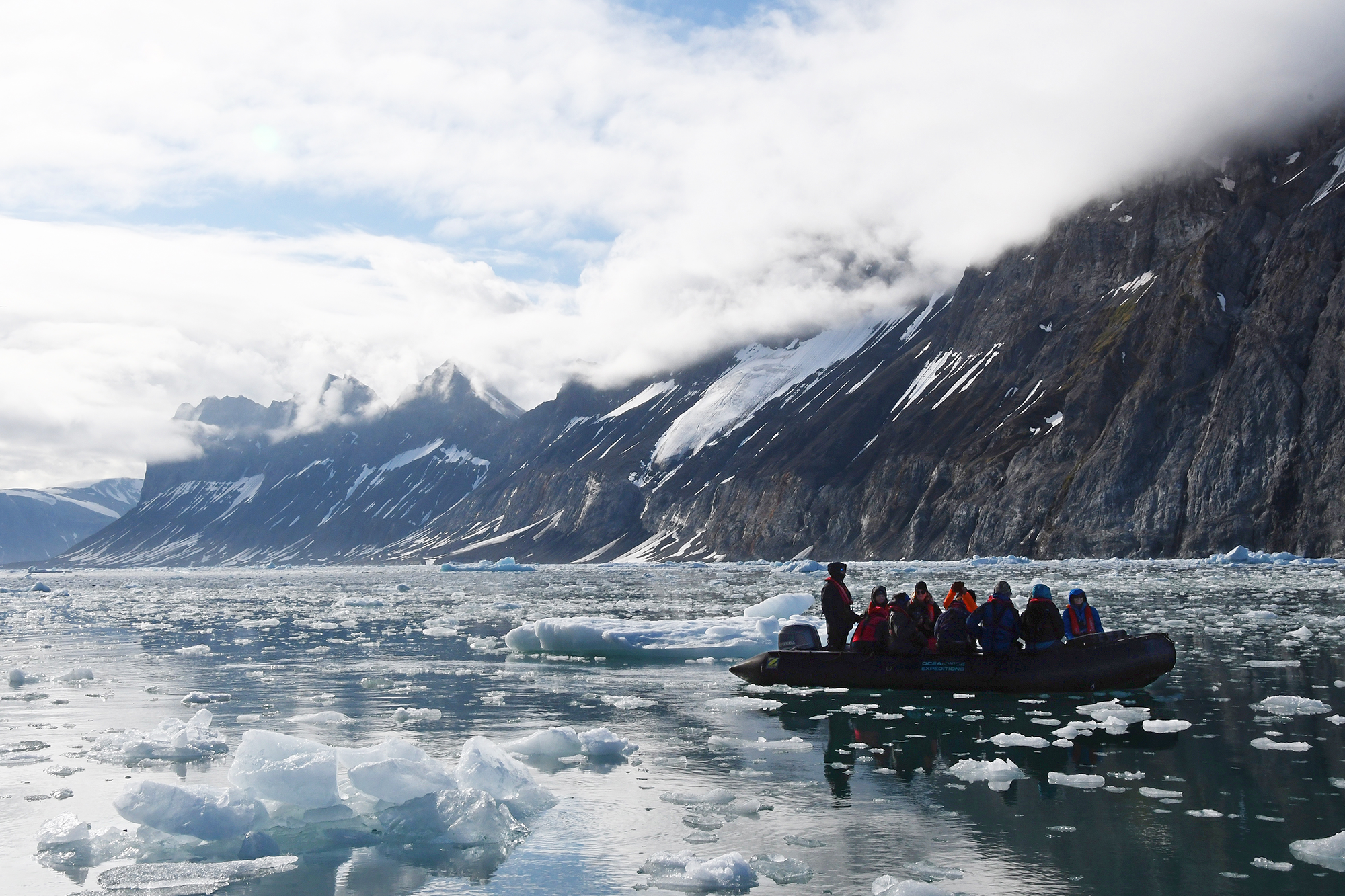
These pictures provide a general impression of our local partner and the surrounding area. Please note that selected tour may differ from these pictures.
All Reviews of Oceanwide Expeditions
●●●●● 4.6 of 5 Stars (160 Reviews) on
Help us and submit a new review
Please select between 1 to 5 to review the operator* ○○○○○
Sun. 23.05.2027 - Tue. 01.06.2027
10 days from Aberdeen, United Kingdom
Available on request
10 days from Aberdeen, United Kingdom
Available on request
from €3.000,-
Available on request
from €3.000,-
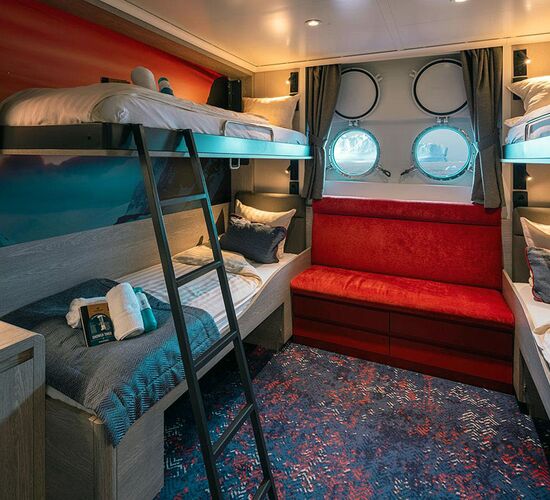
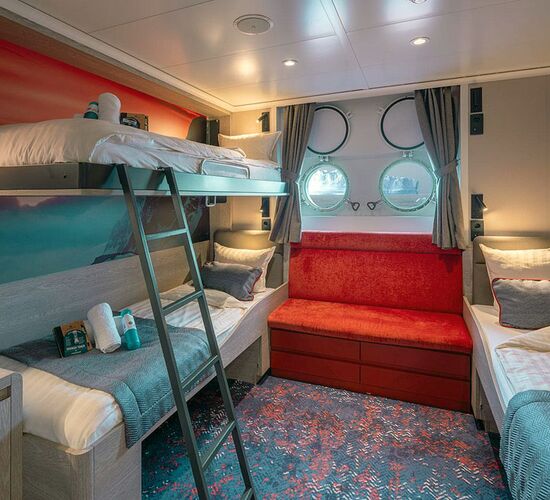
Deck: 3 15m² Shared Occupancy Quad Double Porthole
Available on request
from €3.550,-
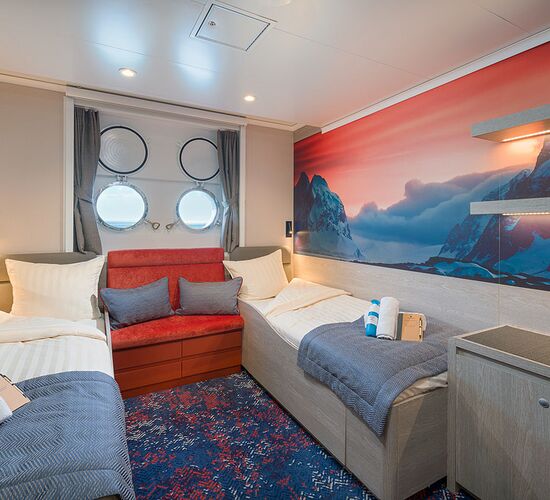
Deck: 3 16m² Shared Occupancy Triple Double Porthole
Available on request
from €4.250,-
Deck: 3 13m² Twin Beds Double Porthole

Available on request
from €4.500,-
Deck: 4 12m² Twin Beds Standard Window

Available on request
from €4.850,-
Deck: 6 19m² Twin Beds Panoramic Window

Available on request
from €5.400,-
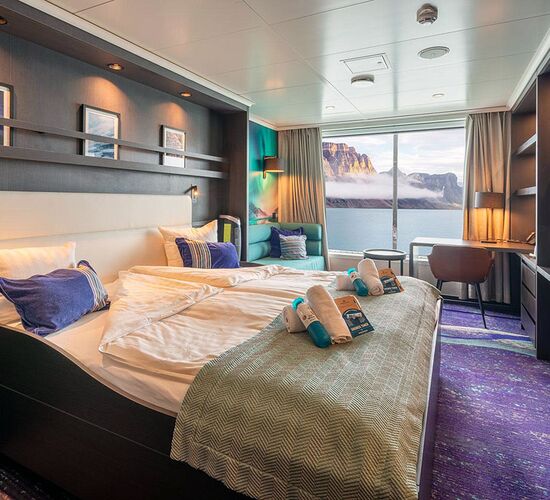
Deck: 6 21m² Twin Beds Panoramic Window

Mon. 31.05.2027 - Wed. 09.06.2027
10 days from Aberdeen, United Kingdom
Available on request
10 days from Aberdeen, United Kingdom
Available on request
from €3.000,-


Available on request
from €3.000,-
Deck: 3 12m² Quadruple Occupancy Double Porthole


Available on request
from €4.250,-
Deck: 3 & 4 11m² Twin Beds Double Porthole

Available on request
from €4.500,-
Deck: 5 17m² Twin Beds Standard Window


Available on request
from €5.400,-
Deck: 5 18m² Twin Beds Standard Window
Mon. 21.06.2027 - Tue. 29.06.2027
9 days from Akureyri, Iceland
Available on request
9 days from Akureyri, Iceland
Available on request
from €2.700,-


Available on request
from €3.200,-
Deck: 2 12m² Shared Occupancy Triple Single Porthole

Available on request
from €3.750,-
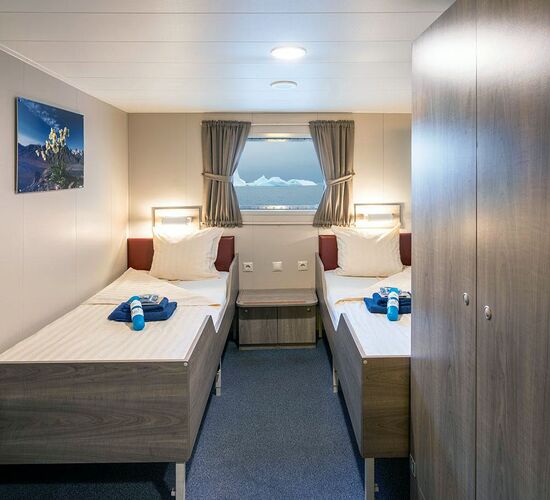
Deck: 3 12m² Twin Beds Single Porthole
Available on request
from €4.050,-
Deck: 4 13m² Twin Beds Standard Window


Available on request
from €4.850,-
Deck: 4 & 5 & 6 21m² Twin Beds Standard Window
All prices per person in double or multi-bed category. Single room surcharges, children's price advantages etc. on request.
Fixed travel dates, additional days on demand.
Fixed travel dates, additional days on demand.