57.628107264
3.5709125
327
Antarctic Basecamp, incl. Long Hikes
Antarctic Basecamp expedition from Ushuaia with activity days in Marguerite Bay and optional long hikes.
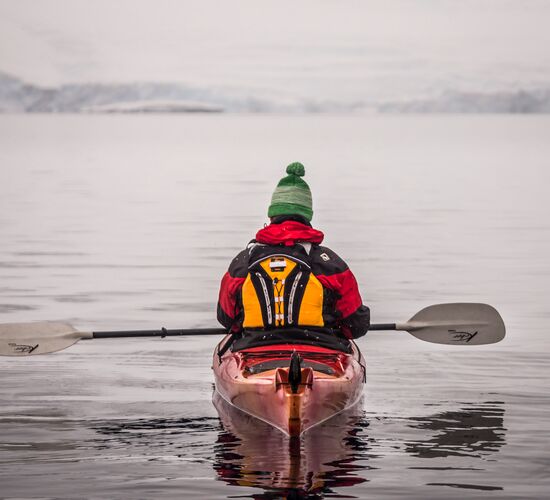
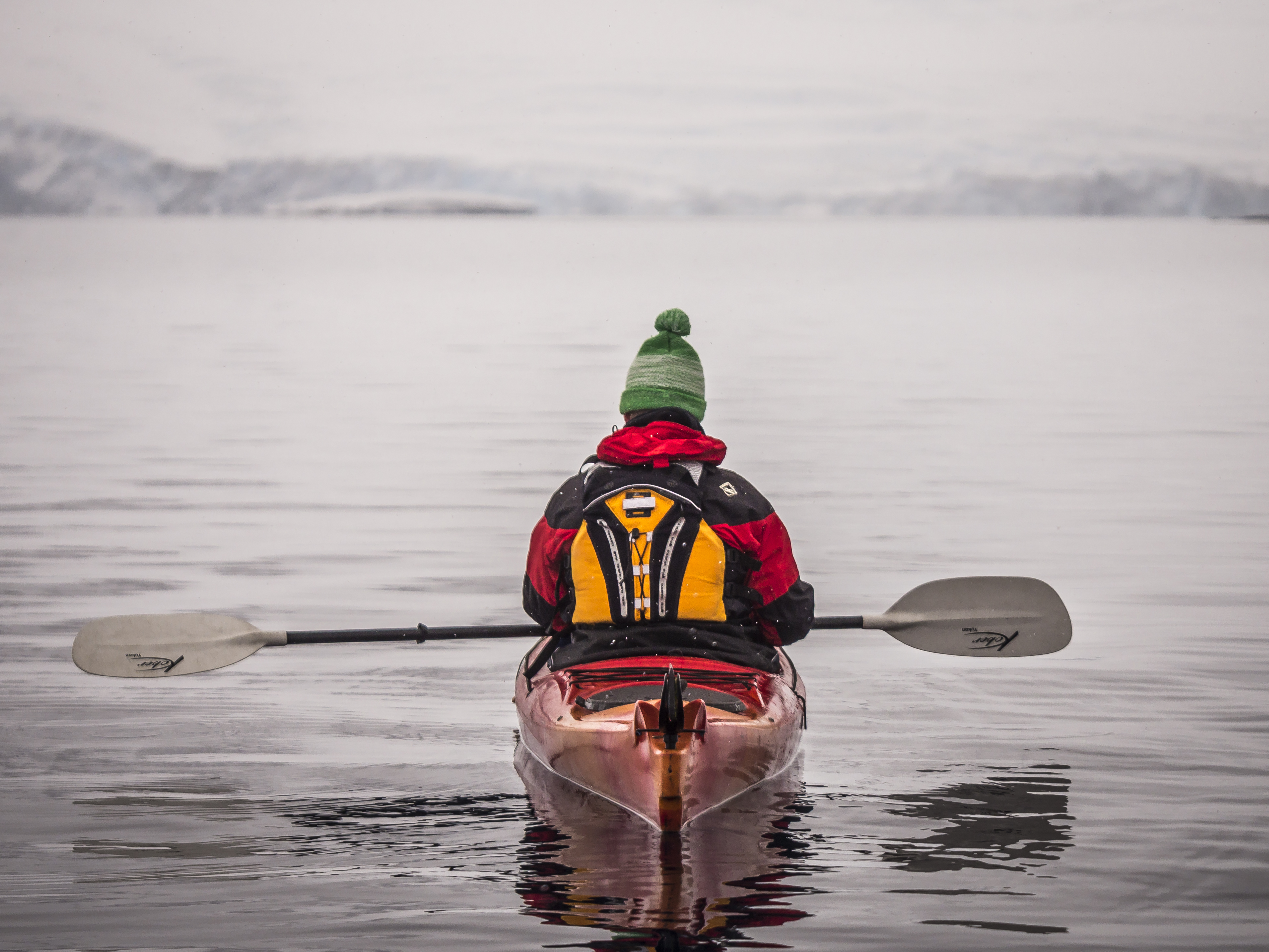
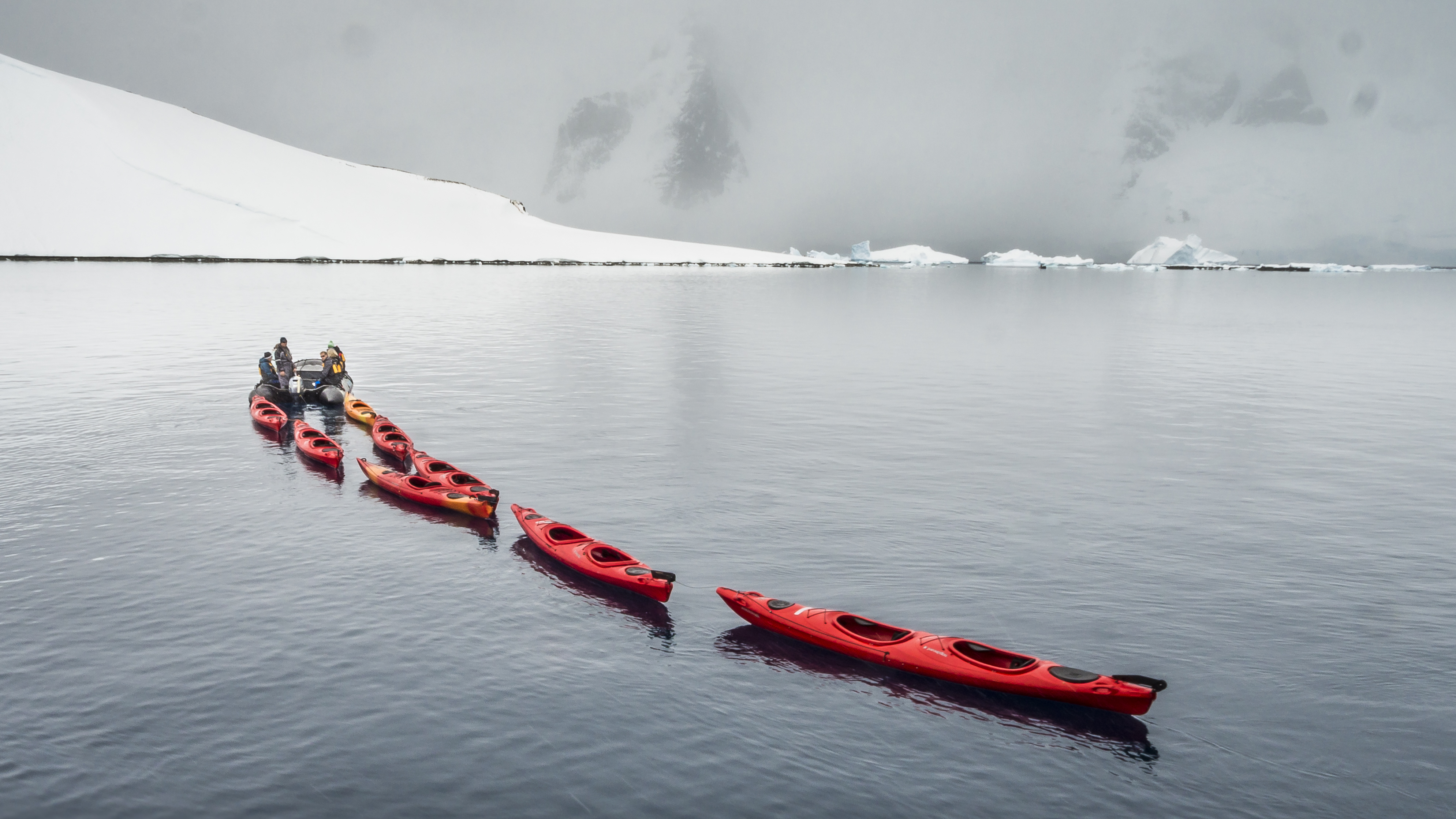
On this 14 days/13 nights voyage aboard MS Ortelius you cross the Drake Passage, reach the Antarctic Peninsula and travel beyond the Polar Circle, using a Basecamp concept with long hikes, snowshoeing, kayaking and possible camping.
Tour ID: 1830775 Antarctica, Antarctic Peninsula, Drake Passage ●●●●● 160 Reviews
14 days / 13 nights
Expedition ship m/v Ortelius
Basecamp activity days in Marguerite Bay
Long hikes in small groups
Polar Circle crossing and Crystal Sound
Gullet transit and Detaille Island station
Chances for penguins, seals and whales
Antarctic Basecamp Long Hikes: The itinerary
Day 1: Ushuaia embarkation and sailing the Beagle Channel
Your journey begins in Ushuaia, Argentina, on Tierra del Fuego at the southern tip of South America. In the afternoon you embark on MS Ortelius. After check in and initial safety and programme briefings, the ship departs and follows the mountain fringed Beagle Channel. These sheltered waters provide a calm start before the open ocean crossing of the Drake Passage. The evening is mainly for settling in on board while the scenery shifts from harbour views to wider channel landscapes. Depending on conditions, the first seabirds of the voyage may already be visible. This is the start of a classic Antarctic crossing leading into the Basecamp phase farther south.
Day 2: Drake Passage, approaching the Antarctic Convergence
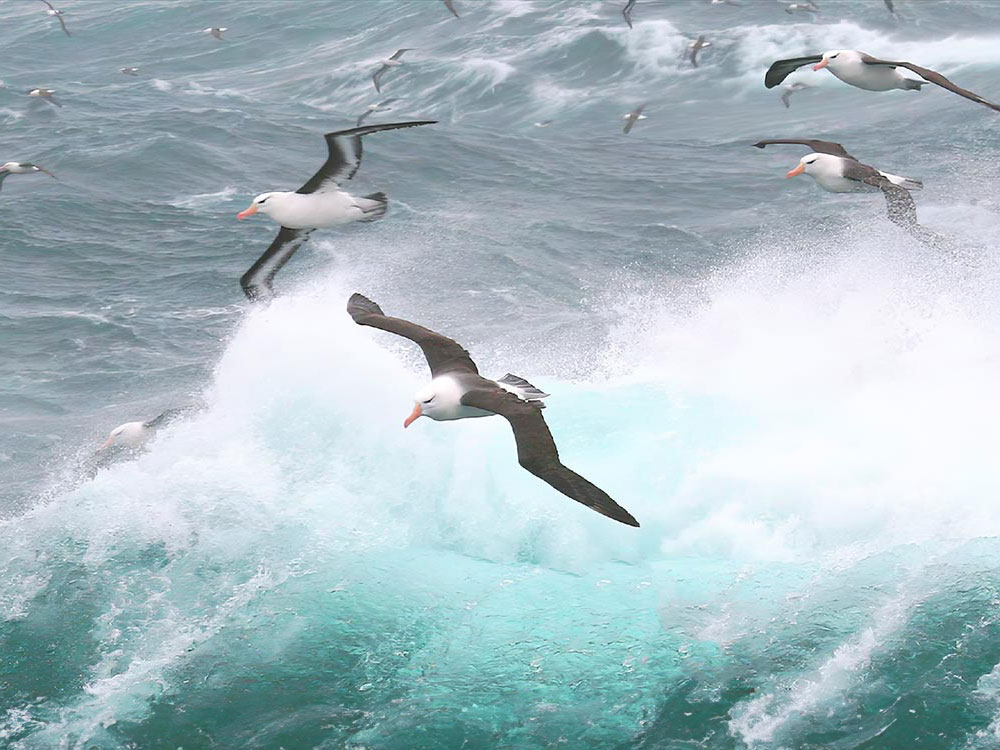
The Drake Passage crossing begins. Over the next two days you experience conditions similar to those faced by early polar explorers, with cool salt air and rolling seas. With some luck you may see a fin whale spouting in the distance. As the ship approaches the Antarctic Convergence, the natural boundary formed where cold currents meet warmer sub Antarctic waters, the marine environment begins to change. After crossing this zone you enter the Antarctic upwelling region, where productivity increases. Not only marine life changes, birdlife changes as well. Possible species include wandering albatrosses, grey headed albatrosses, black browed albatrosses, light mantled sooty albatrosses, cape pigeons, silver petrels, Wilson’s storm petrels, blue petrels and Antarctic petrels. The day is a sea day focused on observation and preparation for the first operations.
All pictures of this partner




.JPG_Rocio Siemens.jpeg)


Day 3: Drake Passage, seabirds and approach to the peninsula
The Drake Passage continues, and seabird watching remains a central part of the day. Many species use the airflow above the waves and may follow the ship for extended periods, offering good viewing from deck. At the same time, the ocean environment changes as you draw closer to Antarctica, and planning on board becomes more focused on upcoming landings. The day remains primarily a transit, but marine mammal sightings are possible depending on conditions. On board, procedures for Zodiac operations, landings and Basecamp activities are reviewed, including the requirements for long hikes. This day therefore combines the final stage of the crossing with practical preparation for the operational phase. Toward the end of the day the coastline draws nearer and the voyage transitions into the Antarctic Peninsula region.
Day 4: Pendleton Strait, Renaud Island and Polar Circle crossing
You reach the Antarctic Peninsula. If sea ice conditions allow, the ship transits the Pendleton Strait and attempts a landing at the rarely visited southern tip of Renaud Island. Here you may see the first Adélie penguins of the voyage, and the setting offers wide views of icebergs in a wind shaped, snow covered coastal environment. In the late afternoon MS Ortelius continues toward Adelaide Island and Marguerite Bay, crossing the Polar Circle en route. You spend the night in the Crystal Sound area, where the landscape can remain visually engaging well into the early hours. In this region, sightings of orcas, humpback whales and minke whales are possible, depending on conditions. The day combines an early landing attempt, a key geographic milestone and the approach to the Basecamp operating area.
Day 5: Marguerite Bay Basecamp, first activity days and island options
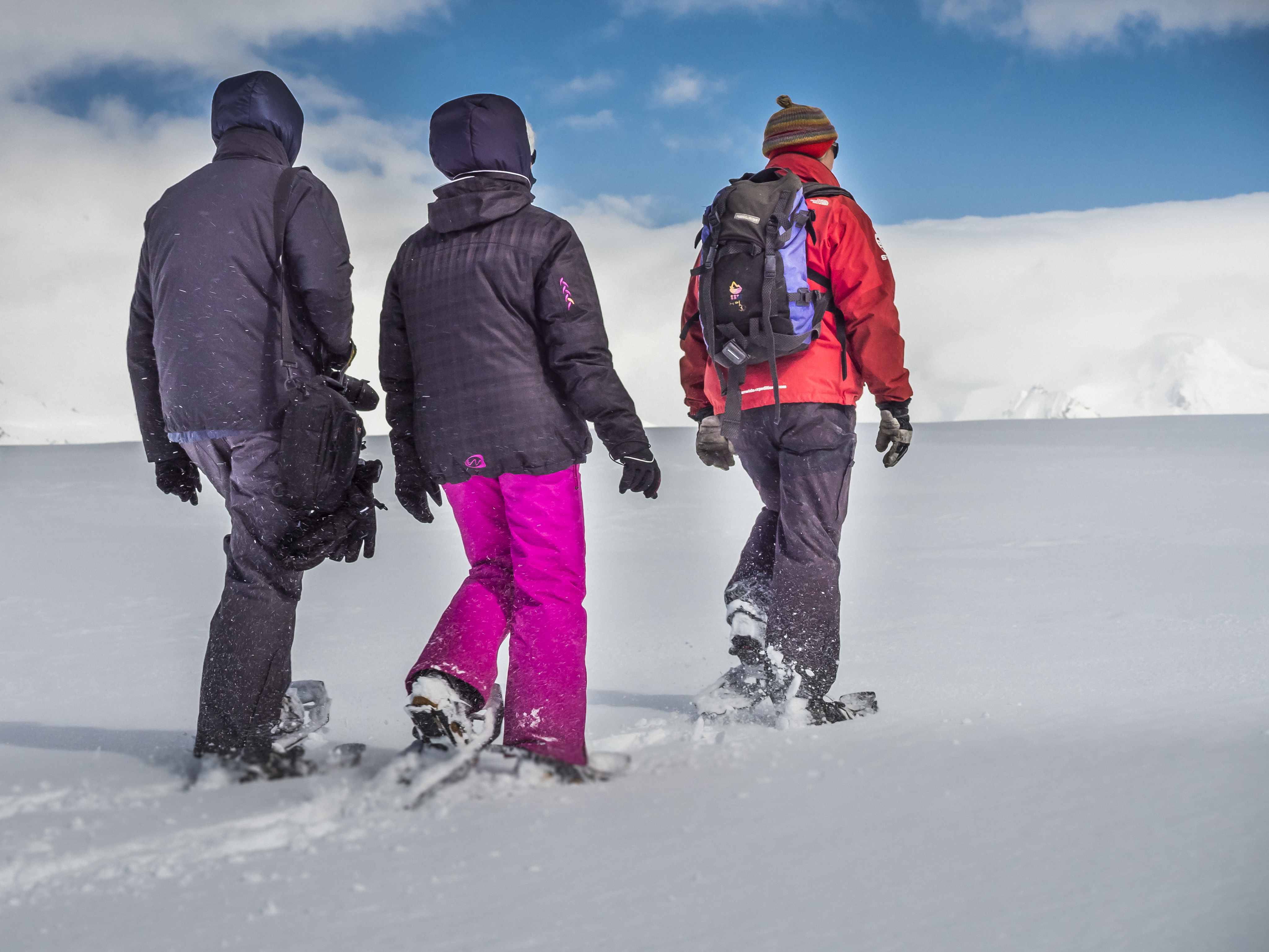
The coming days focus on Basecamp activities in Marguerite Bay. The programme includes long hikes, snowshoeing, kayaking and, if conditions permit, camping. Possible sites include Horseshoe Island, named for its shape, where an abandoned research station and original artefacts provide insight into early scientific work. Pourquoi Pas Island is another option, offering a landing on a rocky beach with views of the Moider Glacier and the possibility of seeing Antarctic fur seals resting just behind the shore. Daily planning depends on ice, wind and visibility and is designed to allow extended time for activities close to shore. Photography opportunities arise naturally from the landscapes, historic structures and wildlife that may be present. Which sites are visited depends on local conditions and operational feasibility.
Day 6: Marguerite Bay, long hikes and alternative landings
Marguerite Bay remains the central operating area. Long hikes are conducted in small groups of up to 24 participants and are accompanied by at least two expedition staff experienced in this terrain. These hikes typically last three to four hours and cross semi rough, rocky and snow covered ground with significant elevation changes. The pace is steady, but conditions can be demanding and can change quickly, so a good level of fitness and willingness to spend extended time on foot are essential. For guests who prefer not to join the long hikes, alternative activities or landings are offered during the same period. Depending on location, Stonington Island may be considered, a former research hub with historic buildings and artefacts. The day remains activity focused and uses the Basecamp concept to make the most of safe operating windows.
Day 7: Marguerite Bay, Red Rock Ridge and continued activity options
If conditions allow, the expedition attempts a landing at Red Rock Ridge on the Antarctic mainland. The red coloured cliffs stand out clearly against the surrounding ice and are visible from a distance. Adélie penguins may be encountered here, and seals and Antarctic shags are also hoped for in the area. Regardless of the exact landing site, the programme remains centred on Basecamp activities, with options for hiking, snowshoeing or kayaking when wind and ice permit. Planning stays flexible to use safe conditions while aiming to minimise disturbance to wildlife. The day combines landscape observation, possible wildlife encounters and active exploration. Depending on weather, the camping option may be assessed again, though it cannot be guaranteed.
Day 8: Marguerite Bay, additional activity day and flexible site selection
Another day in Marguerite Bay is used to continue the Basecamp programme. Depending on ice and weather, the ship may reposition within the region to find sheltered waters for kayaking or suitable landing points for hikes. Long hikes remain an option for those who meet the requirements, while alternative landings are offered in parallel. The day is intentionally flexible because conditions in this area can change quickly and site selection depends on where safe landings are possible. Historic stations, glacier backdrops and varied shoreline terrain provide different focuses for observation and photography. This day is the final part of the Basecamp phase before the possible transit through the Gullet and operations at Detaille Island.
Day 9: The Gullet transit, narrow channel and wildlife possibilities
If conditions allow, you sail through the Gullet, a narrow channel with high mountains rising on both sides. During the transit, birds may follow the ship and penguins and seals can be present in the water near the vessel. The passage is visually striking but strongly dependent on ice and wind, so it cannot be guaranteed. If ice conditions permit, an afternoon landing or cruise may also take place in the area. The day combines a navigation focused highlight with the possibility of close range landscape experience. Observation remains important, as wildlife activity can concentrate in transition zones between ice and open water. This day leads into the Detaille Island section.
Day 10: Detaille Island, abandoned station and glacier scenery
A visit to Detaille Island may be possible, where an abandoned British research station is located. The island’s elevated position provides views over surrounding glacier scenery and helps convey the scale of the region. Depending on conditions, the visit may be organised as a landing or as a Zodiac cruise to explore shoreline and ice features. The day is shaped less by long distances and more by the combination of historic infrastructure and landscape. Wildlife observation remains possible, with seabirds and seals occurring in the area. Planning depends on ice and weather, which determine access. This concludes the main operational phase before the northbound return begins.
Day 11: Drake Passage northbound, familiar seabirds
The return journey begins with the Drake Passage crossing. Seabirds again accompany the ship, often the same species seen on the southbound crossing. This is a sea day with routine on board and continuous lookout. Depending on weather, conditions may be calmer or more demanding, shaping the day’s rhythm. There is time to organise impressions from the Basecamp phase and prepare for arrival in Ushuaia. On board, disembarkation procedures are typically reviewed. The day marks the transition from expedition operations back into the long ocean crossing.
Day 12: Drake Passage, transit toward South America
The northbound crossing continues. Seabirds remain present and progress is shaped by Southern Ocean weather systems. This day is primarily a transit, offering time to review the voyage and handle practical arrival details. Depending on conditions, marine mammal sightings are still possible, though the focus is on a safe and steady crossing. On board, final information is shared regarding disembarkation timing and procedures for the following day. The ship continues toward Tierra del Fuego.
Day 13: Final sea day, approaching the Beagle Channel region
The voyage remains at sea as MS Ortelius continues toward Ushuaia. Seabirds may still be present near the ship, and observation remains part of the routine. At the same time, the return to more sheltered waters draws closer and final preparations for disembarkation are completed. The day allows the expedition to wind down after the active days in Marguerite Bay and the Antarctic passages. On board, final summaries and practical notes are often provided before reaching Ushuaia the next morning. This is the last night on board.
Day 14: Ushuaia disembarkation
You arrive in Ushuaia. The package ends after breakfast on board with disembarkation. You then continue your onward travel independently.
Additional information on long hikes:
Long hikes are intended for small groups of up to 24 passengers and are accompanied by at least two expedition staff experienced in this terrain. The hikes typically last three to four hours and cross semi rough, rocky and snow covered ground with significant elevation changes. The pace is steady, but conditions can be demanding and can change quickly. A good level of fitness and willingness to spend extended time on foot are essential. Guests who do not participate are offered alternative activities or landings during the same period.
Included Antarctic Basecamp Long Hikes
- Pre-arranged group transfer from the ship to the airport in Ushuaia (immediately after disembarkation)
- Luggage transfer from the designated pick-up point to the ship on the day of embarkation in Ushuaia
- On our “Basecamp” departures, all offered activities (including camping, kayaking, snowshoeing/hiking, photography workshops, and long hikes), as well as our standard included shore landings and Zodiac cruises, are free of charge
- Free use of rubber boots and snowshoes
- Complimentary Wi-Fi: each guest receives 1.5 GB of data per day, renewed every 24 hours
- Complimentary Dopper water bottle for use during and after your expedition
Additional Information for Expedition Cruises: The itinerary and route described are provided as examples only and may be adjusted or changed at any time due to weather, ice and tidal conditions, as well as for safety reasons. Specific landing sites, locations or route sections therefore cannot be guaranteed. The captain and expedition leader will make all final decisions regarding the route, landings and daily programme on site. Wildlife sightings cannot be guaranteed. Landings and Zodiac excursions depend on local conditions and regulatory requirements. Optional activities have very limited availability; we recommend booking them well in advance, often weeks or months before departure, as they may be fully booked by the time of travel; their operation depends on weather, ice and safety conditions as well as minimum participation. Polar regions are remote and dynamic natural environments, therefore programme changes or delays may occur.


.jpg_Julian Bourse.jpeg)


.jpg_Ignacio Marino.jpeg)




.jpg_Martin van Lokven.jpeg)
.jpg_Martin van Lokven.jpeg)
.jpg_Martin van Lokven.jpeg)


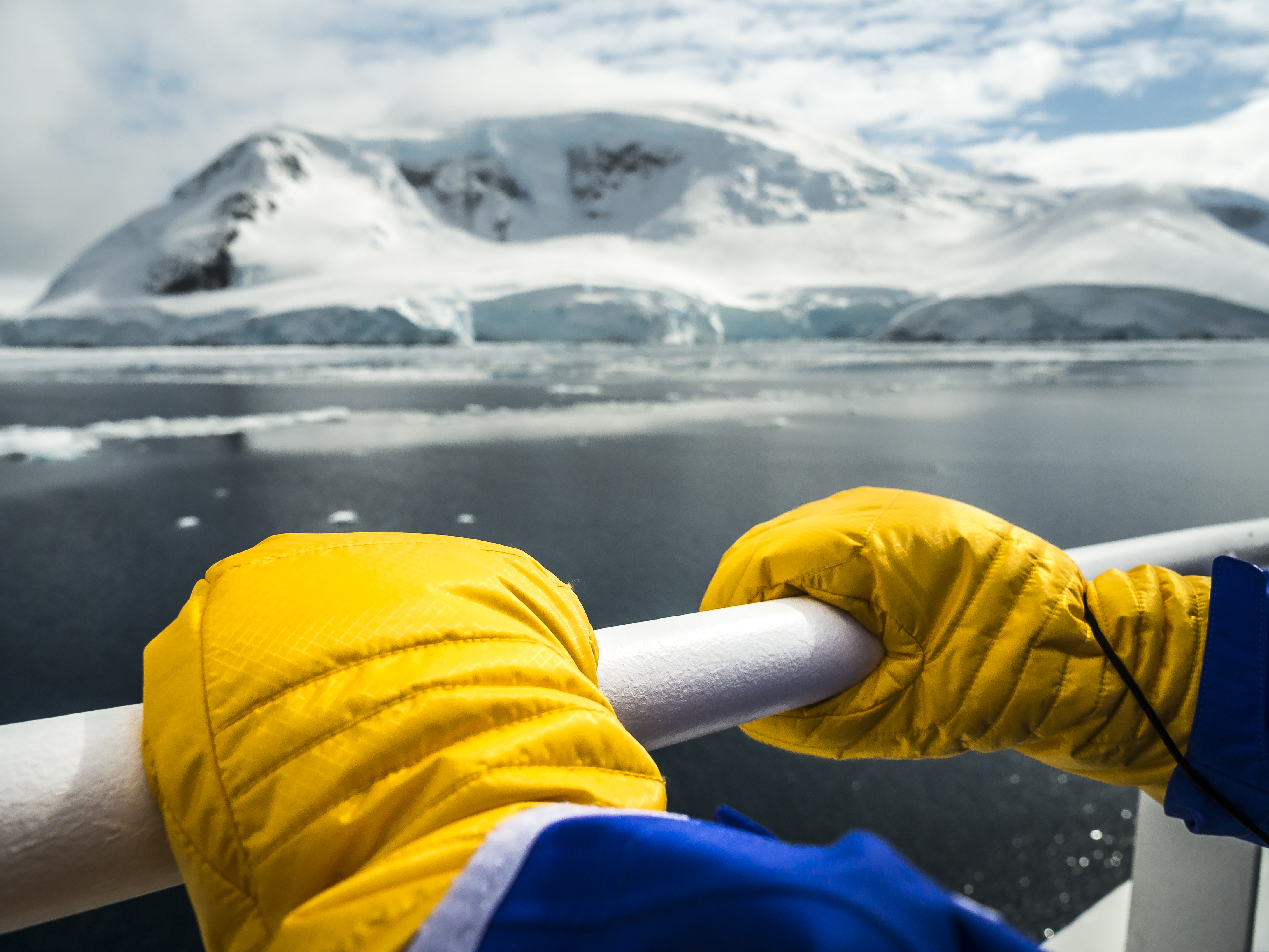
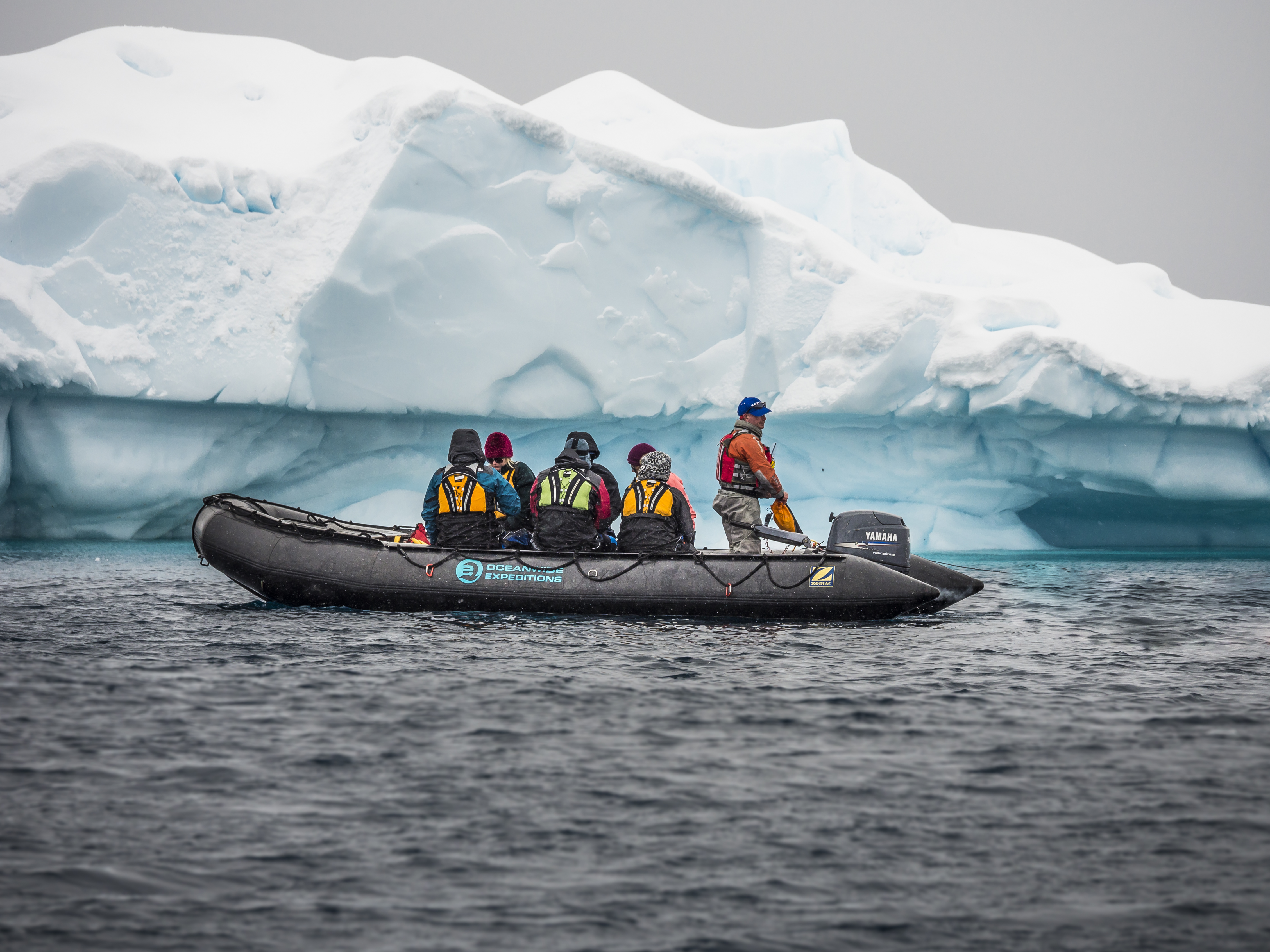
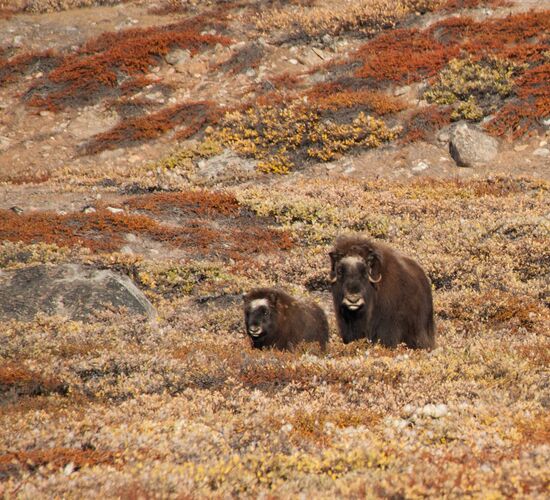
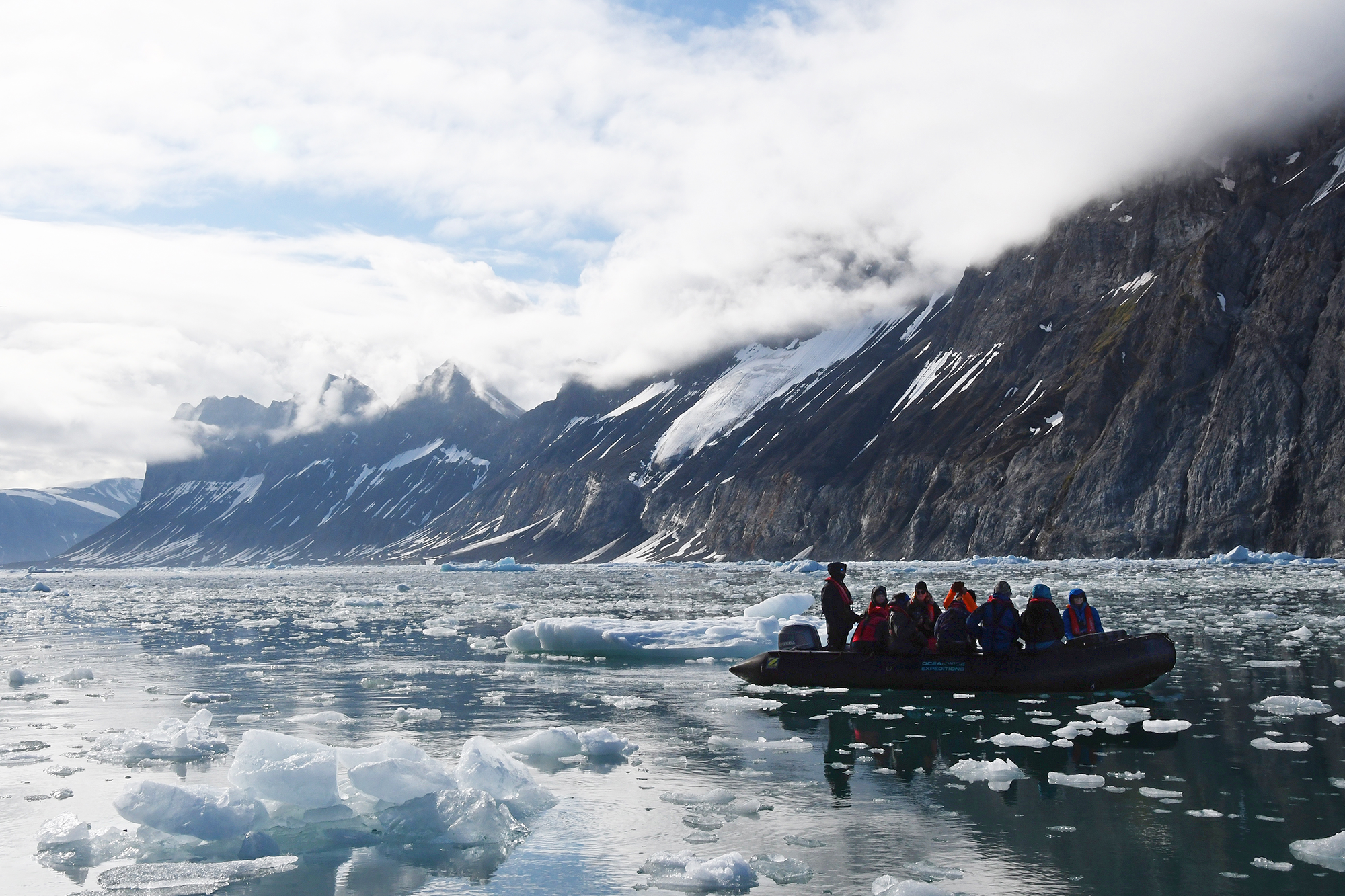
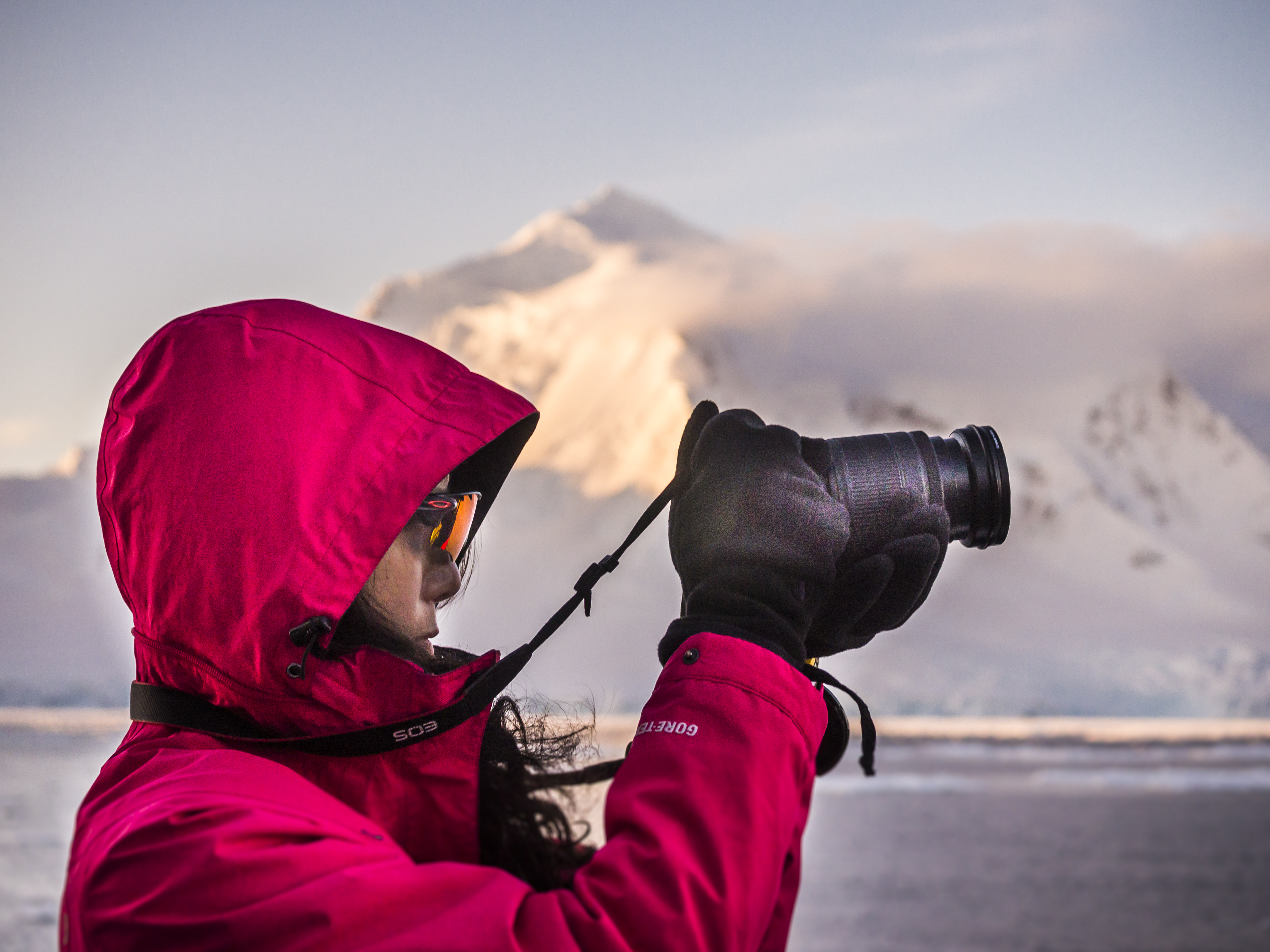
These pictures provide a general impression of our local partner and the surrounding area. Please note that selected tour may differ from these pictures.
All Reviews of Oceanwide Expeditions
●●●●● 4.6 of 5 Stars (160 Reviews) on
Help us and submit a new review
Please select between 1 to 5 to review the operator* ○○○○○
All prices per person in double or multi-bed category. Single room surcharges, children's price advantages etc. on request.
Fixed travel dates, additional days on demand.
Fixed travel dates, additional days on demand.