62.350510648961
12.5429254
326
Ultimate Antarctic Circle Crossing
A 15 day expedition from Ushuaia to Ushuaia with time for landings, Zodiac outings and the crossing of the Antarctic Circle.
On this 15 days/13 nights on board journey you travel from Ushuaia to Ushuaia on a route that reaches the Antarctic Circle at 66°33′ South. Along the way you explore the South Shetland Islands, spend several days deep in the Antarctic region and return via the Antarctic Peninsula.
Tour ID: 1830784 in Antarctica, South Shetland Islands, Antarctic Peninsula ●●●●◐ 98 Reviews
1 days / 0 nights
Expedition ship
Premium hotel night in Ushuaia
Drake Passage with polar expert lectures and Citizen Science
Zodiac and kayaking exploration
South Shetland Islands with penguins and seals
Crossing the Antarctic Circle at 66°33′S
Antarctic Peninsula bays channels and research stations

Ultimate Antarctic Circle Crossing: Itinerary
Day 1: Arrival in Ushuaia
After arriving at the airport, you will be met and transferred to one of the partnered premium hotel resorts set in Patagonian surroundings. After check in, you have time to rest from your journey or to explore Ushuaia independently, known as the southernmost city in the world. Depending on your interests, you might take a walk along the waterfront, visit a small museum, or simply get a first sense of the mountain landscape that frames the town. In the evening, an optional briefing is offered, giving you the chance to ask questions and meet fellow travelers. Overnight is at the hotel in Ushuaia.
Day 2: Embarkation
Your morning is free in Ushuaia. You may choose to relax at the hotel, browse local shops, or visit a museum before the group transfer to the ship in mid afternoon. On board, the Expedition Team and ship staff welcome you, help you settle into your cabin and provide a safety and orientation briefing so that procedures and expectations are clear. The day continues with the Captain’s welcome dinner. After departure, the ship begins its southbound voyage toward Antarctica, and the focus shifts from land based travel to life at sea.
All pictures of this partner


Day 3: Drake Passage
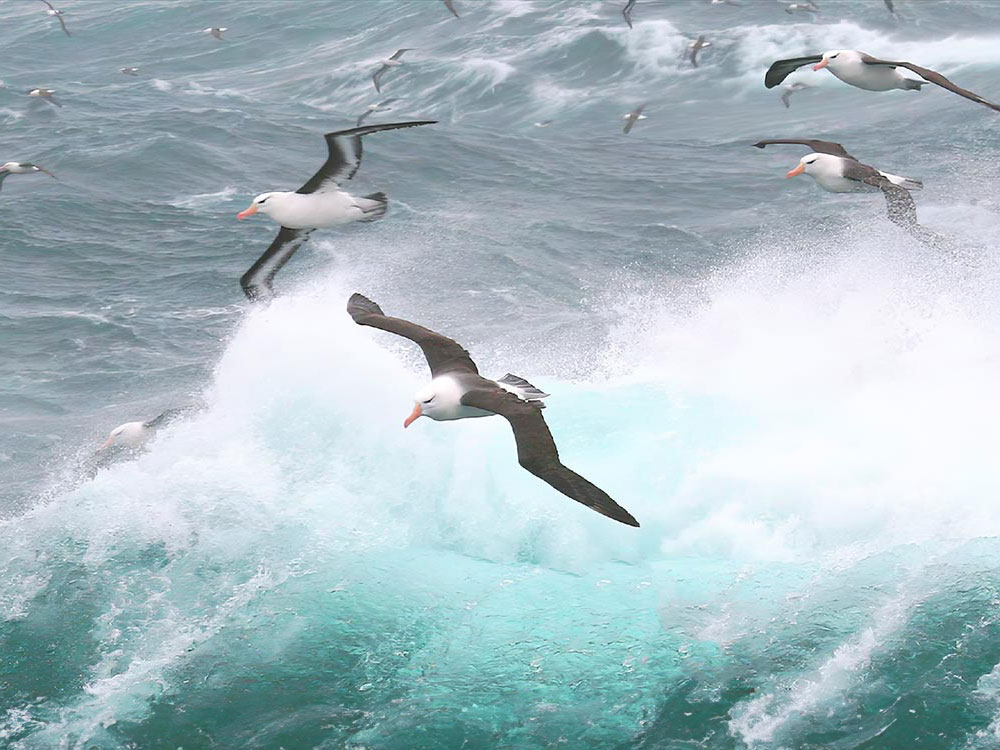
Today you begin crossing the Drake Passage, the classic sea route toward Antarctica. As the ship heads south, the onboard program helps you prepare and place the journey into context: polar experts share knowledge about Antarctic wildlife and the region’s exploration history. If you wish, you can take part in the Citizen Science program and contribute observations, or simply use the day to experience this well known crossing at your own pace. Keep binoculars close, as seabirds often accompany the ship for long stretches. As you approach the Antarctic Convergence, changes in temperature and conditions become noticeable, a clear sign that Antarctic waters are near.
Day 4: Drake Passage
A second day at sea continues the transition into the Antarctic region. Talks and informal discussions with the Expedition Team typically continue, often paired with guidance on seabird identification and on what to expect during landings and Zodiac operations. The crew may also review practical and safety procedures to ensure smooth routines once the expedition activities begin. As the ship moves across the Convergence, the air and sea often feel distinctly different, and with favorable conditions, early ice forms may appear on the horizon. For many travelers, the first iceberg sighting is a defining moment that signals the approach to the Antarctic. The evening offers time to reflect on deck or in the ship’s shared spaces.
Day 5: South Shetland Islands
The South Shetland Islands are shaped by volcanic activity, resulting in geology that stands out even within the Antarctic context. Snow covered slopes, exposed dark rock and glaciated ridges create strong contrasts. Wildlife is often abundant, with Chinstrap and Gentoo penguins commonly seen, and Elephant and Fur seals frequently found near the shoreline. Whales are also regularly spotted in these waters. The day is largely dedicated to exploration, typically by Zodiac and, when conditions allow, by kayak. Whether you are on land or on the water, this is an immersive introduction to the landscapes and wildlife of the Antarctic region.
Day 6: Southbound toward the Antarctic Circle
Heading south across the Bransfield Strait, the outline of the Antarctic Peninsula becomes increasingly clear. Wildlife encounters often become more frequent, including penguins, whales and fur seals, and the number of sculptural icebergs tends to increase as well. With extra time built into the itinerary, the expedition can take advantage of opportunities for landings and Zodiac cruises, commonly planned twice daily when weather and ice permit. Site choices remain flexible, allowing the team to respond to conditions while prioritizing safety and environmental care. This day helps establish the expedition rhythm and sets the stage for the more southerly part of the voyage.
Day 7: Peninsula exploration and historic sites
Over the next days, the focus can include both natural scenery and traces of human history. Depending on conditions, visits may include historic locations such as the huts at Damoy Point. At the same time, there is continued emphasis on wildlife rich bays and coastal areas where animals often gather near the water. In places like Wilhelmina Bay, the team may keep watch for humpback whales. Zodiac cruising allows close viewing of ice formations and shoreline features, while landings provide opportunities to observe penguin colonies from appropriate distances and to experience the terrain on foot. Daily plans remain adaptable, as wind, weather and ice strongly influence operations in this region.
Day 8: Lemaire Channel and southern latitudes
A potential highlight of this section is the passage through the Lemaire Channel, known for narrow waterways and a striking backdrop of steep slopes and ice. The transit depends on conditions, but is included whenever feasible. Landings and Zodiac outings continue, offering different perspectives on the coast and on the ice. Wildlife sightings remain a constant possibility, though they vary by location and time of day. The ship’s progress also brings the expedition closer to its key geographic goal: the Antarctic Circle. The Expedition Team provides context on the significance of this latitude and outlines what to expect if conditions allow the crossing.
Day 9: Crossing the Antarctic Circle
Weather and ice permitting, today the ship crosses the Antarctic Circle at 66°33′ South. Reaching this latitude is a rare milestone and marks the southernmost point of the voyage. On board, the moment is observed with a tradition linked to long standing seafaring customs, with details kept for those who are there to experience it. The route may then continue toward a selection of historic and less visited sites, including remote British Survey bases when appropriate and feasible. Afterward, the ship turns north. Outings and landings remain part of the day whenever conditions allow, making full use of time in these southern waters.
Day 10: Antarctic Peninsula on the return north
As the ship heads north, exploration of the Antarctic Peninsula continues. The region offers a wide range of bays and well known landing sites, selected according to weather and ice. The ship navigates channels and rugged coastlines through waters known for wildlife, with penguins, seals and whales often visible from the deck as well as during Zodiac cruises. Landings provide a chance to experience the landscape directly and to observe wildlife in a controlled and respectful way. Throughout, the Expedition Team maintains a steady pace and ensures that guidelines for operating in this sensitive environment are followed.
Day 11: Research stations and coastal landscapes
Depending on the route, there are often opportunities to visit active scientific stations or historic landing sites, offering insight into present day research and the history of Antarctic travel. Between landings, the ship continues through scenic stretches where icebergs, glacier fronts and open water create constantly changing views. Outings remain scheduled around conditions, with flexibility built in. On board, the team may deepen the context through talks on ecology, geology and the species encountered. This combination of field time and interpretation supports an expedition style experience without rushing the pace.
Day 12: Final day in Antarctic waters
The last full day in the Antarctic is used for additional bays, channels or landing sites as conditions permit. Late in the voyage, light and weather can shift quickly, often giving the landscape a clear, defined character. Wildlife viewing remains possible both on shore and from the water. At the same time, preparations for the return journey begin on board: equipment is organized, disembarkation information is shared and the Expedition Team helps summarize the key observations of the past days. In the evening, the ship sets course for the Drake Passage, marking the transition out of the Antarctic region.
Day 13: Drake Passage
Leaving Antarctica behind, the ship begins the northbound crossing of the Drake Passage. Life on board shifts back toward indoor spaces, though deck time remains possible depending on conditions. Lectures, discussions and Citizen Science related activities may continue, and many guests use the sea days to sort notes or review photographs. Crossing the Antarctic Convergence again often brings noticeable changes in temperature and sea state. Seabirds frequently accompany the ship on the return as well, and with luck, marine mammals may be seen at a distance. The day functions as a gradual transition back toward sub Antarctic waters.
Day 14: Drake Passage and expedition conclusion
The final day at sea is dedicated to closing the expedition. As the ship continues toward South America, there is time for last observations and for conversations with the Expedition Team. The voyage traditionally concludes with a special slideshow that reviews key locations and moments, followed by a final shared meal. Practical information for arrival in Ushuaia is also provided so that the next morning’s disembarkation runs smoothly. Many guests use the evening to say goodbye to fellow travelers and to reflect on the journey during the last hours on board.
Day 15: Disembarkation in Ushuaia
In the morning you arrive back in Ushuaia and disembark. From here you can continue to the airport for onward travel, for example a flight to Buenos Aires, or you may choose to stay in Ushuaia independently for additional time. The travel package ends with disembarkation.
Additional Information for Expedition Cruises: The itinerary and route described are provided as examples only and may be adjusted or changed at any time due to weather, ice and tidal conditions, as well as for safety reasons. Specific landing sites, locations or route sections therefore cannot be guaranteed. The captain and expedition leader will make all final decisions regarding the route, landings and daily programme on site. Wildlife sightings cannot be guaranteed. Landings and Zodiac excursions depend on local conditions and regulatory requirements. Optional activities have very limited availability; we recommend booking them well in advance, often weeks or months before departure, as they may be fully booked by the time of travel; their operation depends on weather, ice and safety conditions as well as minimum participation. Polar regions are remote and dynamic natural environments, therefore programme changes or delays may occur.


.jpg)
.jpg)
.jpg)
.jpg)


.jpg)
.jpg)


.jpg)
.jpg)


.jpg)


These pictures provide a general impression of our local partner and the surrounding area. Please note that selected tour may differ from these pictures.
All Reviews of Polar Latitudes
●●●●○ 4.0 of 5 Stars (12 Reviews) on Tripadvisor●●●●◐ 4.3 of 5 Stars (86 Reviews) on Google
Help us and submit a new review
Please select between 1 to 5 to review the operator* ○○○○○
All prices per person in double or multi-bed category. Single room surcharges, children's price advantages etc. on request.
Fixed travel dates, additional days on demand.
Fixed travel dates, additional days on demand.