62.350510648961
12.5429254
326
Total Eclipse and Greenland
An expedition cruise from Reykjavík to Kangerlussuaq along East and South Greenland, centered on the total solar eclipse.
On this 13 days/12 nights voyage aboard Ocean Albatros, Arctic coastlines, Inuit culture, and the key moment of the total solar eclipse off the Blosseville Coast come together in a calm, expedition style journey. Between fjords, glaciers, and small settlements, you experience Greenland up close, supported by onboard briefings, Zodiac landings, and time for kayaking, photography, and citizen science.
Tour ID: 1830787 Greenland, Iceland, Arctic ●●●●◐ 98 Reviews
13 days / 12 nights
Expedition ship
Total solar eclipse off East Greenland
Blosseville Coast with possible landing
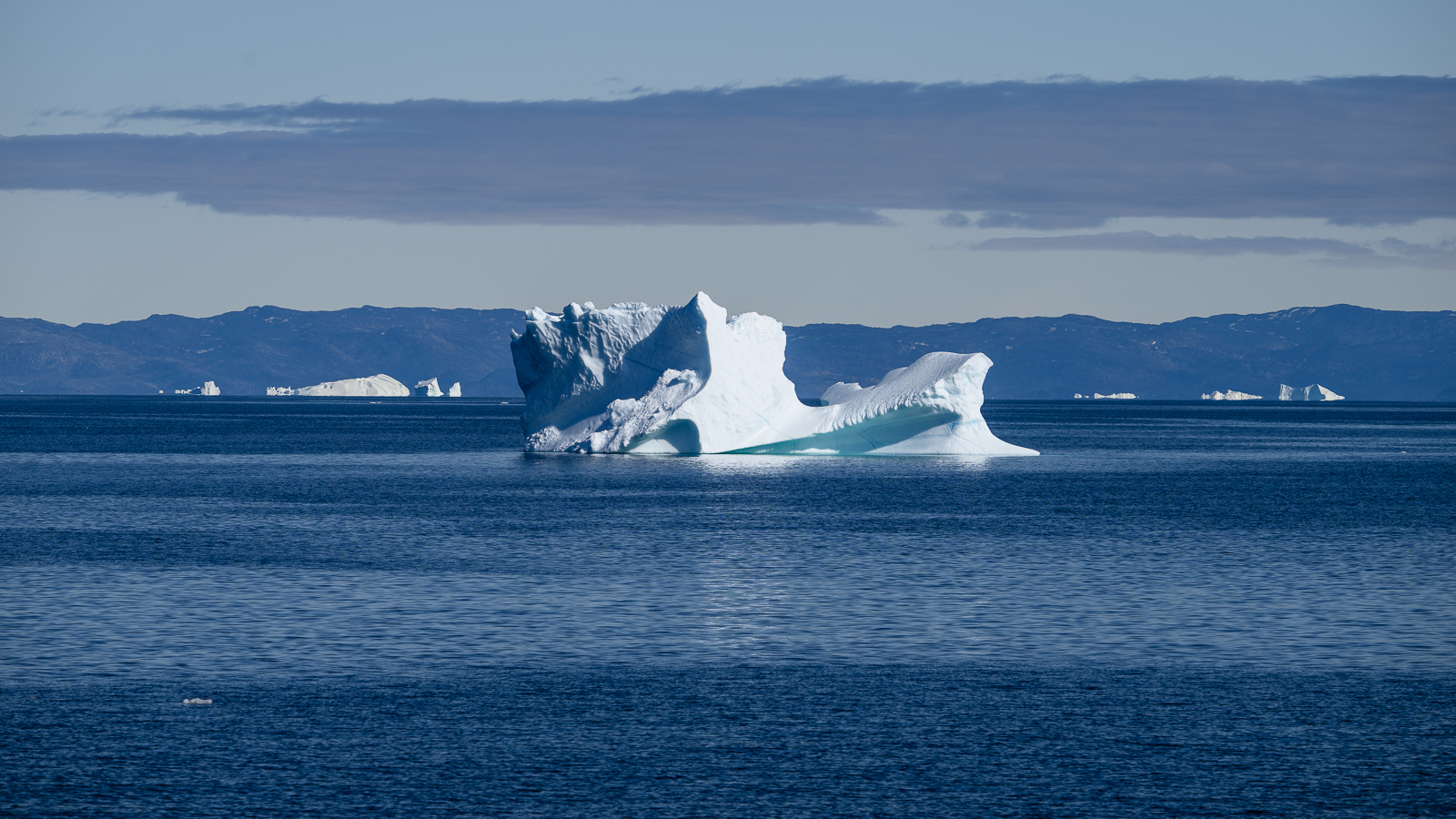
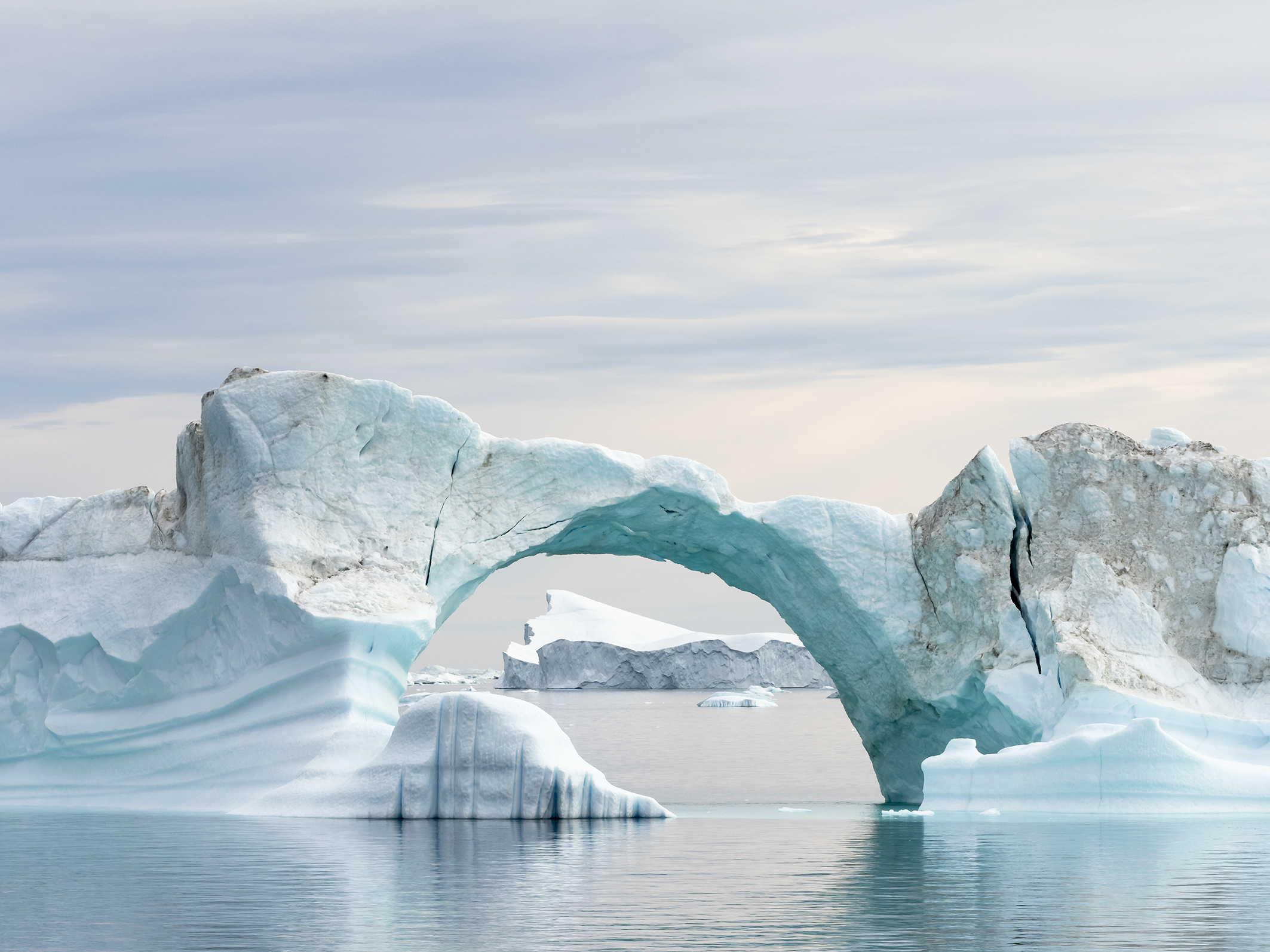
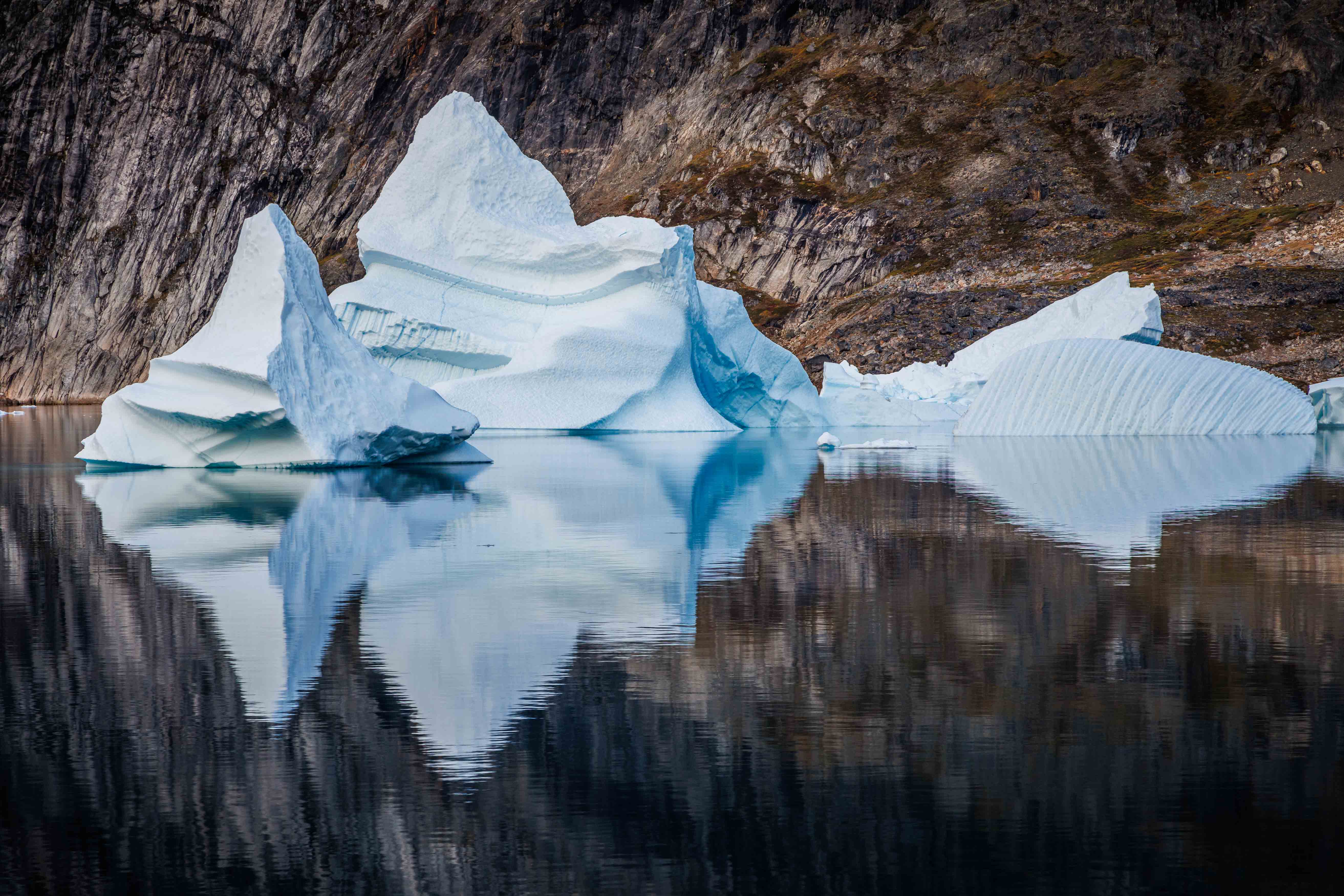
Prins Christian Sund with icebergs
Nuuk and Greenlandic culture
Fjord of Eternity with glaciers
Kayaking photography citizen science

Total Eclipse and Greenland: The itinerary
Day 1: Embarkation in Reykjavík
Reykjavík is a compact capital with a clear Nordic character, shaped by contemporary architecture, museums, and a strong food scene. Hallgrímskirkja rises above the city and is a natural landmark before you head to the harbor. Your journey begins with embarkation and the first onboard procedures, including safety briefings and practical information about life at sea. After settling into your cabin, there is time to get oriented on the ship and to understand the overall expedition rhythm. In the evening, Ocean Albatros departs Reykjavík and sets course for East Greenland, aiming to reach the zone of totality in good time.
Day 2: At sea, crossing the Denmark Strait
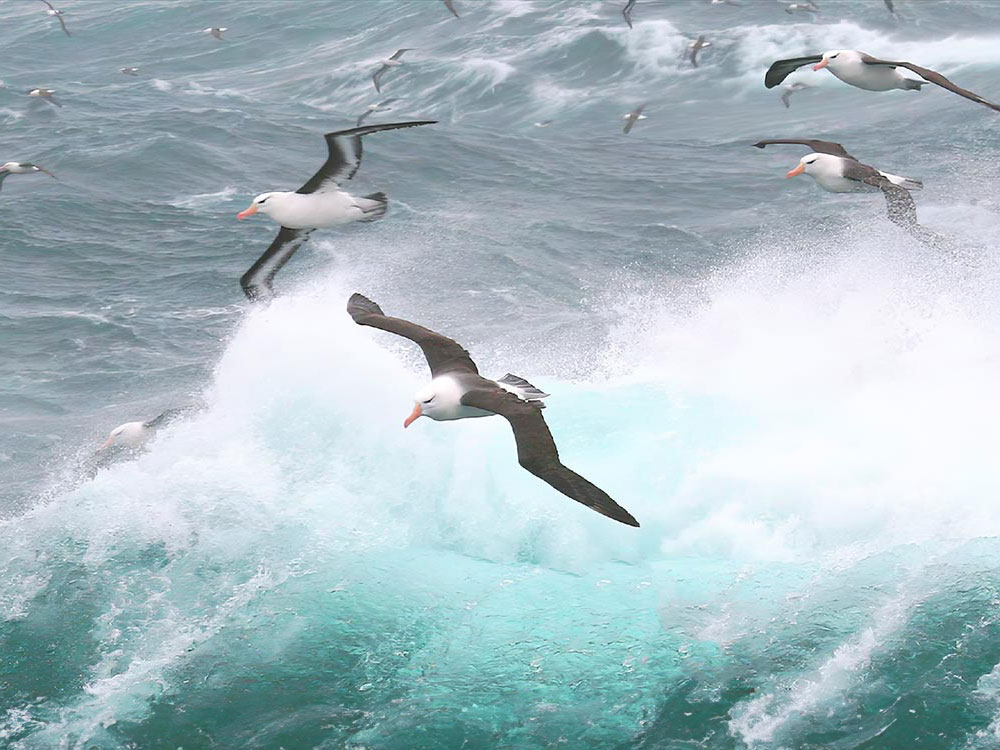
Today is dedicated to the Denmark Strait, the stretch of water separating Iceland and Greenland, known for changeable conditions and strong ocean dynamics. It is also a productive marine area, so time on deck can be rewarding for wildlife watching. Onboard experts provide guidance on how to view the eclipse safely, explaining protective measures and what to expect during the different phases. Additional talks and briefings introduce the ecology, geology, and wildlife of the regions ahead. The expedition team also prepares guests for Zodiac operations and outlines key safety routines, including guidance relevant to travel in areas where polar bears may occur.
All pictures of this partner


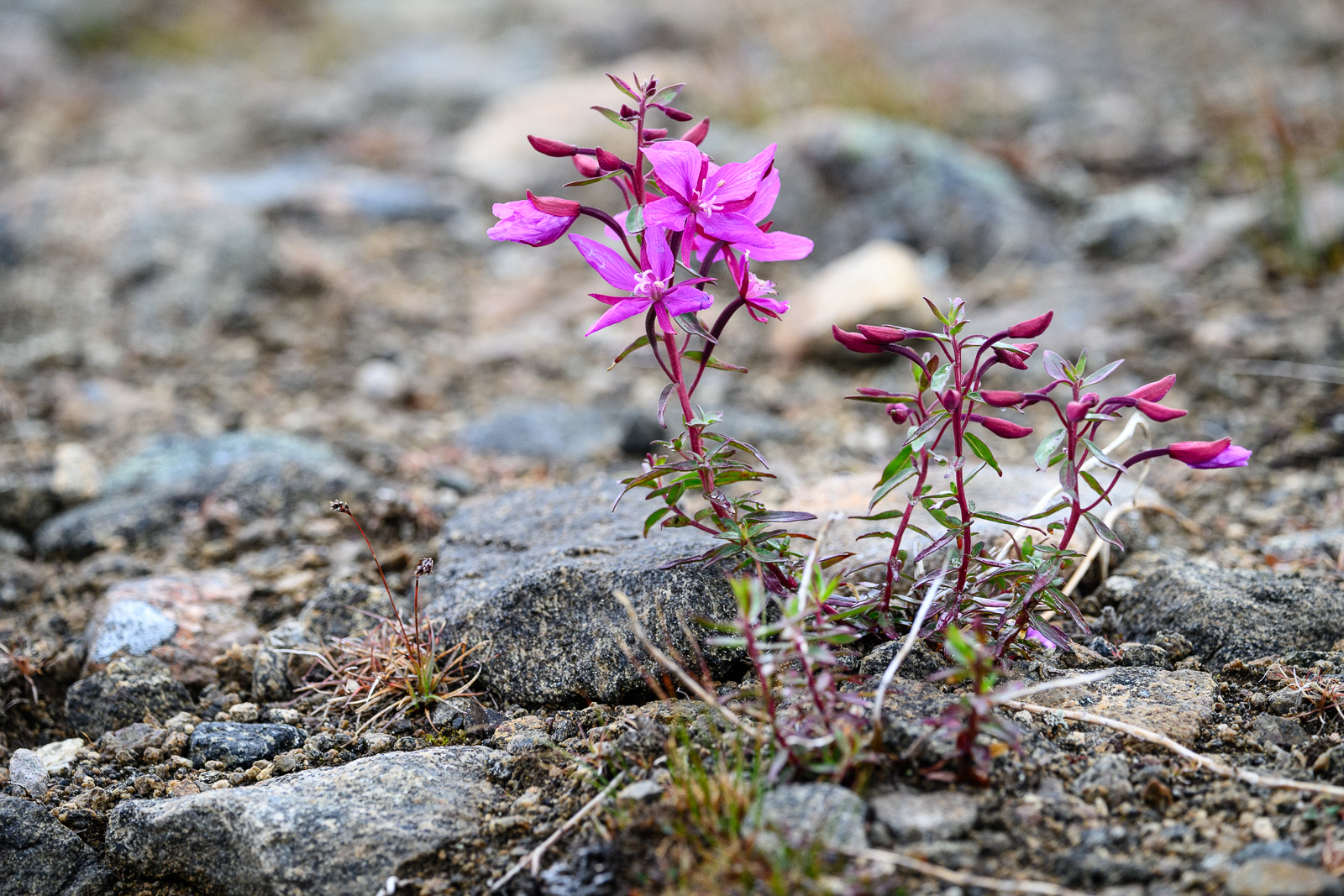
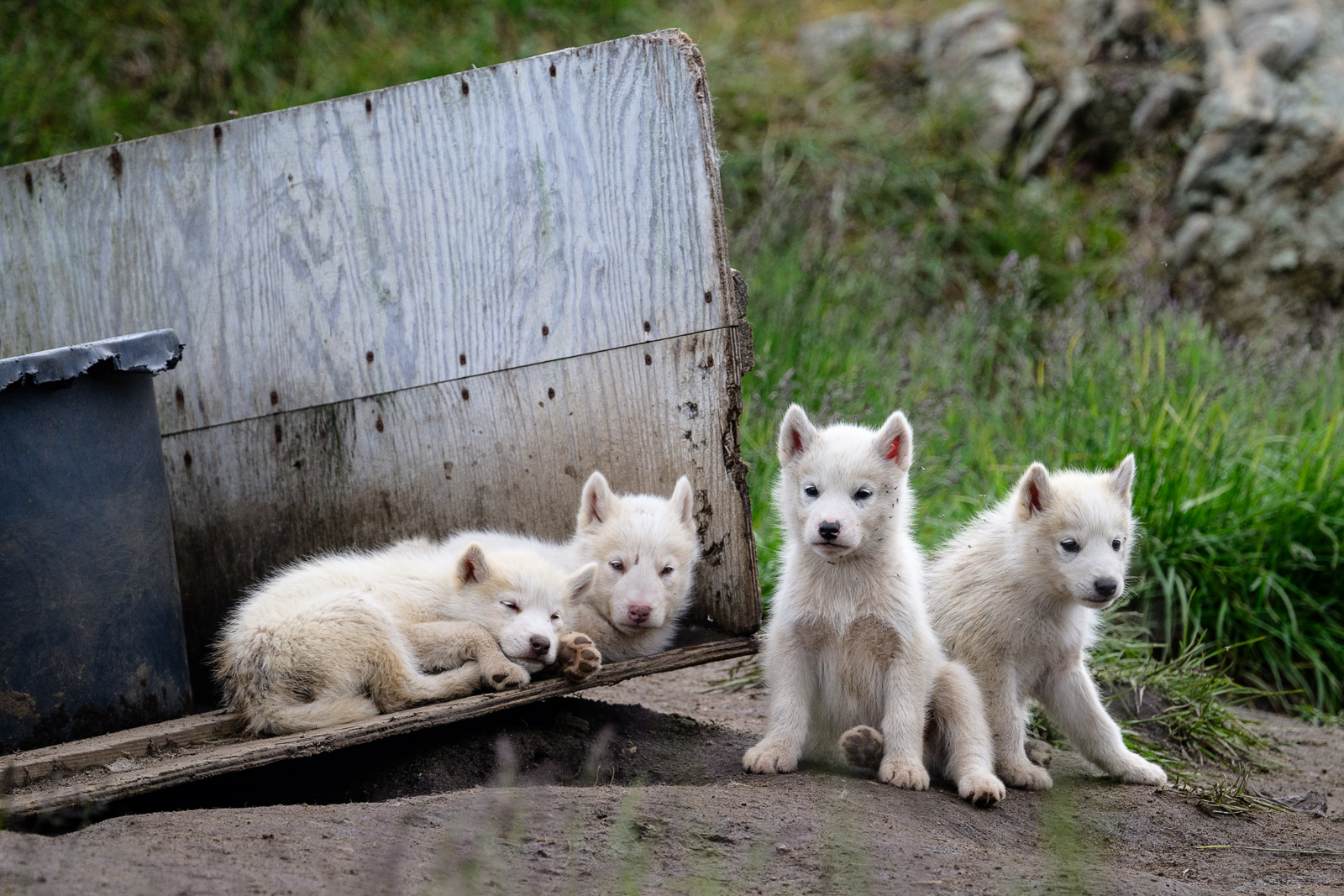
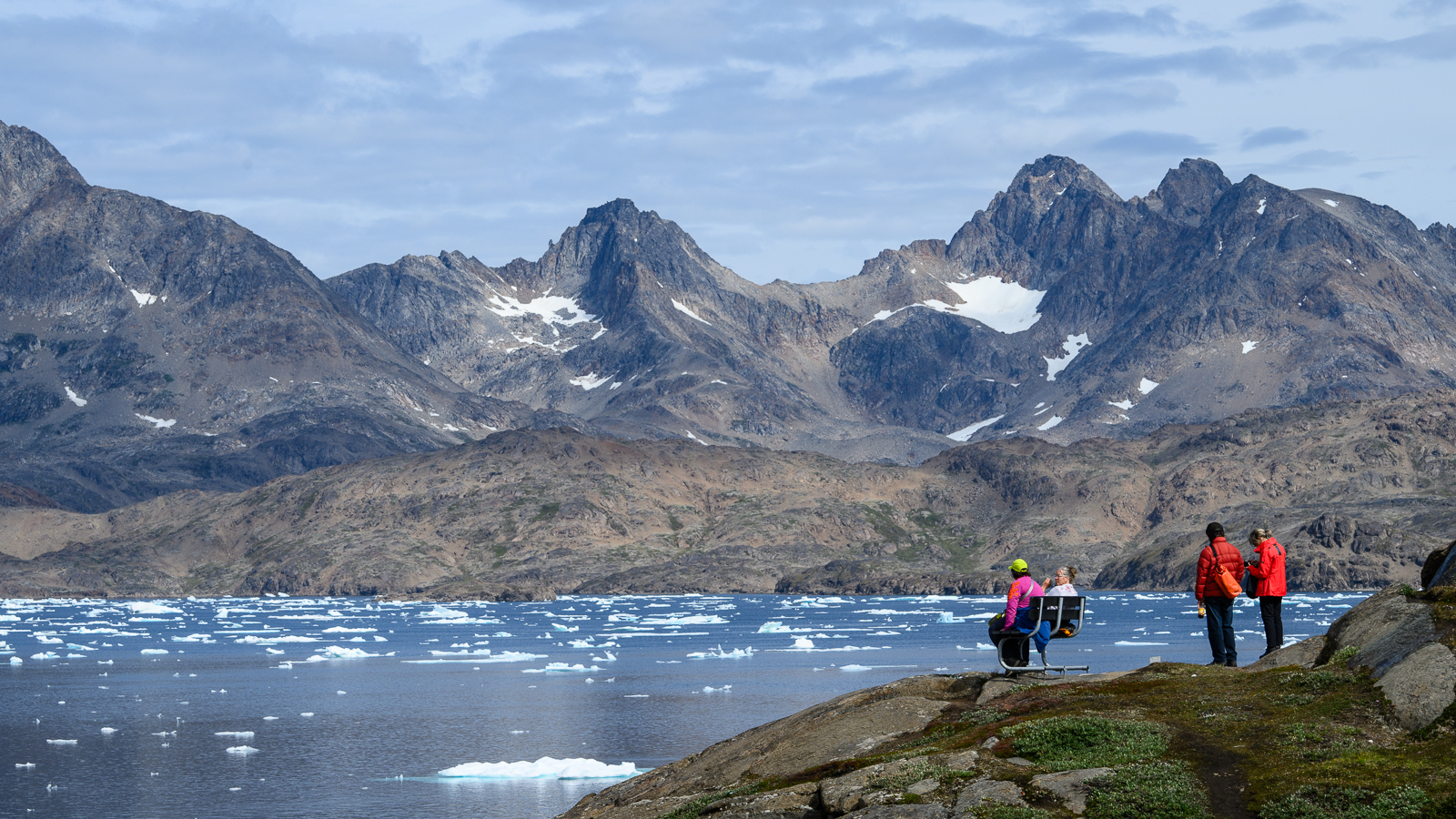

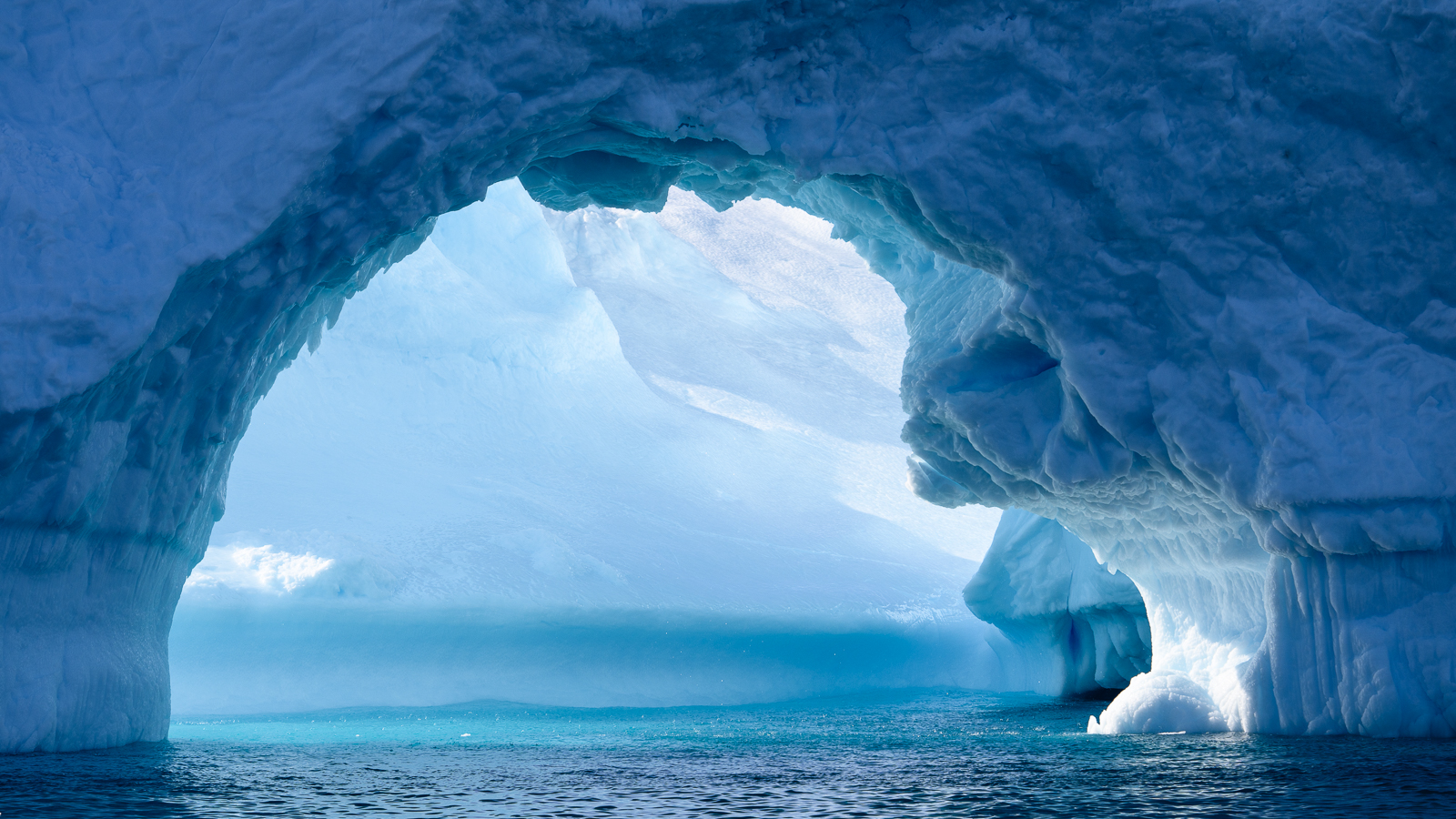
.jpg)
Day 3: Eclipse Day, East Greenland
In the morning, Ocean Albatros approaches the Blosseville Coast, a remote and historically challenging section of East Greenland. The ship positions at suitable vantage points beneath the eclipse center line, with clear southwestern views to support observation conditions. Depending on local circumstances, guests go ashore by Zodiac to prepare for the event and to allow space for viewing and photography. At 16:37 the partial eclipse begins, building steadily toward totality at 17:37, when daylight drops noticeably across the landscape. Totality ends at 17:40 with the Diamond Ring effect, and the eclipse concludes at 18:33 as the moon’s shadow moves on. After returning to the ship, the day closes with a gala dinner.
Day 4: Along the Blosseville Coast
The voyage continues south along Greenland’s Blosseville Coast. The landscape here reflects volcanic processes that shaped the region around 50 million years ago, visible in steep coastal sections and distinctive rock formations. The area was surveyed by explorer Ejnar Mikkelsen, and it also belongs to a wider coastal space long navigated by Inuit communities. If sea ice and weather allow, a landing may be possible in this now uninhabited region. As with all expedition travel in the Arctic, the plan remains flexible and is adapted to local conditions.
Day 5: Tasiilaq, East Greenland
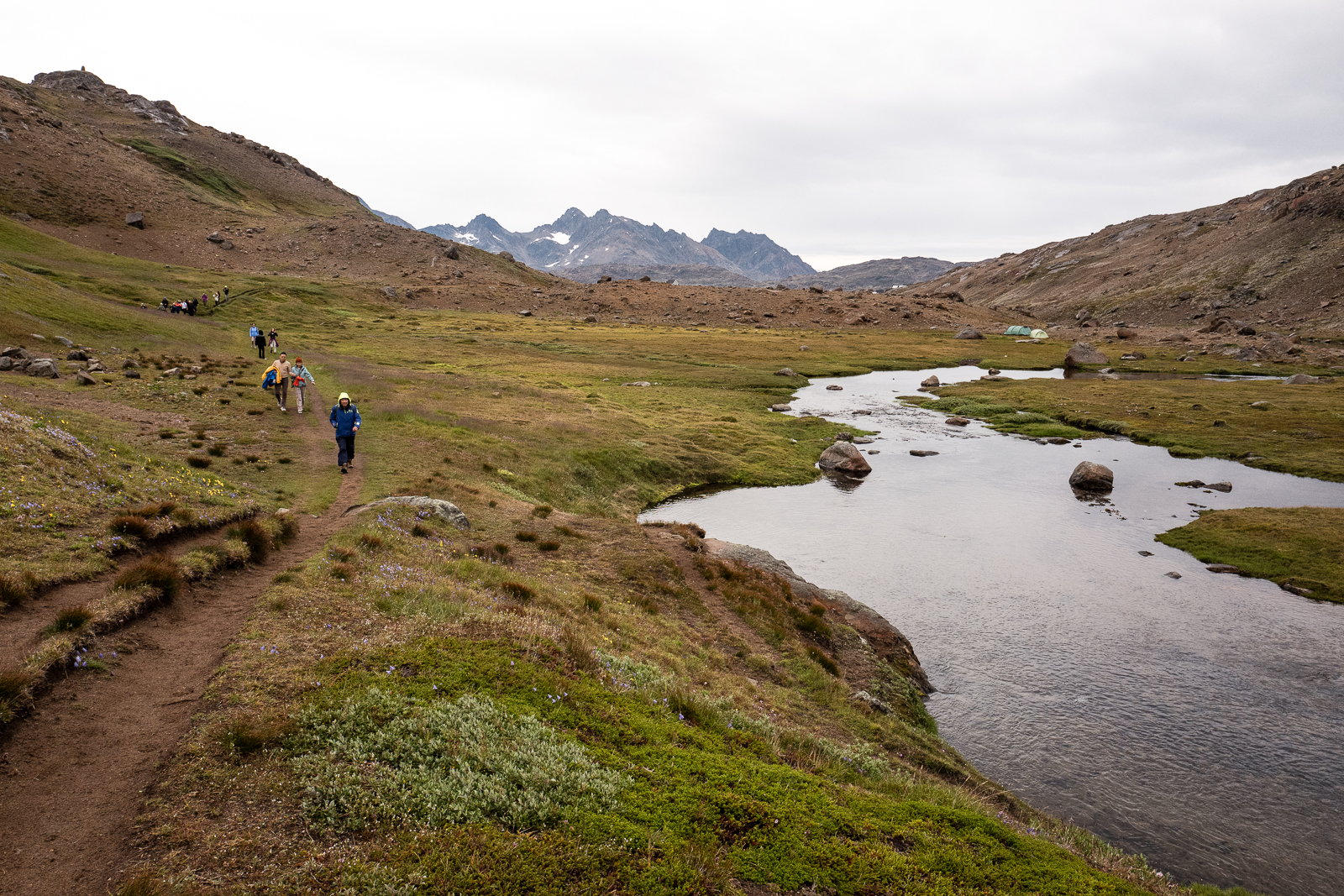
Tasiilaq is the largest settlement in East Greenland, located on rugged Ammassalik Island amid mountains and fjords. Founded as a trading post in 1894, it remained largely outside direct European contact until then, helping preserve the distinct culture of the Tunumiit people. Tasiilaq is also linked to stories of Greenland’s last shamans and is known as the origin of the tupilak, once feared as a magical creature and now widely recognized as an art form. Time ashore offers insight into local life, crafts, and cultural expression such as drum dancing. With owners’ permission, you may also see sled dogs. Depending on timing, there is the option to walk through tundra meadows and visit the well known Stunk Artist’s Workshop.
Day 6: Skjoldungen, Saqqisikuik
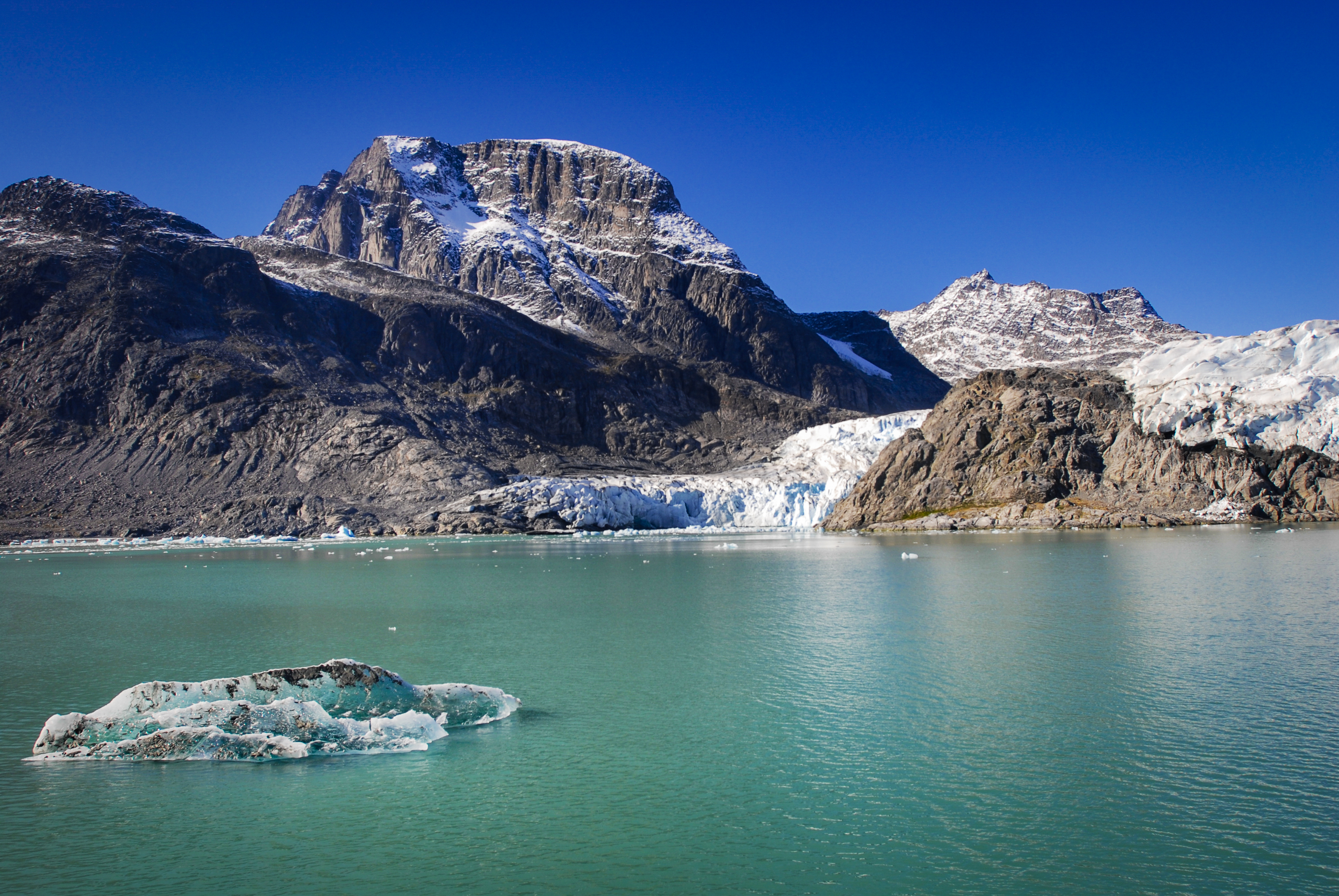
Today you explore Skjoldungen, known locally as Saqqisikuik, on Greenland’s southeast coast. This fjord area was visited by Inuit and briefly settled in the twentieth century, but it is now remote and uninhabited. High peaks frame the fjord and give a strong sense of scale, especially in clear conditions. Key features include Thryms Glacier and the valley of Dronning Marie Dal, where ice, rock, and open terrain meet. Weather and ice conditions determine whether a landing is possible or whether the day is spent cruising near the glacier fronts. The schedule remains adaptable, reflecting the realities of travel in this part of Greenland.
Day 7: Prins Christian Sund and Aappilattoq
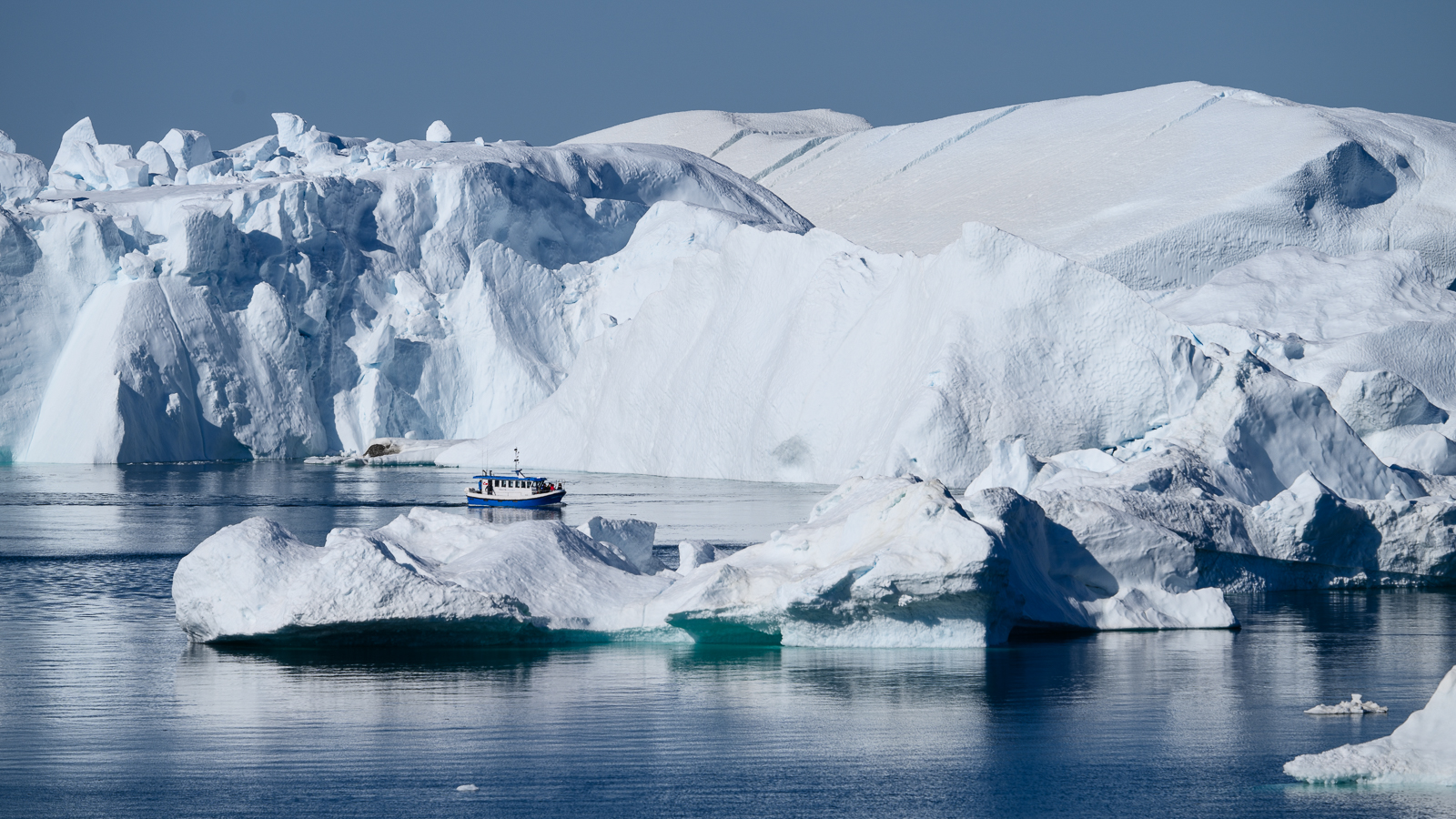
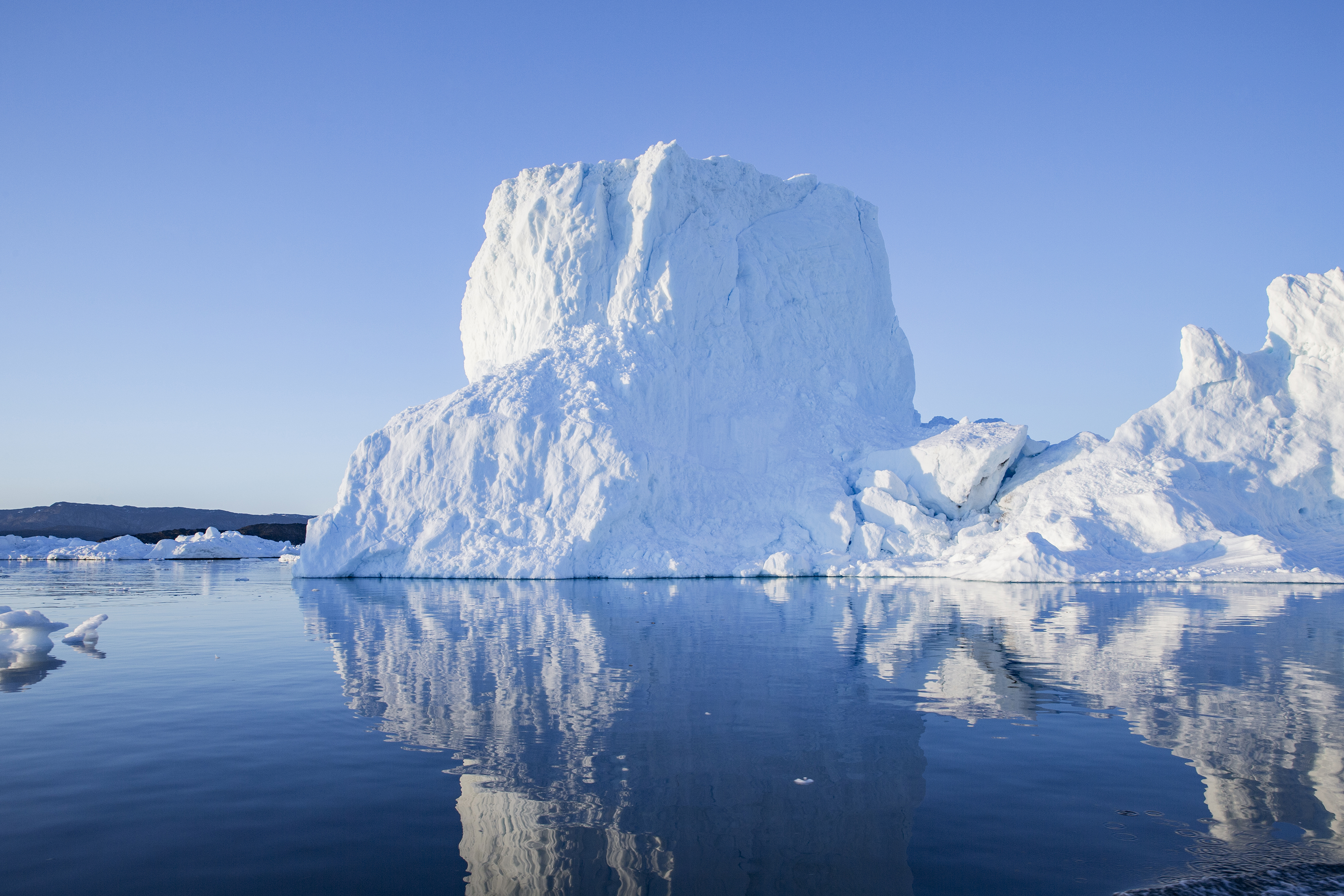
In the morning, the ship enters Prins Christian Sund, a roughly 60 kilometer strait linking East and West Greenland. Icebergs are common here, and the passage is framed by mountains, glaciers, and valleys, giving the transit a clear and structured landscape character. It is also a good opportunity to observe how ice and currents shape navigation in narrow Arctic waterways. By afternoon you reach Aappilattoq, a small and remote village beneath granite cliffs. The community is known for a traditional way of life and offers possibilities for short hikes in the surrounding terrain. Aappilattoq is also recognized for its local choir, which holds a special place in the region.
Day 8: Tasermiut and Uunartoq
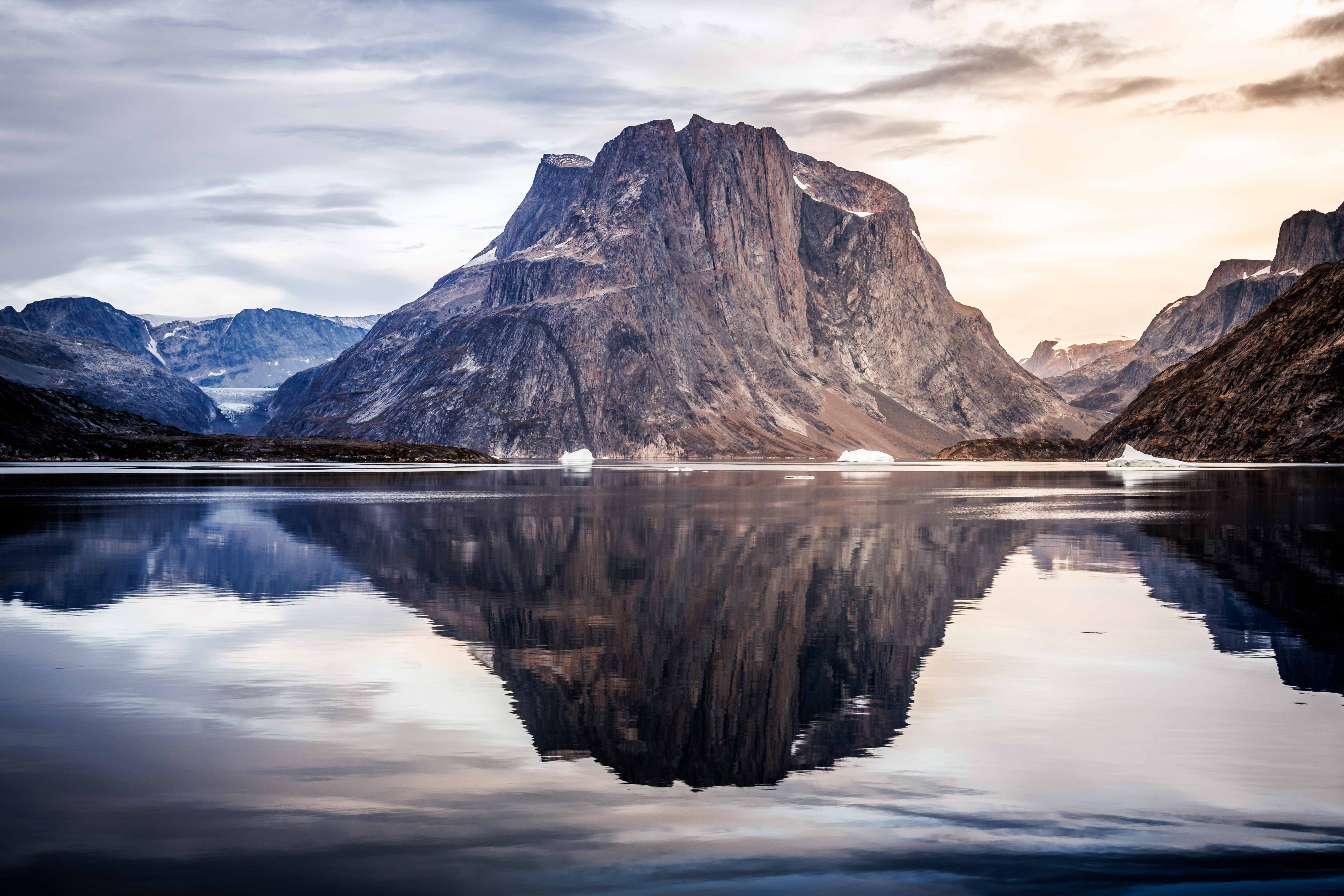
Tasermiut Fjord is known for towering granite walls and relatively fertile valleys. Norse settlers once referred to it as Ketil’s Fjord, and today it is associated with experienced climbers and hikers. From the ship, the fjord’s rock faces and depth are especially apparent as the route continues through the fjord system. Later, you sail to Uunartoq Island, where geothermal springs provide a clear contrast to the surrounding ice and sea. Here you can relax in warm water while icebergs may drift nearby. This is designed as a quieter segment within the expedition before the voyage turns toward the historically significant areas of South Greenland.
Day 9: Qassiarsuk and Itilleq Kujalleq
The ship cruises through Tunulliarfik Fjord to Qassiarsuk, a green settlement known for sheep farming and its strong connection to Norse history. Founded in 1924, the modern village stands on the site of Brattahlíð, Erik the Red’s farm from the tenth century. Tradition holds that his wife Thjodhild refused to share his bed until he built her a church, often described as the first church in the Americas. In the afternoon, you hike from Itilleq to Igaliku and visit the ruins of Garðar, once the seat of Norse power in Greenland. The day links landscape with historical context, focusing on traces of Norse settlement in an area that remains shaped by agriculture.
Day 10: At sea, en route to Nuuk
From South Greenland, the route turns north along a rugged coastline. Nearly all Greenlandic settlements lie on the west coast facing the Davis Strait, which helps frame today’s transit in a broader geographic context. Warm Atlantic currents enrich these waters, supporting marine life and attracting whales, seals, many seabirds, and human hunters. The sea day offers time for deck observation, onboard talks, and a chance to review the impressions of the previous days. It also serves as preparation for the visit to Nuuk.
Day 11: Nuuk, capital of Greenland
With around 20,000 residents, Nuuk is Greenland’s largest city and its political and cultural center. The area has been inhabited since about 2200 BC by Paleo Inuit groups, with later Norse presence adding further historical depth. Today, Nuuk combines tradition and contemporary life, with sites such as the Parliament and the National Museum, home to the Qilakitsoq mummies. The Katuaq cultural center, local art shops, and cafés contribute to a city atmosphere that is distinctly urban by Greenlandic standards. Locals sometimes refer to the city as Nuuk York, reflecting its special role within the country. Your time here provides insight into Greenland’s history, present day society, and cultural self understanding.
Day 12: Kangaamiut and the Fjord of Eternity
On the final full day, you arrive in Kangaamiut, a village where hunting, fishing, and weather conditions shape everyday routines. Guests can hike to viewpoints for broad panoramas and spend time observing the settlement’s setting. A cultural welcome is planned, featuring local crafts, food, and performance, offering a direct encounter with community life. In the afternoon, the expedition continues into Evighedsfjorden, the Fjord of Eternity, known for glaciers and dramatic bird cliffs. By Zodiac, you cruise deeper into the fjord to view glacier fronts and steep walls from close range. This section is planned as a landscape focused conclusion before disembarkation the next day.
Day 13: Disembarkation in Kangerlussuaq
The journey concludes with a sail up the approximately 160 kilometer Kangerlussuaq Fjord, followed by disembarkation by Zodiac in Kangerlussuaq. The town is less defined by cultural heritage and more by its Cold War era military roots and its role as a transport hub. At the same time, the surrounding wilderness has a clear and open character that highlights Greenland’s scale and natural setting. The tour package ends upon disembarkation in Kangerlussuaq.
Additional Information for Expedition Cruises: The itinerary and route described are provided as examples only and may be adjusted or changed at any time due to weather, ice and tidal conditions, as well as for safety reasons. Specific landing sites, locations or route sections therefore cannot be guaranteed. The captain and expedition leader will make all final decisions regarding the route, landings and daily programme on site. Wildlife sightings cannot be guaranteed. Landings and Zodiac excursions depend on local conditions and regulatory requirements. Optional activities have very limited availability; we recommend booking them well in advance, often weeks or months before departure, as they may be fully booked by the time of travel; their operation depends on weather, ice and safety conditions as well as minimum participation. Polar regions are remote and dynamic natural environments, therefore programme changes or delays may occur.






.jpg)
.jpg)
.jpg)
.jpg)















.jpg)
.jpg)




.jpg)
.jpg)

.jpg)
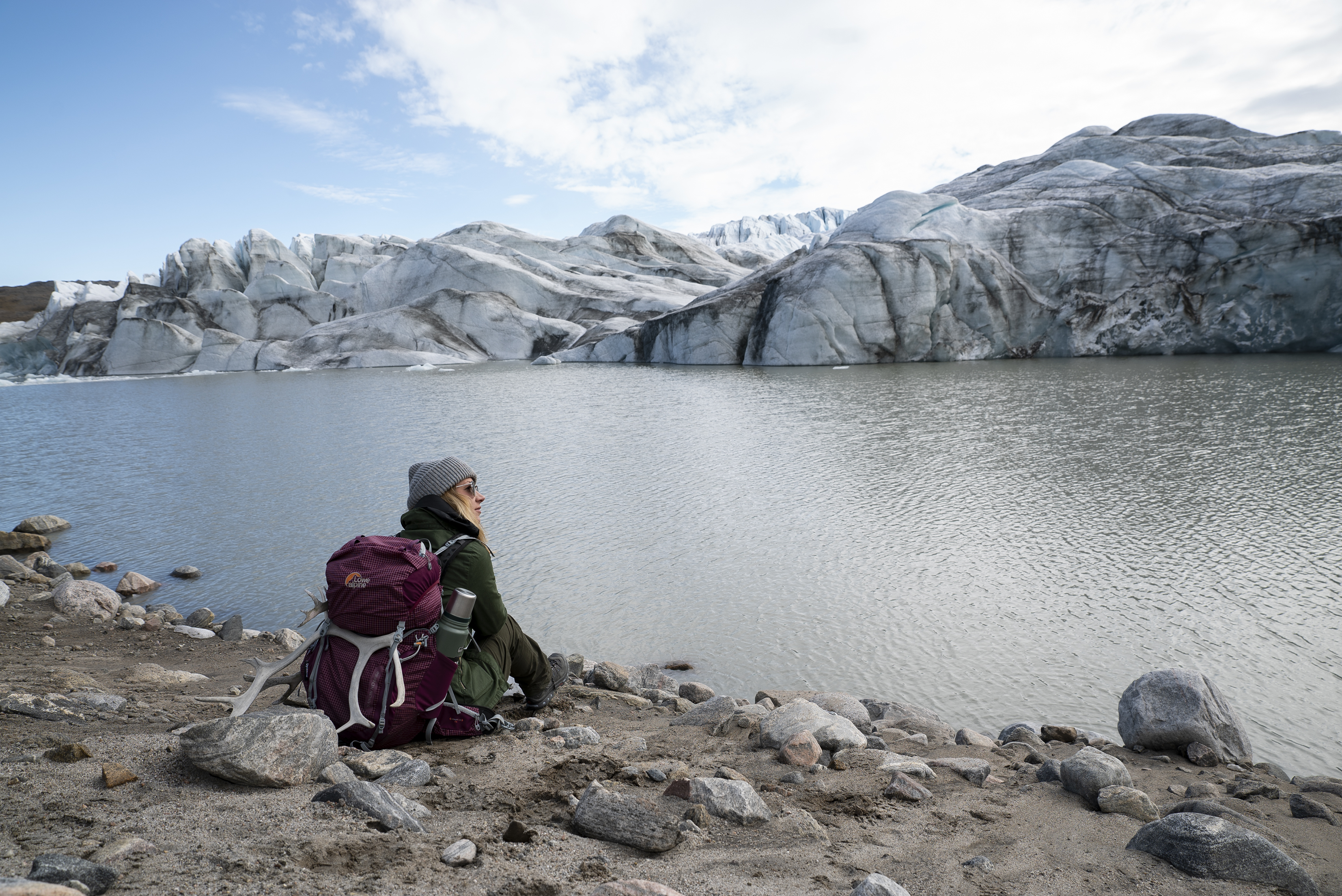

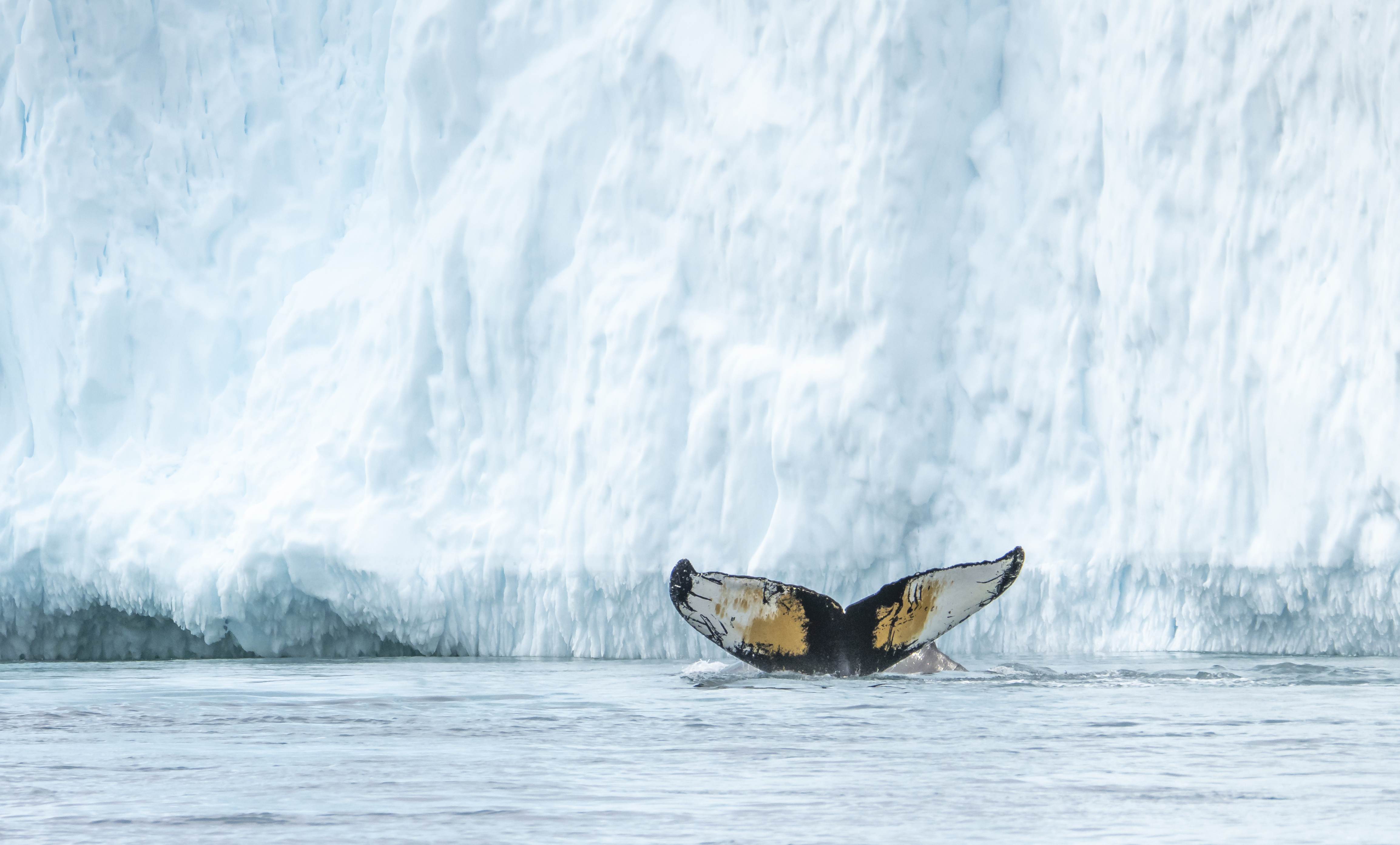
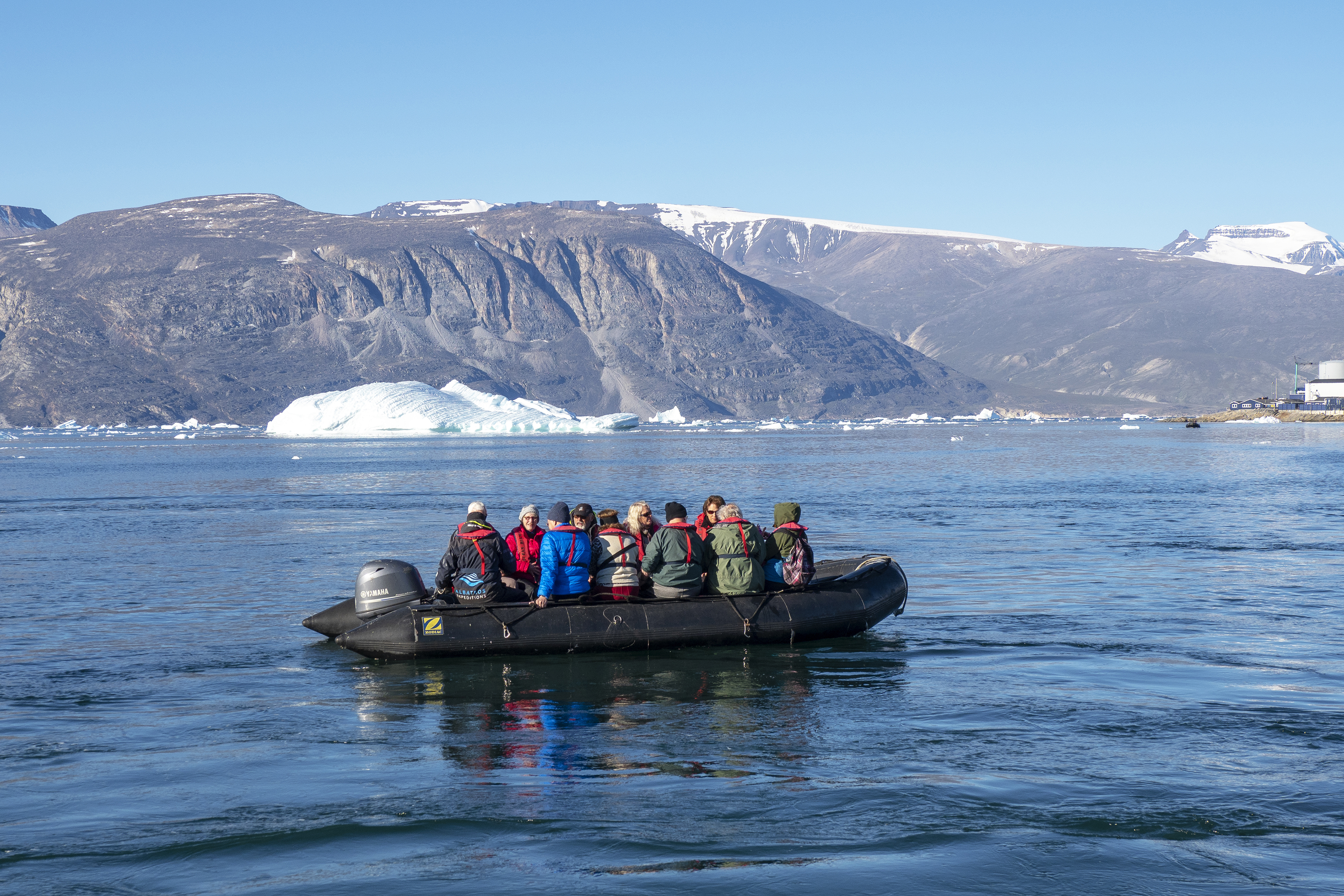
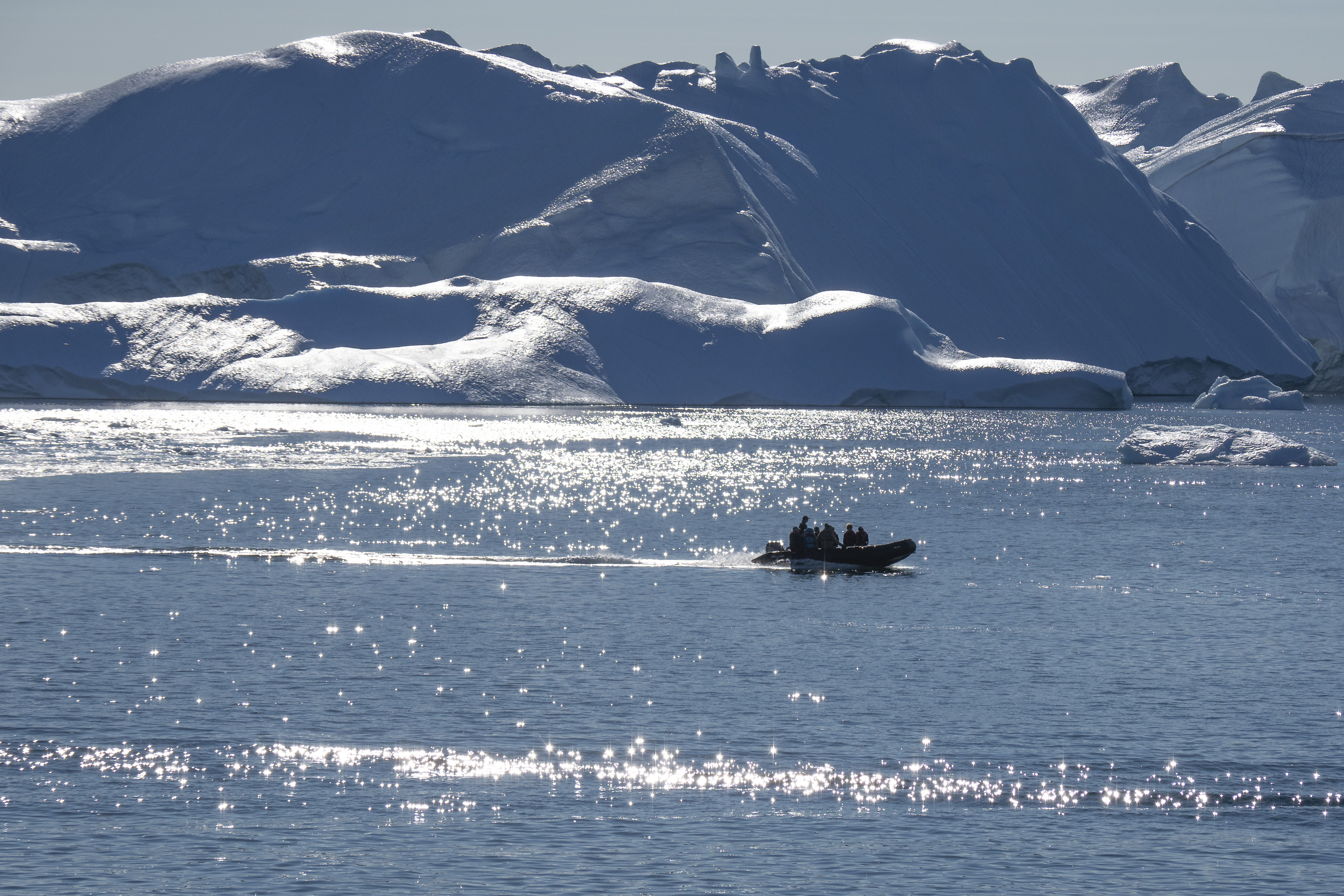


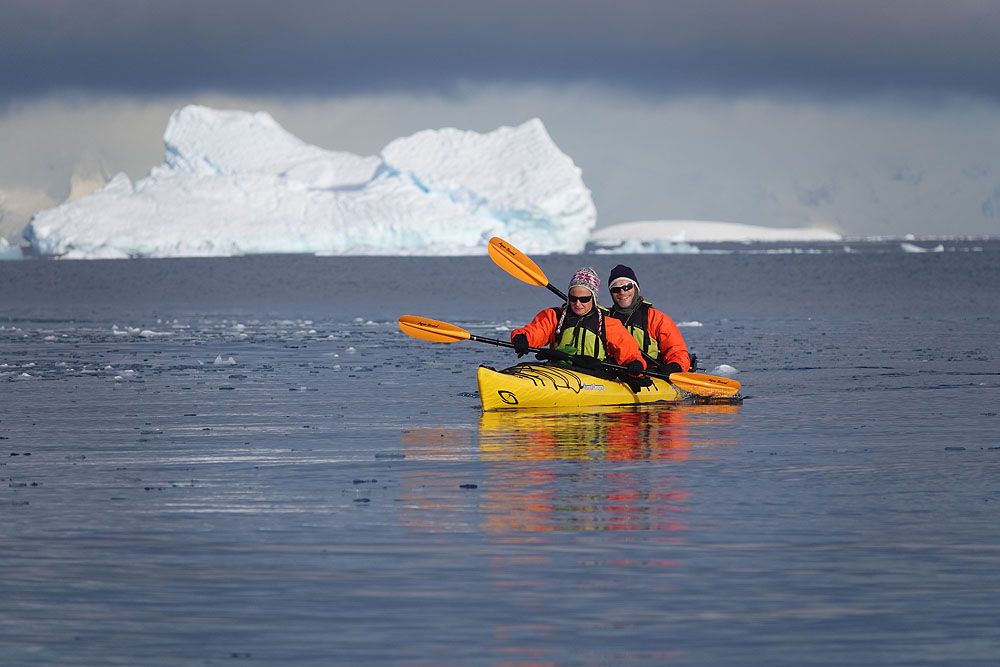


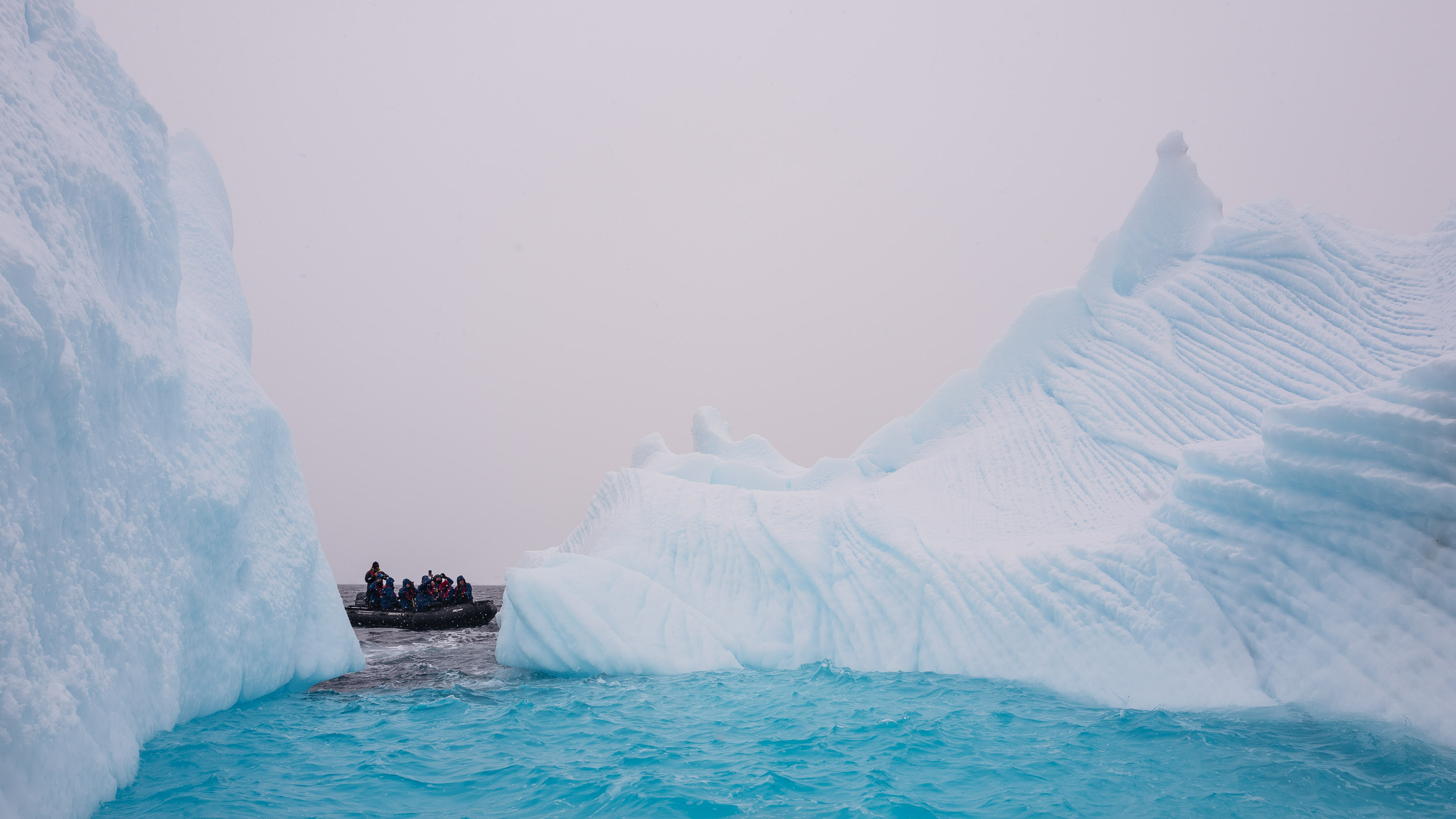
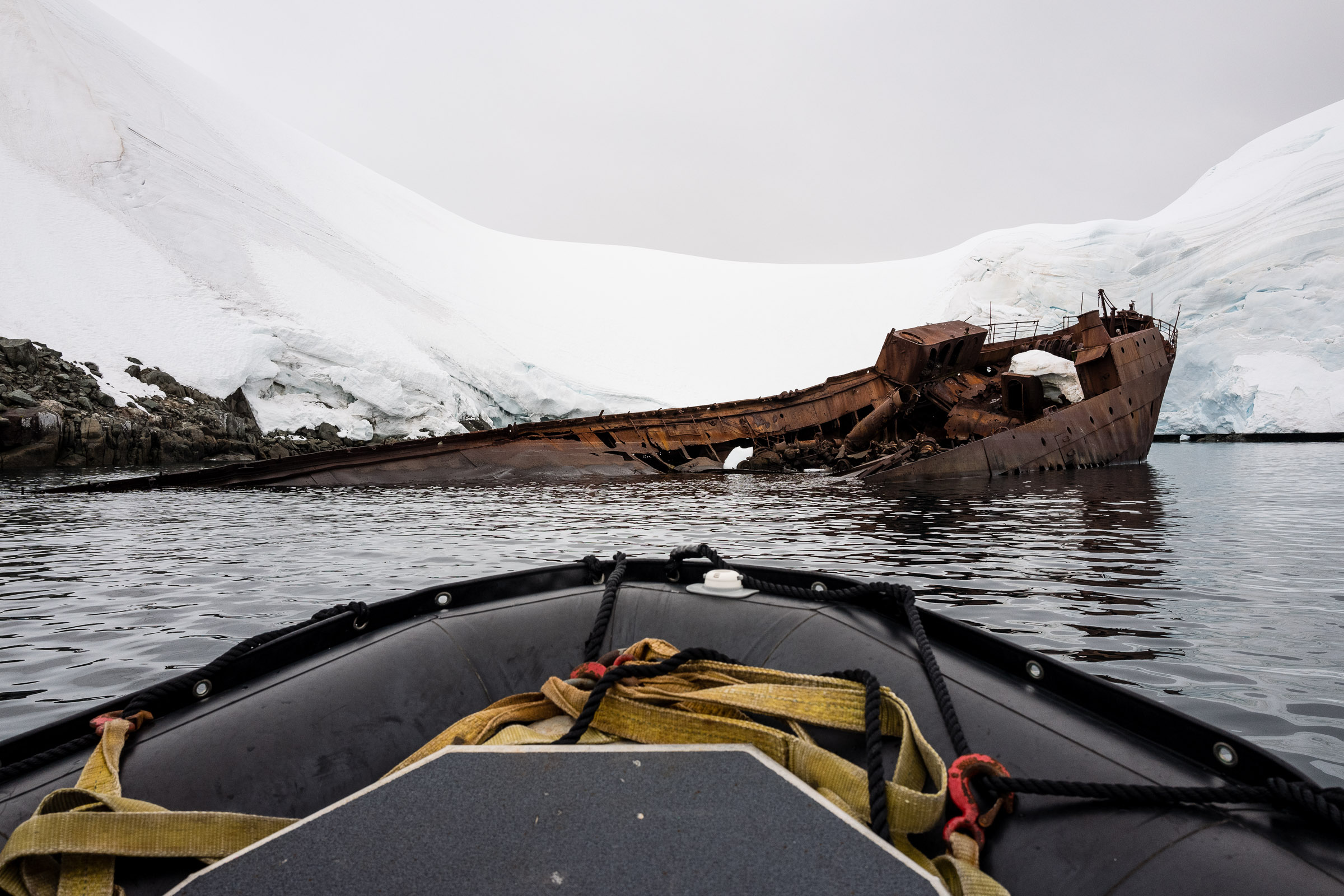
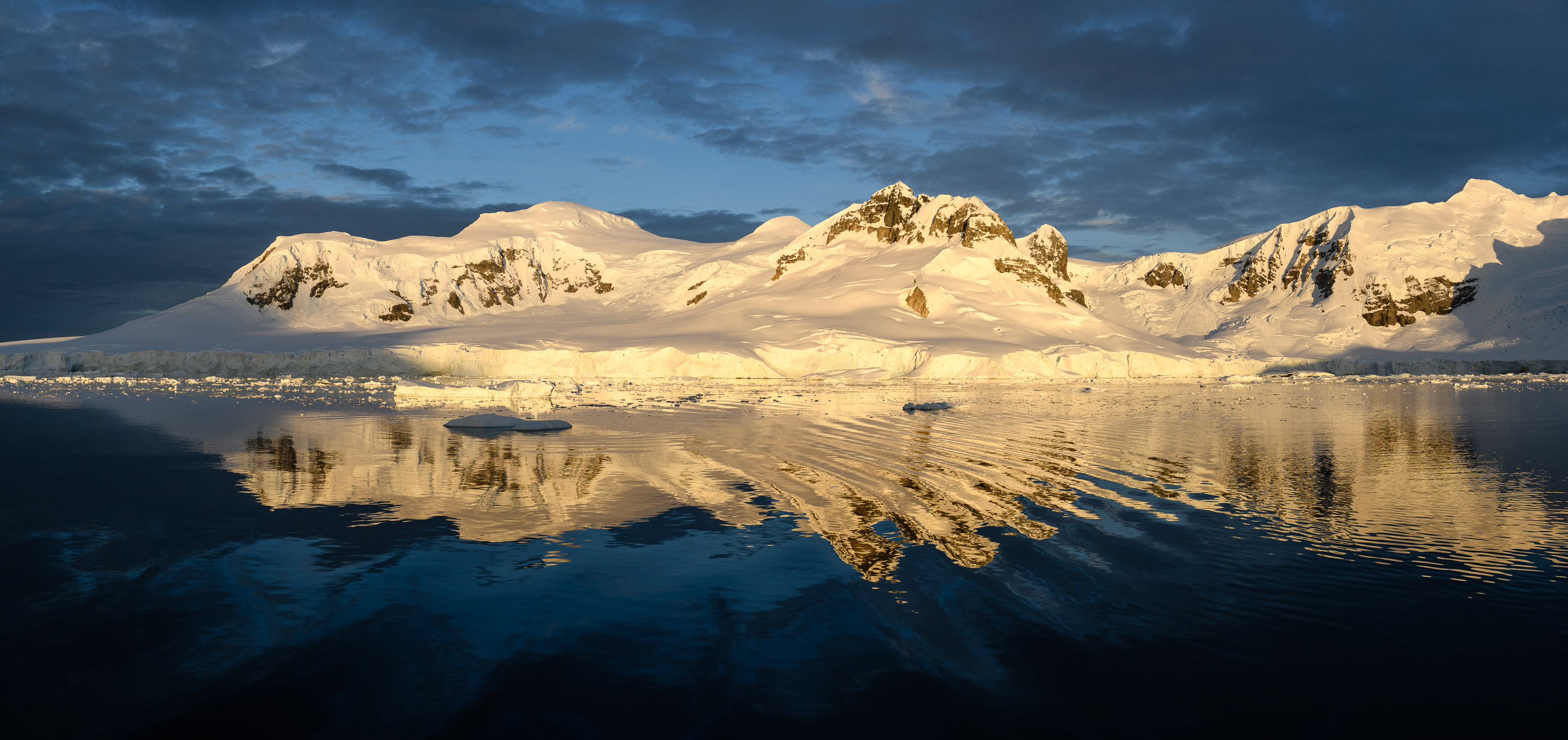


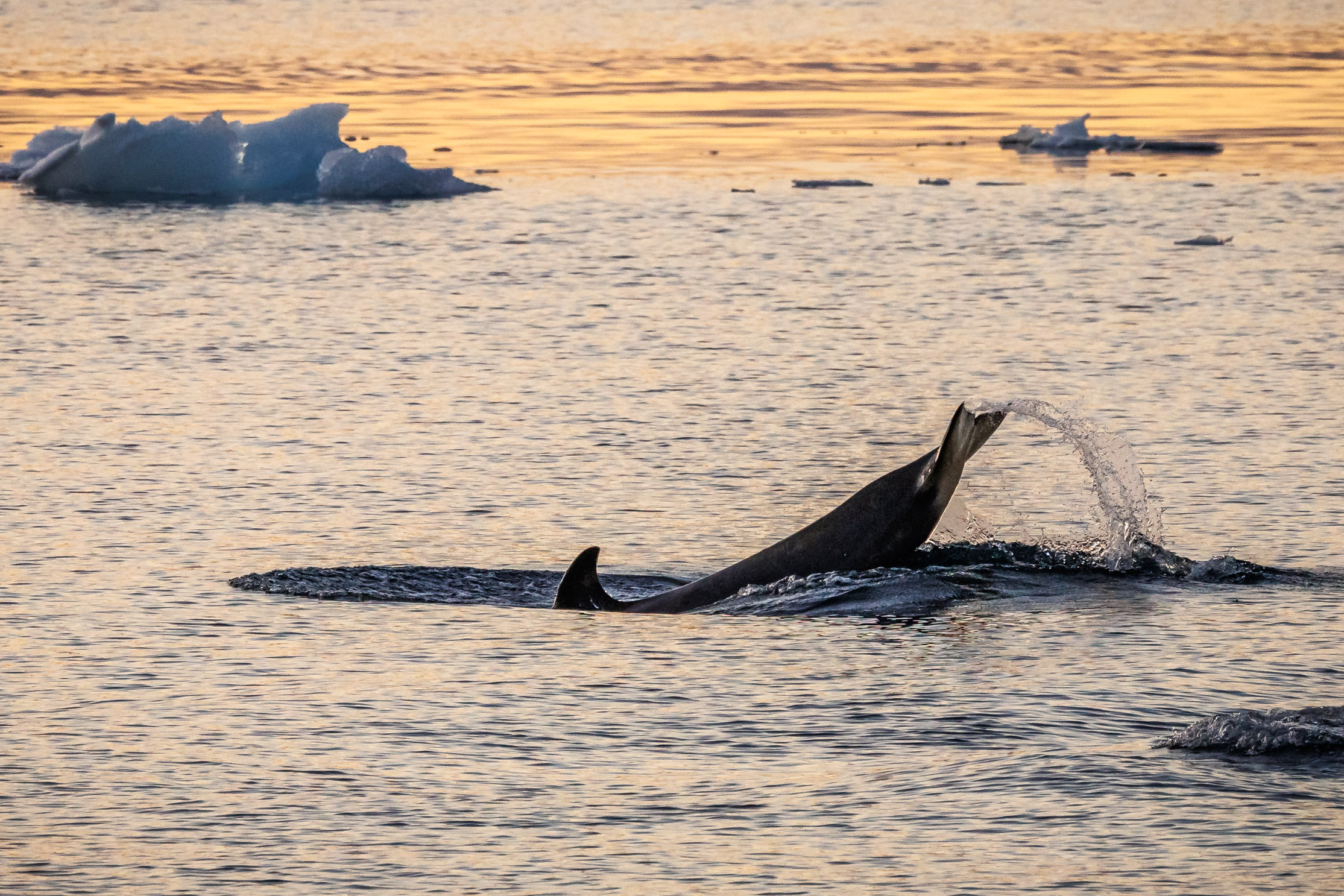


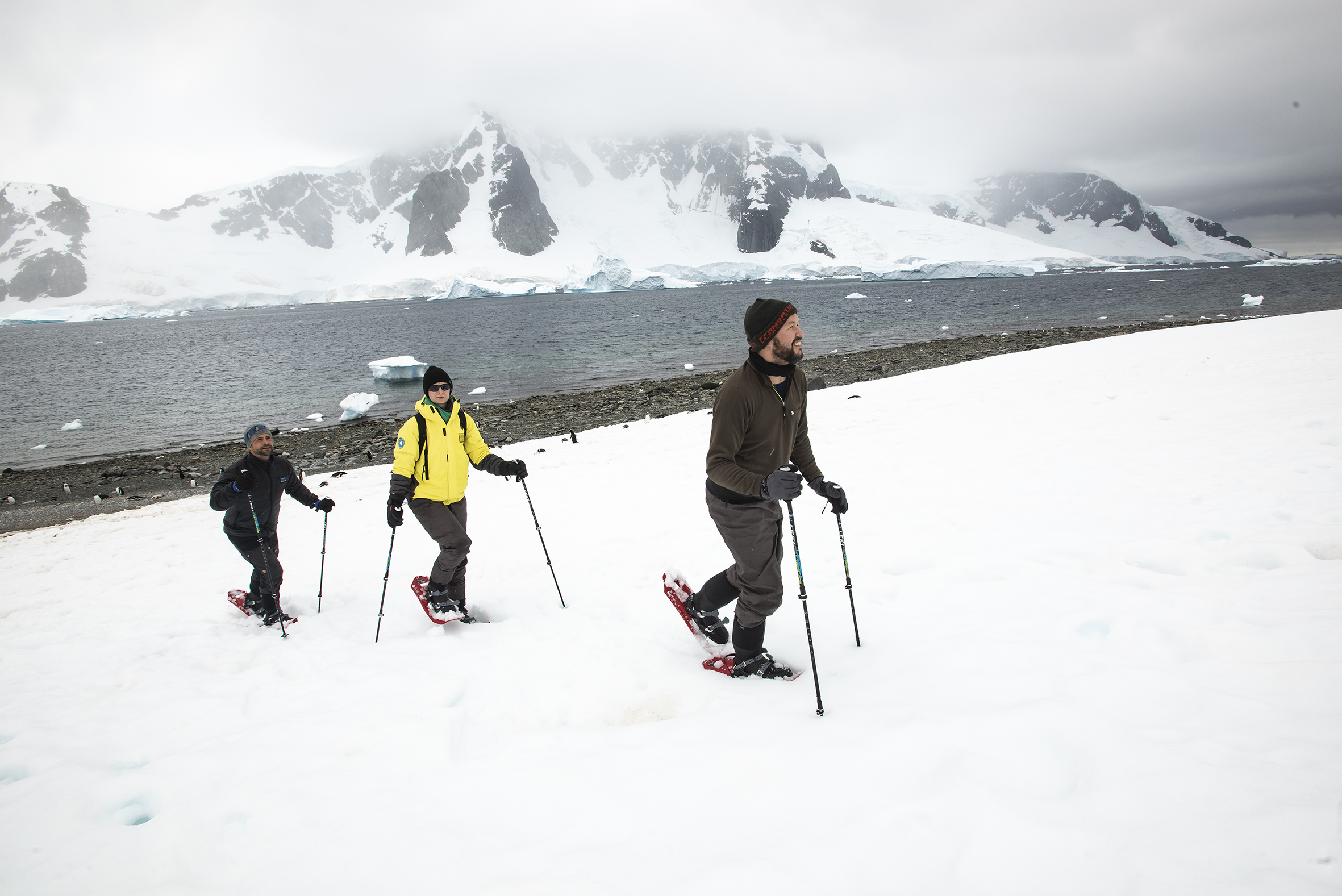


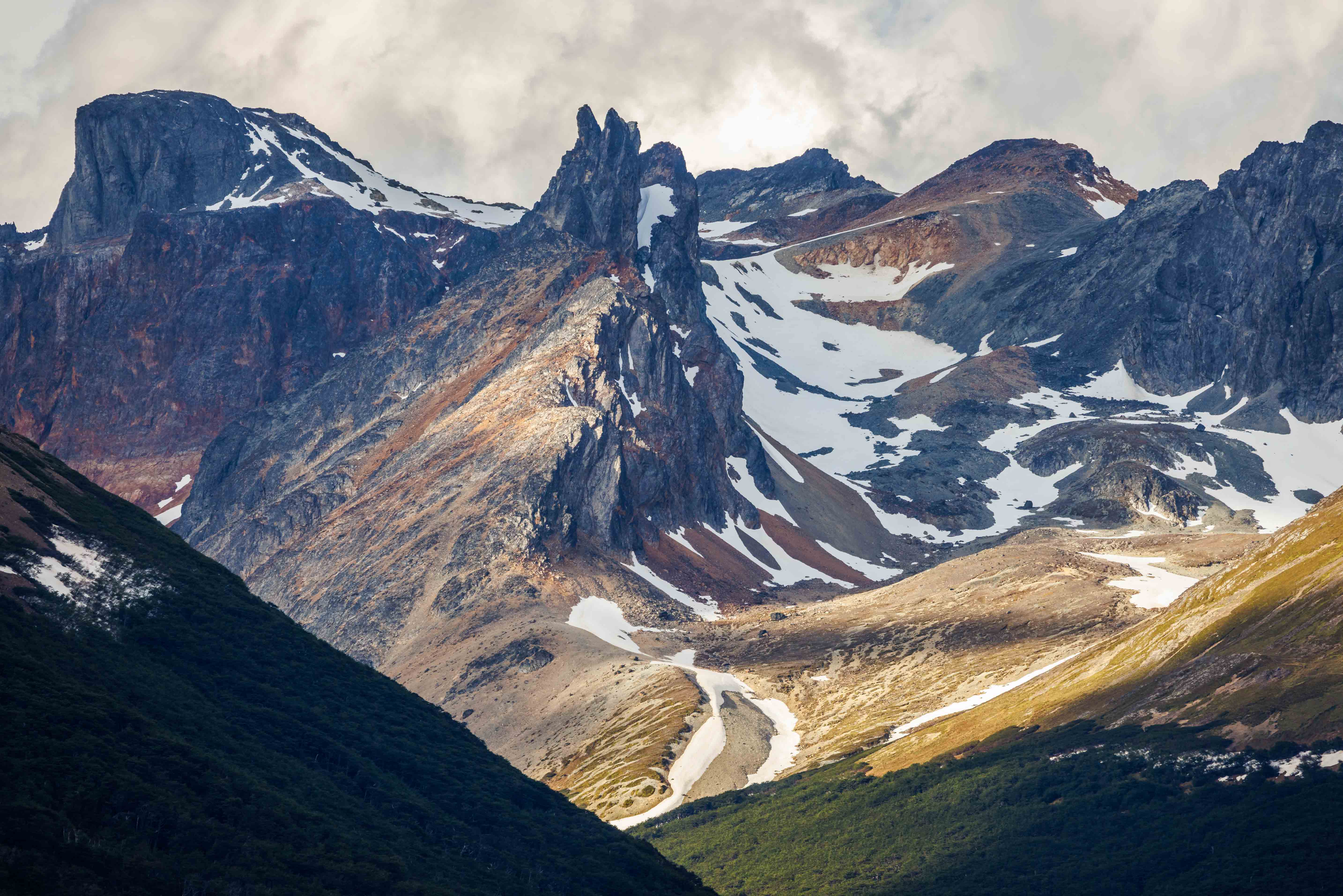


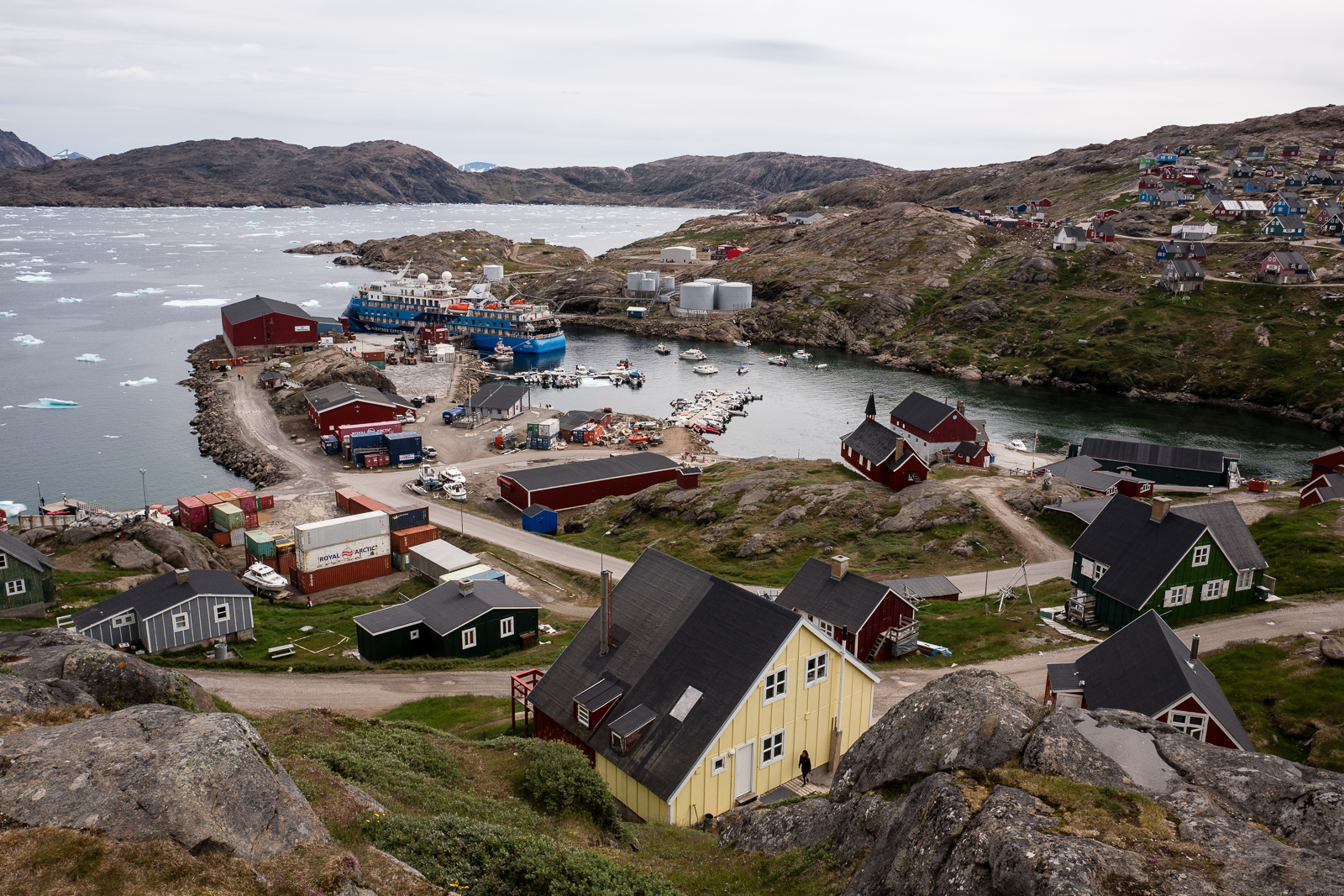
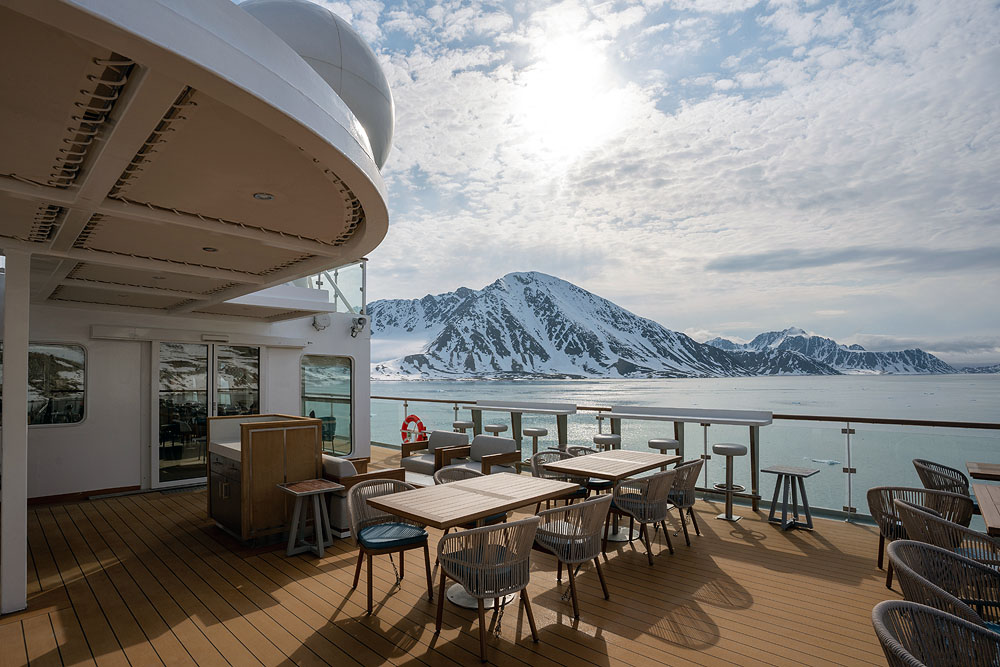
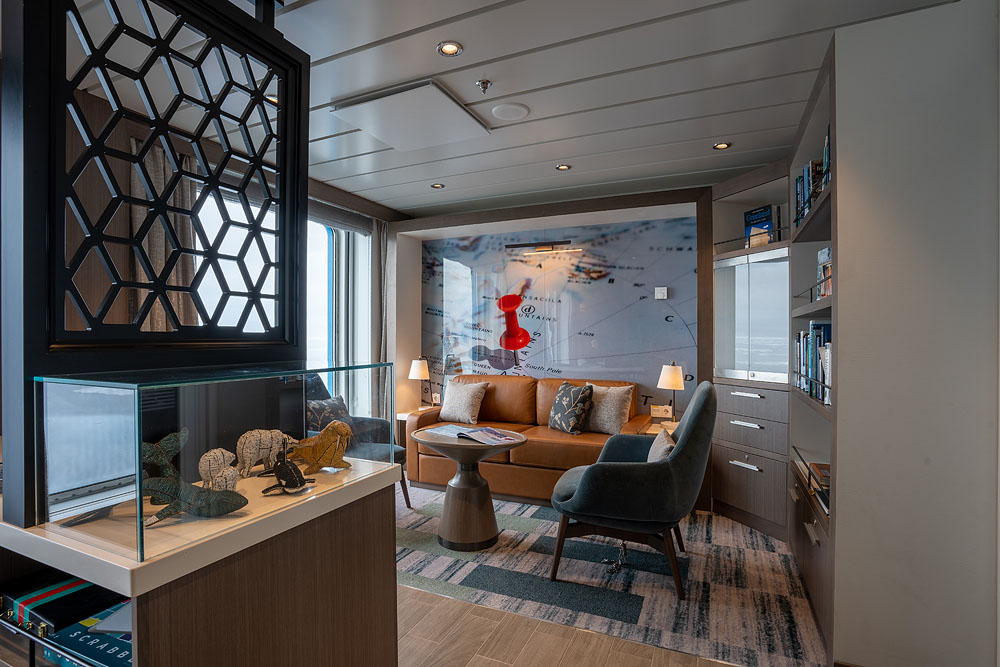
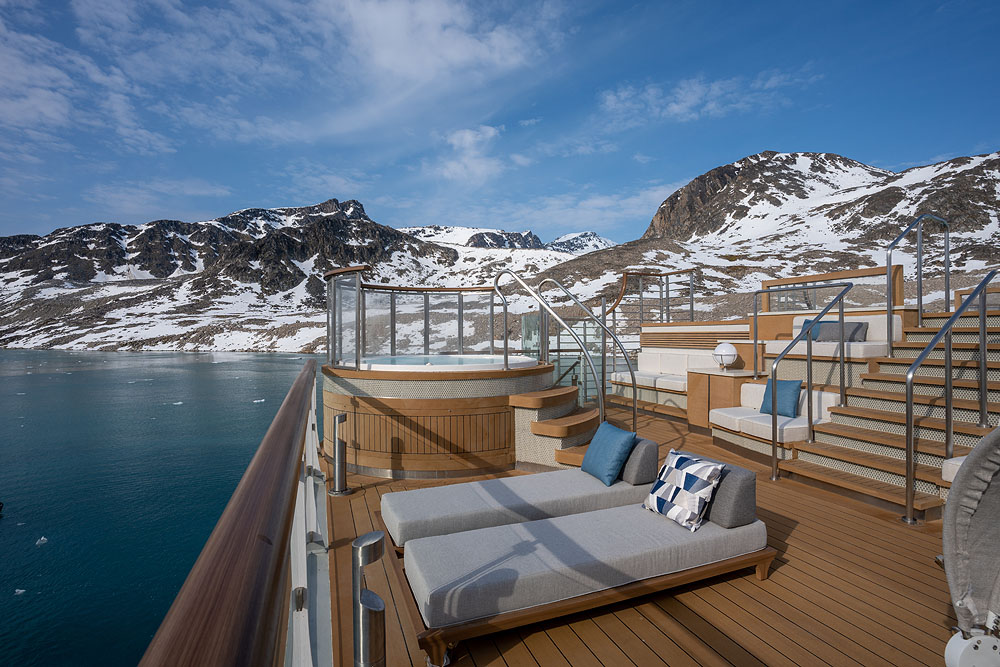
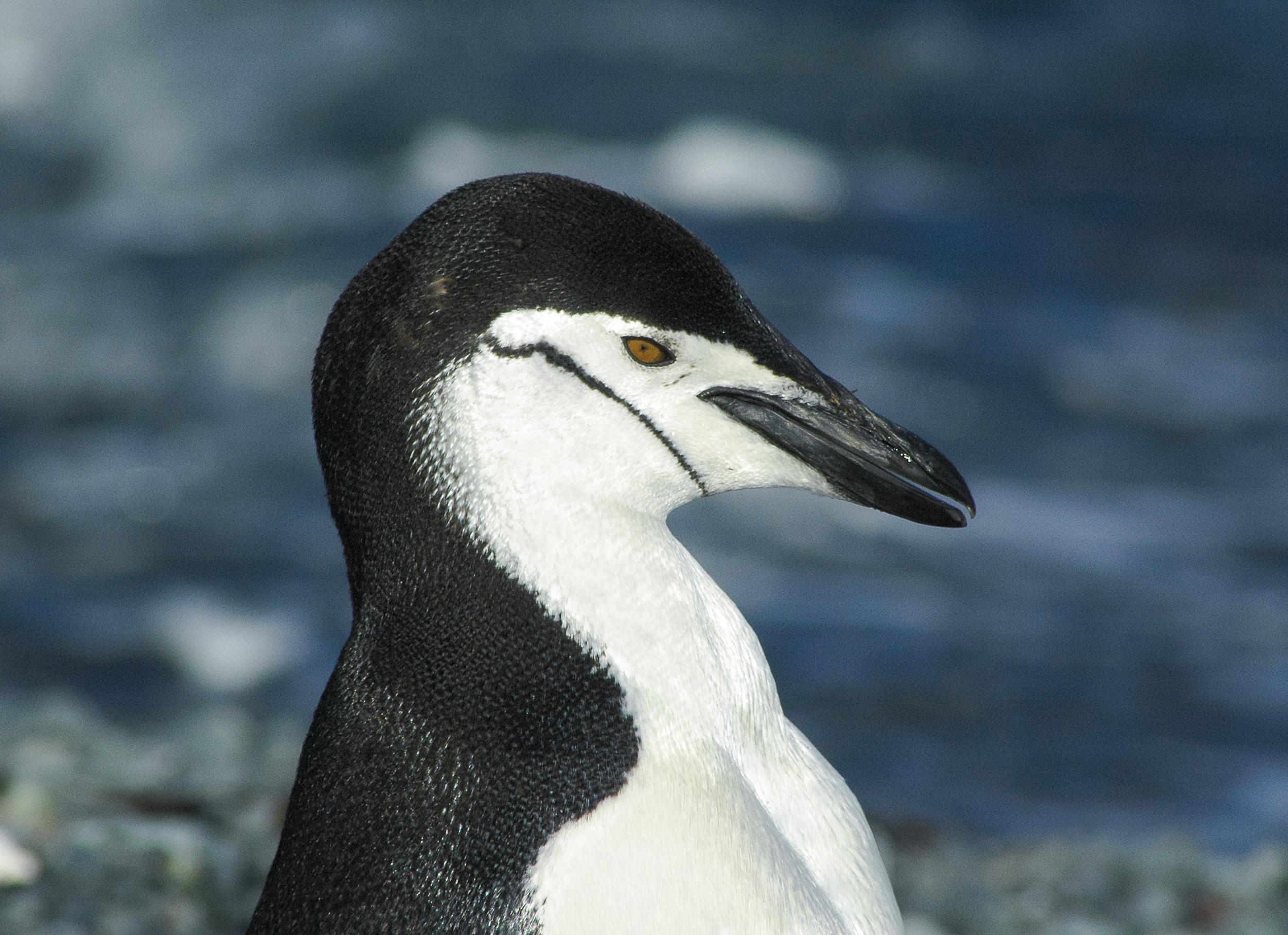
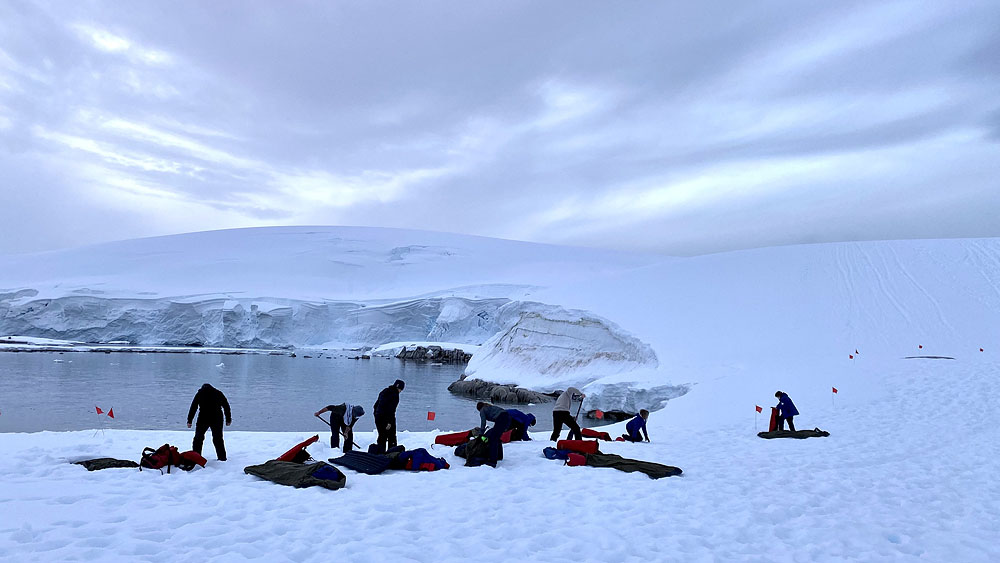
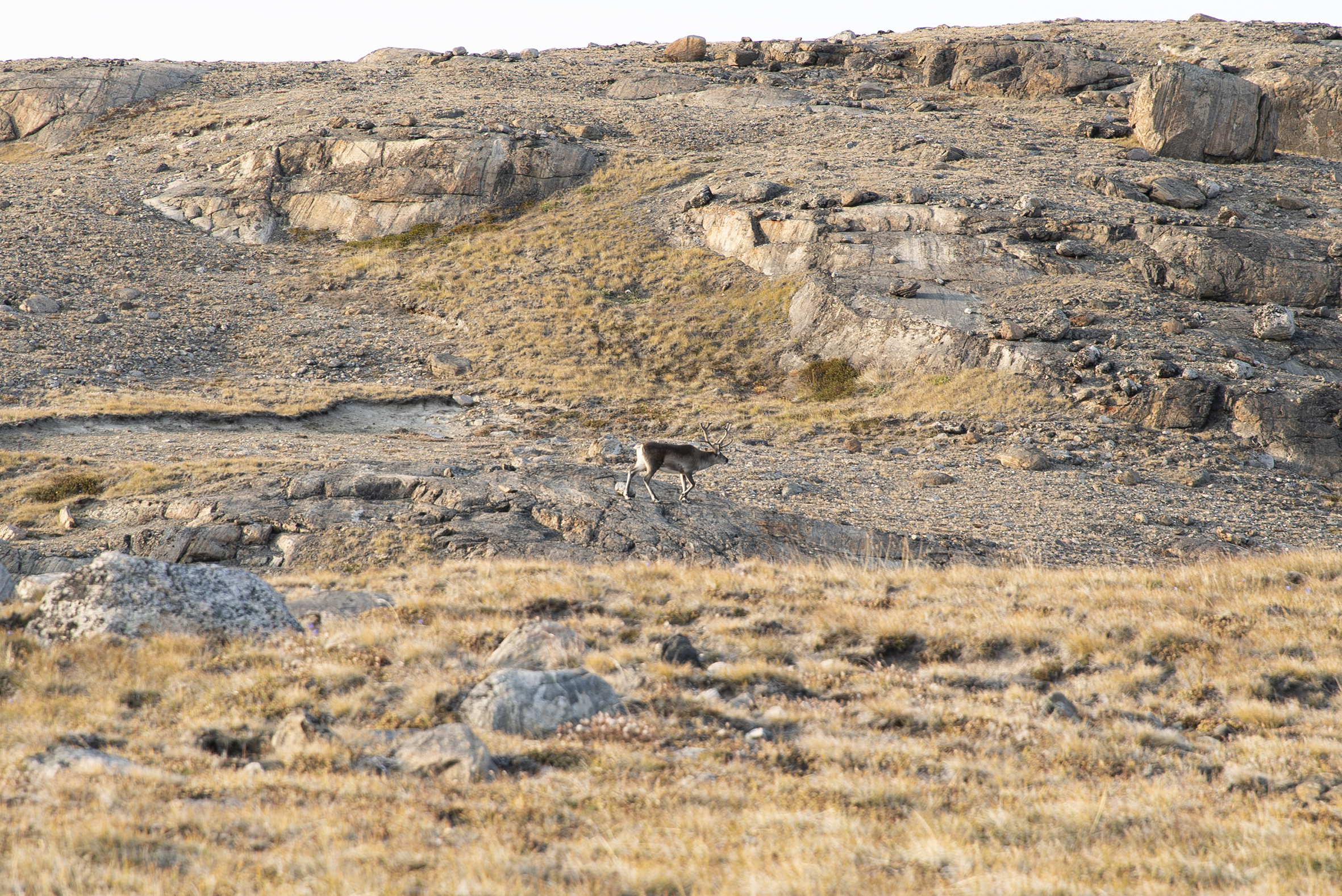
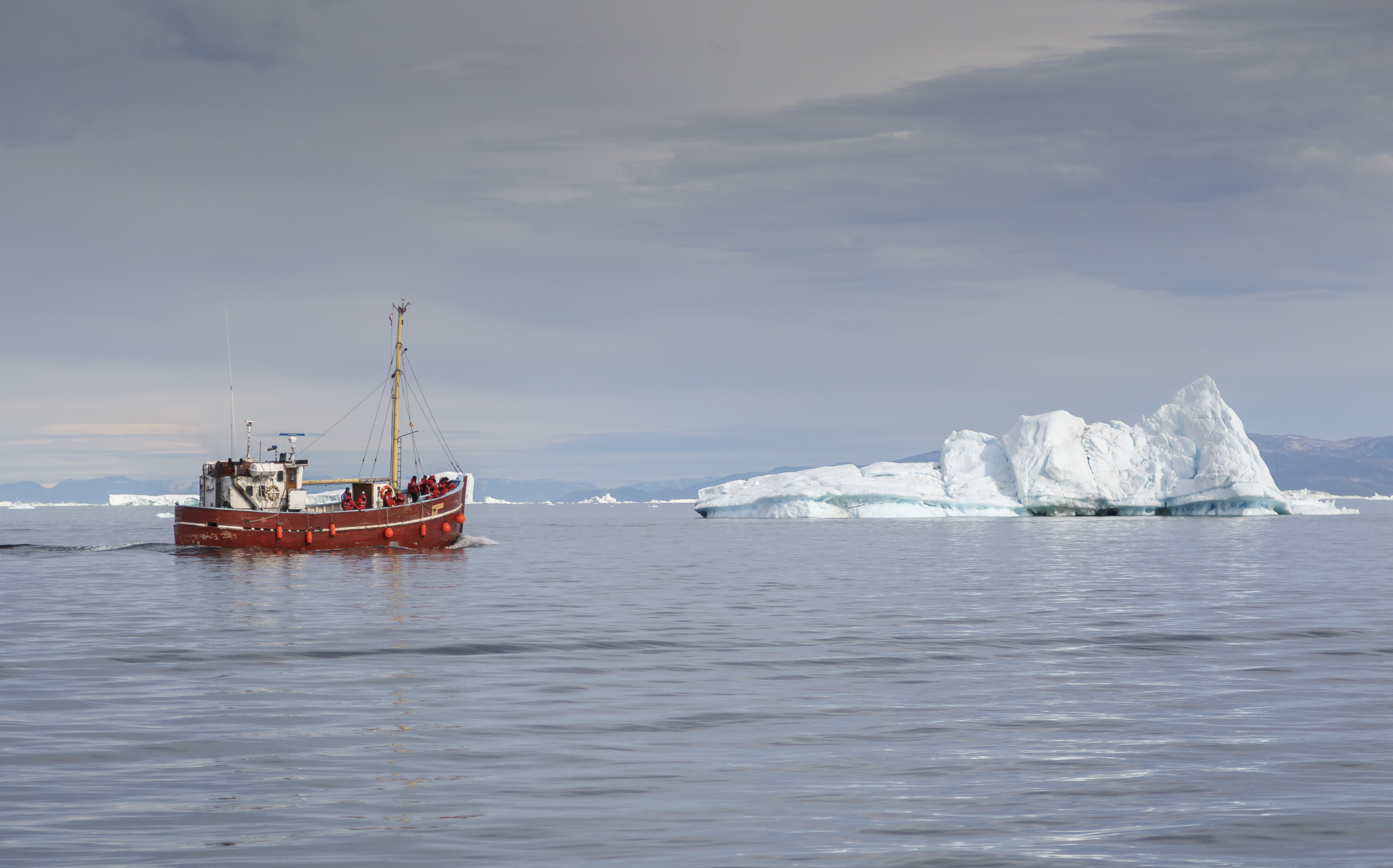
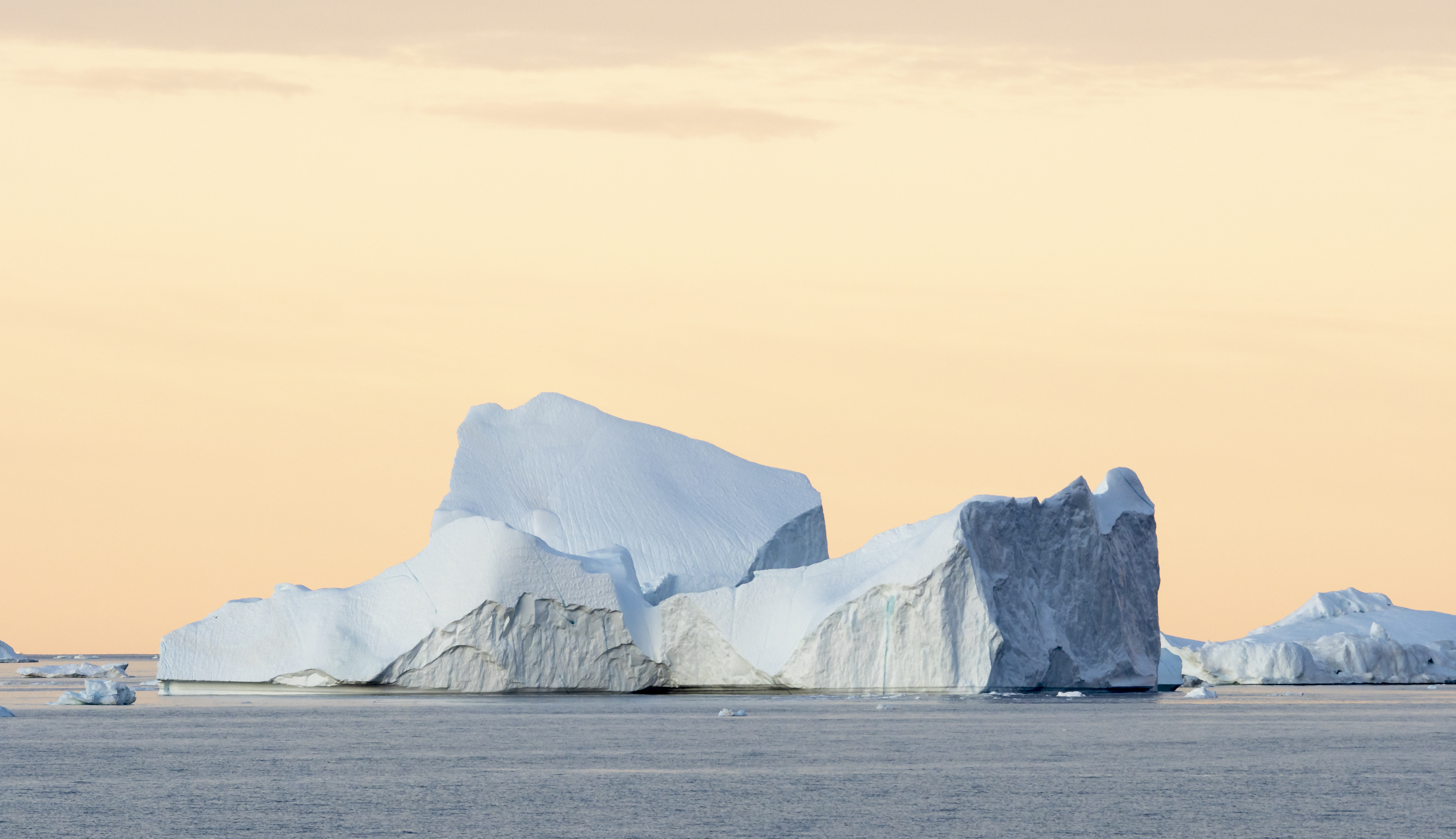
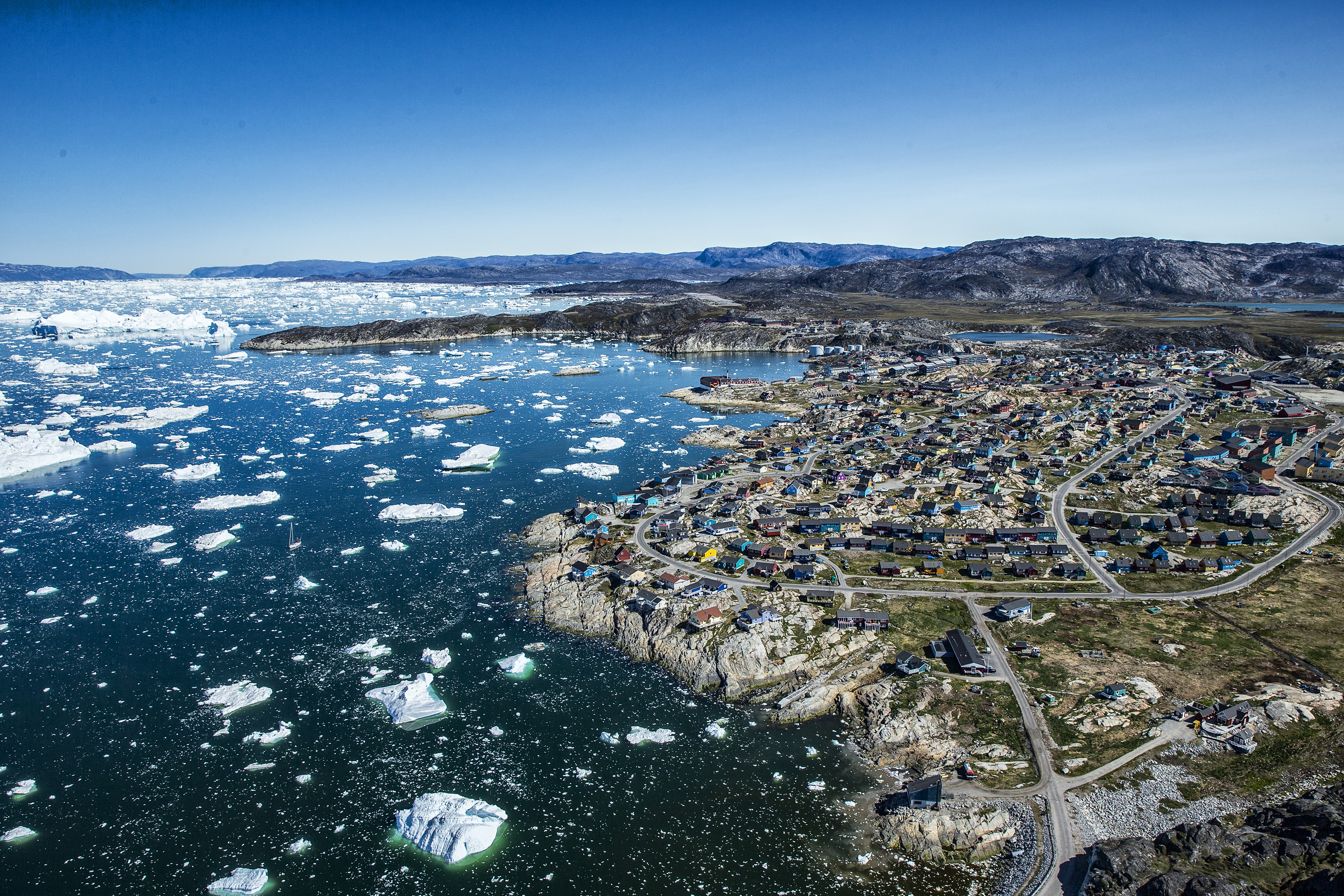
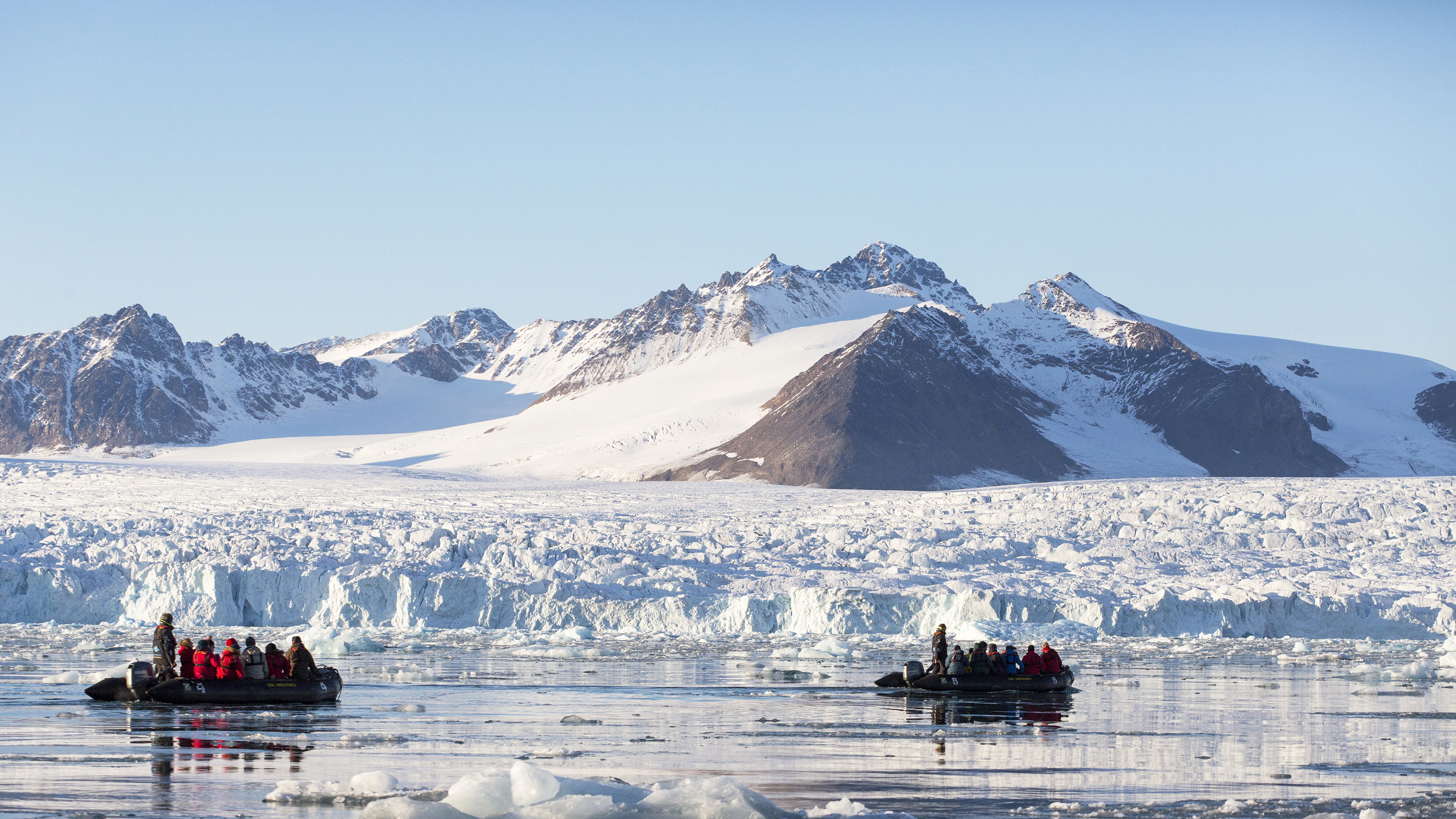
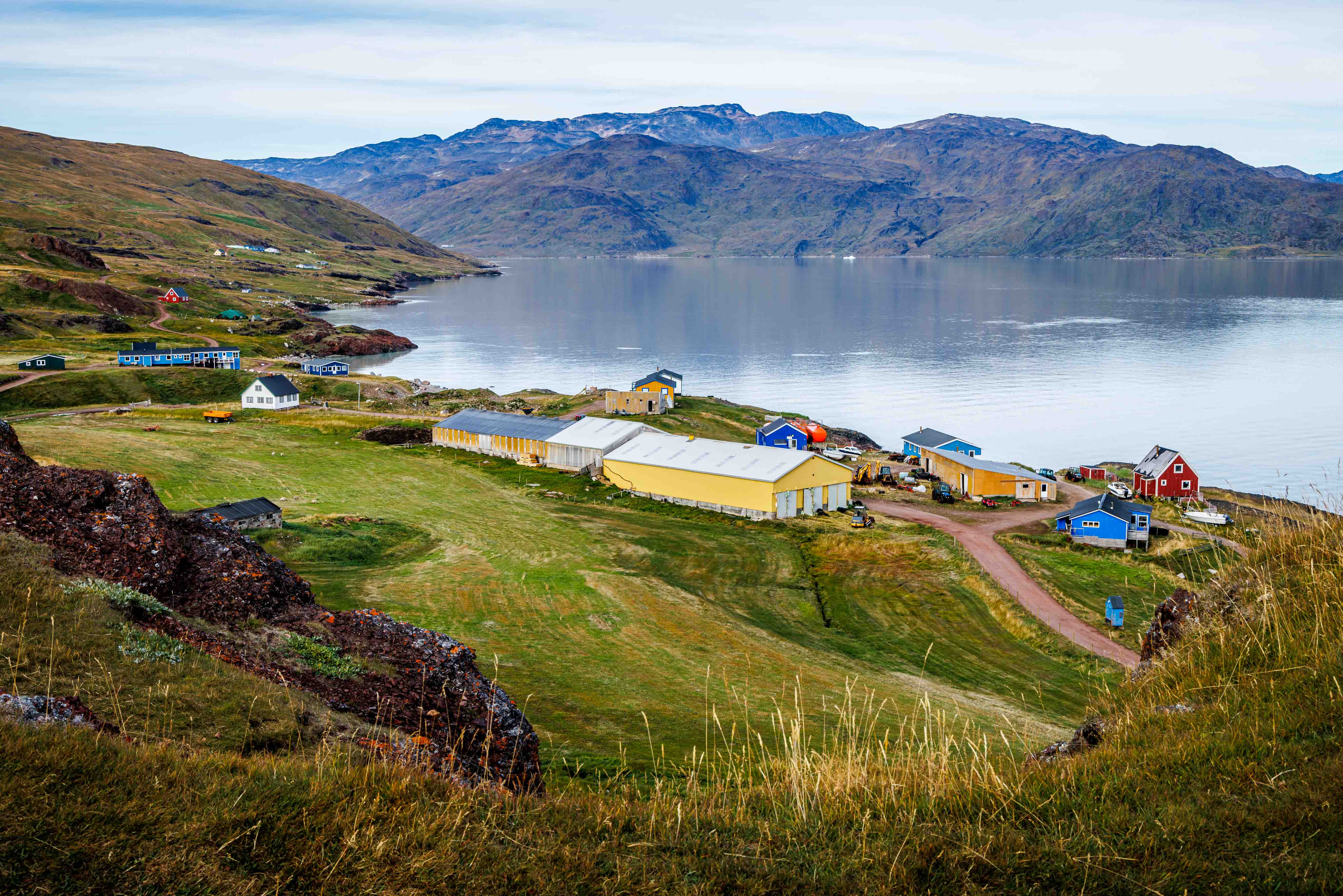
These pictures provide a general impression of our local partner and the surrounding area. Please note that selected tour may differ from these pictures.
All Reviews of Polar Latitudes
●●●●○ 4.0 of 5 Stars (12 Reviews) on Tripadvisor●●●●◐ 4.3 of 5 Stars (86 Reviews) on Google
Help us and submit a new review
Please select between 1 to 5 to review the operator* ○○○○○
All prices per person in double or multi-bed category. Single room surcharges, children's price advantages etc. on request.
Fixed travel dates, additional days on demand.
Fixed travel dates, additional days on demand.