-34.836076102341
172.630470
336
Forgotten Islands of the South Pacific: Subantarctic Islands 19% Advantage
Discover the enchanting Subantarctic Islands and their remarkable wildlife.
Join us for an 8-day expedition through the breathtaking Subantarctic Islands. Experience the unique flora and fauna, explore uninhabited landscapes, and witness the incredible diversity of sea life in one of the world's most remote regions.
Tour ID: 1830508 Antarctica, Subantarctic Islands ●●●●● 57 Reviews
8 days / 7 nights
Expedition ship Heritage Adventurer
Encounter rare seabirds
Explore pristine islands
Learn about unique ecosystems
Witness marine life
Enjoy stunning landscapes

Itinerary: Forgotten Islands of the South Pacific
Day 1: Invercargill/Queenstown
Guests should make their way to the designated hotel in Invercargill, where we will spend the first night of the expedition, or join our 3 PM or 6 PM Queenstown transfers from a designated meeting point to Invercargill. This evening, there will be an informal get-together at the hotel for dinner; an excellent opportunity to meet fellow adventurers on your voyage and some of our expedition team. Enjoy a warm welcome as you settle into the atmosphere, share excitement, and discuss the wonderful journey ahead with your companions.
Day 2: Port of Bluff
Today, we enjoy breakfast in the hotel restaurant and have the morning free to explore the local area before returning to the hotel for lunch. Afterward, we depart for the Port of Bluff to embark on your ship. You will have time to settle into your cabin and familiarize yourself with the ship; we will also take the opportunity to conduct a number of safety briefings. Join the expedition team in the Observation Lounge and up on the Observation Deck as we set our course for Campbell Island, marking the beginning of our adventure. As we sail past Ruapuke Island, formerly a local Maori stronghold, you'll learn about its rich history supporting a population of over 200 people. We will also have views of Stewart Island, which, despite its small appearance on most maps, actually boasts a 700-kilometer coastline. Keep an eye out for seabirds that we may encounter during this early part of the voyage, including albatrosses, petrels, cormorants, gulls, and the Little Blue Penguins.
All pictures of this partner







Day 3: At Sea
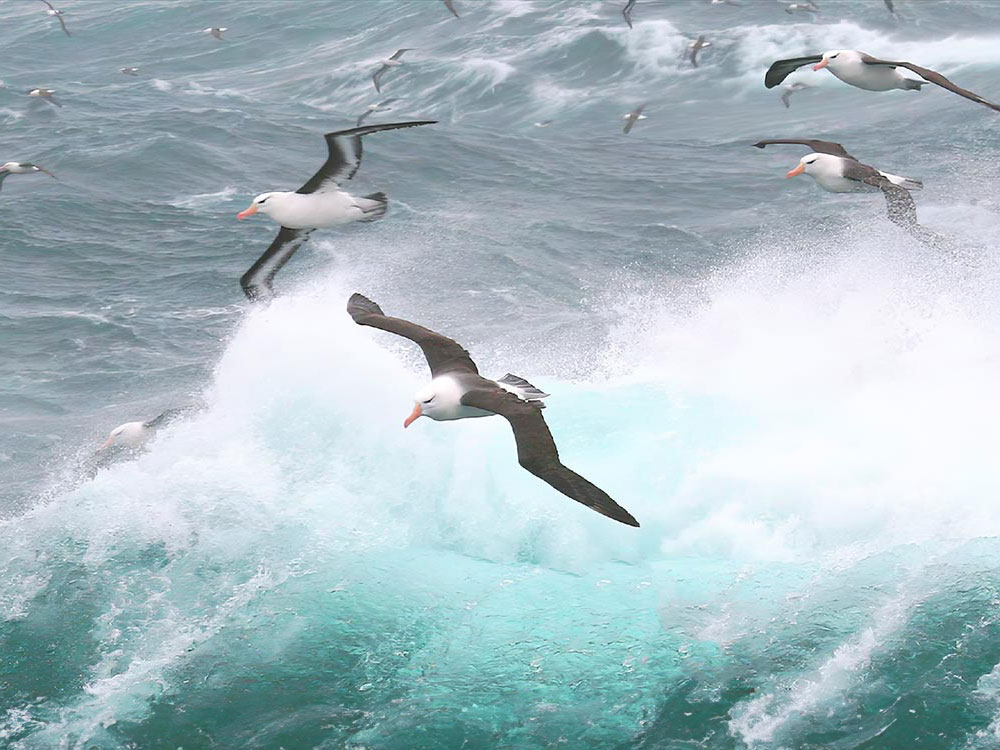
As we navigate through the Southern Ocean, we take the opportunity to learn more about the diverse flora and fauna that inhabit these waters as we prepare for our arrival at Campbell Island. En route, the birding opportunities are plentiful and may include the Wandering Albatross, Royal Albatross, Black-browed Albatross, Light-mantled Sooty Albatross, Salvin’s Albatross, Campbell Island Albatross, and both Northern and Southern Giant Petrels. We should also see Sooty Shearwaters and Little Shearwaters, as well as various species of prions, which can be tricky to identify. This leg of the journey from Bluff to Campbell Island promises some of the best pelagic birding, so be prepared for great views during our crossing.
Day 4: Campbell Island
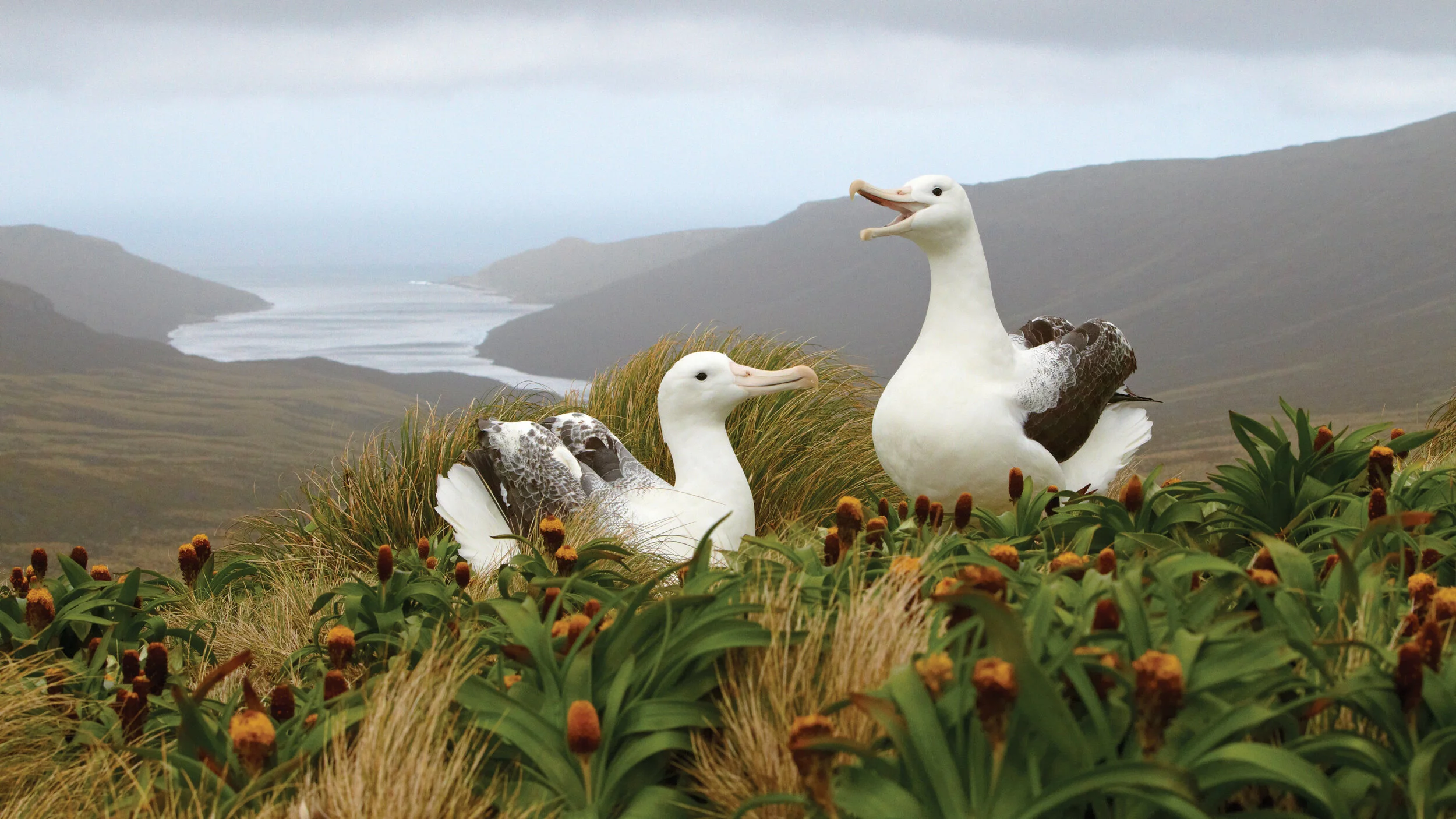
Today is dedicated to exploring Campbell Island, New Zealand’s southernmost Subantarctic territory. Its history is rich and varied, having been discovered in 1810 and subsequently occupied by sealers who introduced rats and cats. Farming operations began in 1895 but were abandoned by 1934. During World War II, coastwatchers were stationed on the island, and after the war, the New Zealand Meteorological Service took over, maintaining a manned weather and research station until 1995. In the early 1970s, efforts to remove farm animals began, and by 1990, all were successfully eradicated. The vegetation has since recovered, and the cats died out naturally. In an unprecedented effort, the New Zealand Department of Conservation successfully removed the rats, allowing the endangered Campbell Island Flightless Teal to be reintroduced. We will explore the island with several options available, including an extended walk to Northwest Bay and an easier route to Col Lyall Saddle. These excursions will provide ample opportunities to enjoy the Southern Royal Albatross, which nests in large numbers here, and witness the unique megaherbs for which the island is renowned.
Day 5: Auckland Islands – Carnley Harbour
In the south of the archipelago lies a large sheltered harbor rich in human history, including shipwrecks, treasure hunters, coastwatchers, and scientific parties. We plan to arrive mid-morning, entering the harbor through the eastern entrance, which is flanked by dramatic cliffs. Here, we will have the opportunity for a Zodiac cruise along the coast of Adams Island, Western Harbour, and Victoria Passage. Other options may include visiting the Tagua Bay Coastwatcher's hut and lookout, which was occupied during World War II. We may also explore Epigwatt and the remains of the Grafton, which wrecked here in 1864; all five crew members survived and lived on the island for 18 months before sailing their modified dinghy to New Zealand for help. Two of the survivors documented their ordeal, providing fascinating insights into their time here. Later this evening, we will sail up the eastern coast, making our way to Port Ross in preparation for our landing at Enderby Island.
Day 6: Auckland Islands – Enderby Island
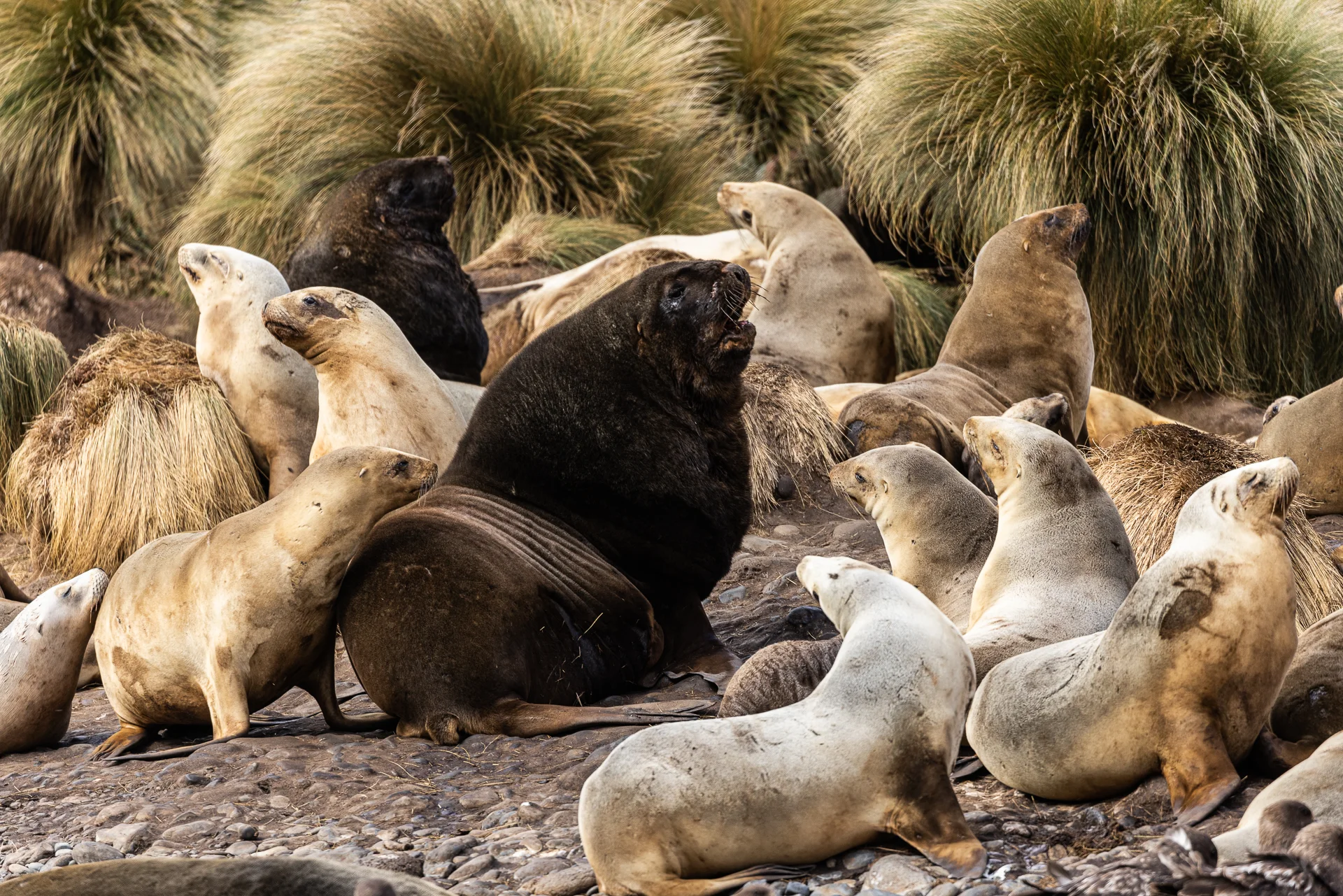
The Auckland Islands group was formed by two volcanoes that erupted approximately 10-25 million years ago. They have since been eroded and dissected by glaciation, creating the archipelago as we know it today. Enderby Island is one of the most beautiful islands in this group, named after the distinguished shipping family associated with one of our former vessels. This northernmost island in the archipelago serves as an outstanding wildlife and birding location, with easy landing and walking opportunities. The island was cleared of all introduced pests in 1994, allowing both bird populations and vegetation, particularly herbaceous plants, to recover significantly in number and diversity. Our plan is to land at Sandy Bay, one of three breeding areas in the Auckland Islands for the rare Hooker’s or New Zealand Sea Lion. Beachmaster bulls gather on the shores to defend their harems from younger males, mating with the cows shortly after they give birth to a single pup. The population of Hooker’s Sea Lions is slowly declining, likely connected to a nearby squid fishery. During our day ashore, there will be several options for exploration, including both longer and shorter walks, allowing ample time to observe the diverse wildlife. A boardwalk traverses the island to the dramatic western cliffs, and we will follow the coast, circling the island. Birds you can expect to encounter include the Southern Royal Albatross, Northern Giant Petrel, Auckland Island Shag, Auckland Island Flightless Teal, Auckland Island Banded Dotterel, Auckland Island Tomtit, Bellbird, Pipit, Red-crowned Parakeet, Yellow-eyed Penguin, and Light-mantled Sooty Albatross. There is also a very good chance of seeing the Subantarctic Snipe, in addition to more common species such as Goldfinch, Song Thrush, Blackbird, European Starling, Red-billed Gull, and Redpoll. At Derry Castle Reef, we will look for migratory waders, including Bar-tailed Godwit, Turnstone, and possibly vagrants.
Day 7: The Snares – North East Island
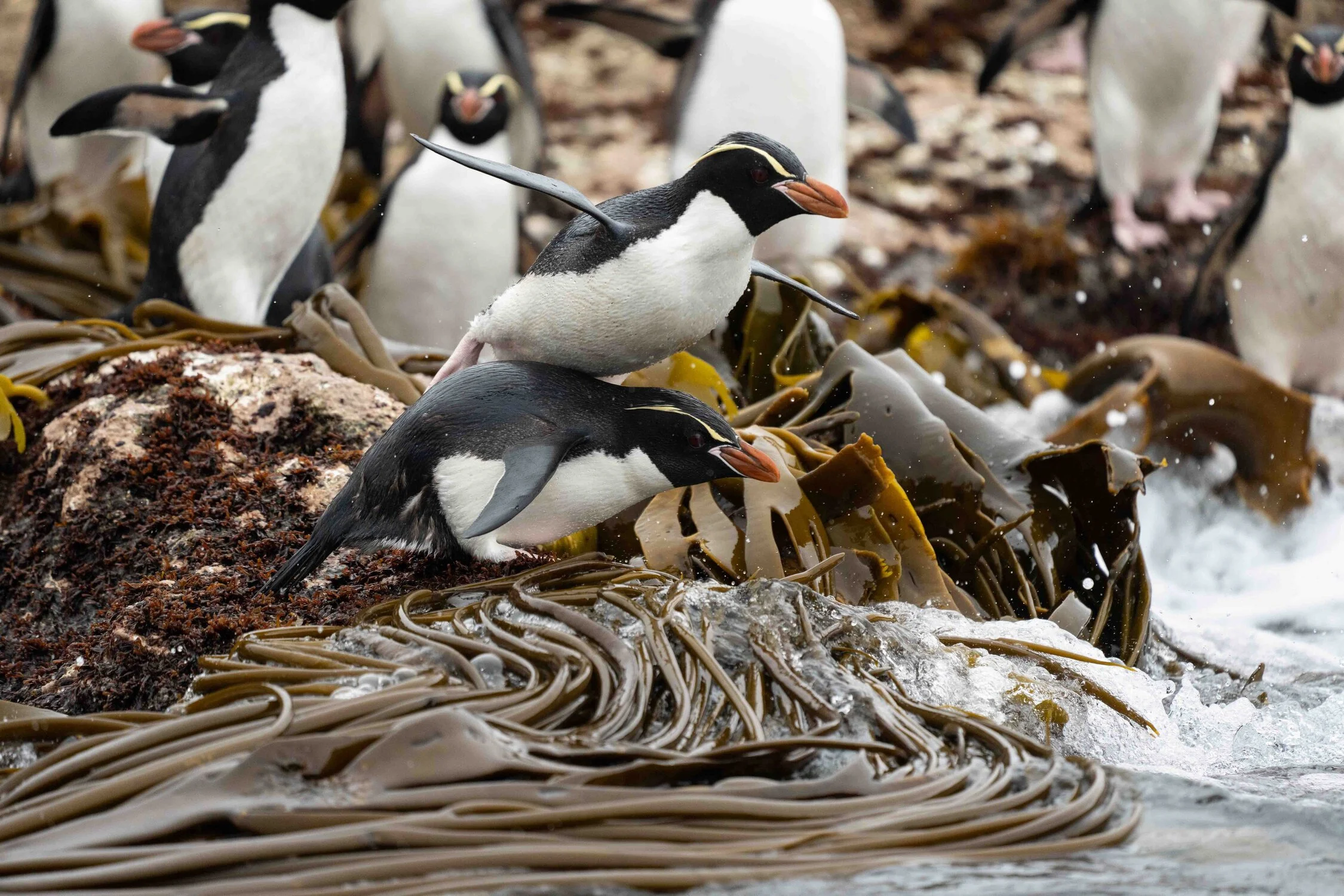
The closest Subantarctic Islands to New Zealand, the Snares were aptly named as they were once considered a hazard for sailing ships. Comprised of two main islands and a group of five islands called the Western Chain, they are uninhabited and enjoy the highest protection as Nature Reserves. It is claimed that these islands are home to more nesting seabirds than all of the British Isles combined. We plan to arrive in the morning, and since landings are not permitted, we will Zodiac cruise along the sheltered eastern side of the main island if the weather and sea conditions are suitable. In the sheltered bays, we should see the endemic Snares Crested Penguin, Snares Island Tomtit, and Fernbirds. Hundreds of thousands of Sooty Shearwaters nest on the Snares, and the actual number is much debated. Buller’s Albatross breed here from early January onwards. There will be opportunities to view the forests of large tree daisy Olearia lyallii, which forms a canopy over much of the island group. Tonight, we will enjoy a farewell and celebratory dinner with newfound friends, reflecting on a wealth of new experiences and recapping the amazing wildlife, plant life, landscapes, and history we have encountered.
Day 8: Stewart Island/ Invercargill/Queenstown
Spend the morning exploring Stewart Island and Ulva Island. Rich in history and wildlife, Ulva Island has been predator-free since 1997, allowing its bird song and wildlife to flourish as some of the best in New Zealand. After an enriching morning of exploration, say your farewells and be transferred to either Invercargill or Queenstown Airport. In case of unexpected delays, we ask you not to book any onward travel from Invercargill before 3 PM or from Queenstown before 6 PM. Note: During our voyage, circumstances may make it necessary or desirable to deviate from the proposed itinerary. This can include poor weather and opportunities for making unplanned excursions. Your Expedition Leader will keep you fully informed. Landings at the Subantarctic Islands of New Zealand are by permit only as administered by the Government of New Zealand. No landings are permitted at The Snares.
Additional Information for Expedition Cruises: The itinerary and route described are provided as examples only and may be adjusted or changed at any time due to weather, ice and tidal conditions, as well as for safety reasons. Specific landing sites, locations or route sections therefore cannot be guaranteed. The captain and expedition leader will make all final decisions regarding the route, landings and daily programme on site. Wildlife sightings cannot be guaranteed. Landings and Zodiac excursions depend on local conditions and regulatory requirements. Optional activities have very limited availability; we recommend booking them well in advance, often weeks or months before departure, as they may be fully booked by the time of travel; their operation depends on weather, ice and safety conditions as well as minimum participation. Polar regions are remote and dynamic natural environments, therefore programme changes or delays may occur.


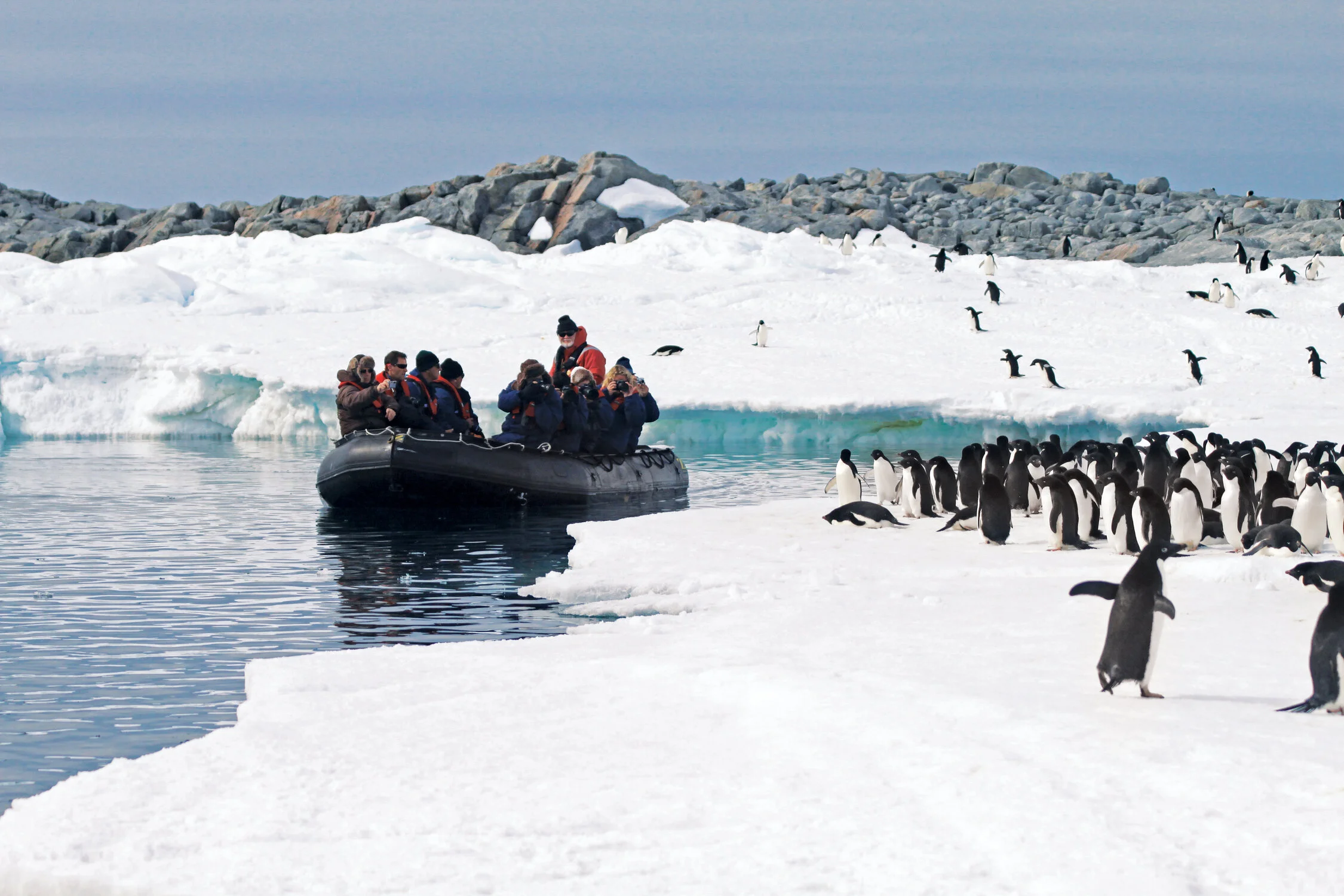
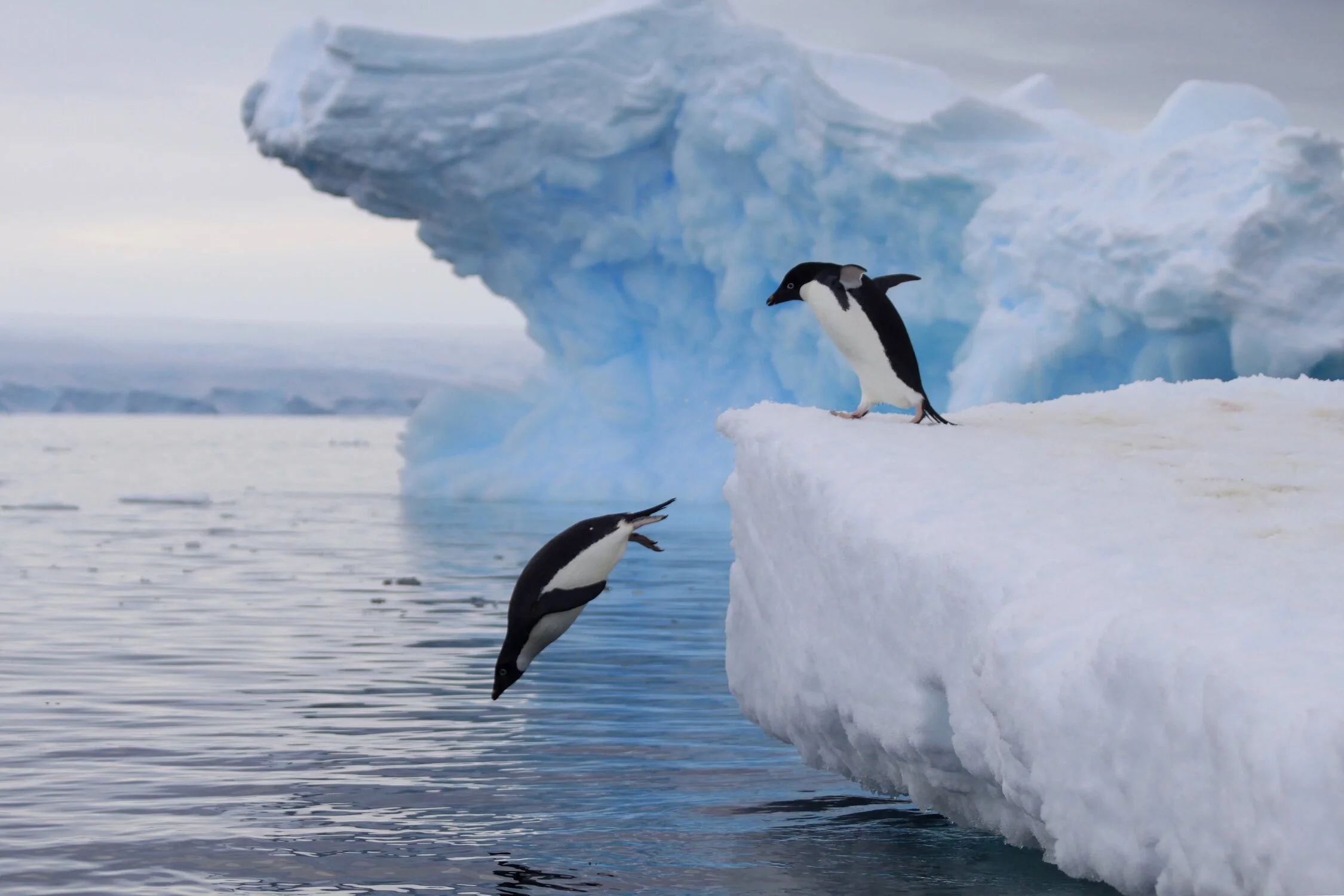


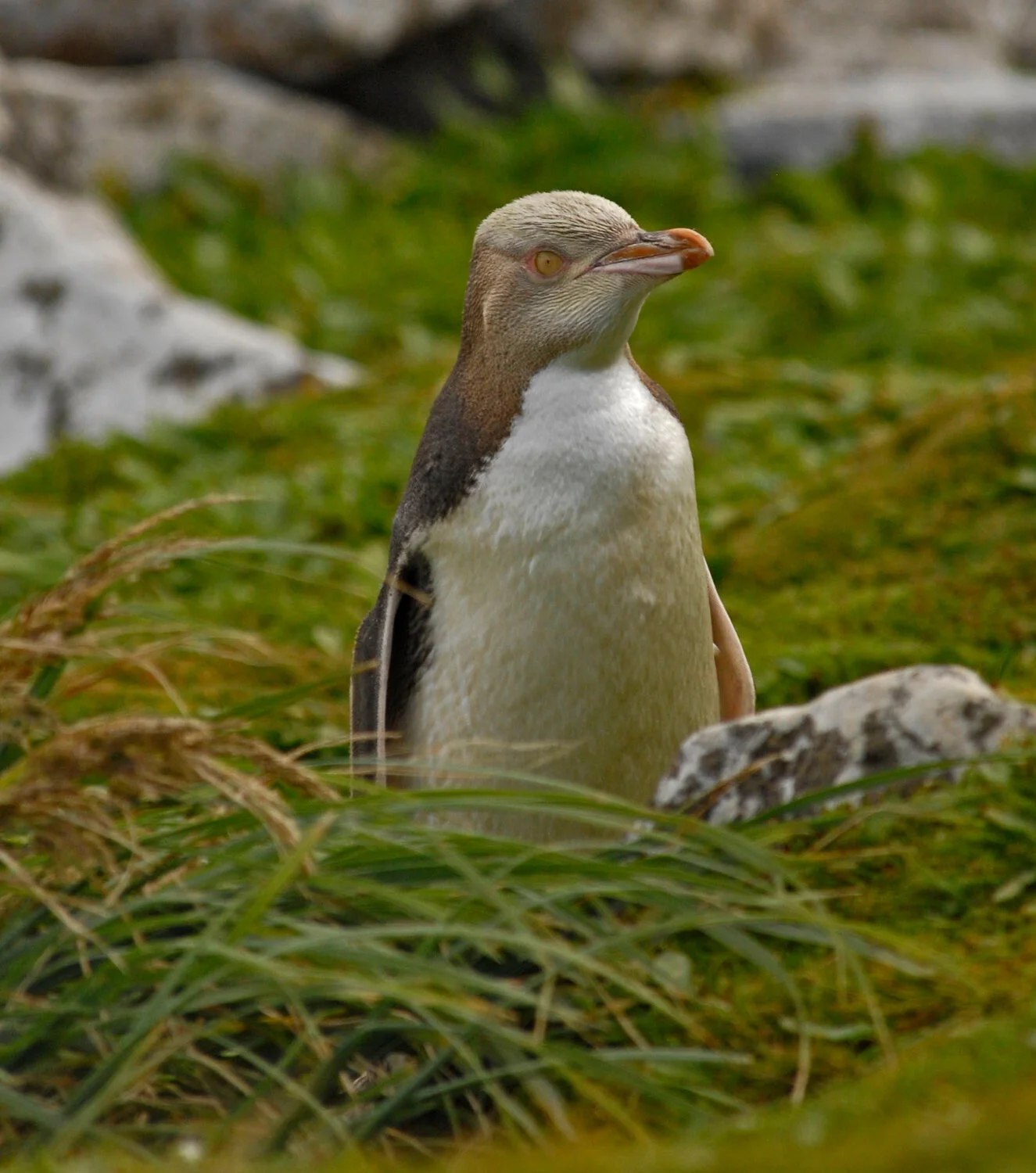


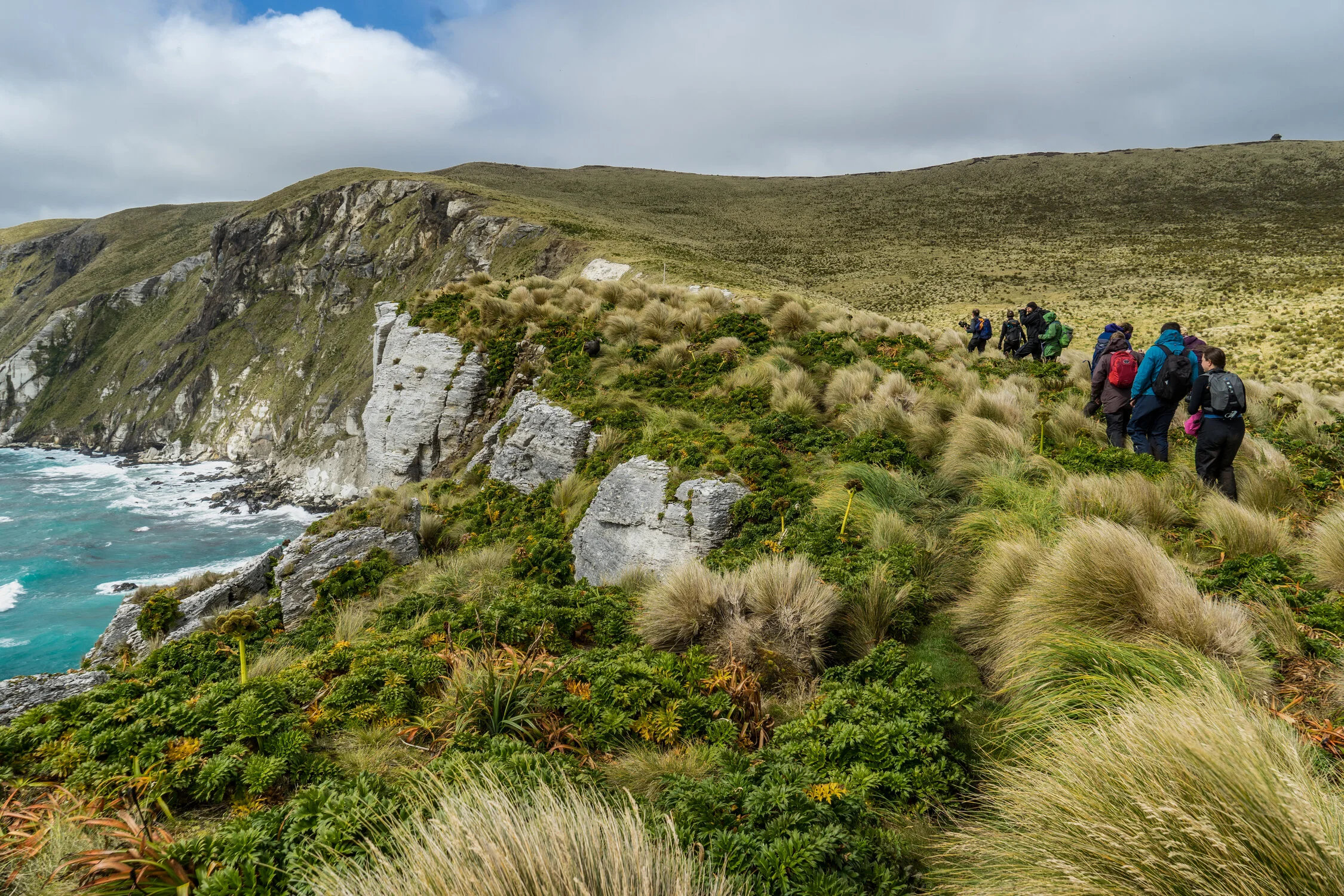
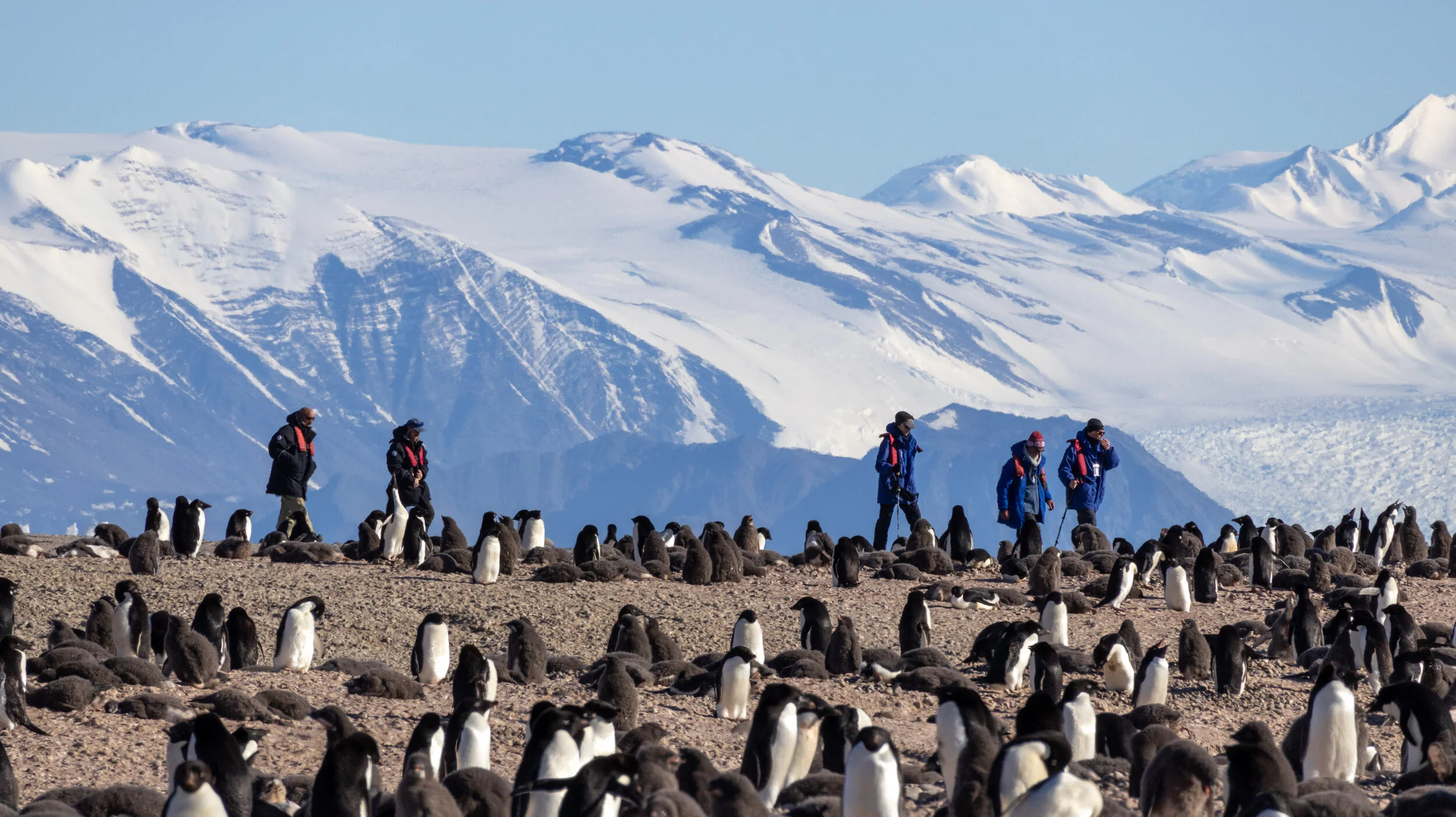


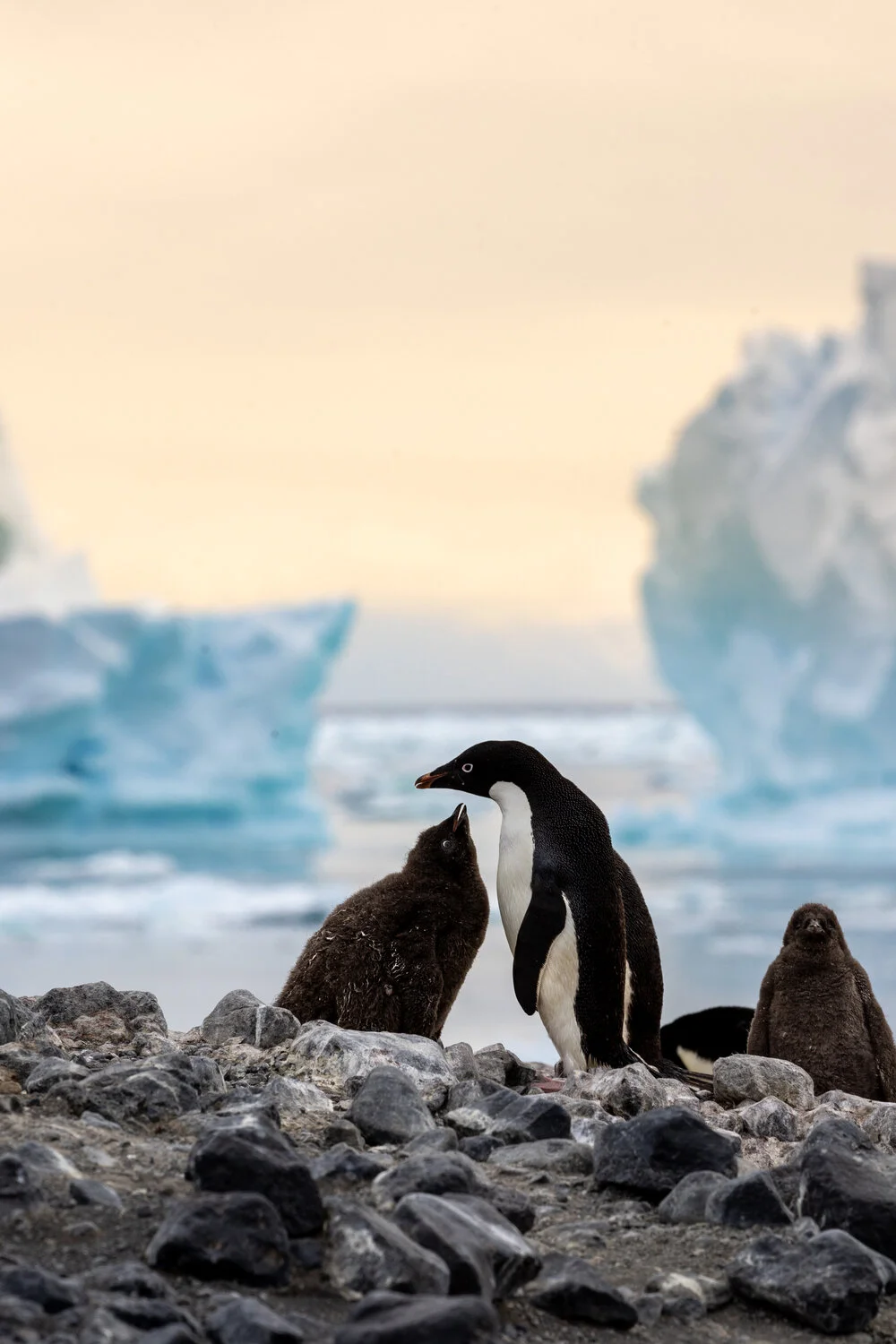

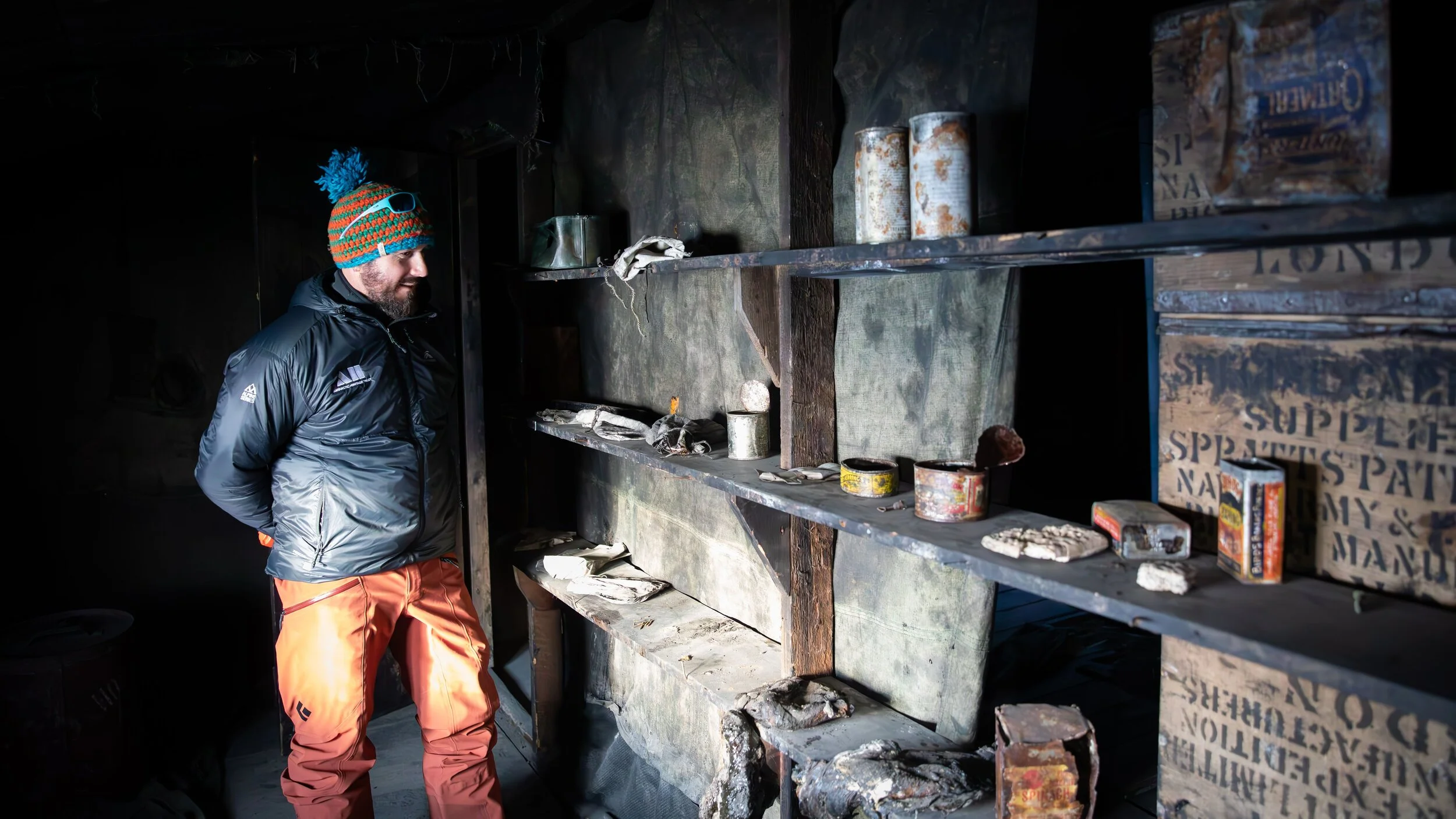
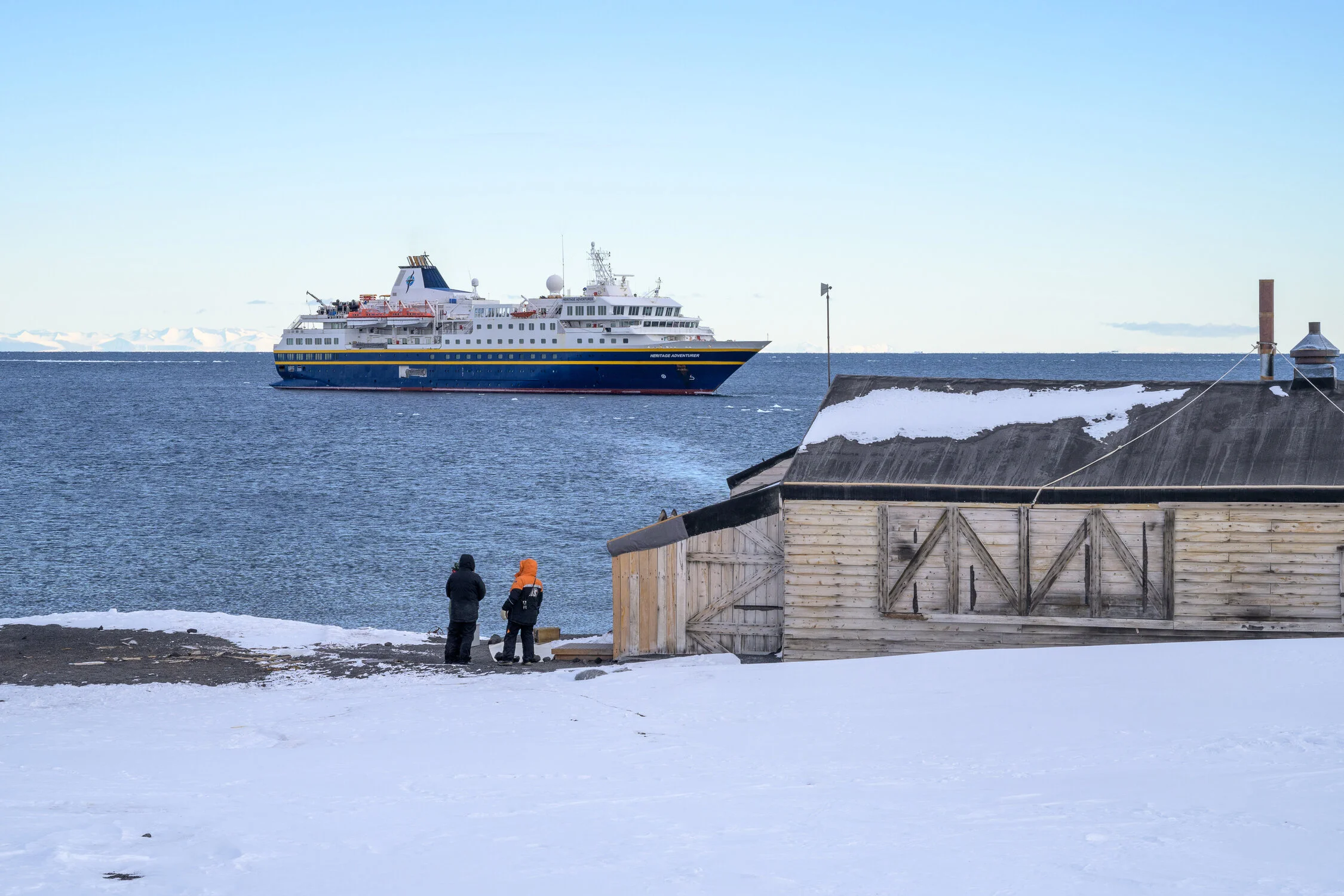
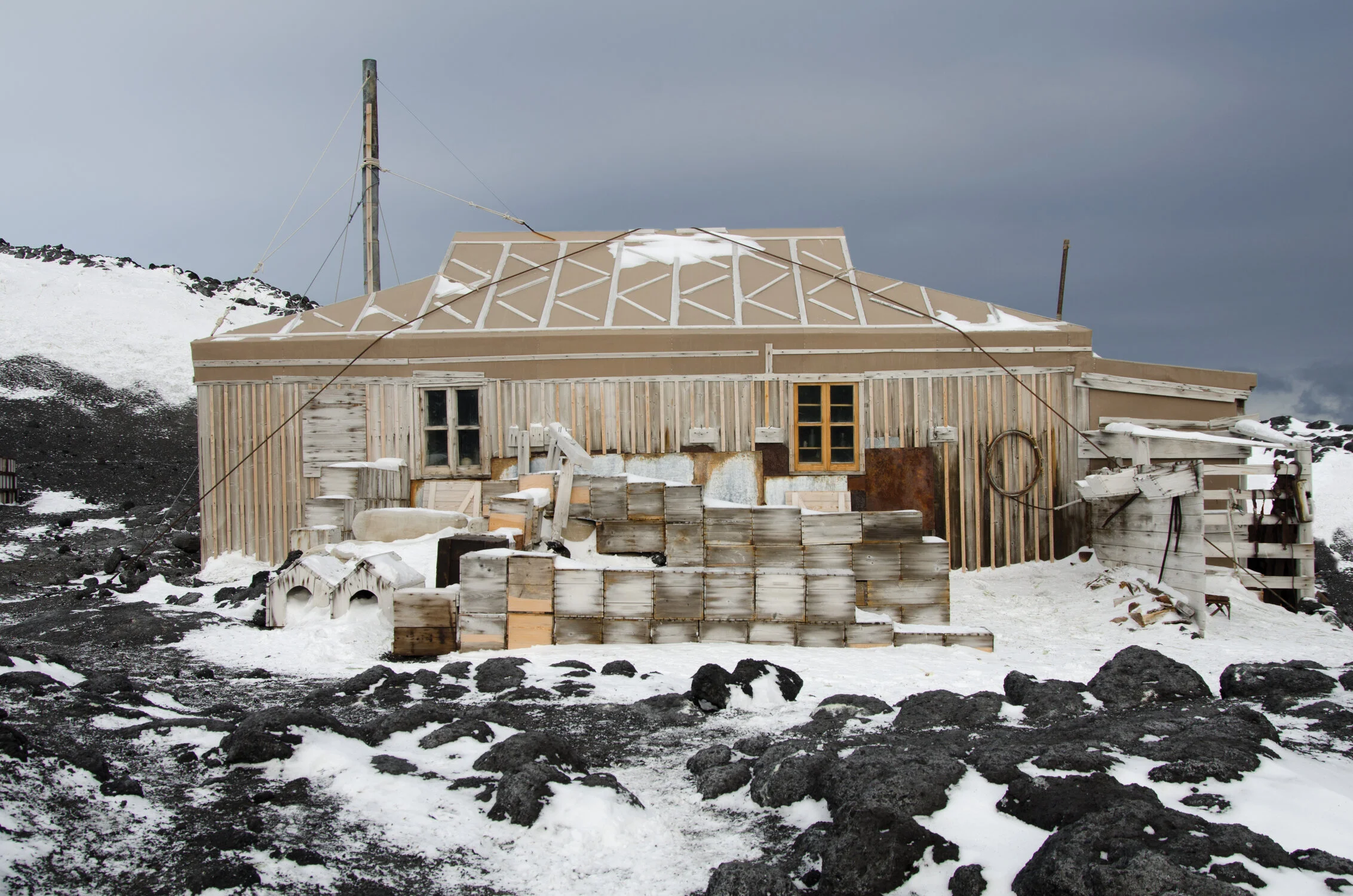


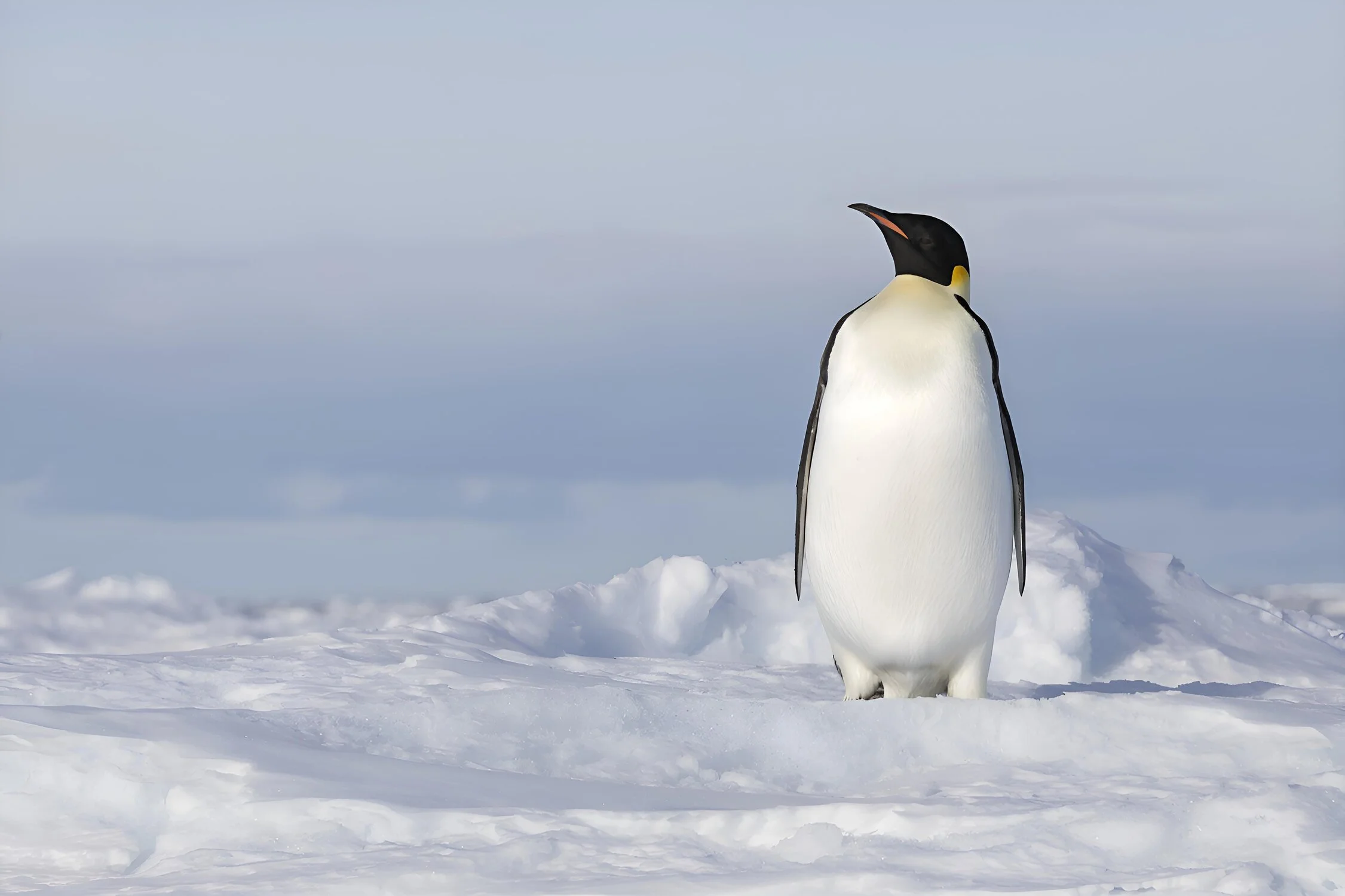


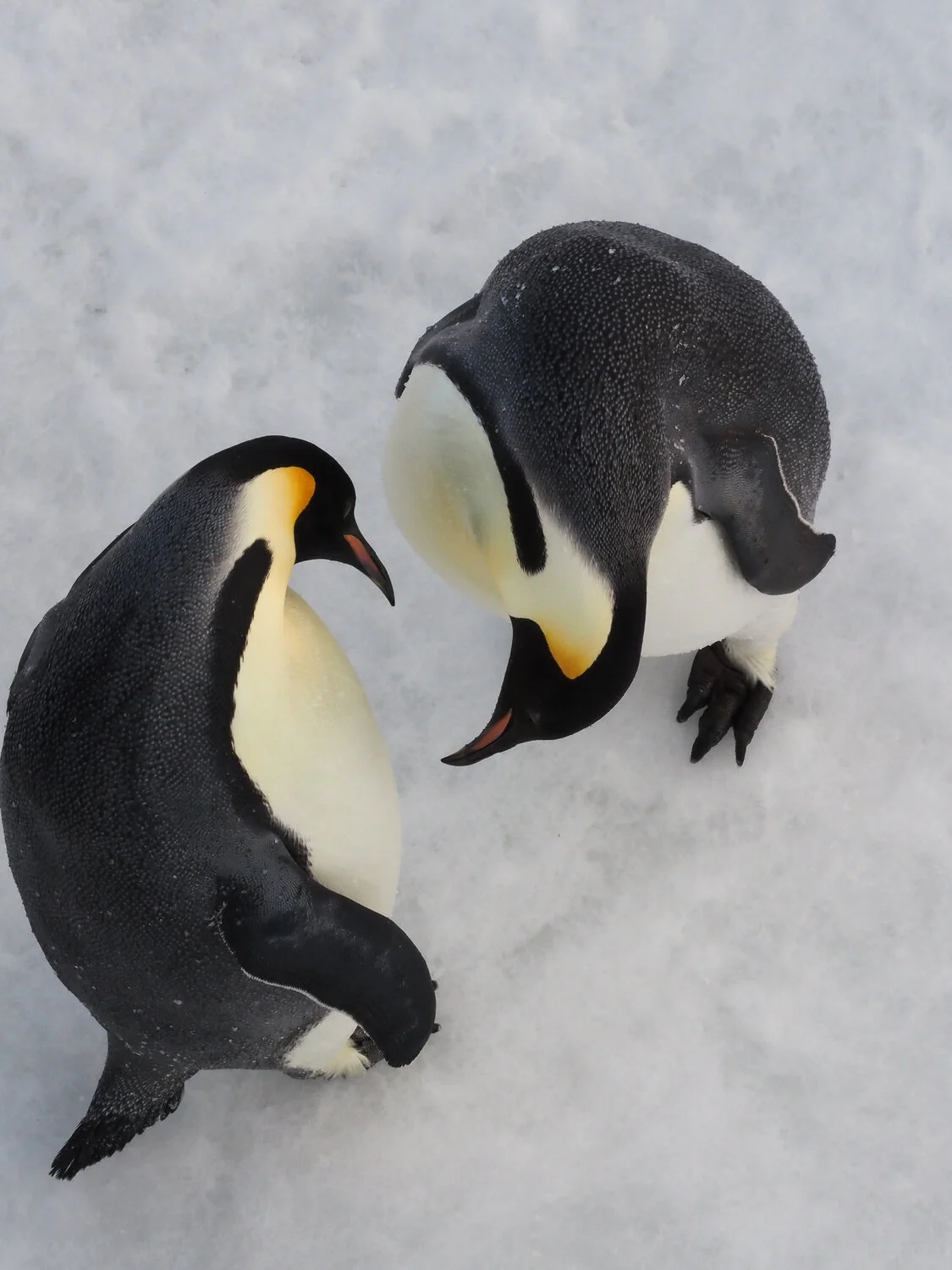


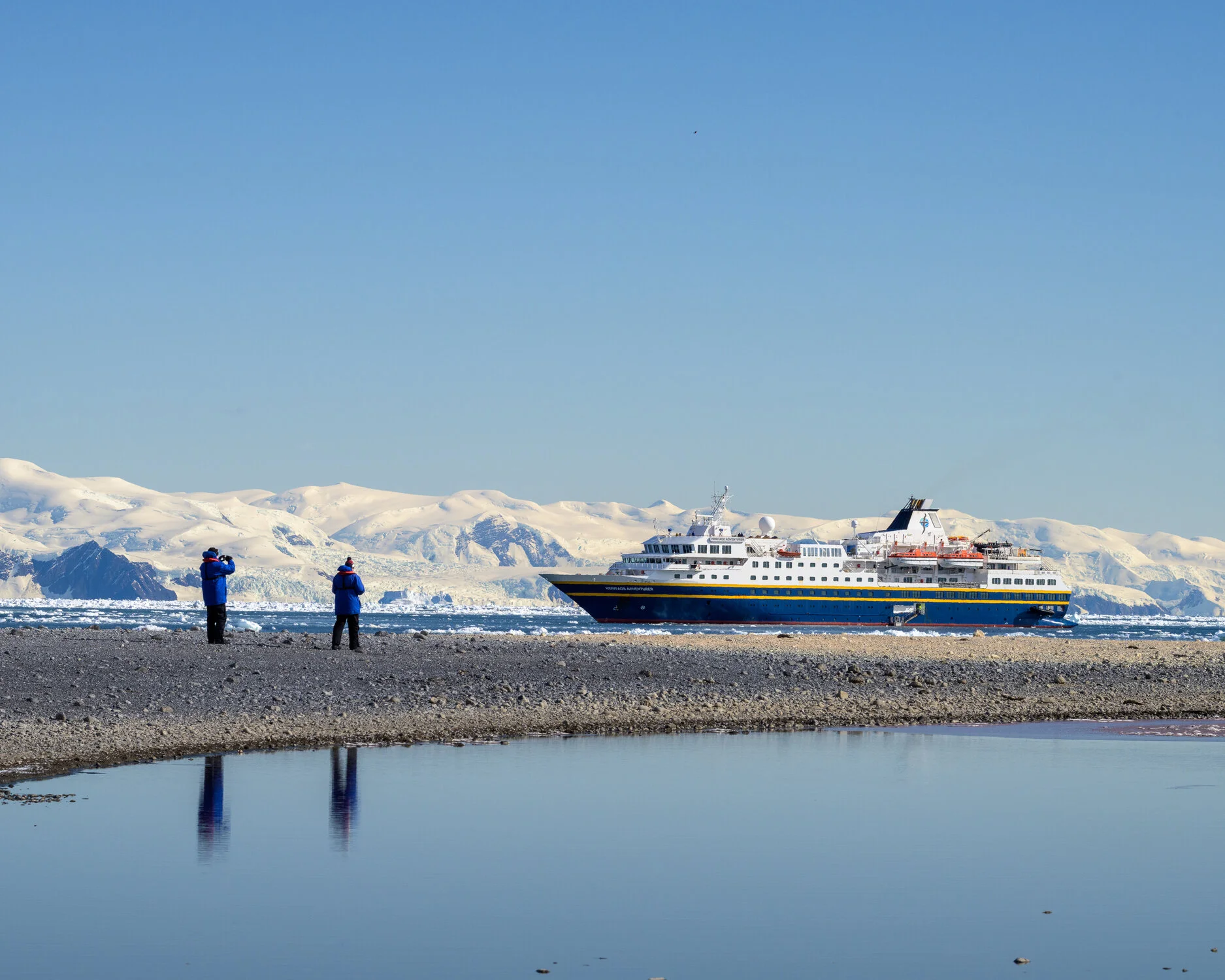


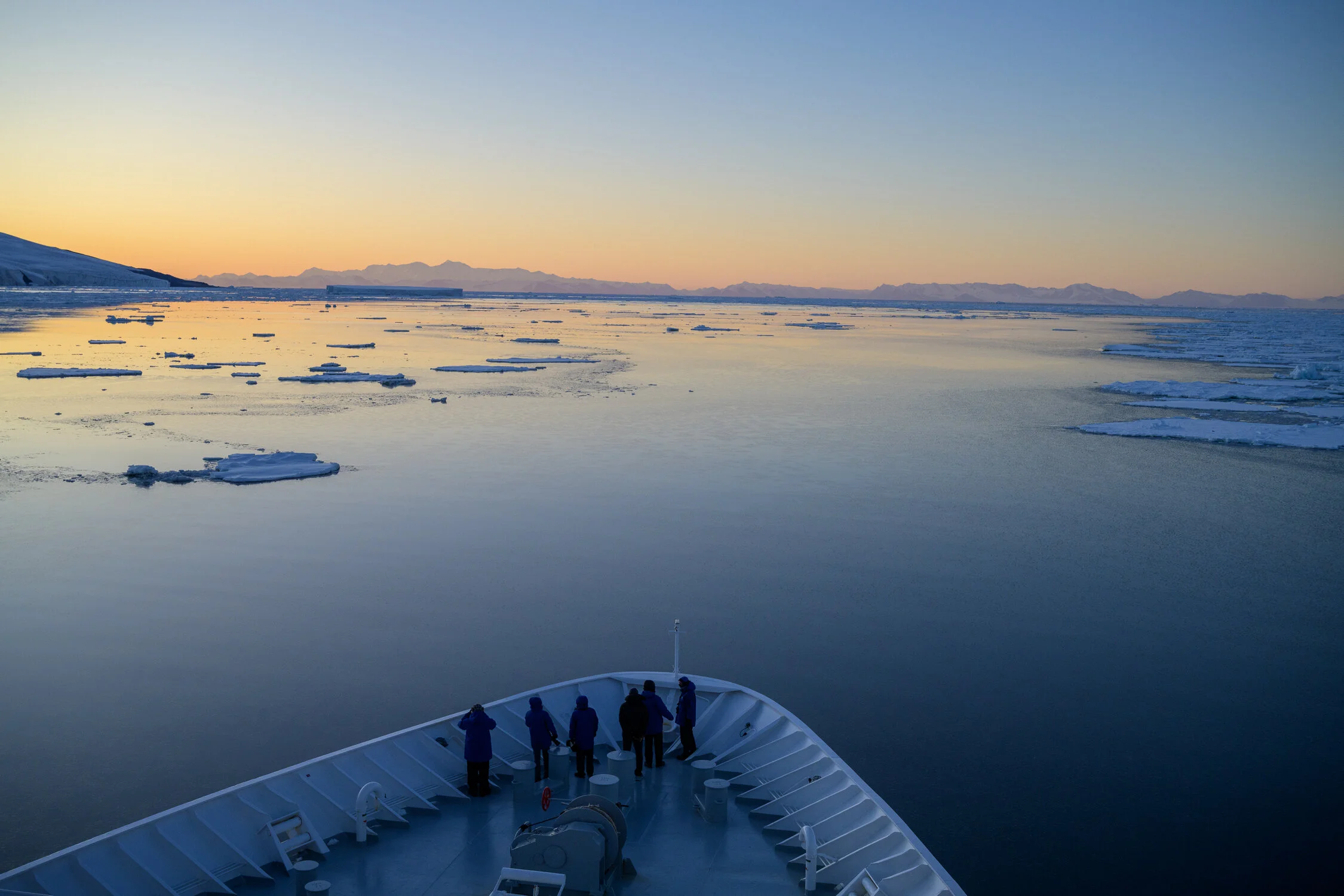
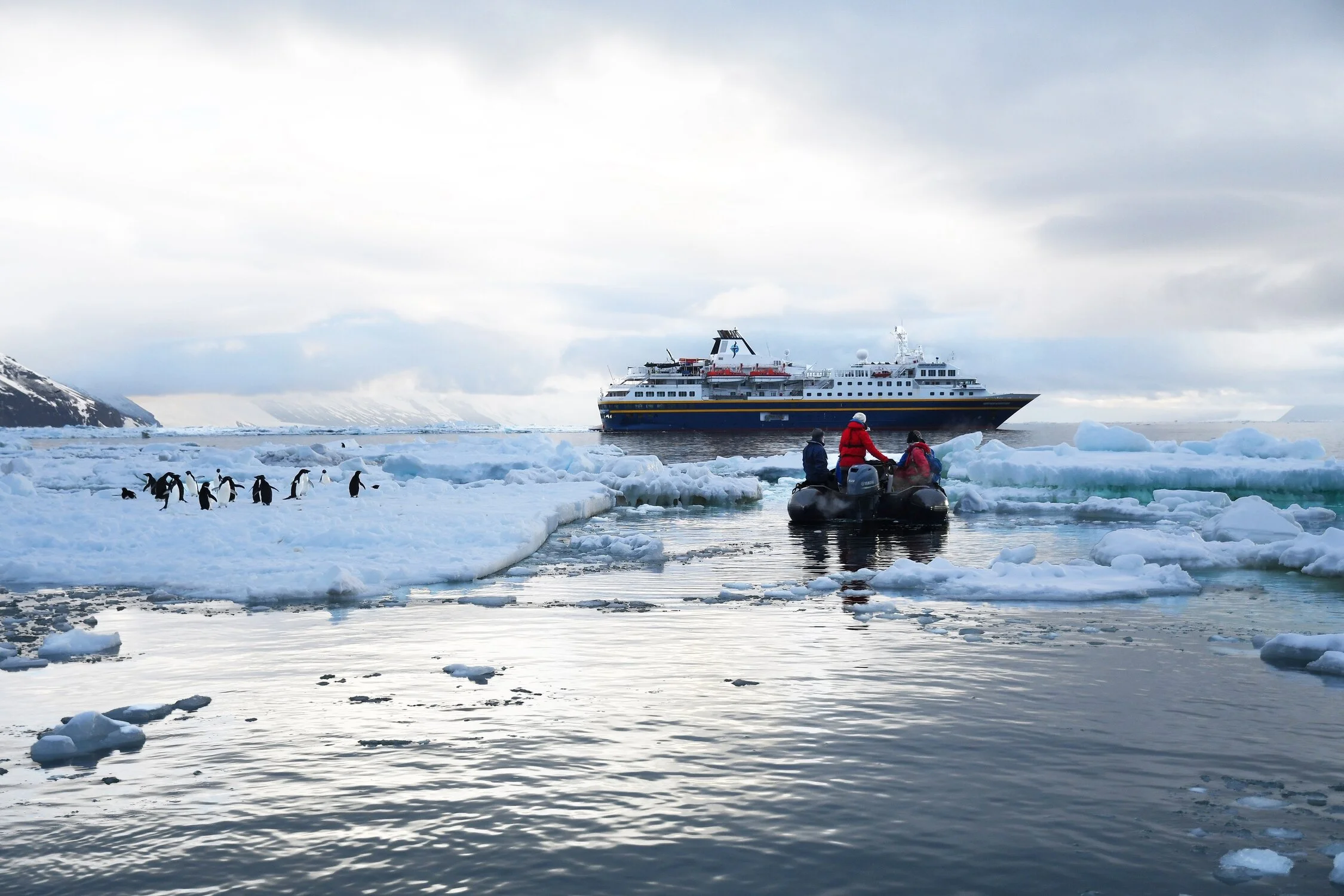


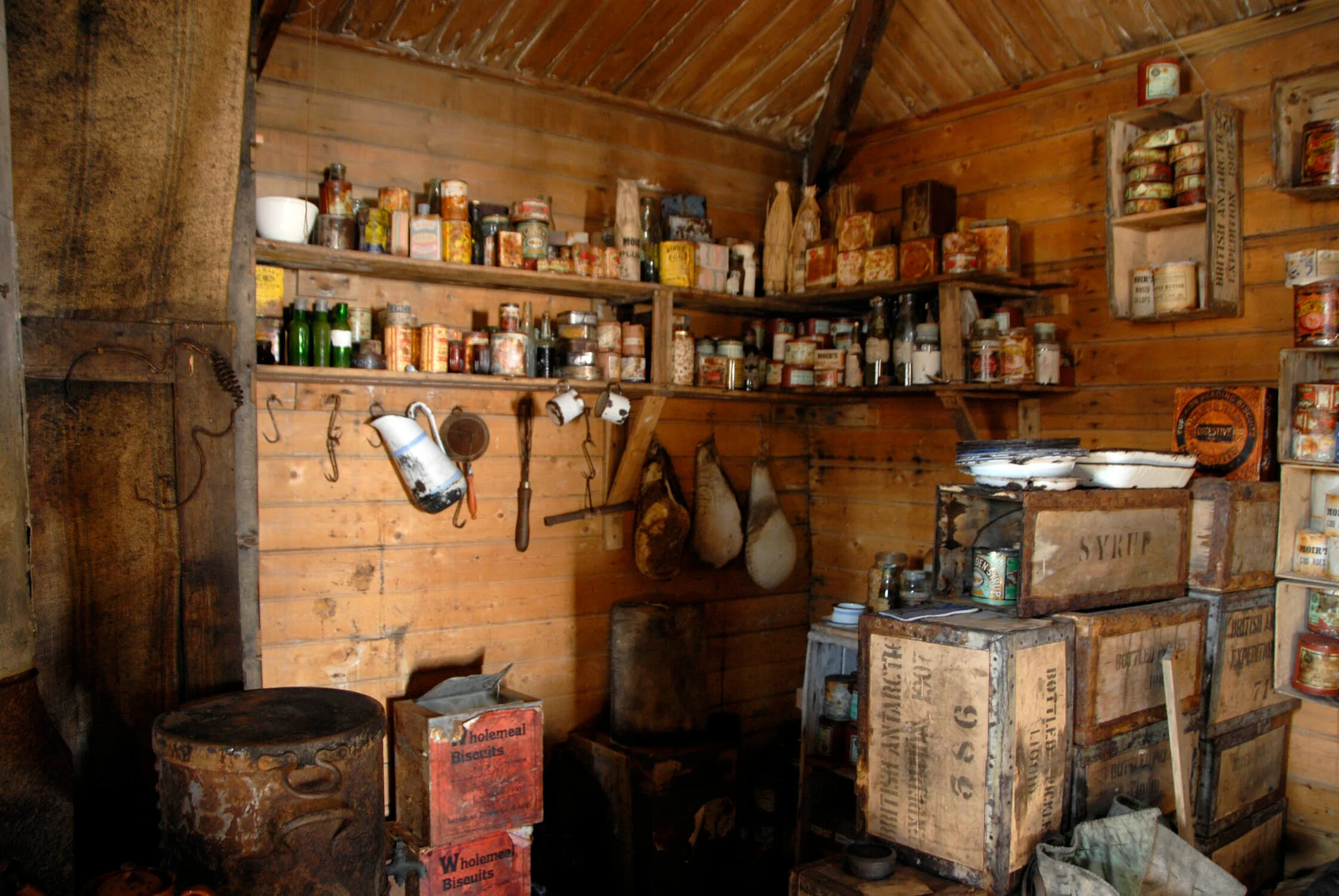
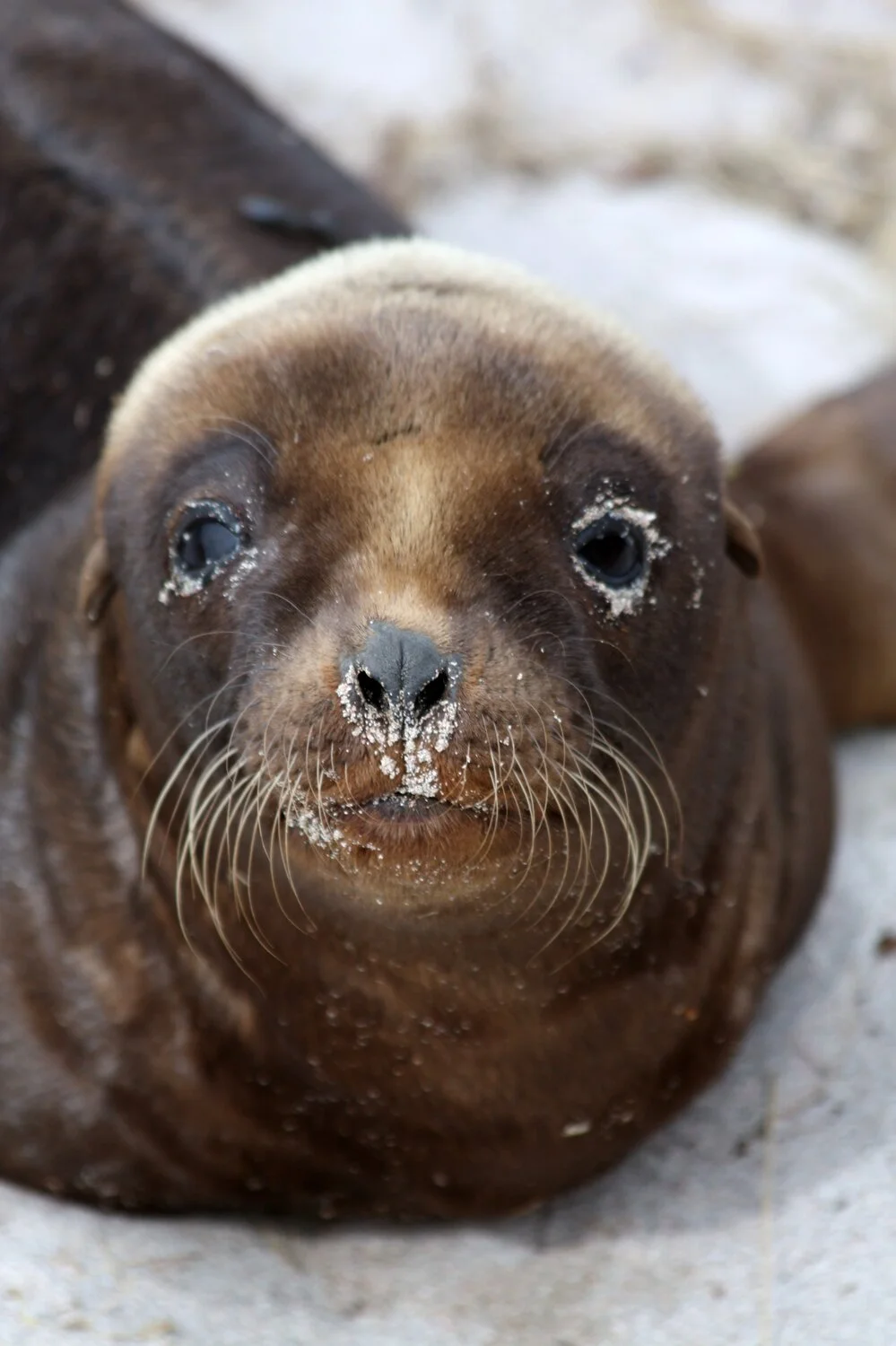


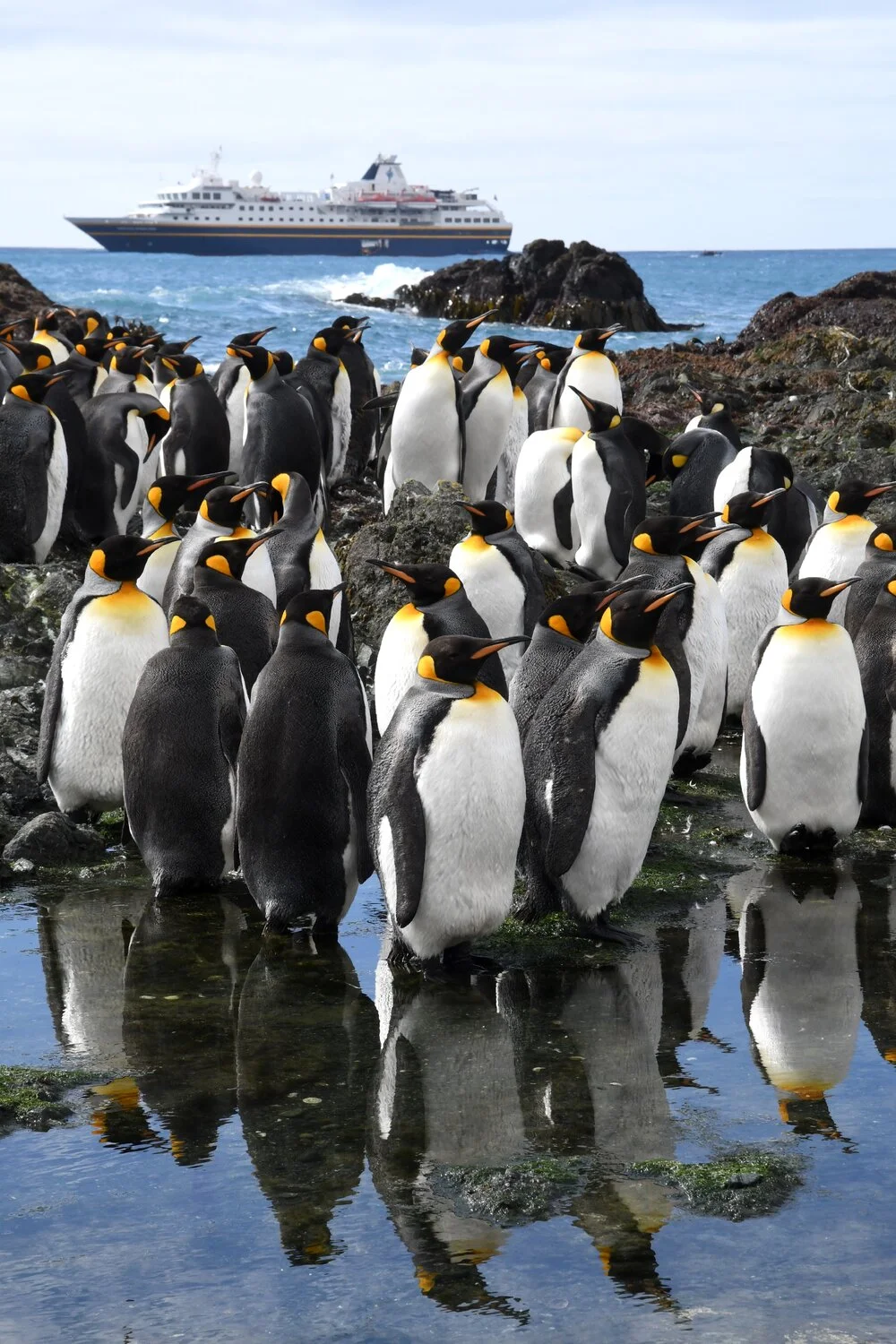


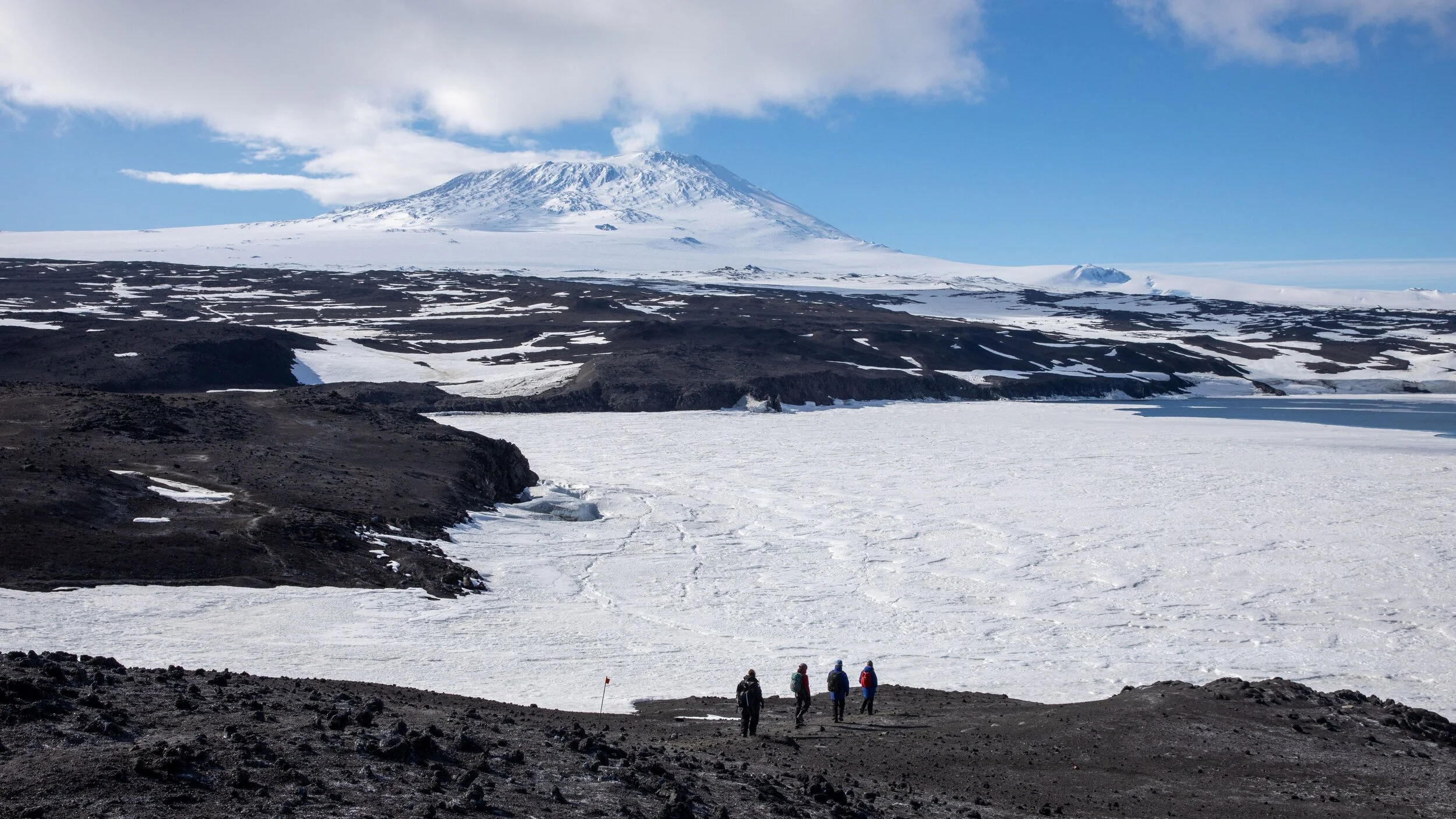

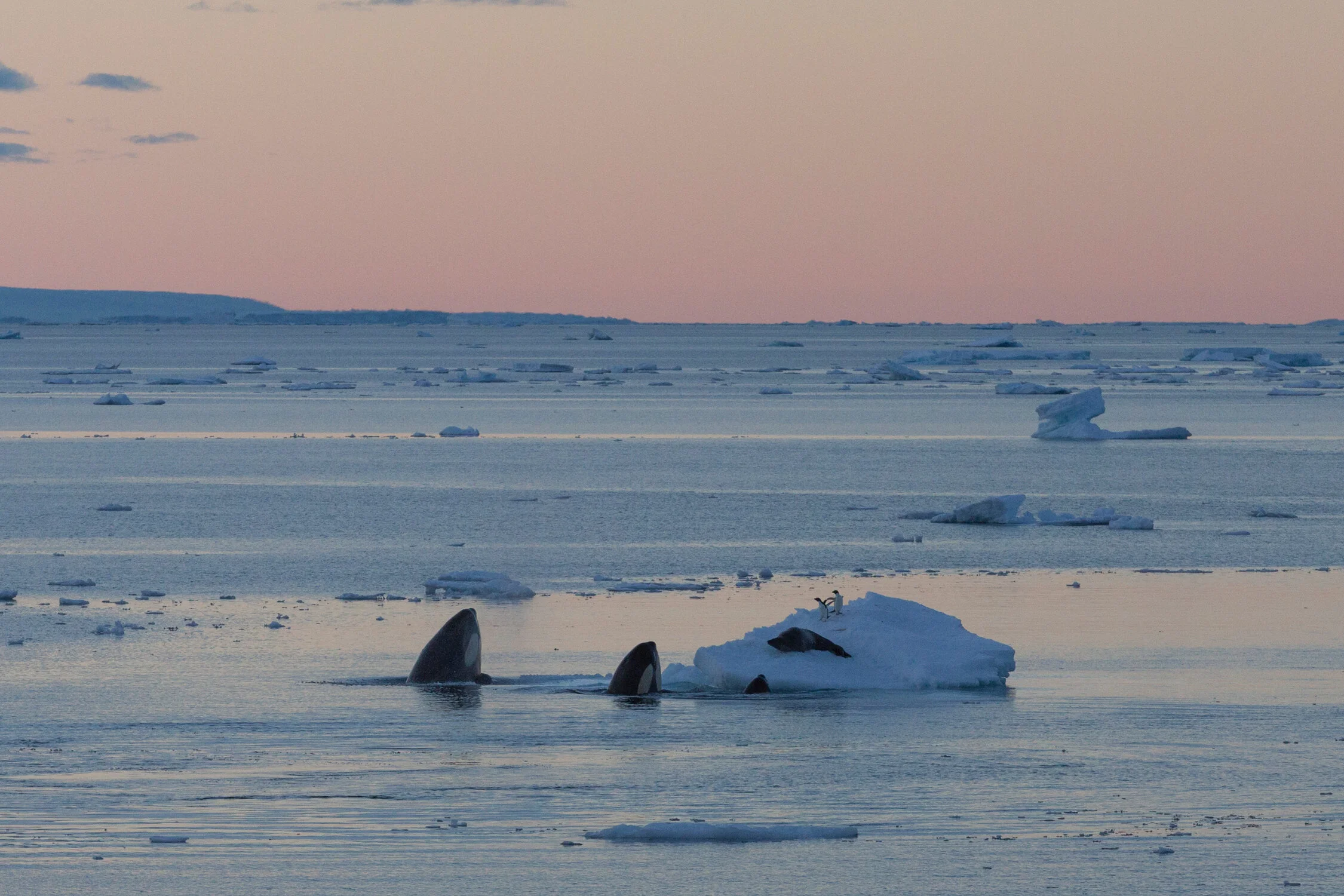


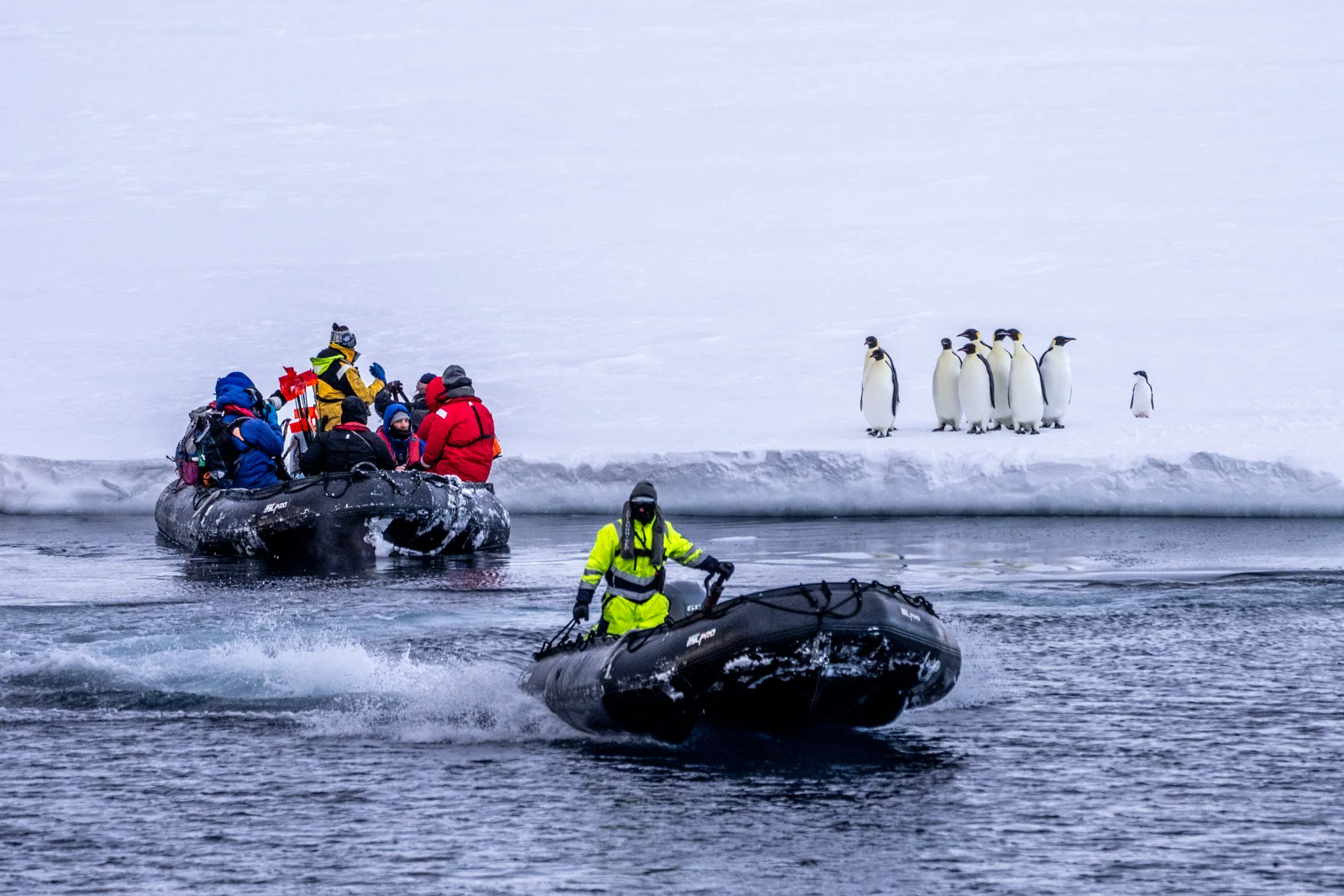


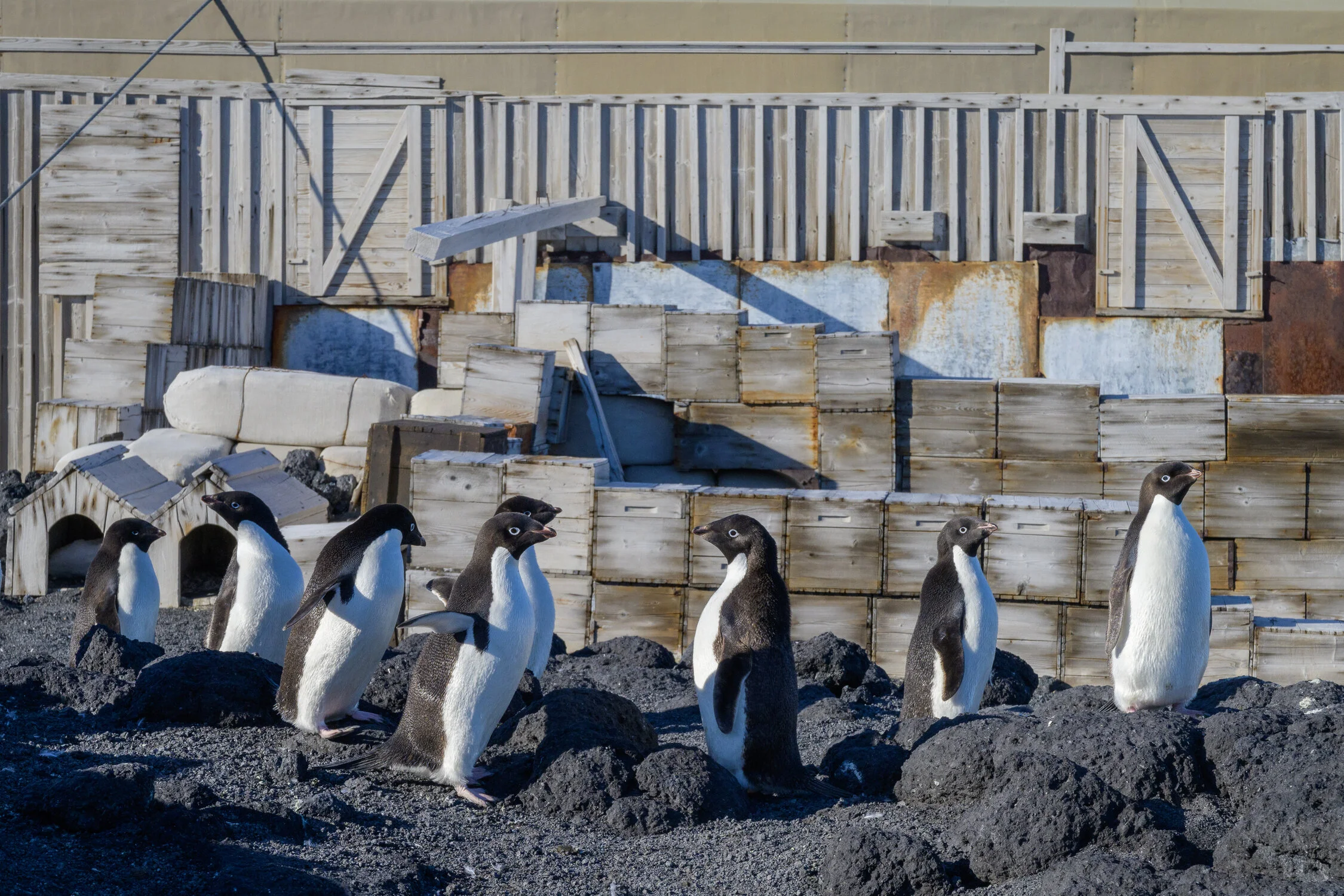


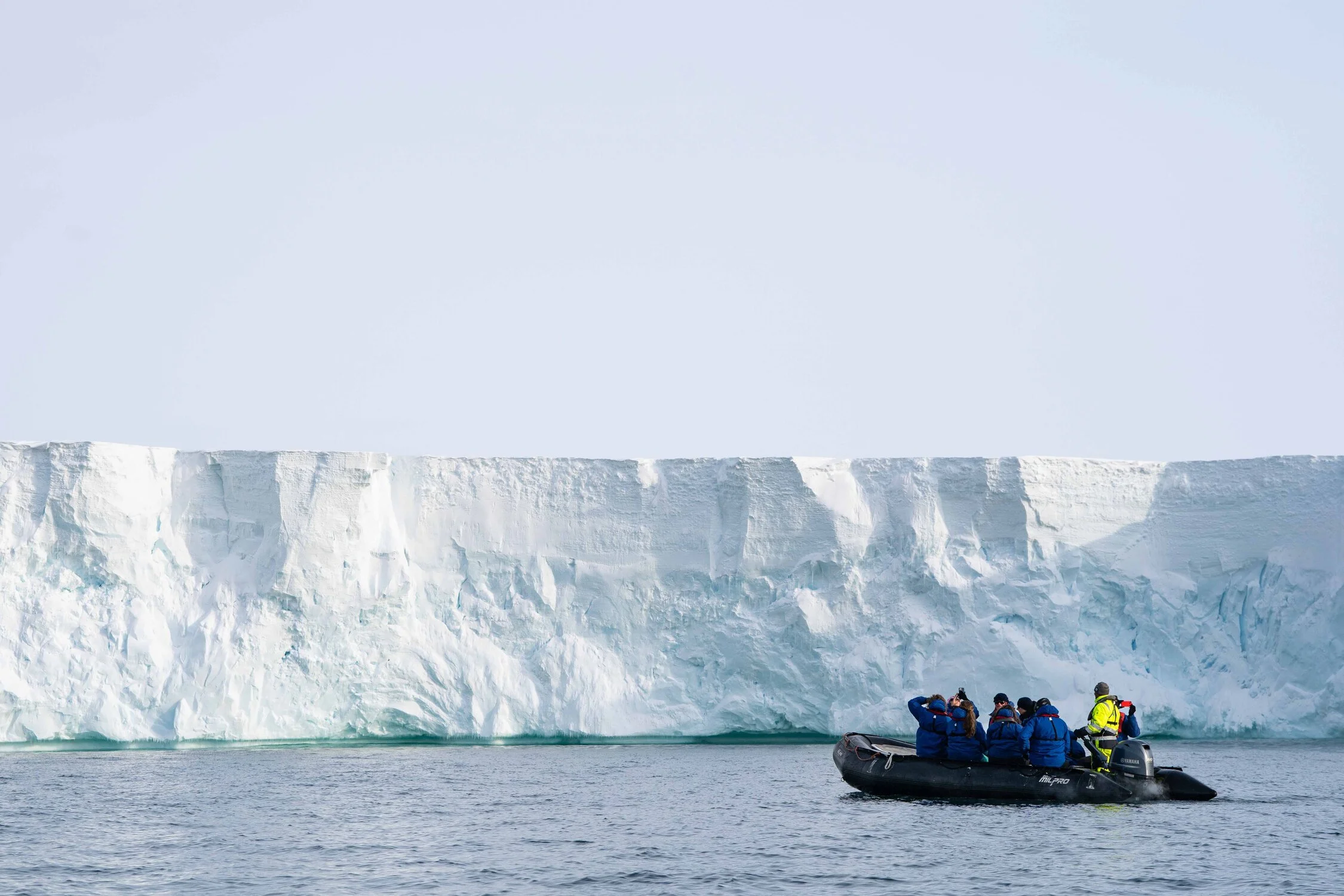


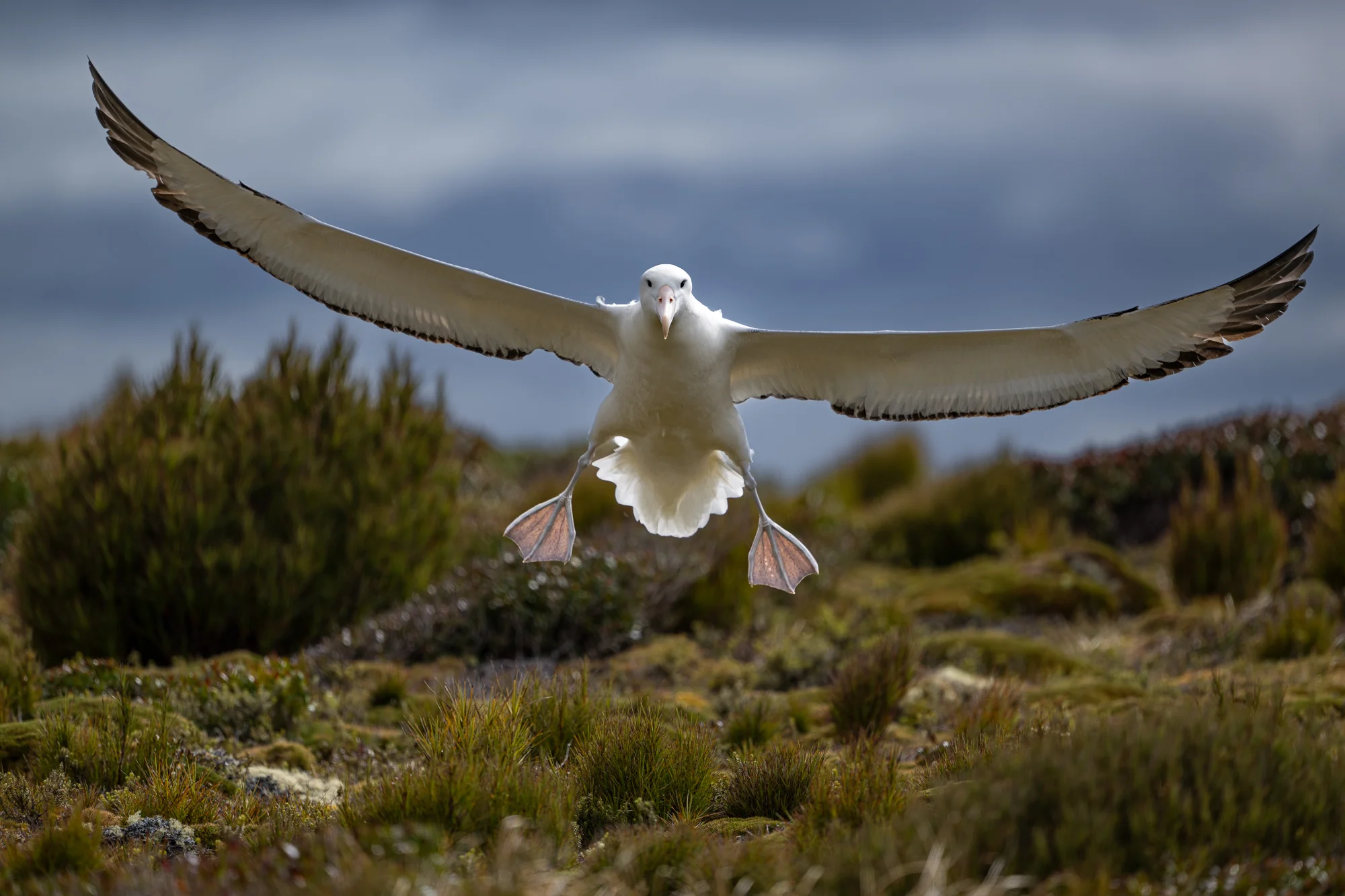


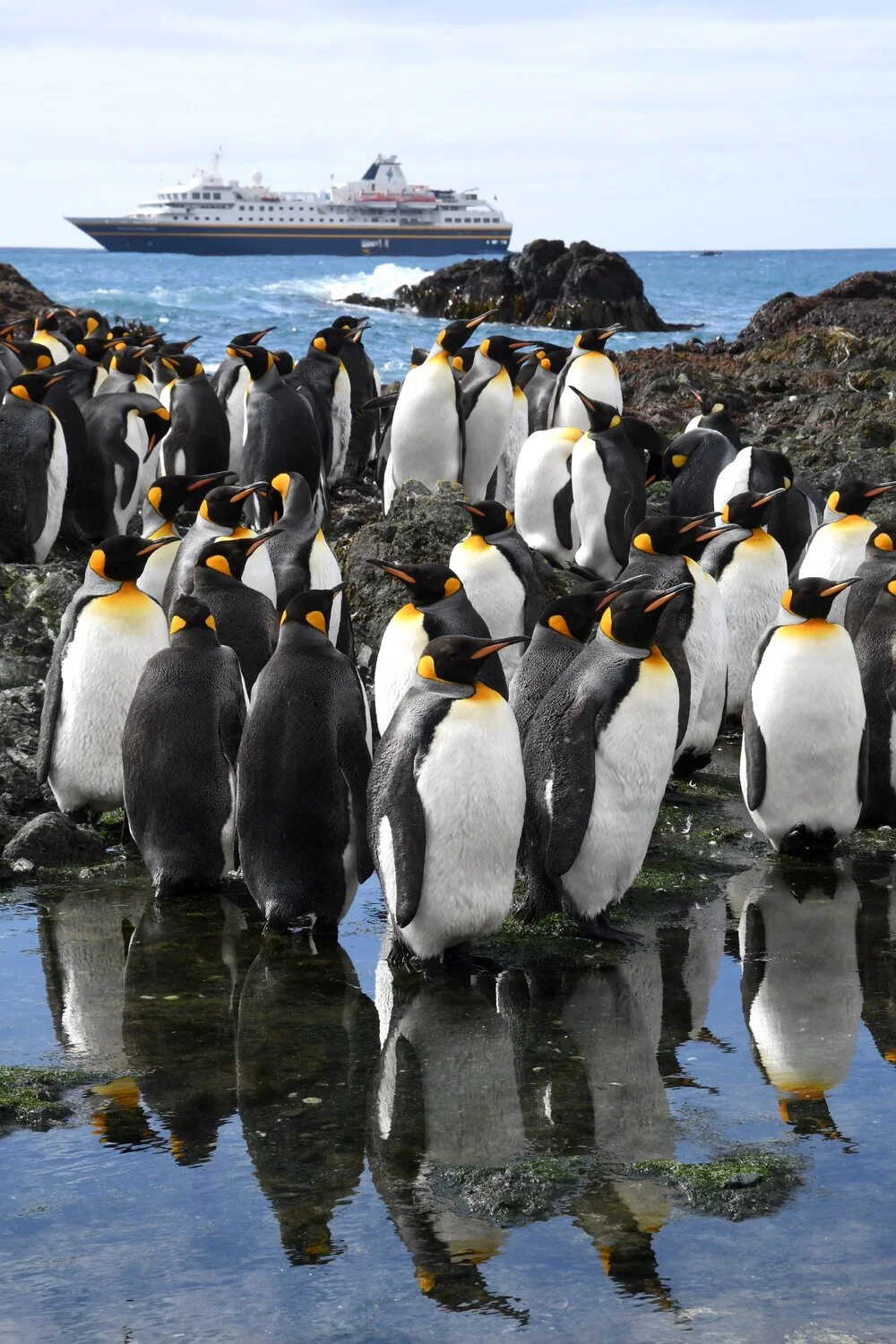

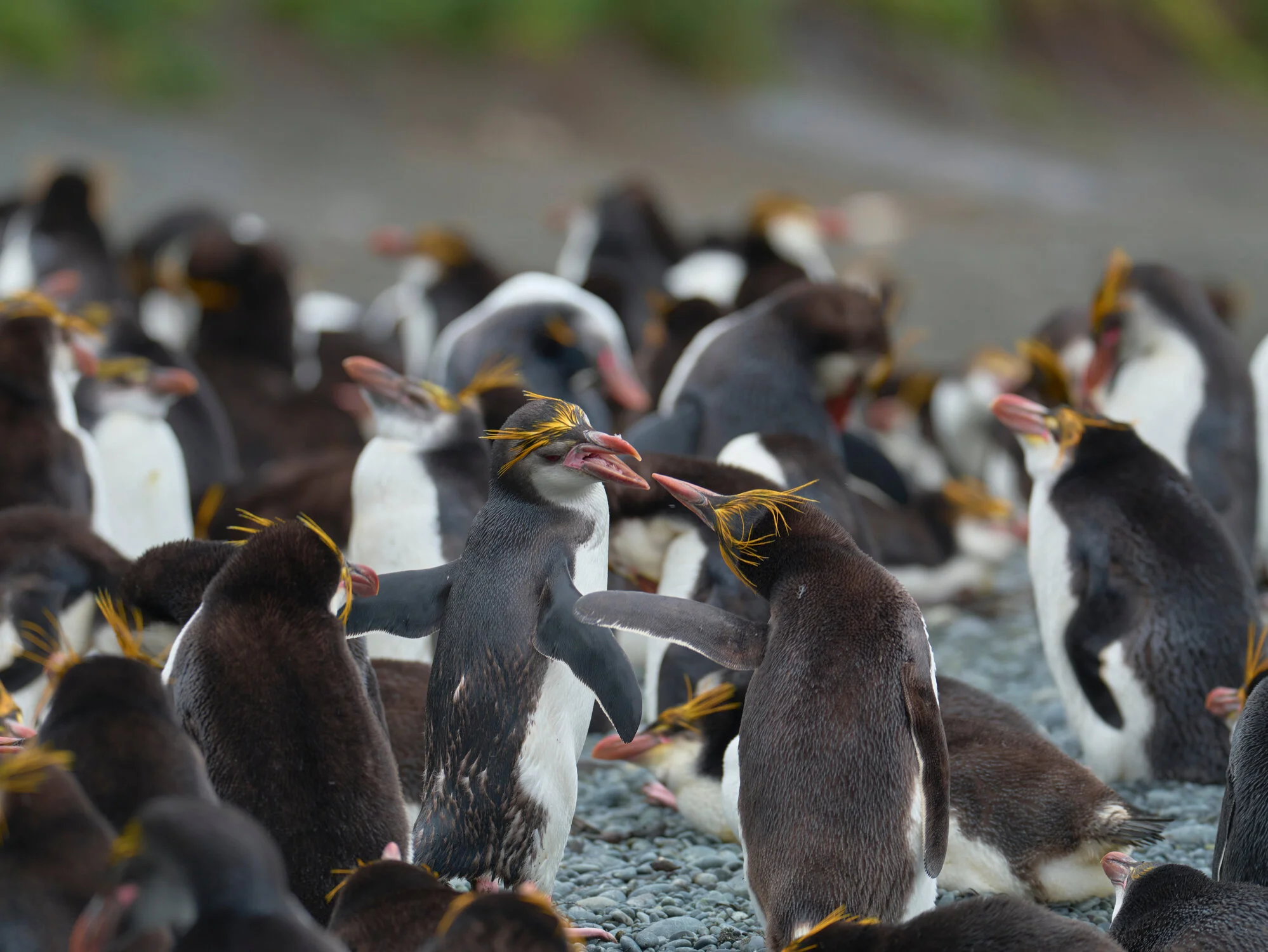

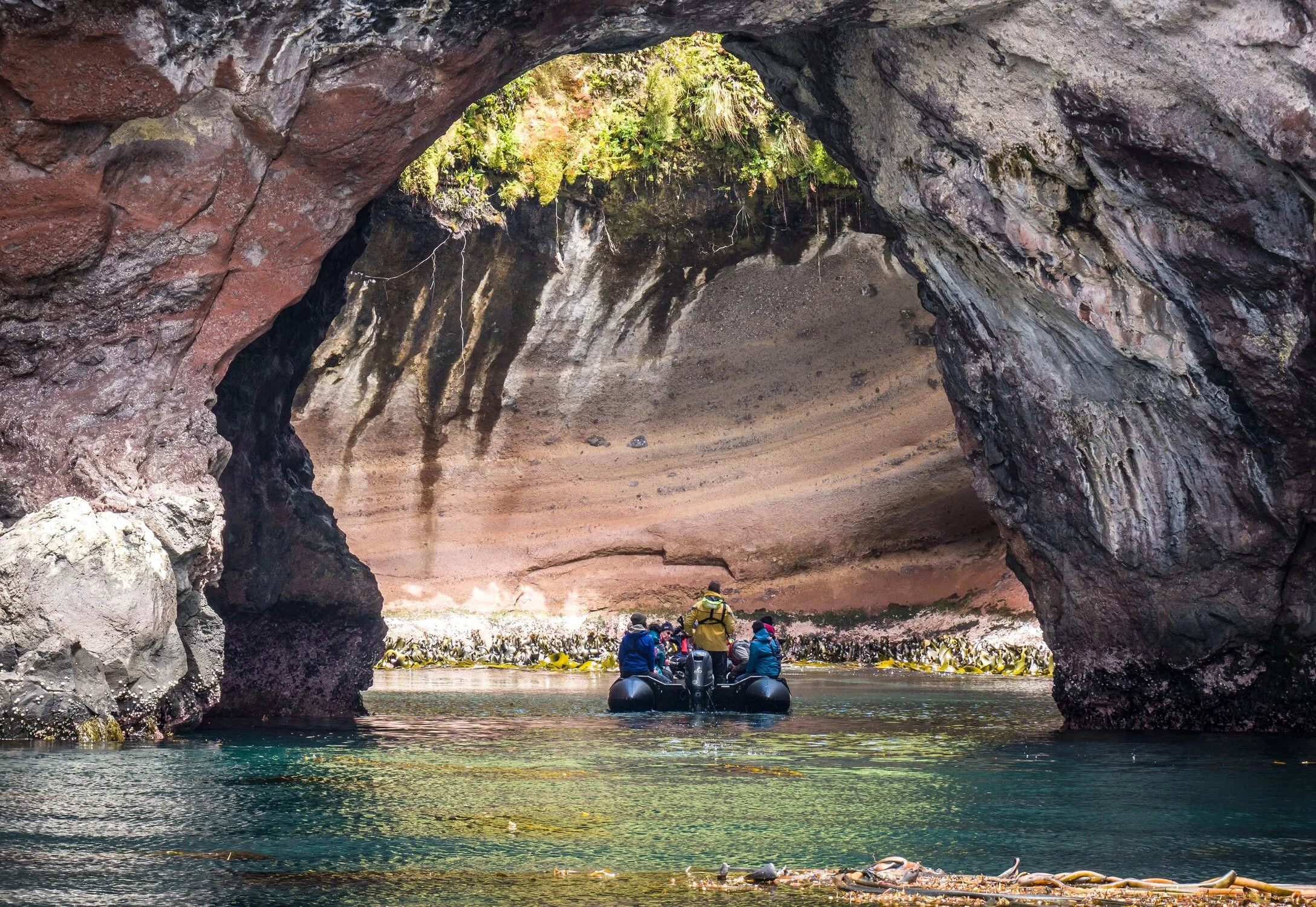


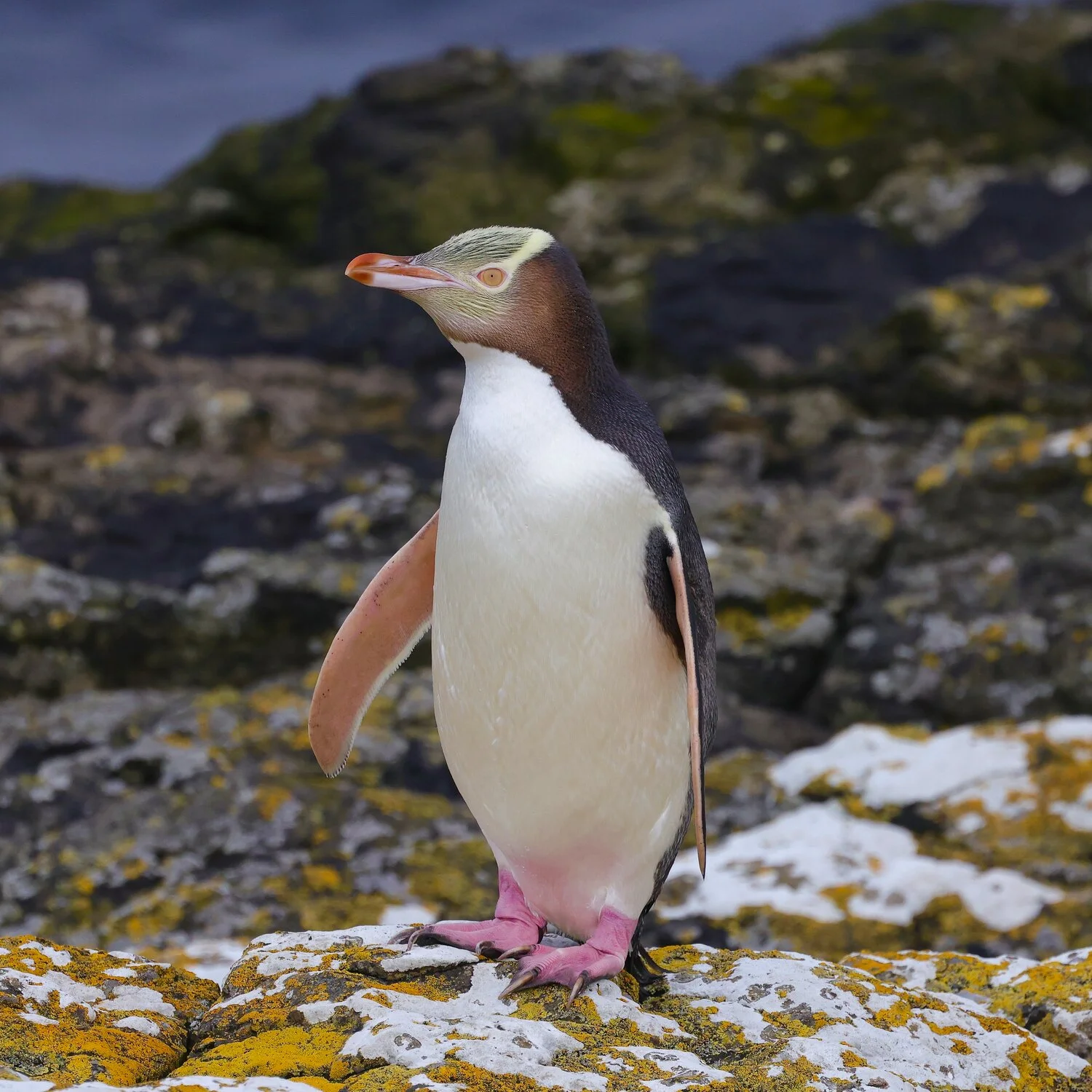
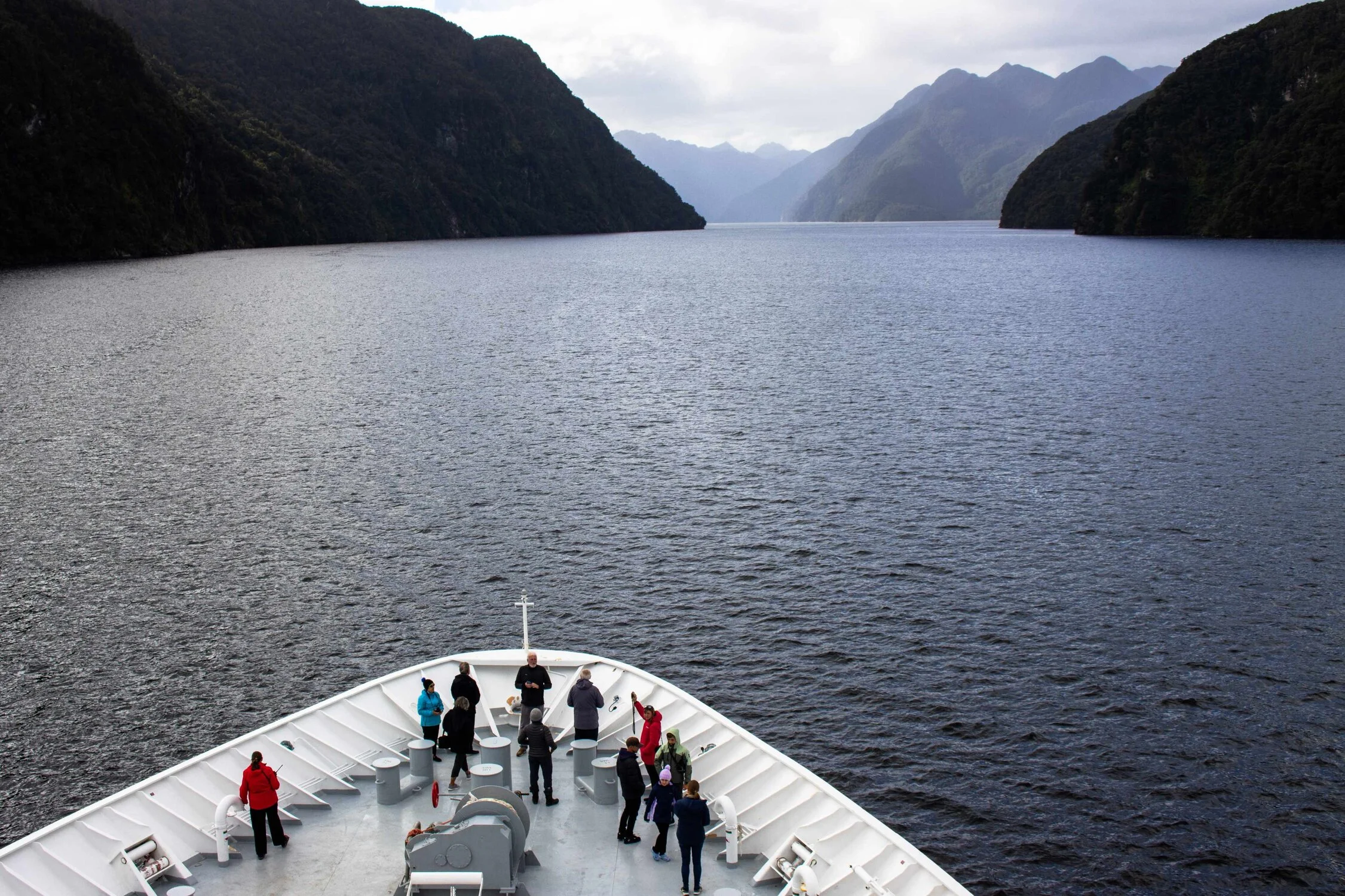


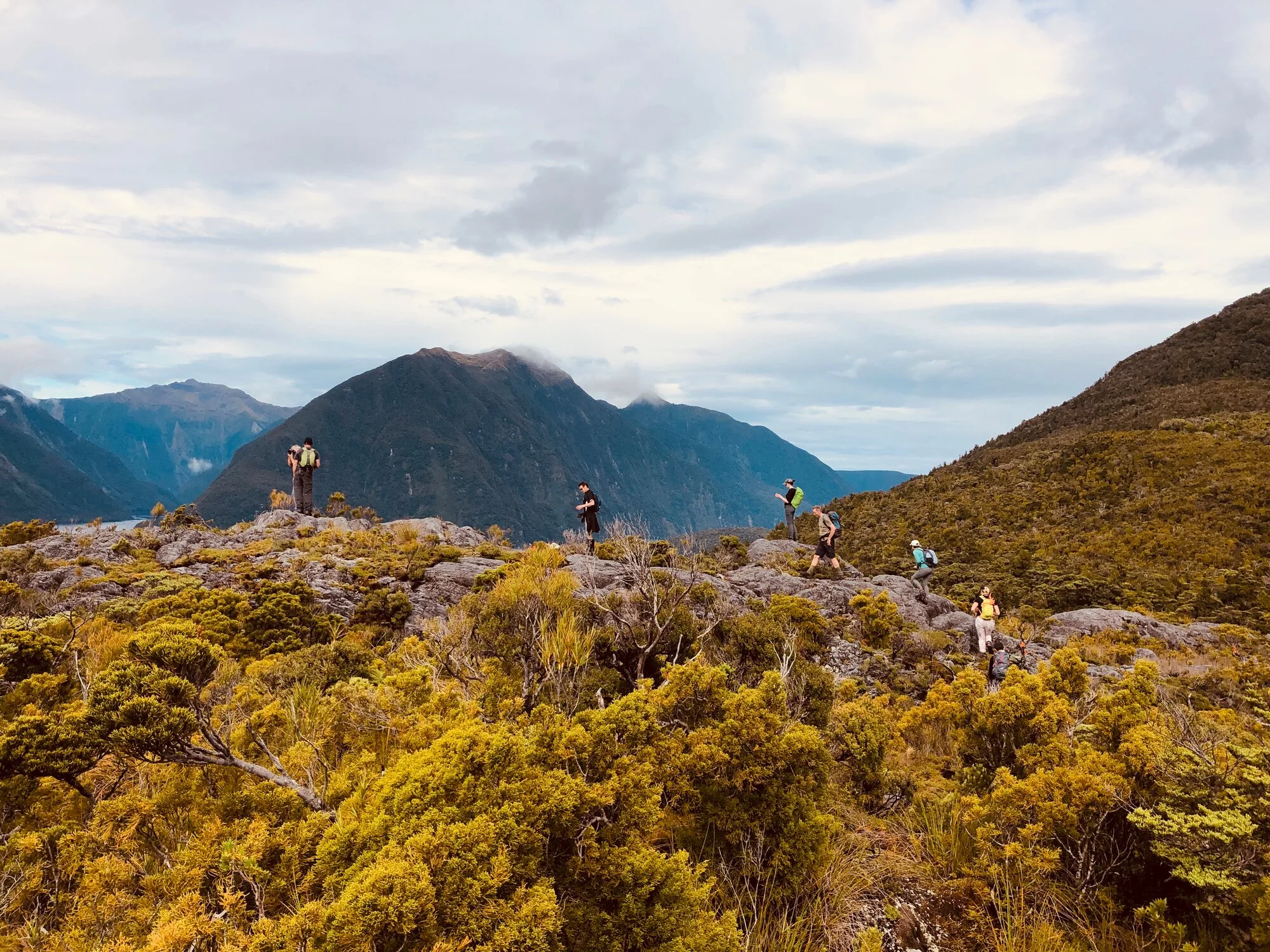









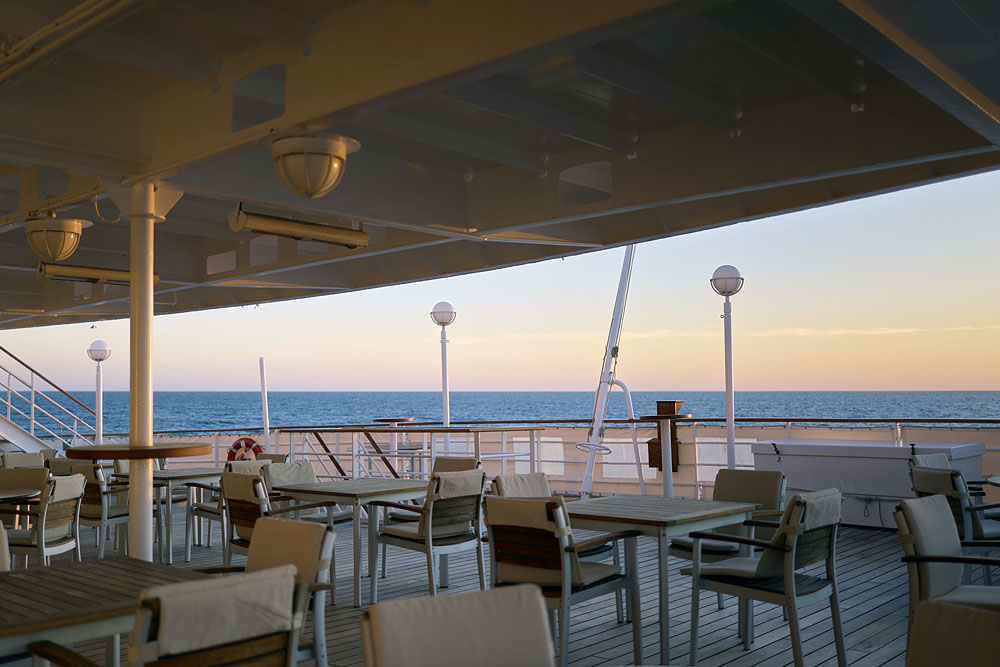

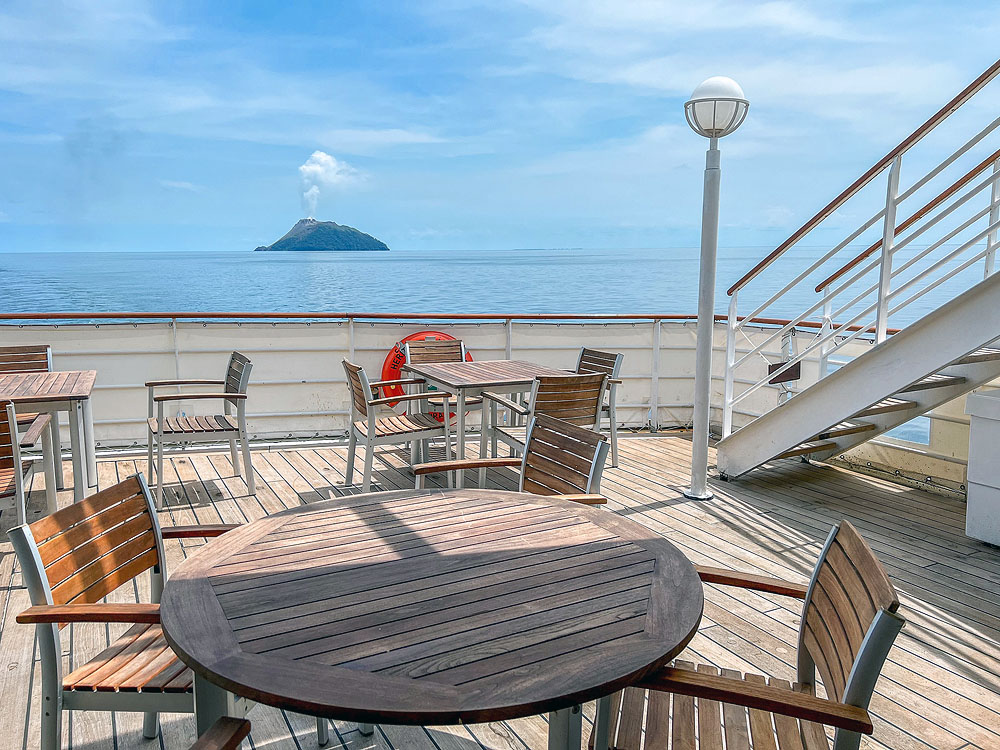

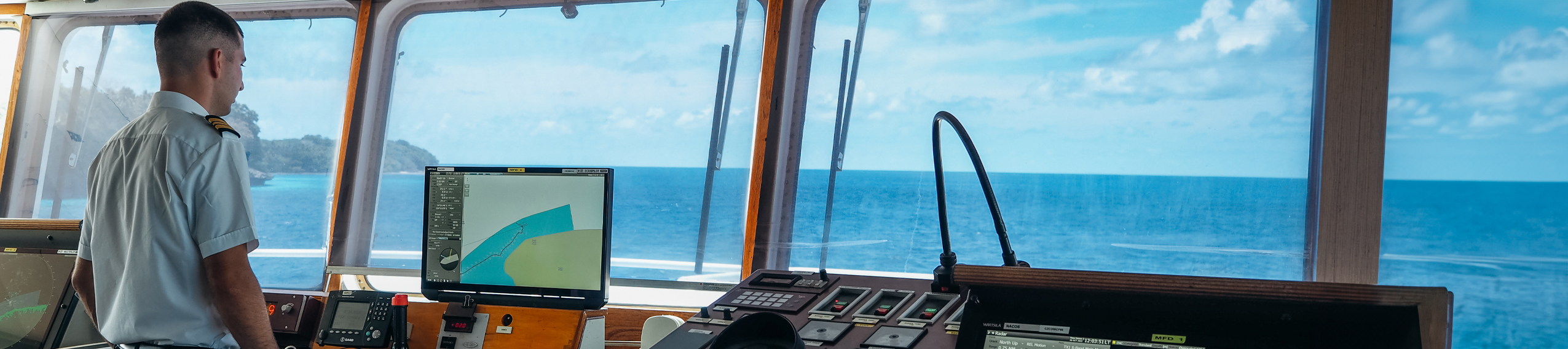




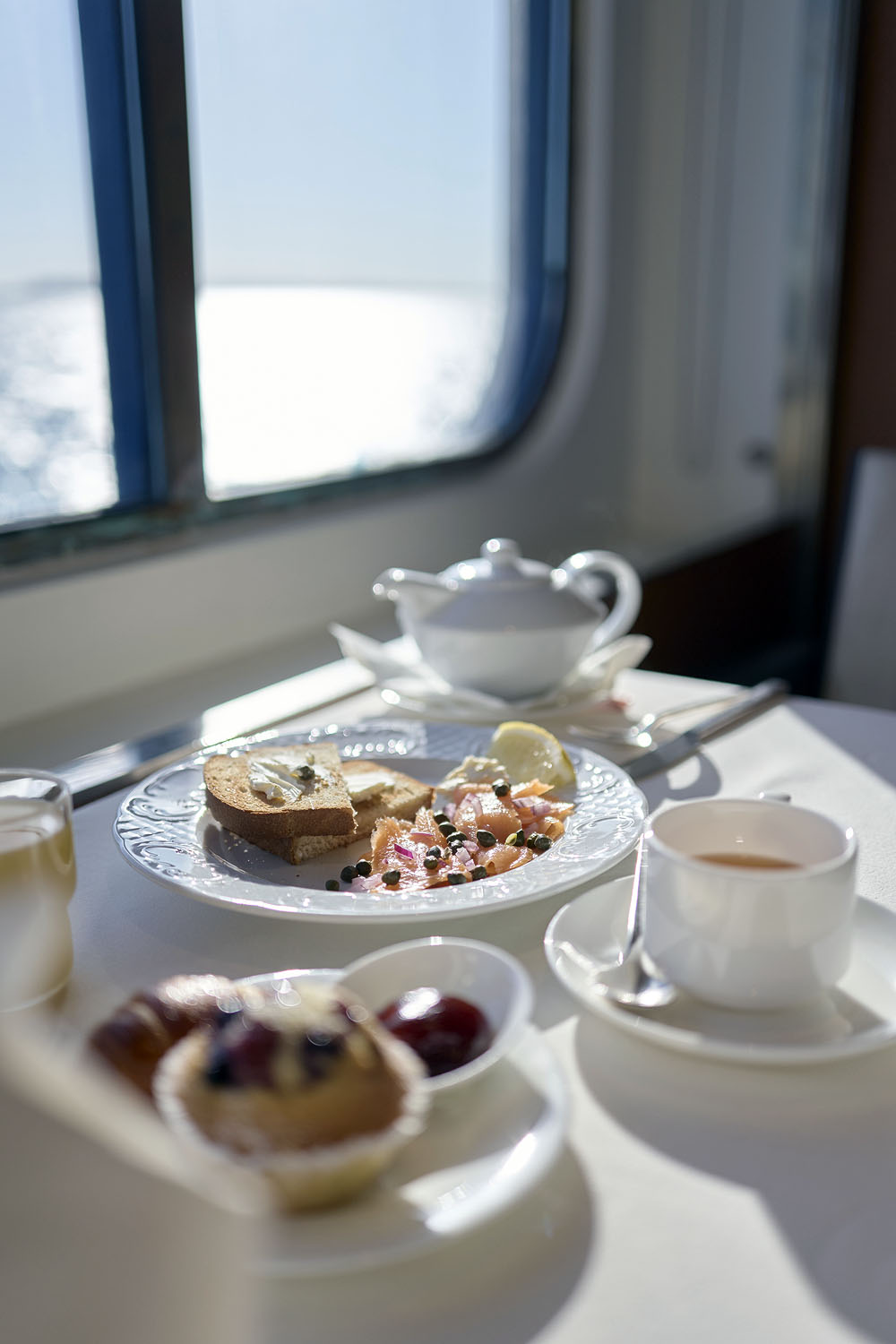

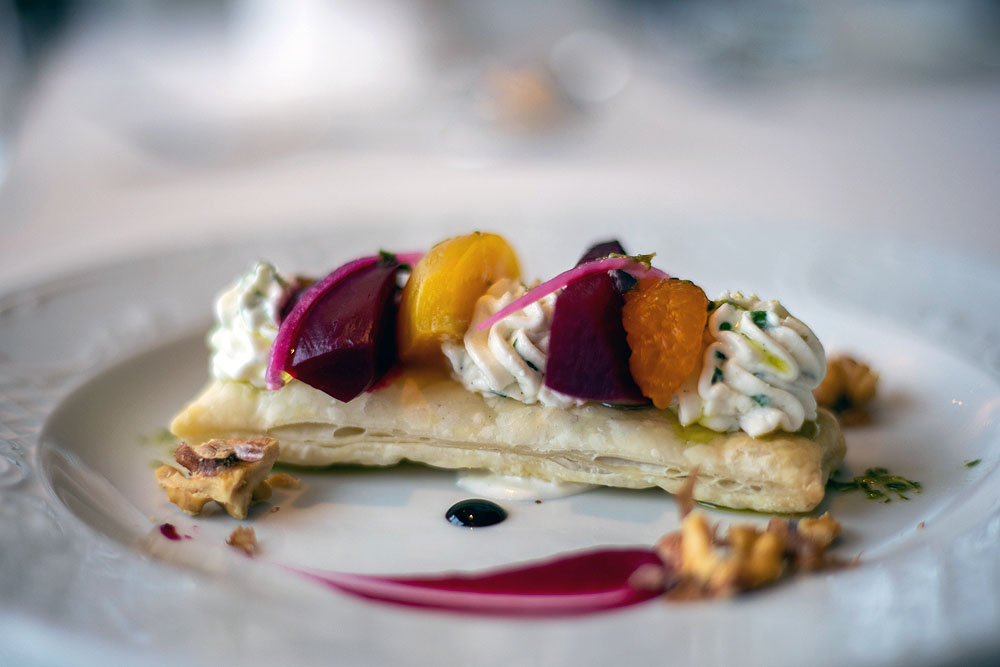
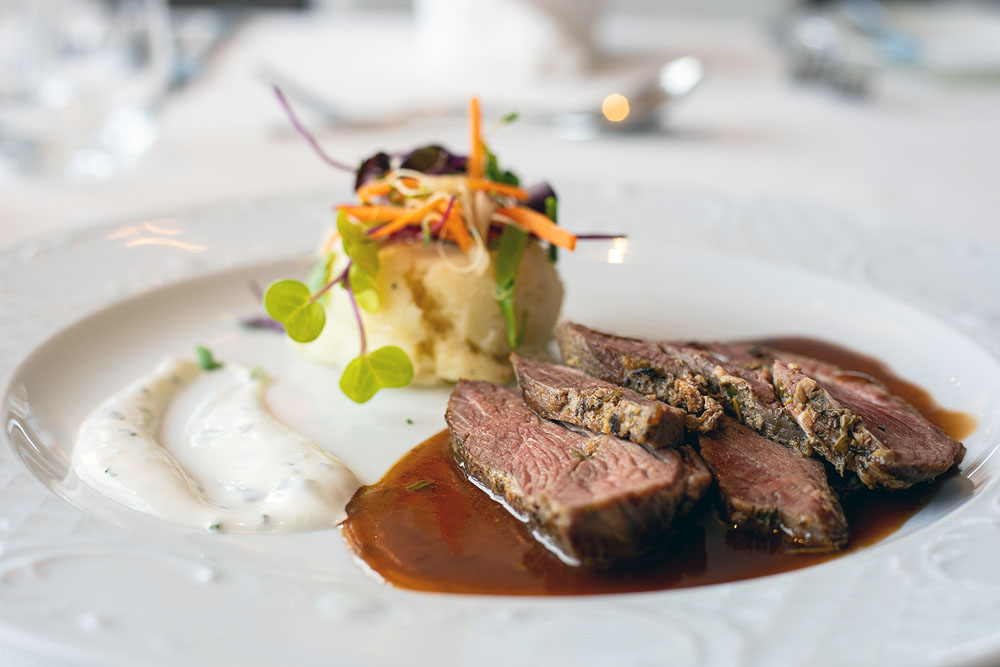
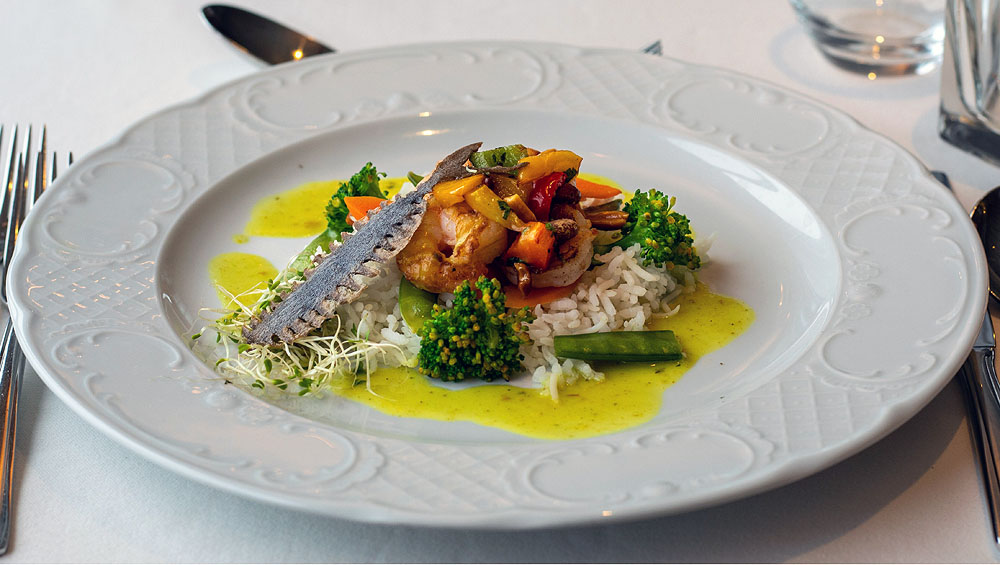
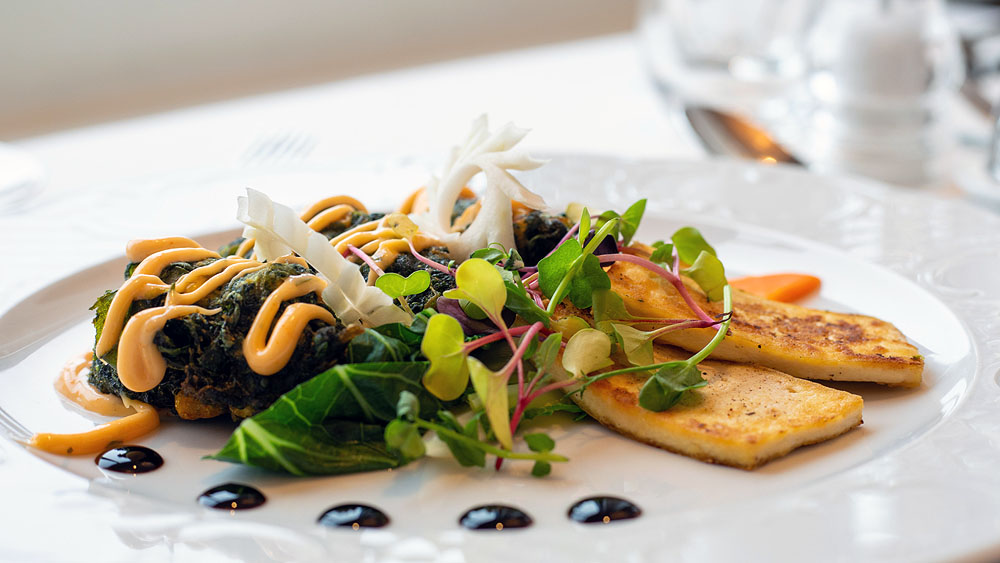
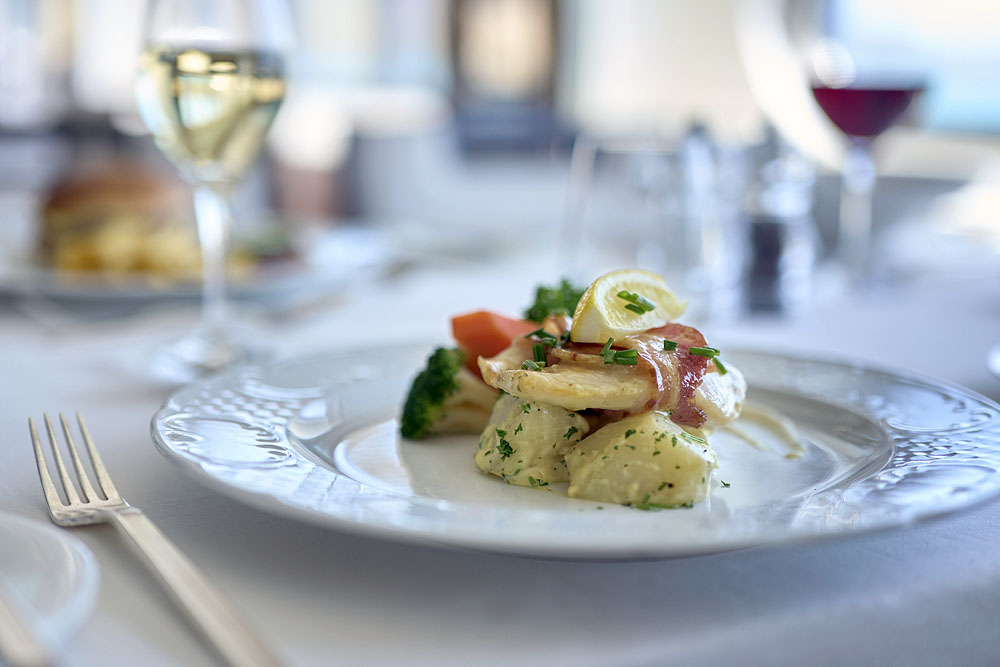
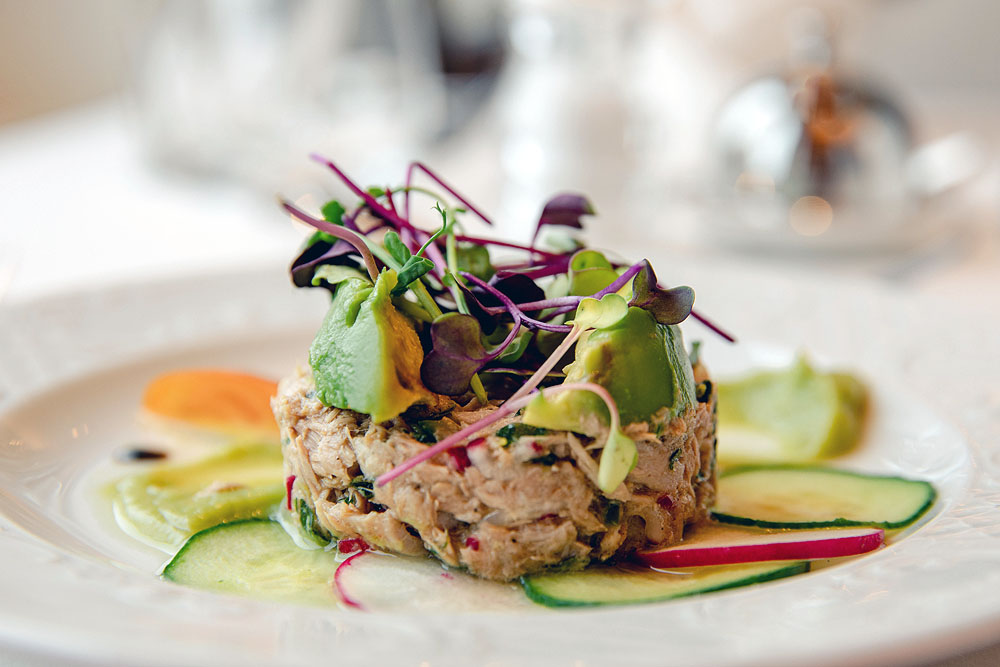

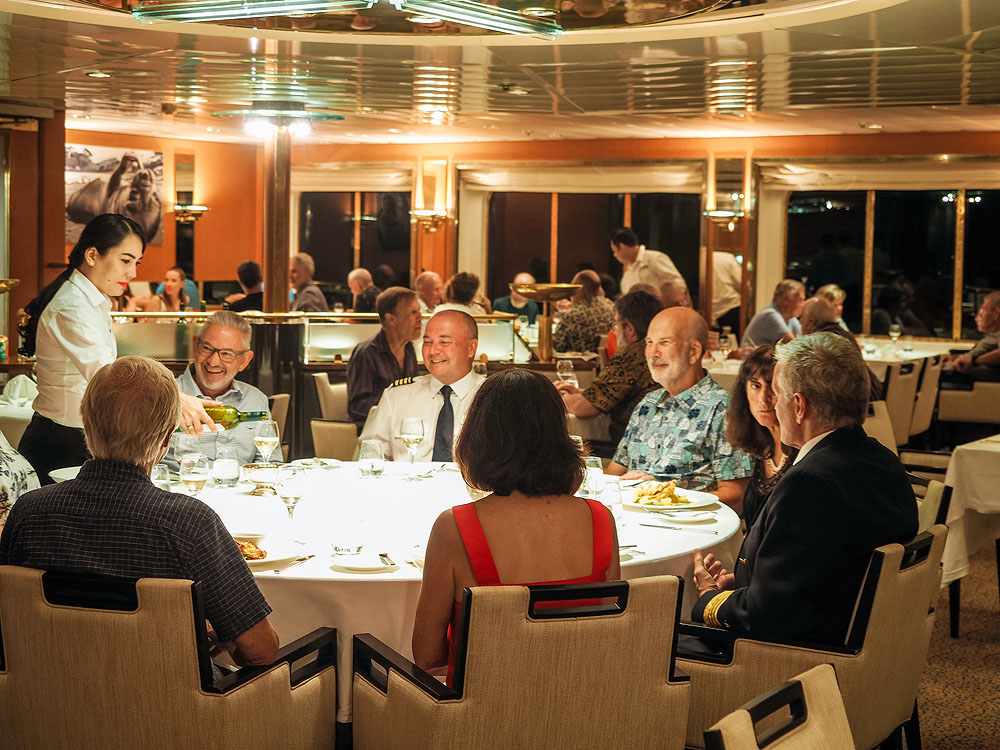


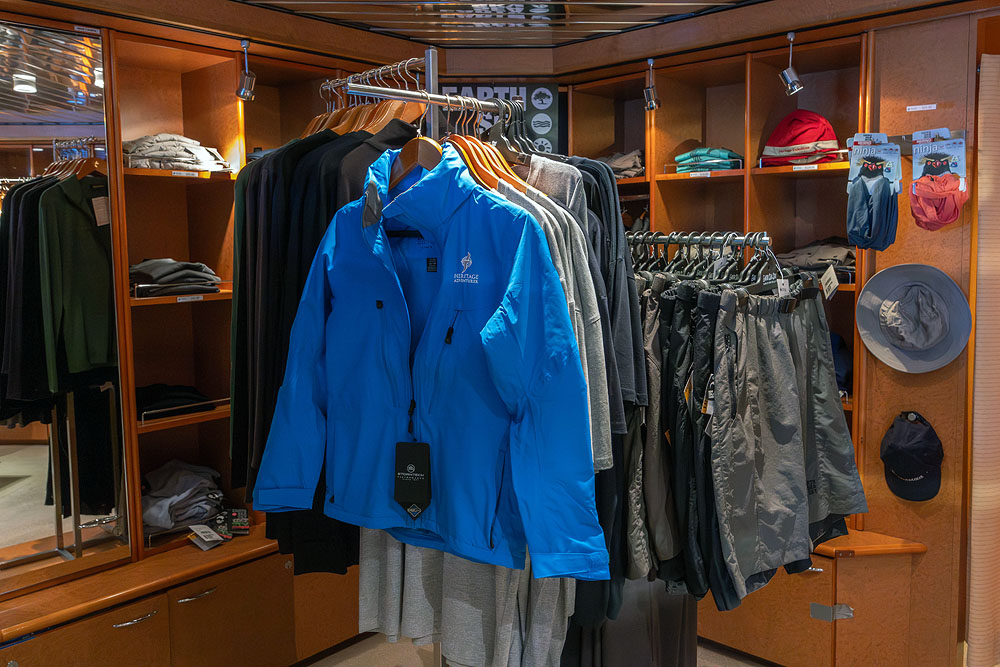

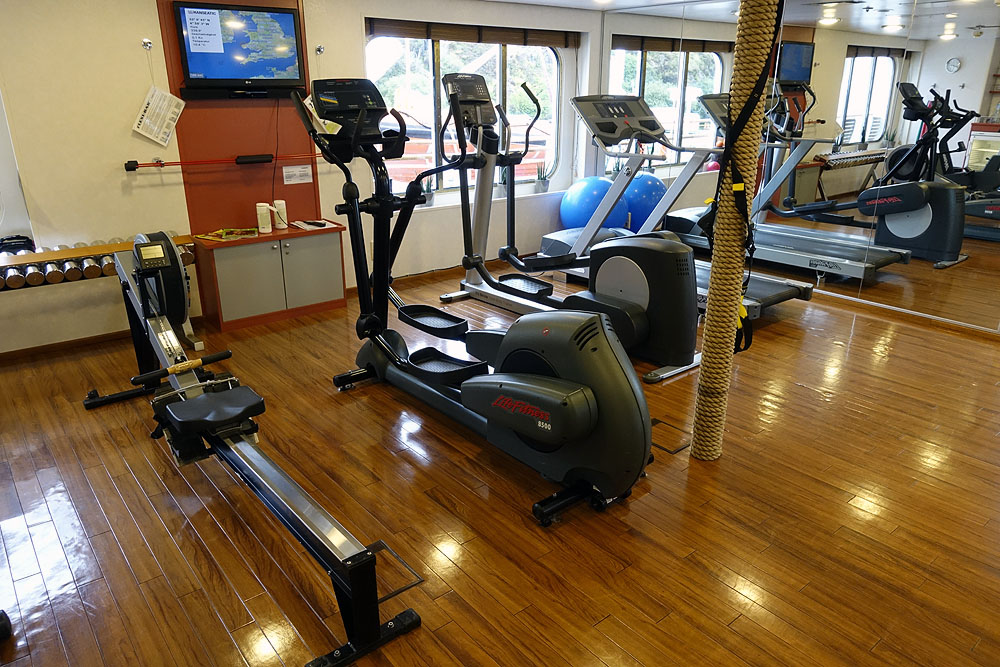
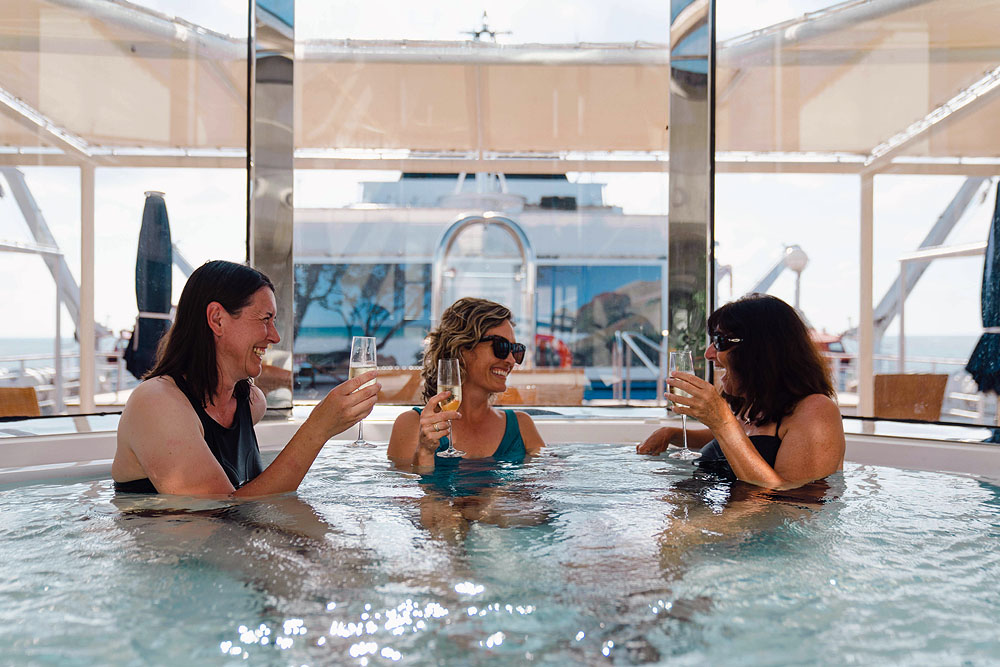

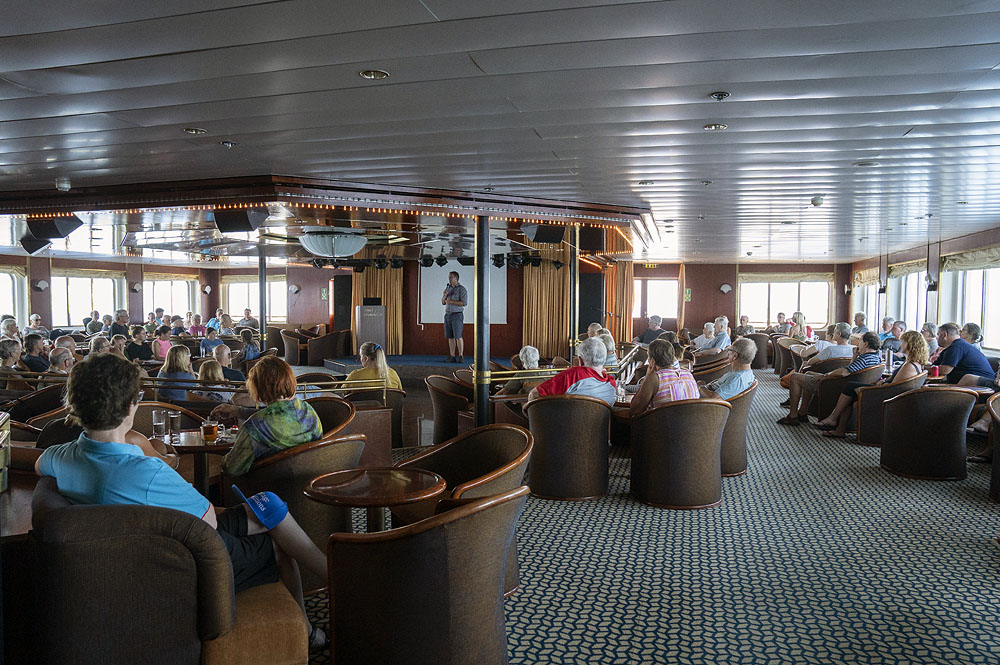

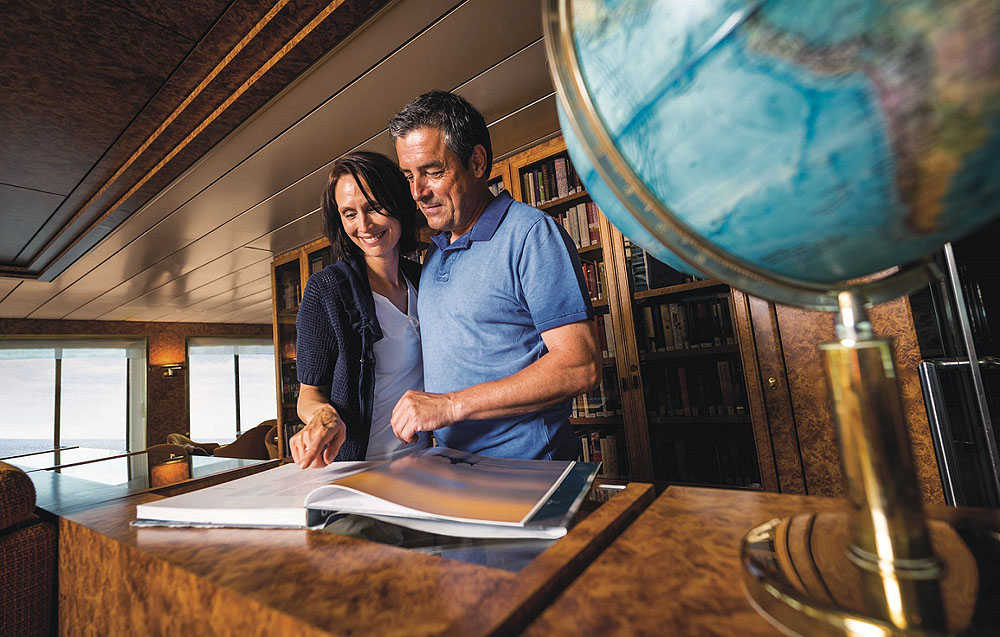
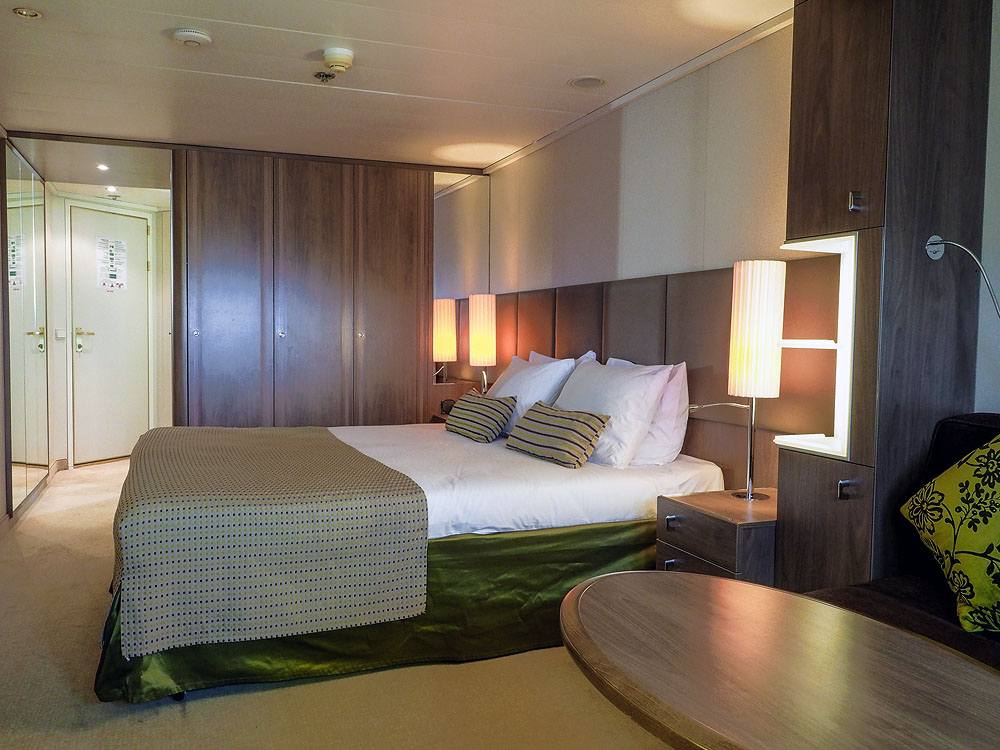

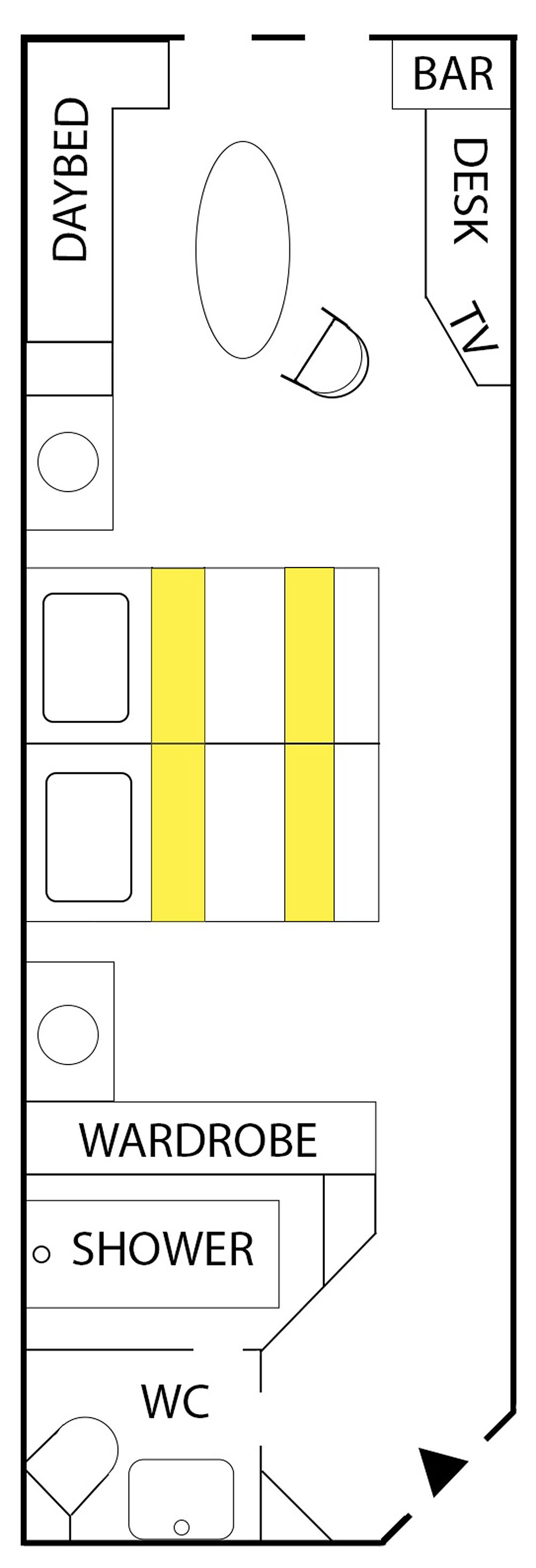


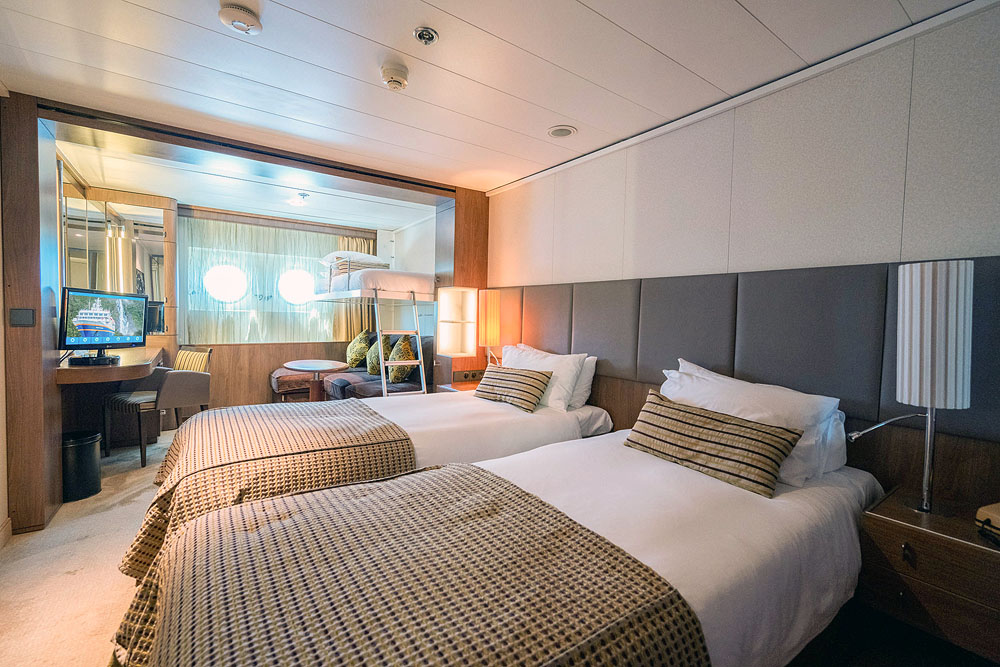
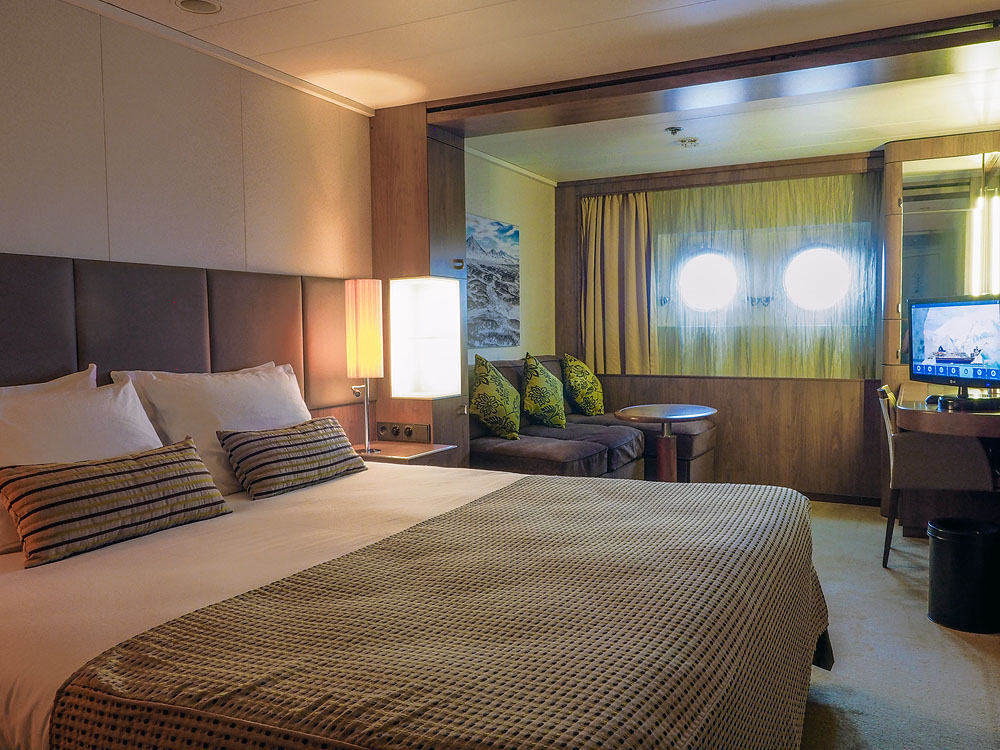
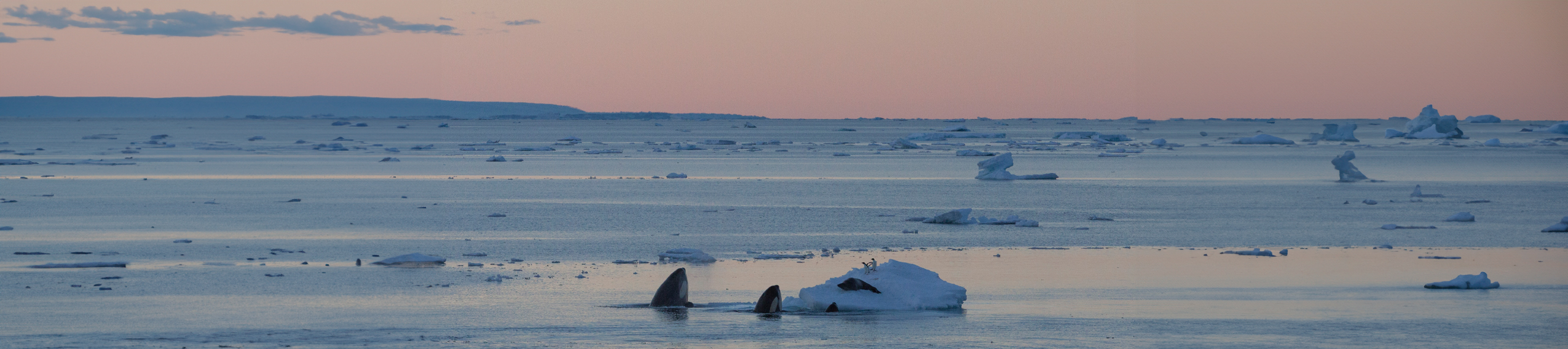

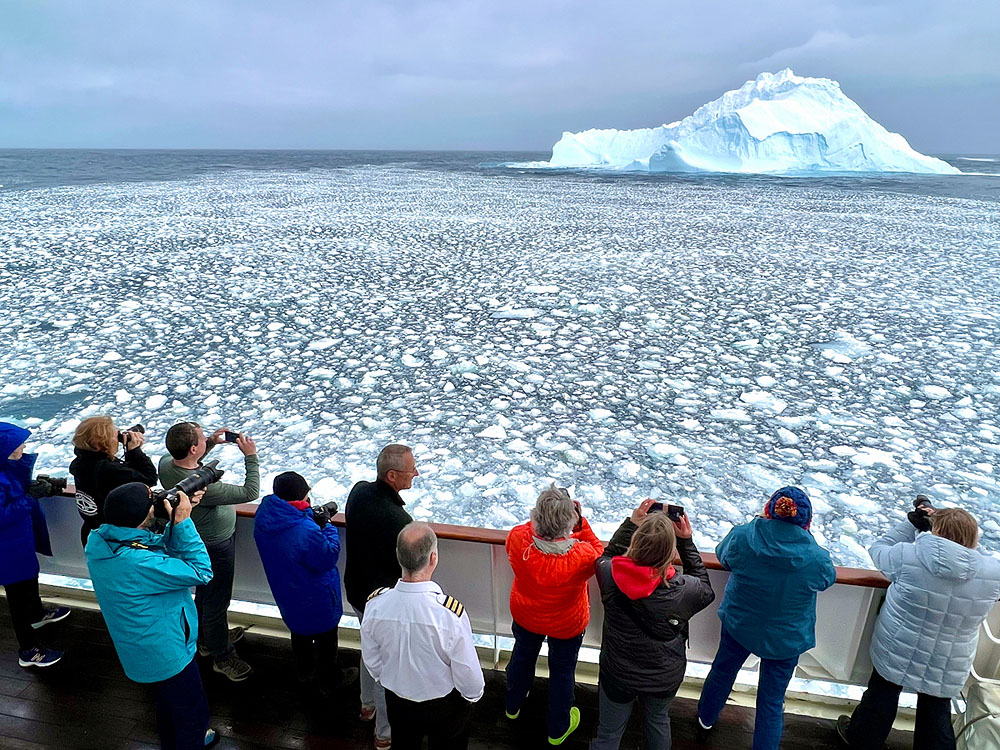
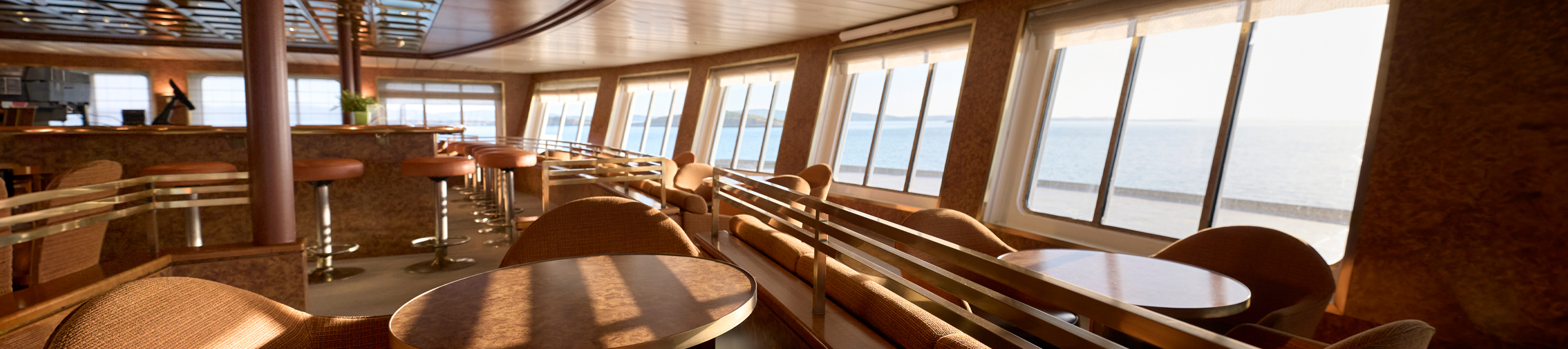
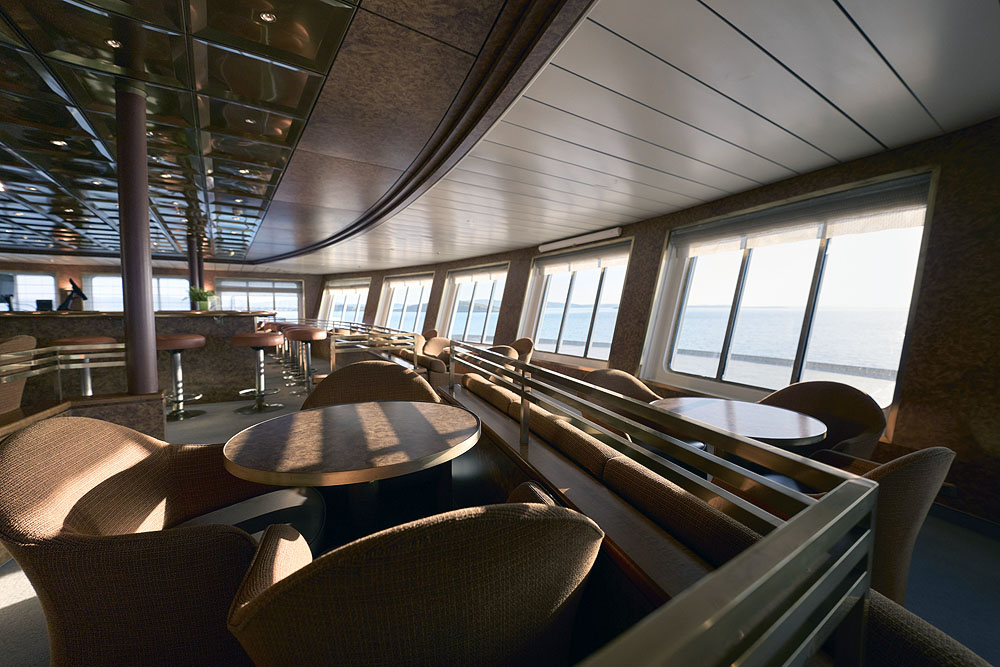
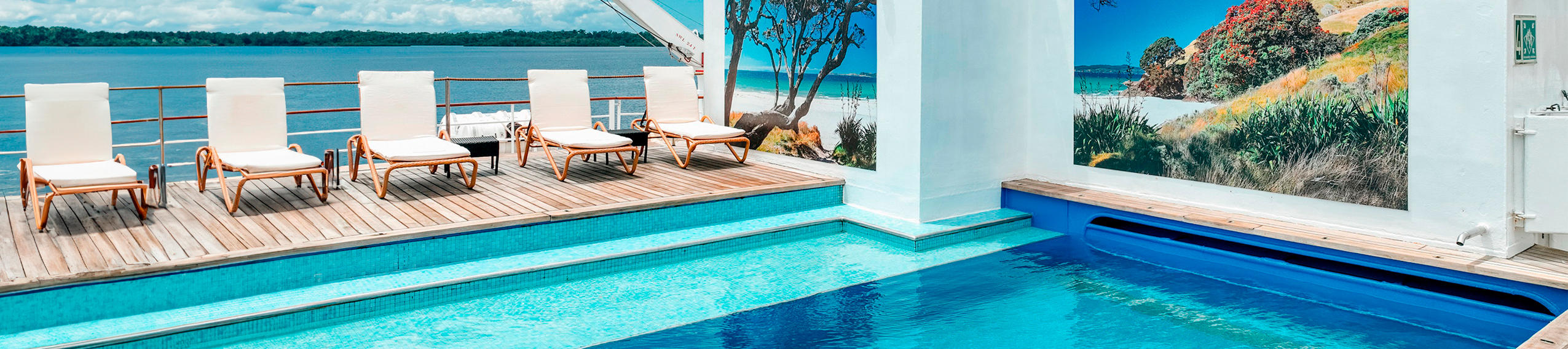
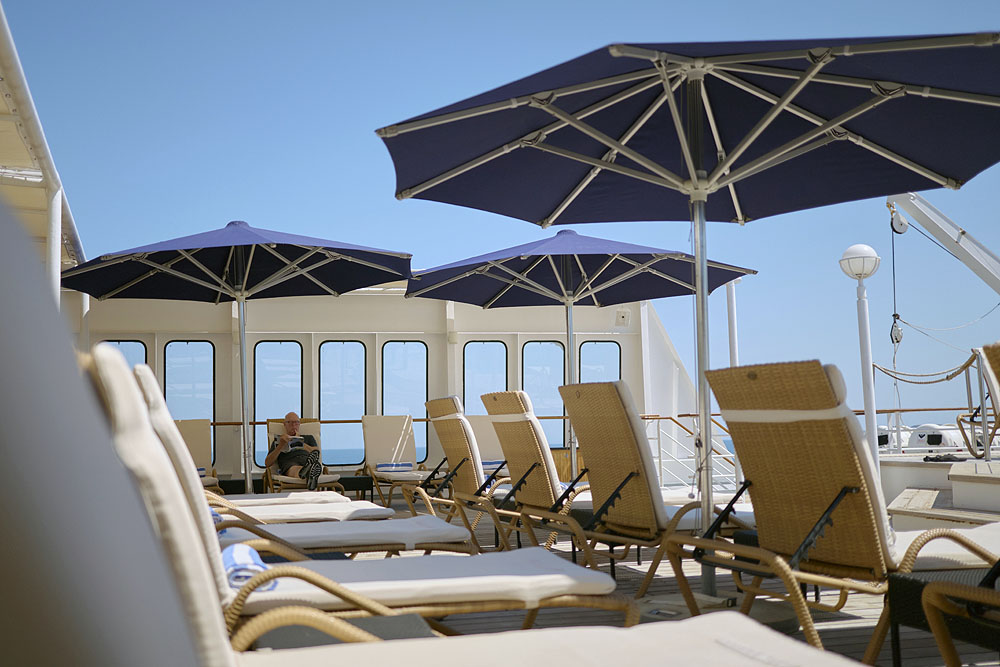
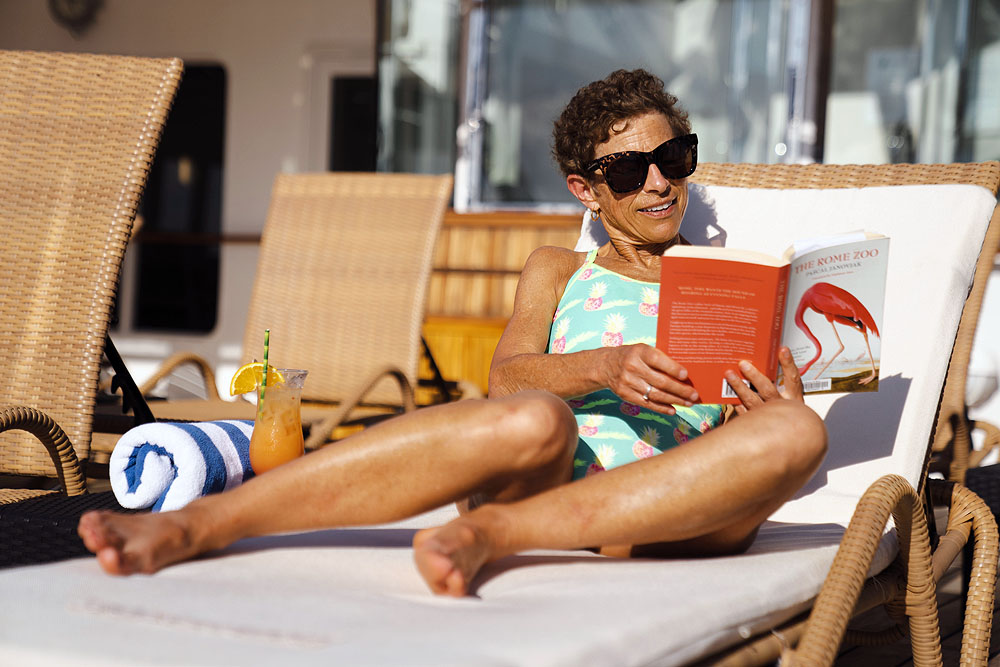
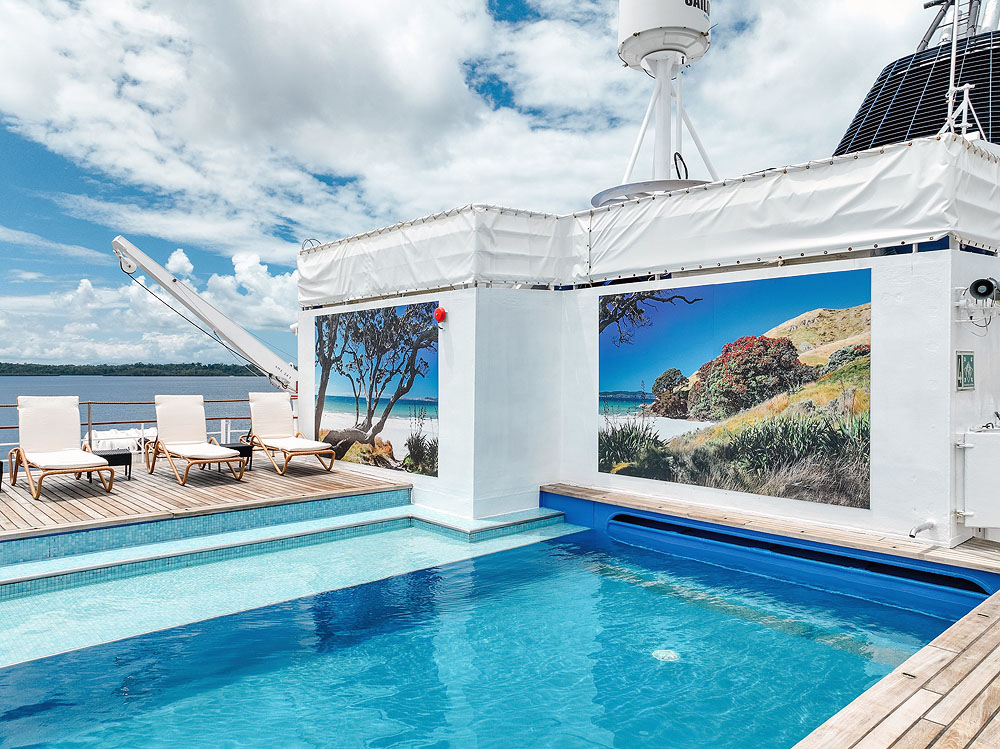
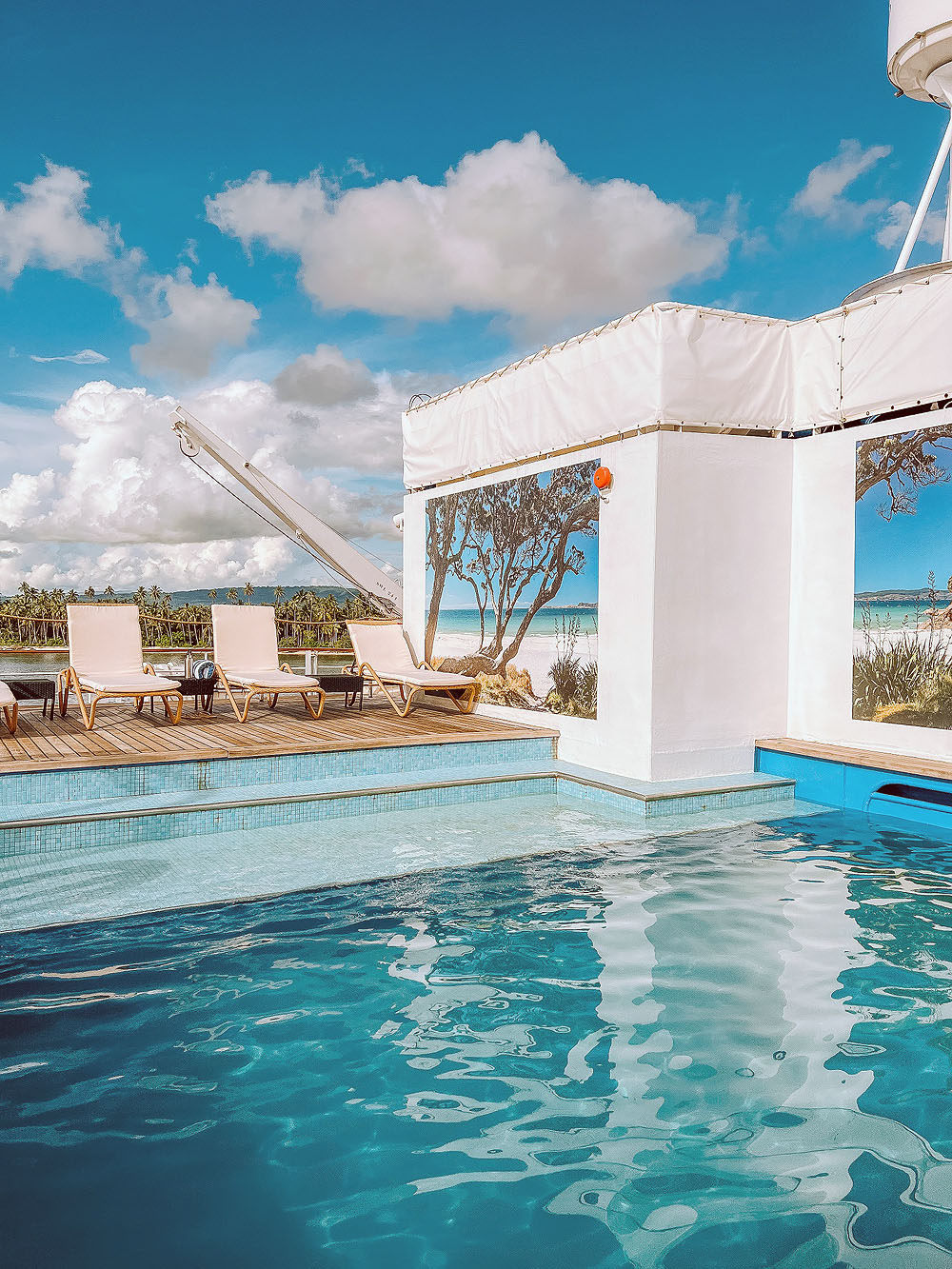
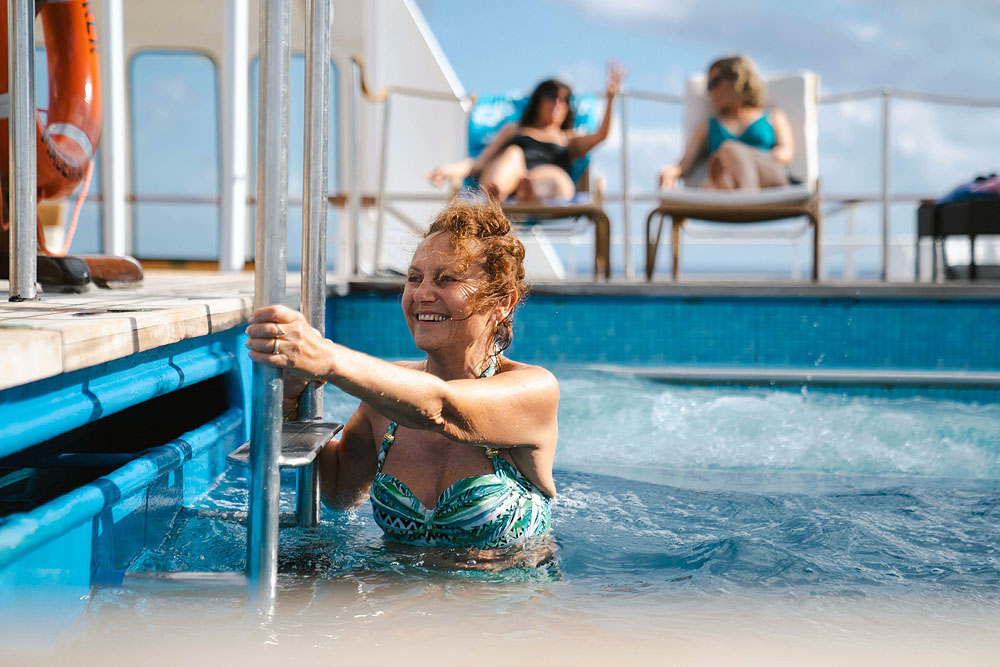


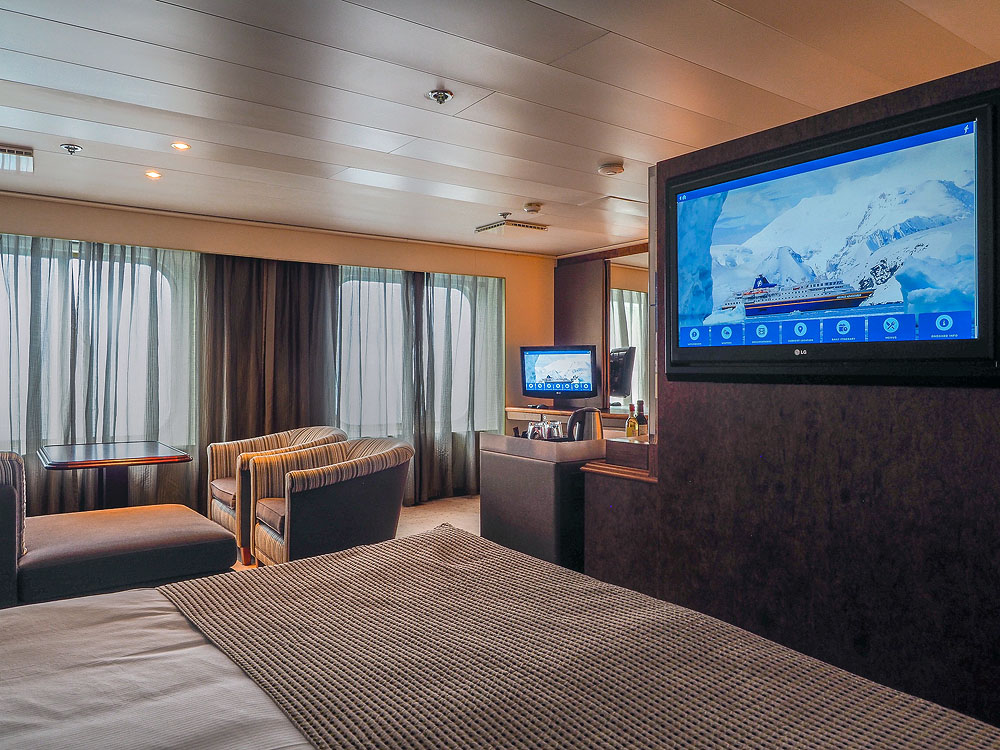
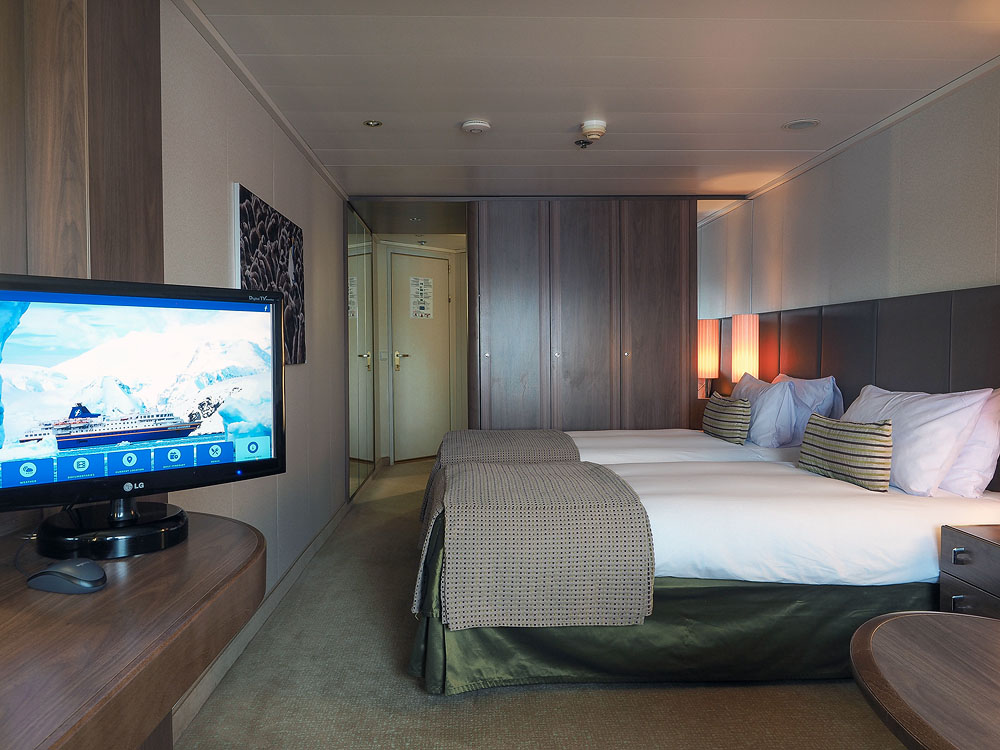

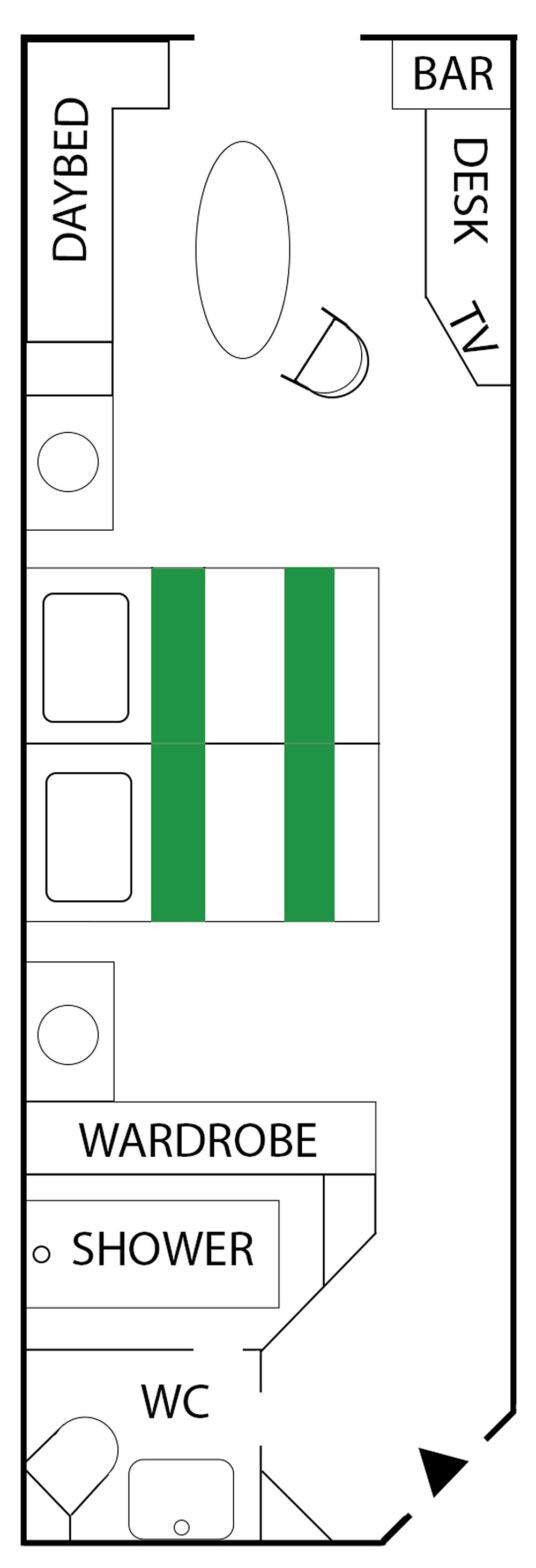
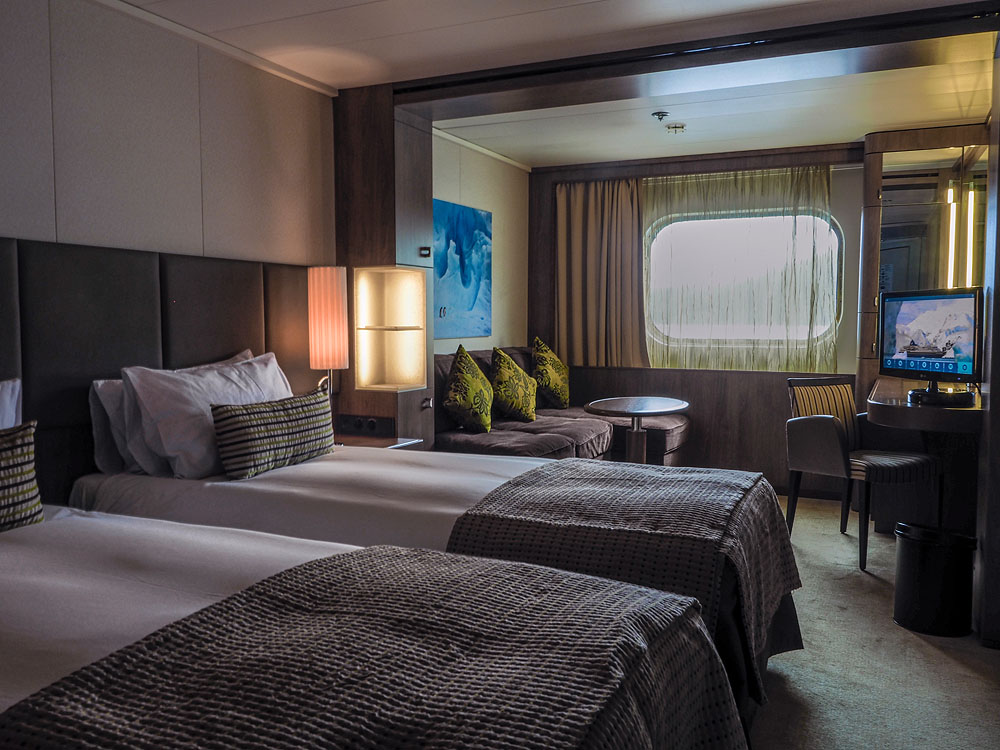
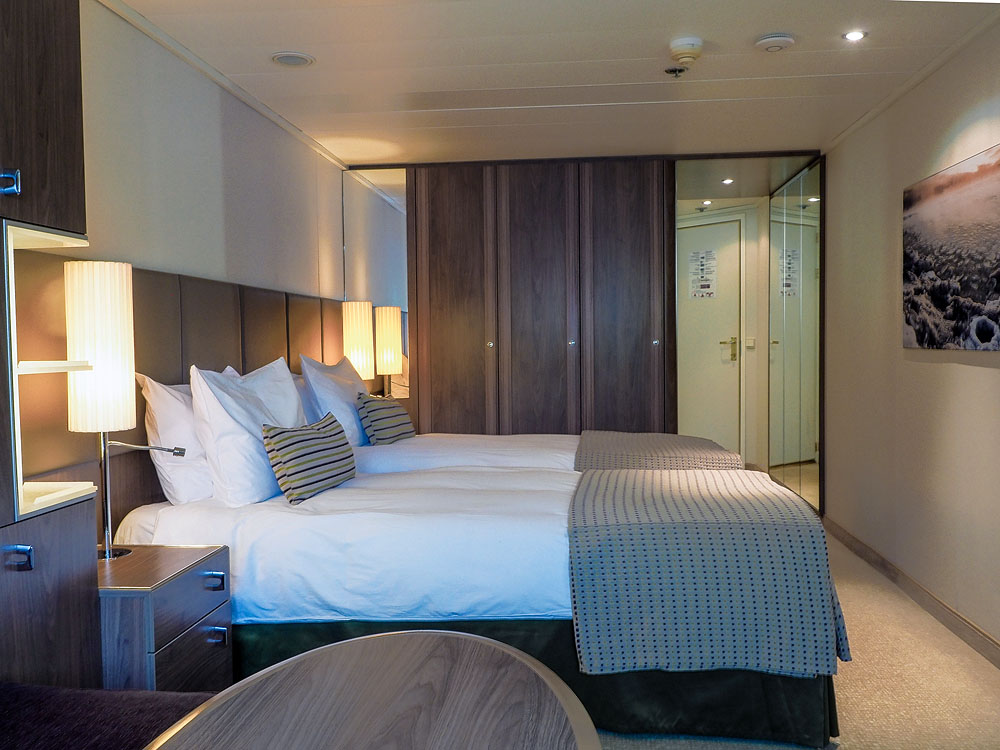

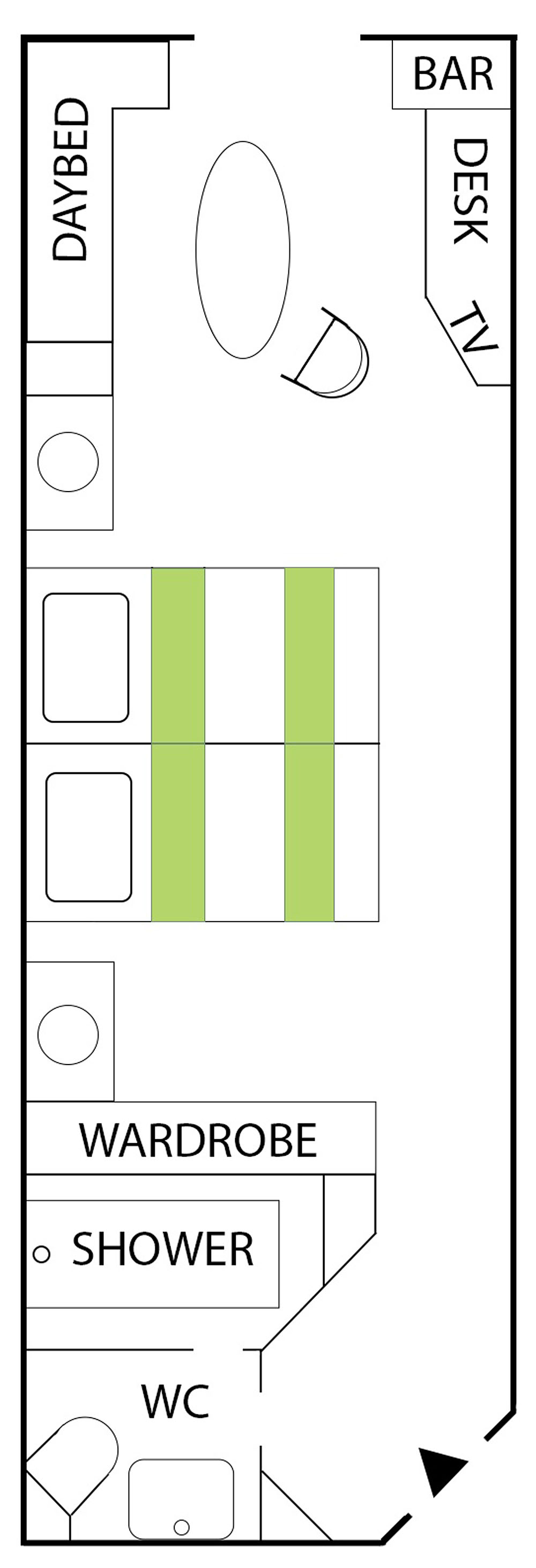
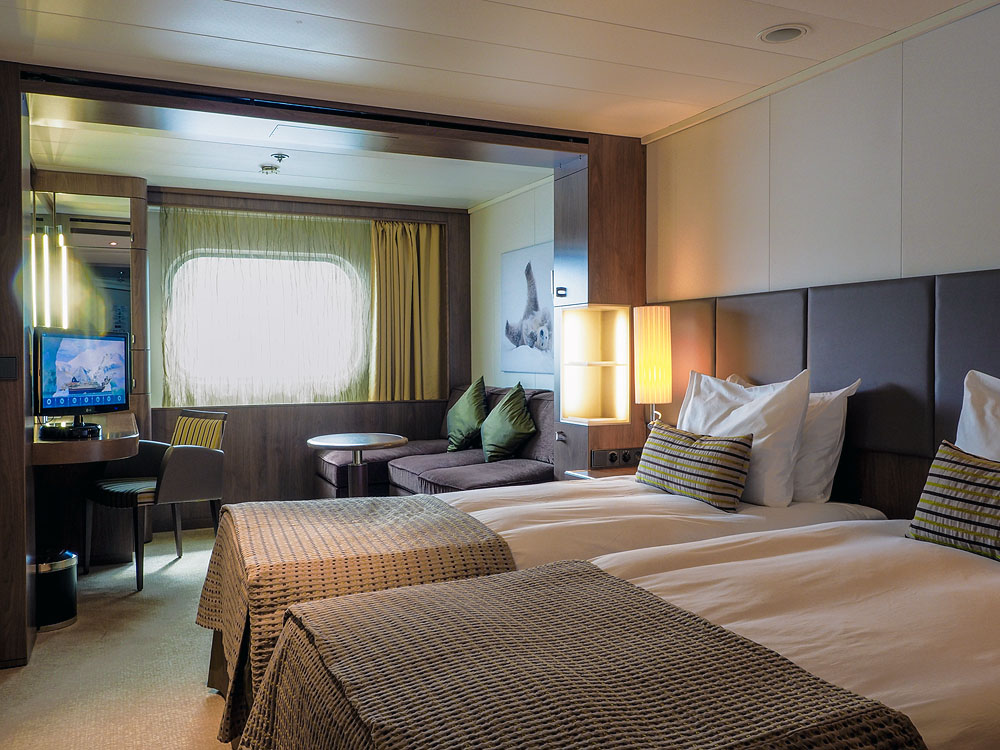

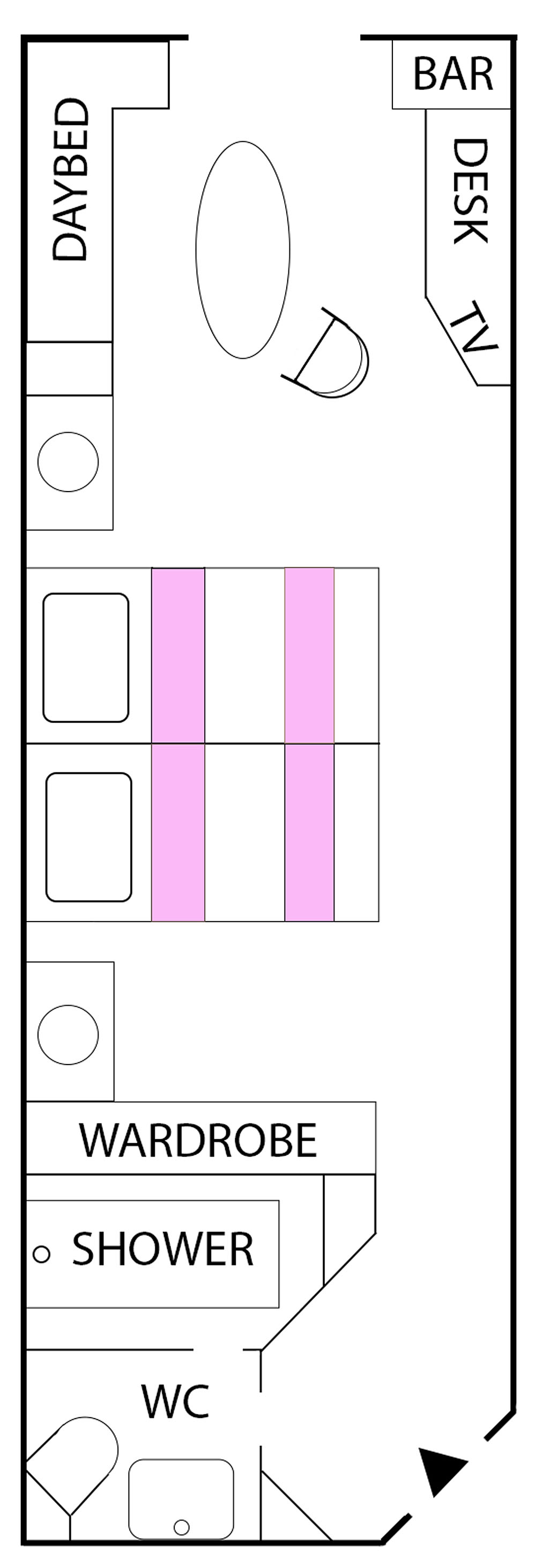
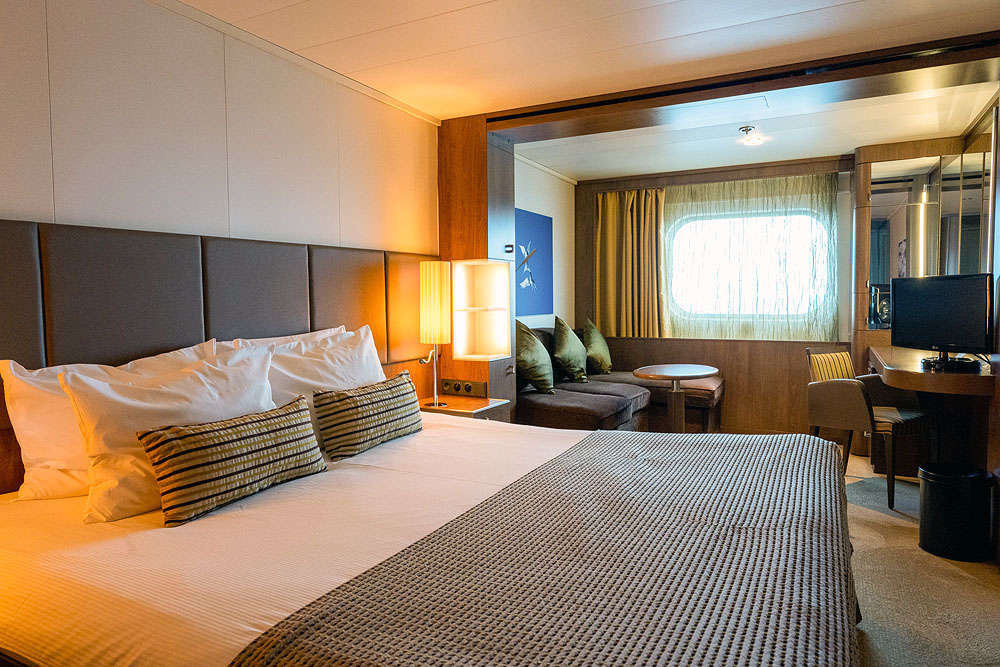

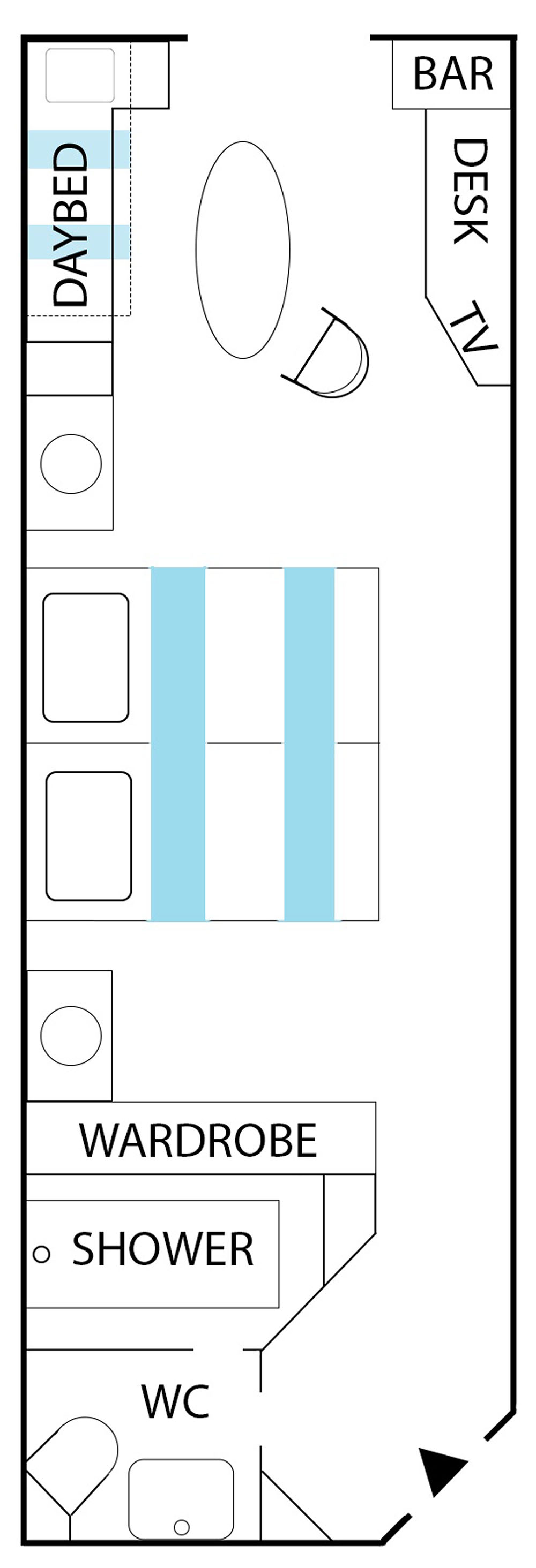
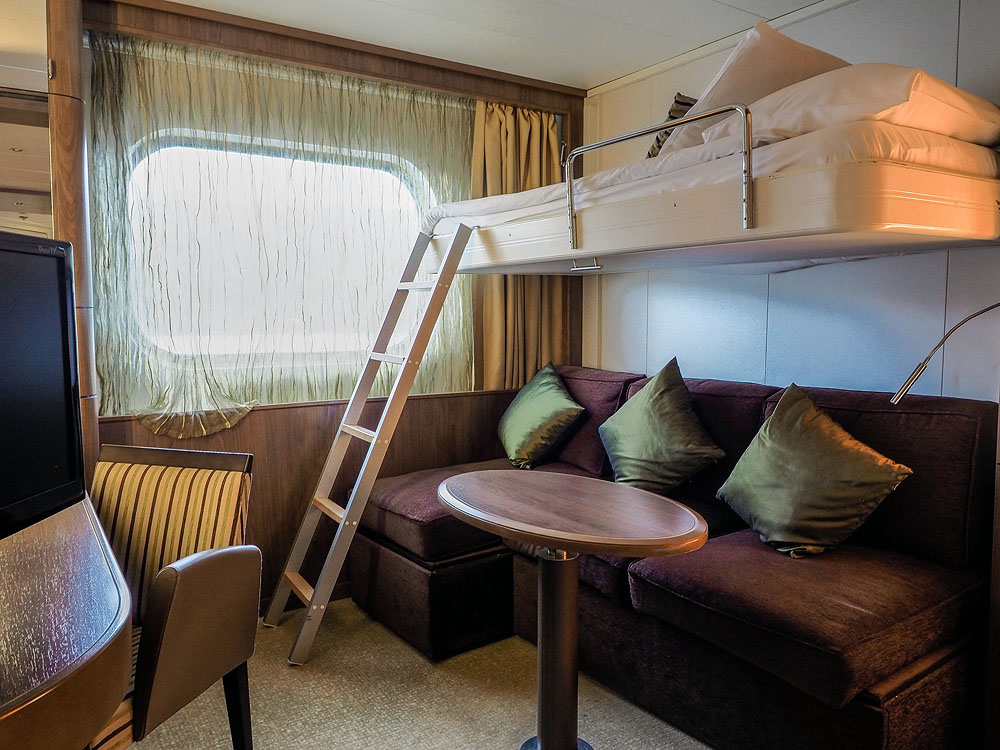
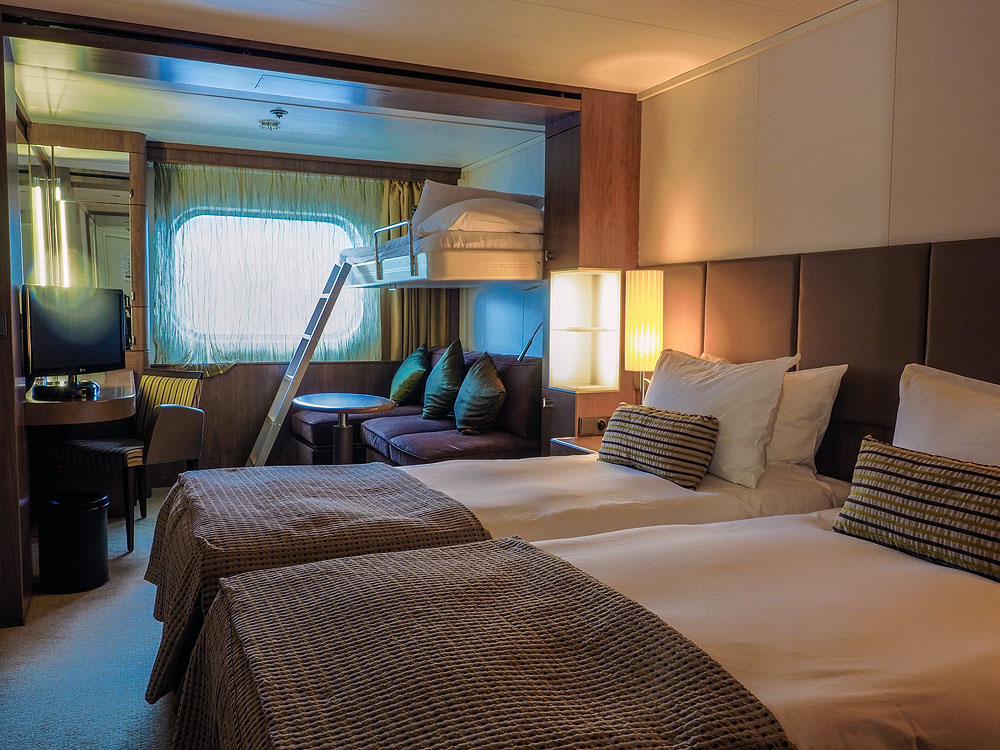


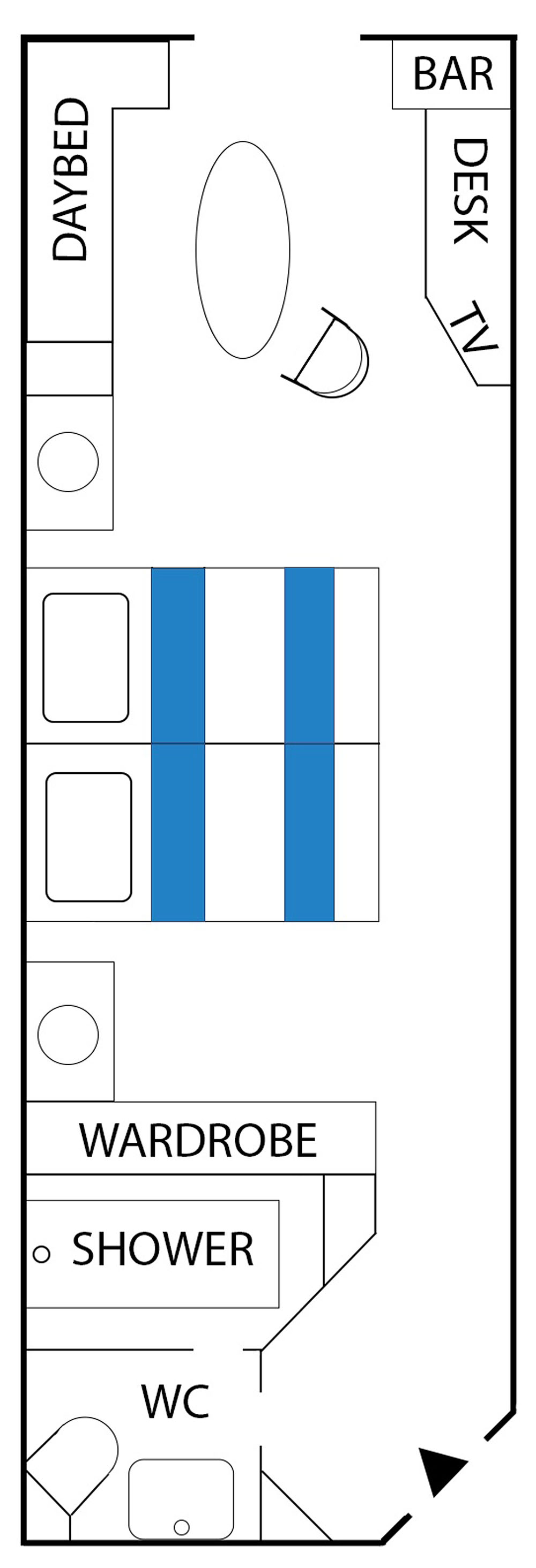
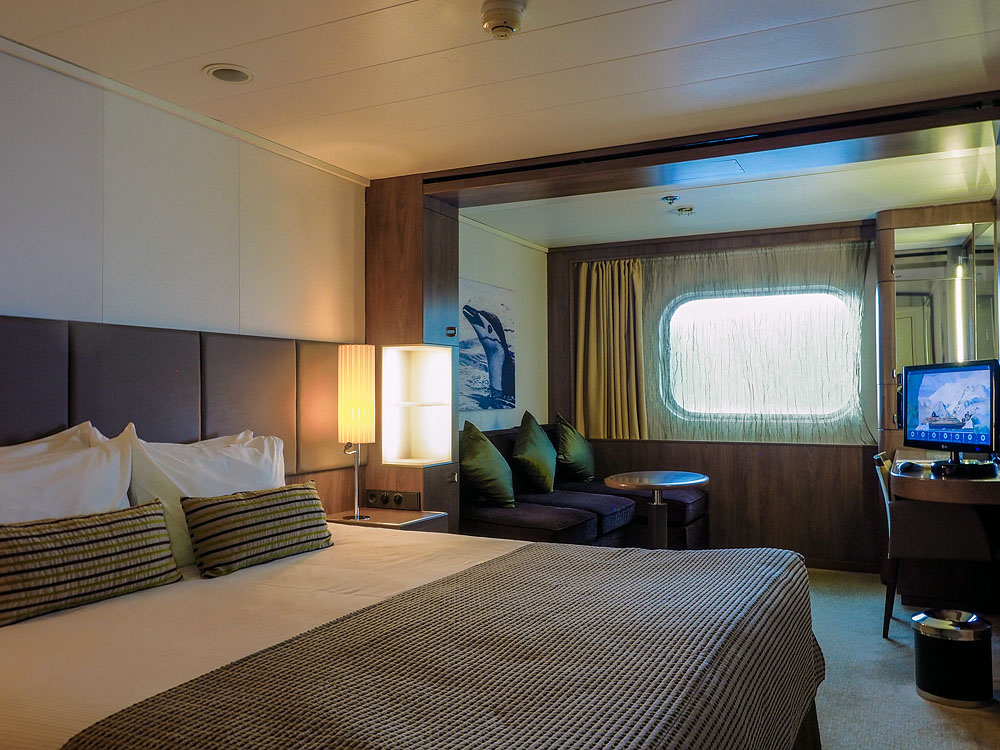
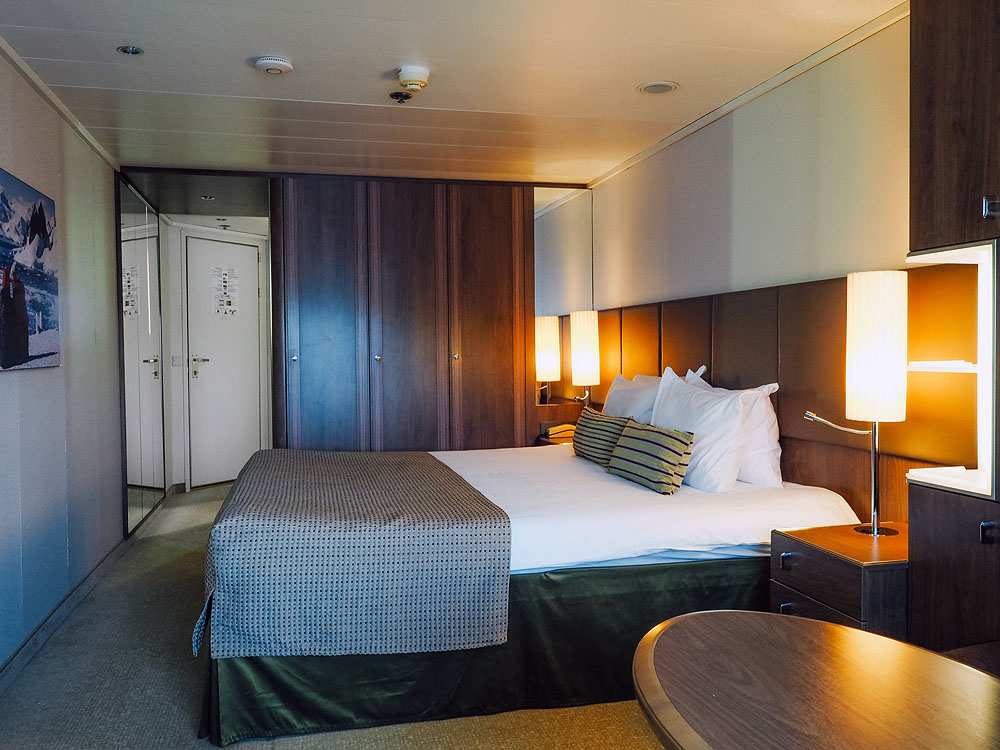

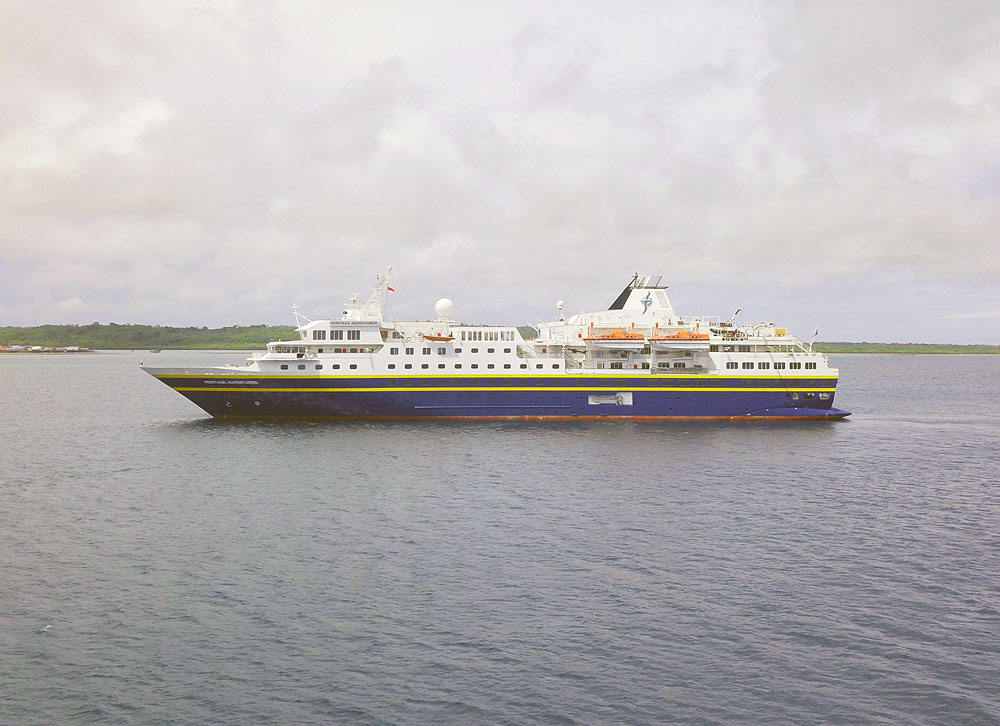


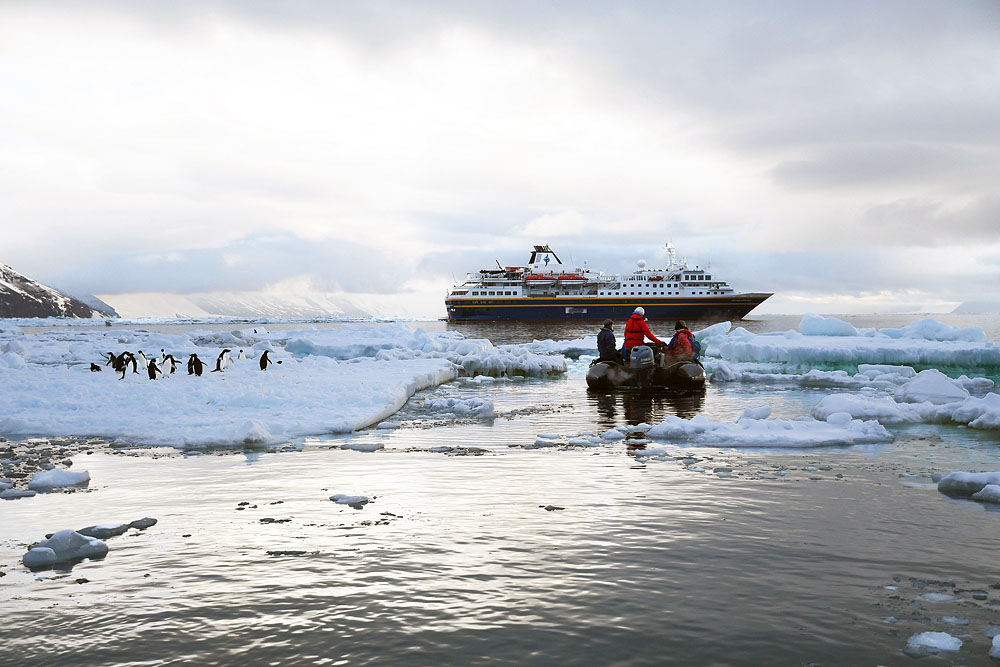


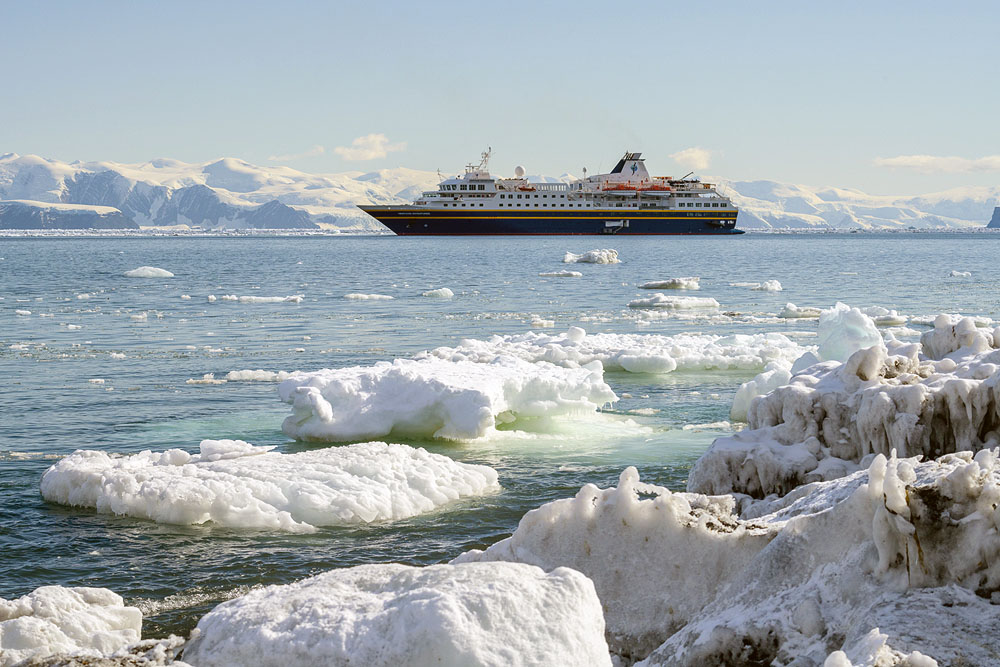
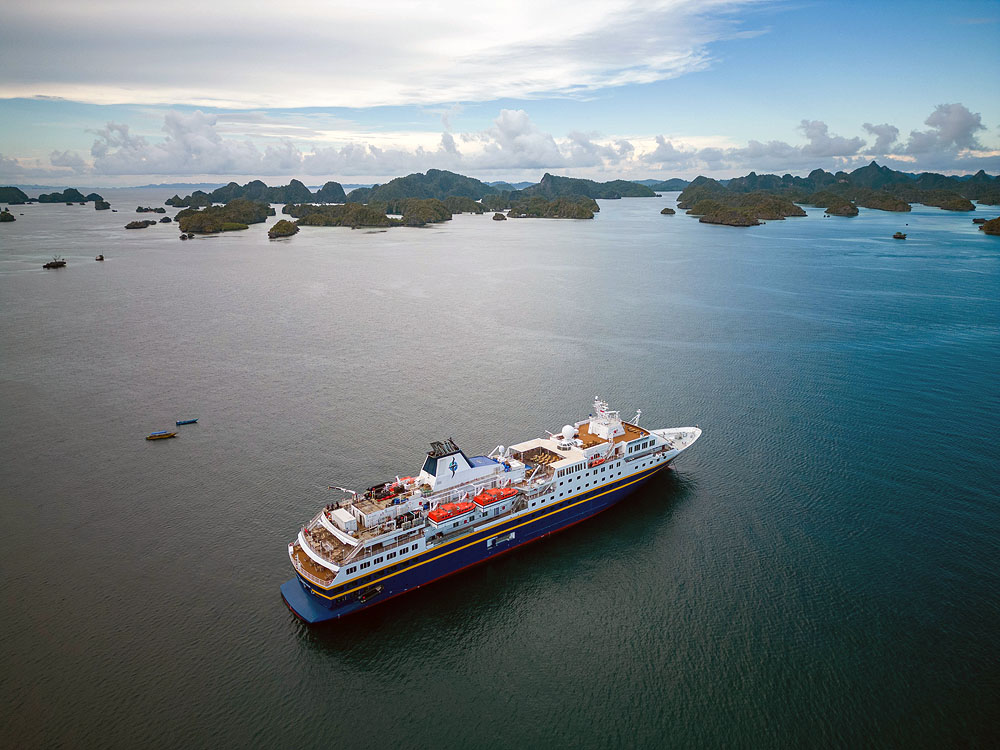


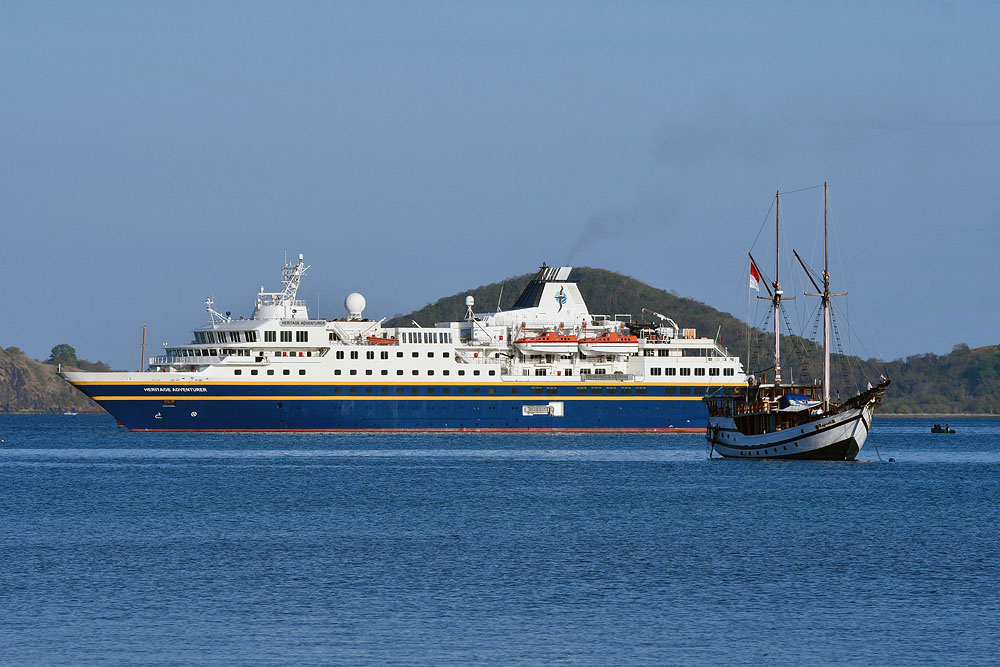

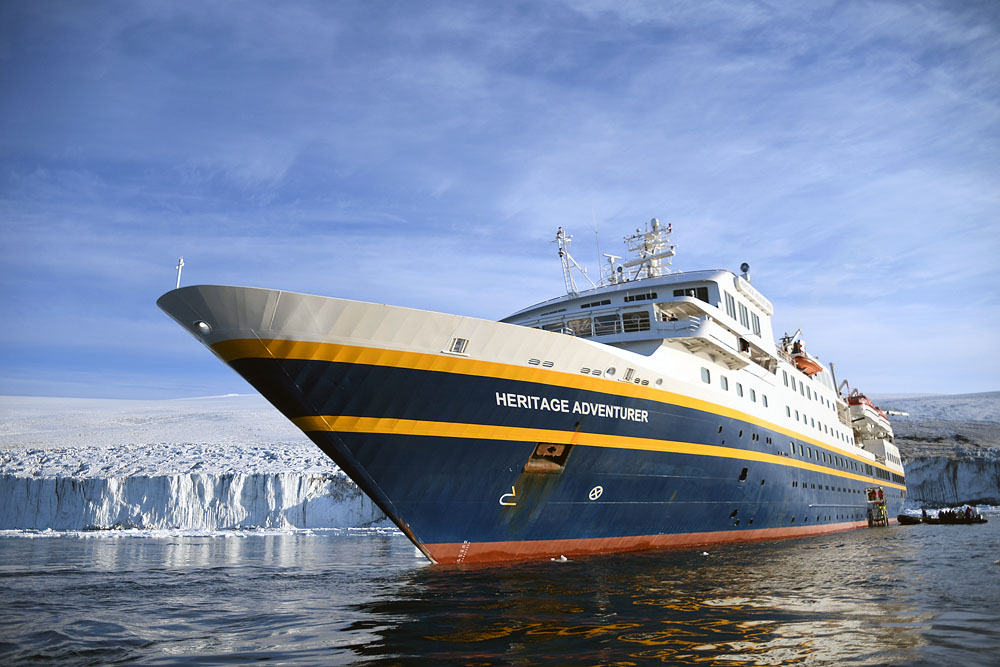


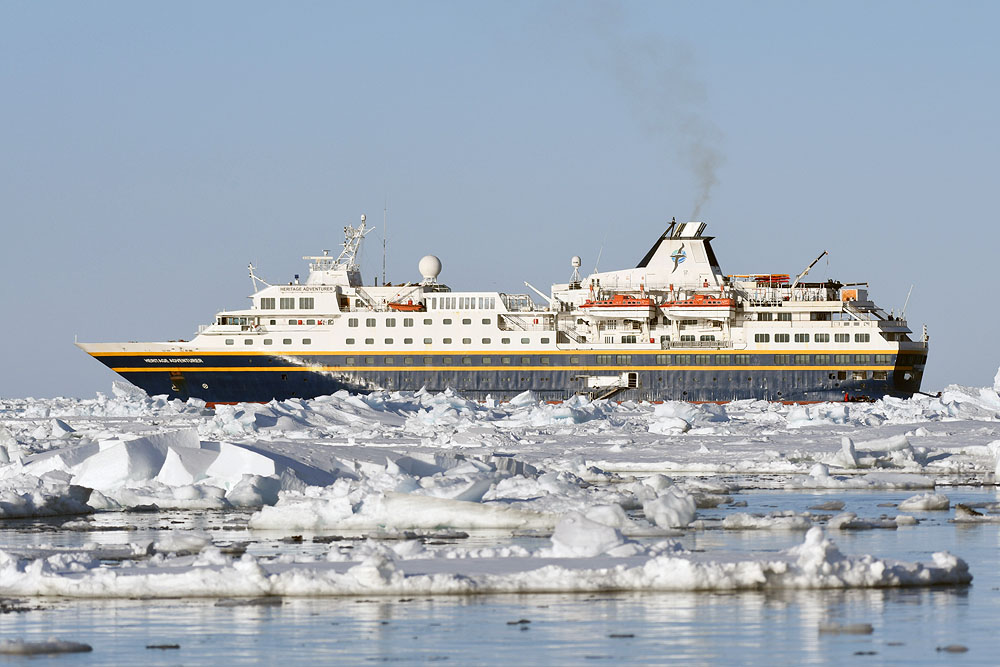


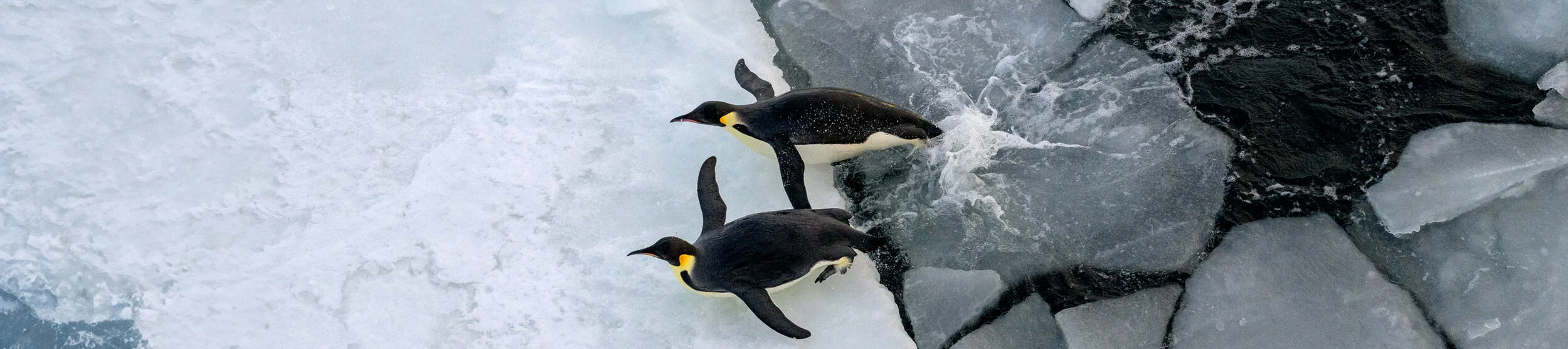


These pictures provide a general impression of our local partner and the surrounding area. Please note that selected tour may differ from these pictures.
All Reviews of Heritage Expeditions
●●●●● 4.6 of 5 Stars (30 Reviews) on Facebook●●●●● 4.7 of 5 Stars (27 Reviews) on Google
Help us and submit a new review
Please select between 1 to 5 to review the operator* ○○○○○
Sun. 27.12.2026 - Sun. 03.01.2027
8 days from invercargill
Available on request
8 days from invercargill
Available on request
from €5.885,-


Sun. 26.12.2027 - Sun. 02.01.2028
8 days from Queenstown, New Zealand
Available on request
8 days from Queenstown, New Zealand
Available on request
from €4.885,-
19% Advantage
19% Advantage
Short Supply
from €4.885,-
€6.000,-
19% Advantage
19% Advantage
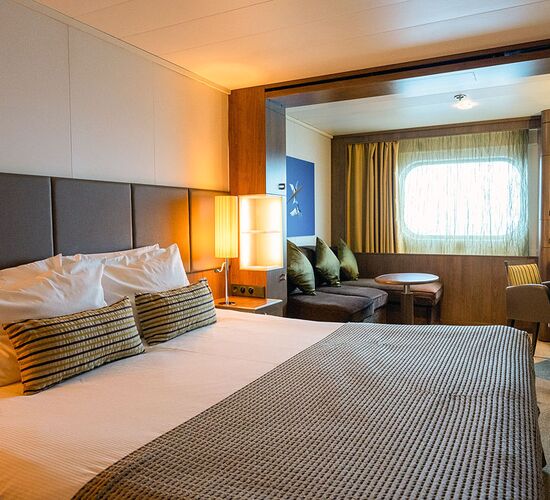
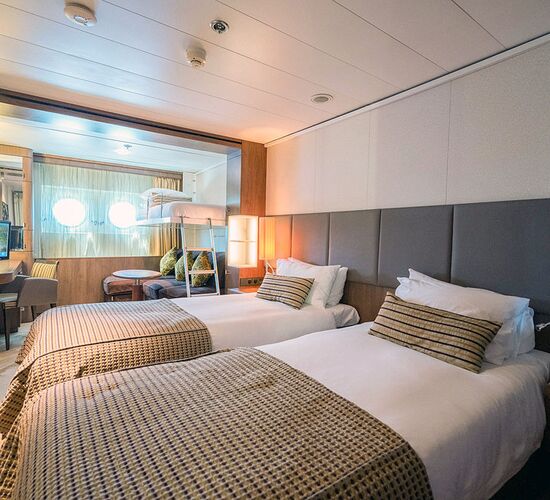
Deck: 3 22m² Triple Occupancy Double Porthole

Available on request
from €5.805,-
€7.150,-
19% Advantage
19% Advantage
Deck: 4 22m² Twin Beds Panoramic Window

Available on request
from €6.245,-
€7.700,-
19% Advantage
19% Advantage
Deck: 5 22m² Twin Beds Panoramic Window

Available on request
from €7.165,-
€8.850,-
19% Advantage
19% Advantage
Deck: 3 22m² Solo Cabin Double Porthole
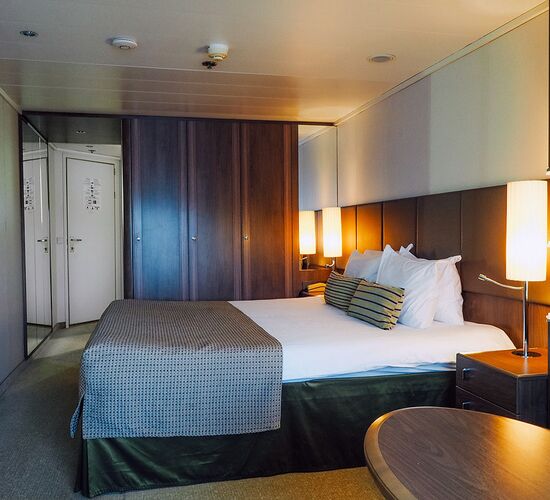
Available on request
from €8.085,-
€10.000,-
19% Advantage
19% Advantage
Deck: 6 22m² Twin Beds Panoramic Window

Available on request
from €11.885,-
€14.750,-
19% Advantage
19% Advantage
Deck: 6 44m² Twin Beds Panoramic Window
All prices per person in double or multi-bed category. Single room surcharges, children's price advantages etc. on request.
Fixed travel dates, additional days on demand.
Fixed travel dates, additional days on demand.