0
331
Falkland Islands and South Georgia: Wildlife Adventure 21% Advantage
An expedition to the sub-Antarctic South Atlantic with plenty of time for nature observation, shore excursions and insights into history and ecology.
This trip lasts 20 days/19 nights and focuses on visits to large seabird colonies and the observation of several penguin species in the Falkland Archipelago, including possible landings on Steeple Jason and New Island. In South Georgia, six full days are available for exploring different coastal areas, large colonies and observing elephant seals during the peak breeding season, complemented by visits to historical sites such as Grytviken and the grave of Ernest Shackleton.
Tour ID: 1830425 Antarctica, South Georgia, Subantarctic Islands, Falkland Islands ●●●●● 521 Reviews
20 days / 19 nights
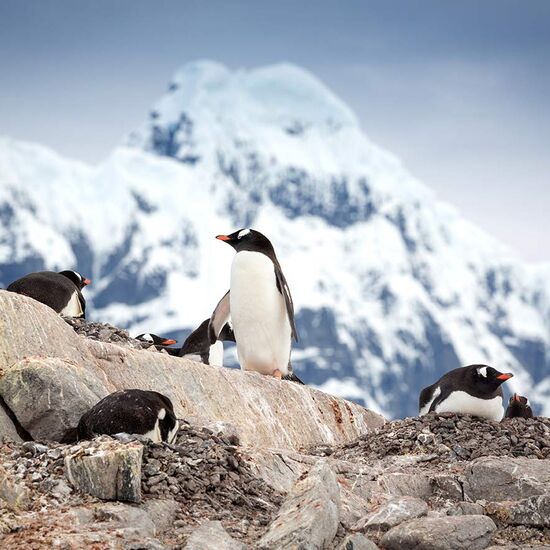
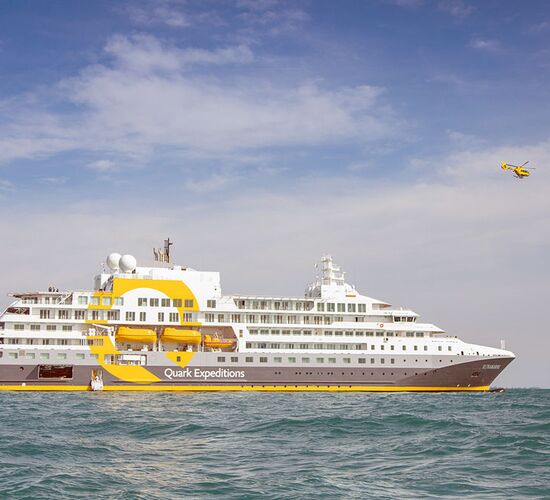
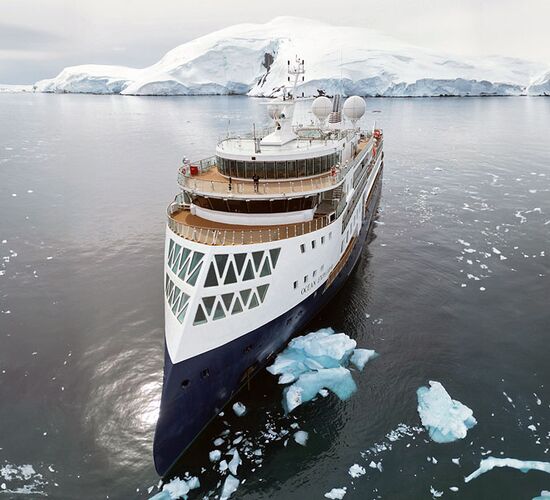
Expedition ship Ocean Explorer, Ultramarine
three days in the Falkland Islands
Steeple Jason and New Island
Six full days in South Georgia
Encounters with seabirds, penguins and seals
Grytviken and Shackleton'
s grave
Crossing the Antarctic Convergence
Itinerary: Falkland Islands and South Georgia Wildlife Adventure
Day 1: Arrival in Buenos Aires
On arrival in Buenos Aires, you make your own way to your group hotel, which is included in the Charter Flight and Hotel Package. Depending on your arrival time, there is time to settle in before onward travel the next day.
All pictures of this partner







Day 2: Flight to Puerto Madryn and embarkation
After breakfast, you transfer to the airport and take the charter flight to Puerto Madryn in the Patagonian province of Chubut on Argentina’s Atlantic coast. On arrival, your checked luggage is transferred directly to your cabin on Ultramarine, giving you time to explore the town. With some luck, you may see sea lions on the beach or southern right whales offshore. Cafés and artisan markets offer a glimpse of the region’s Welsh Argentine heritage. In the afternoon, a group transfer takes you to the port for embarkation. After check in, you settle into your cabin for the next 18 nights. The Expedition Team introduces themselves and briefs you on the ship, procedures and the route to the Falkland Islands and South Georgia.
Day 3: At sea en route to the Falkland Islands
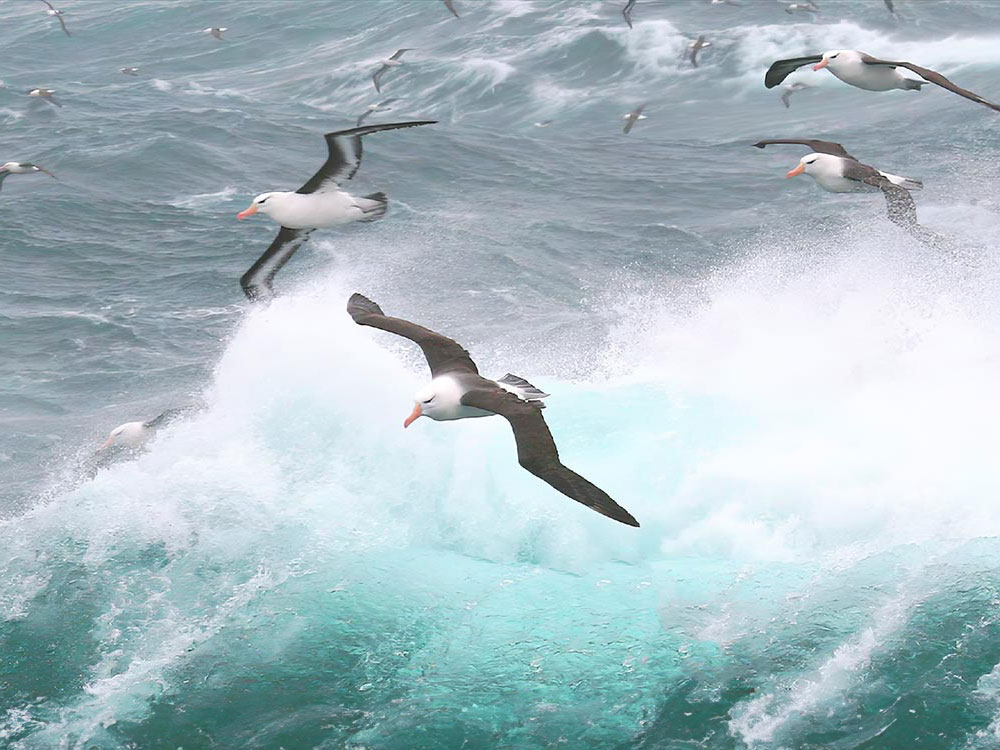
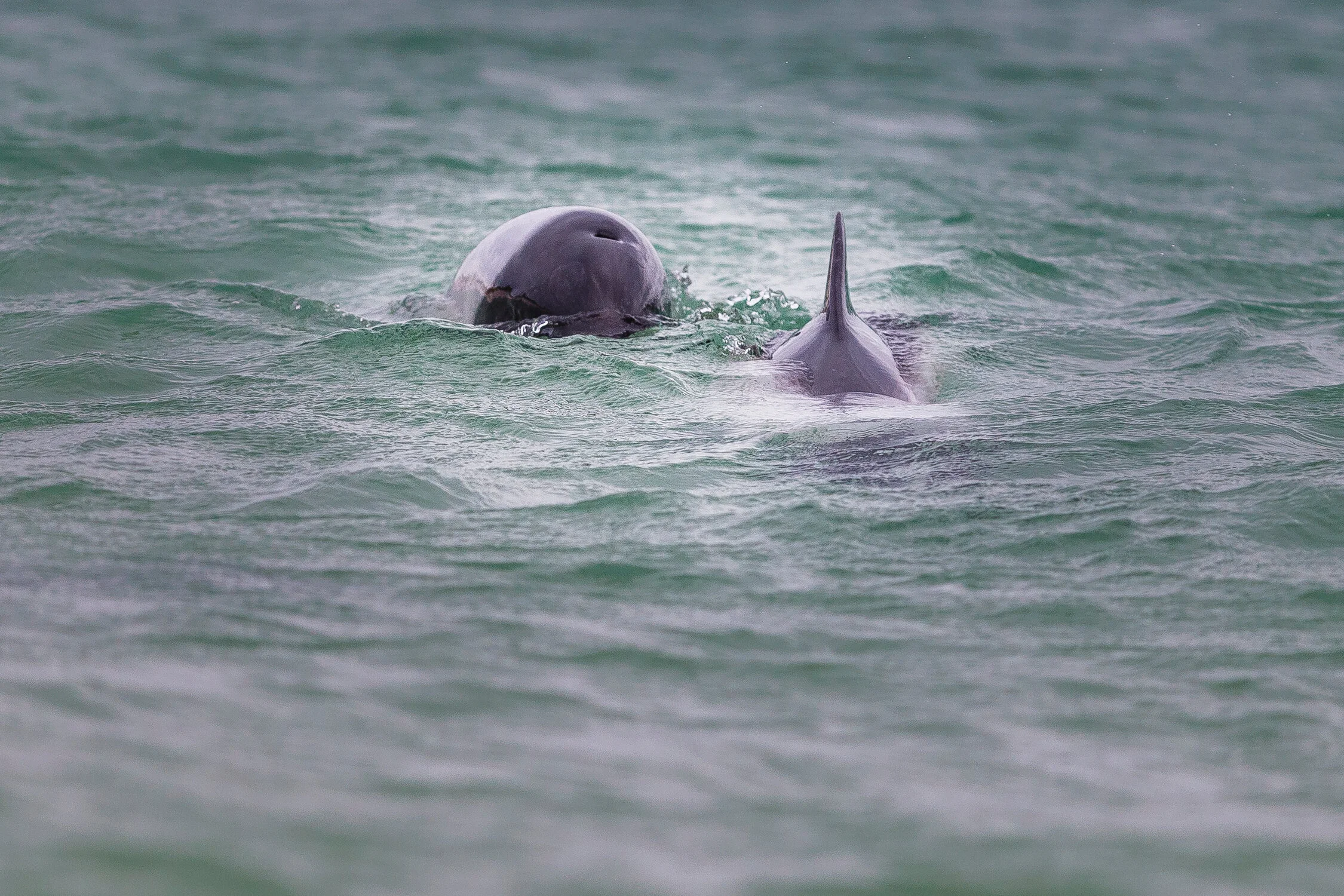
The ship sets course for Islas Malvinas, the Falkland Islands, where at least three days of exploration are planned. In wildlife rich waters, seabirds and marine mammals are possible, including species less commonly seen further south. The Expedition Team offers presentations on Patagonia as well as the Falklands and South Georgia. Towards evening, seabird numbers may increase, especially albatrosses. The plan is to continue towards the rarely visited north western islands of the archipelago, breeding sites for tens of thousands of birds including black browed albatrosses. In this region, Peale’s dolphins, Commerson’s dolphins and dusky dolphins are also possible, as well as occasional baleen whales and long finned pilot whales.
Day 4: At sea and approach to the outer Falklands
This second sea day continues the approach to the outer Falkland Islands and prepares for the first landings. From the decks, there are ongoing chances for seabird and marine mammal sightings. Further talks are offered onboard, and procedures for Zodiac cruising and shore landings are reviewed as the ship heads towards the archipelago’s north western islands.
Day 5: Falkland Islands, first landings as conditions allow
With arrival in the Falkland archipelago, exploration begins by Zodiac and on foot. As the outer islands are exposed to open ocean swell, landing sites are chosen according to weather and sea state. The aim is to select safe locations with good opportunities to observe bird colonies and penguins, accompanied by the Expedition Team.
Day 6: Falkland Islands, possible landing on Steeple Jason
If conditions allow, Steeple Jason is on the programme, a difficult to access island in the north west. It hosts the world’s largest black browed albatross colony, estimated at 100,000 to 180,000 breeding pairs. The walk crosses uneven ground and tall tussock grass, which also provides habitat for other bird species. The island also has a small shepherd outpost and a research station. If Steeple Jason is not reachable, alternative sites with safe conditions are selected.
Day 7: Falkland Islands, New Island and Stanley, then onward sailing
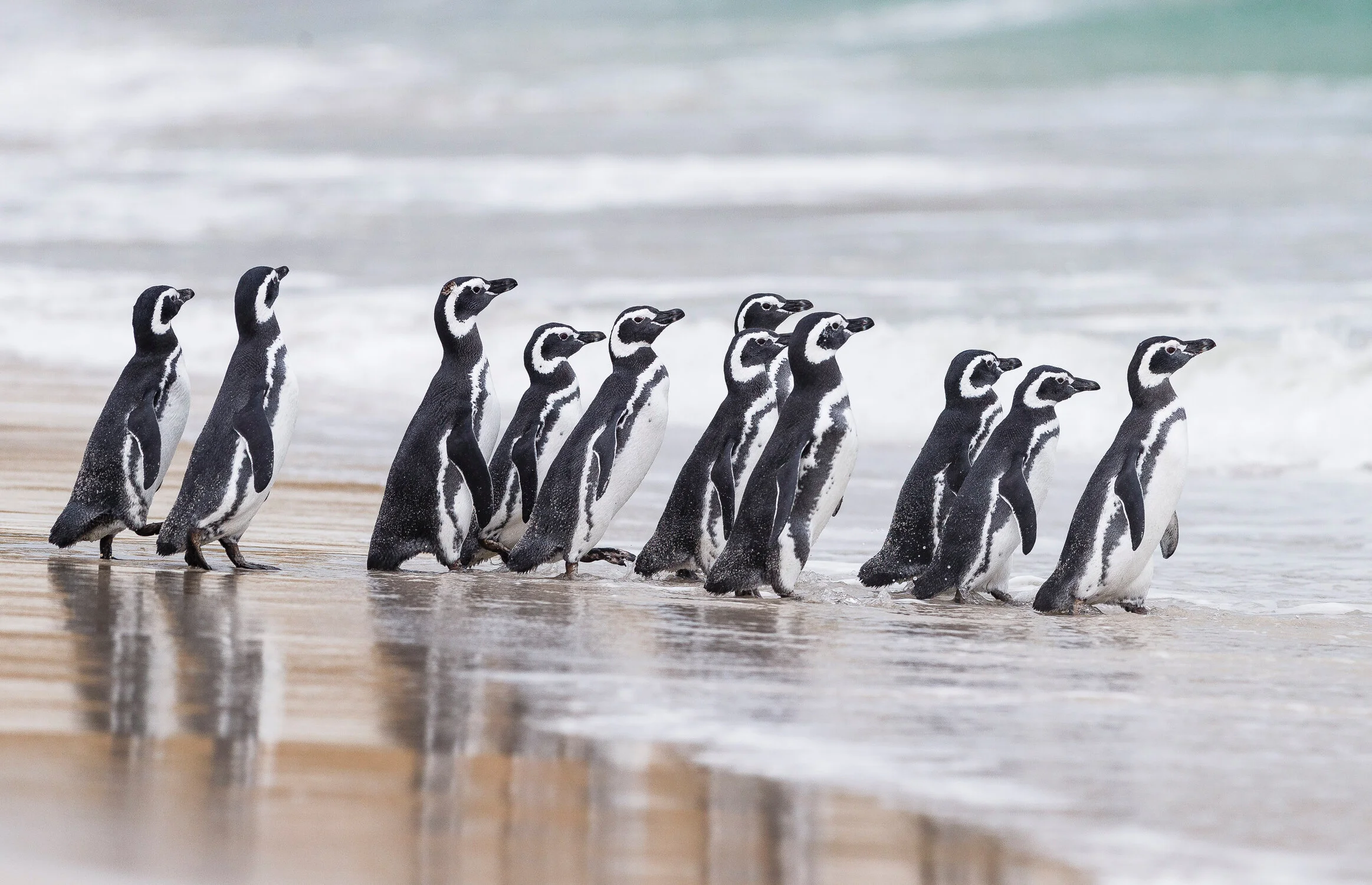
A visit to New Island is possible, around thirty nautical miles south of Steeple Jason, with sheltered coves and pale sandy beaches. Black browed albatrosses breed here, as do Magellanic penguins, gentoo penguins and southern rockhopper penguins; songbirds and striated caracaras are also often seen. Dolphins are regularly observed in the area, including in shallow waters. Depending on conditions, further destinations such as West Point and Saunders Island, or Carcass Island, may be visited. In Stanley, the Falklands’ largest settlement, you visit the museum (admission included) and see the monument made from blue whale jawbones; there is also time for a restaurant or pub visit. In the early afternoon, the ship departs to cover the more than 700 nautical miles to South Georgia.
Day 8: At sea, crossing the Antarctic Convergence
En route to South Georgia, you cross the Antarctic Convergence, the boundary between the South Atlantic and the Southern Ocean. South of it, the water is markedly colder, and where currents meet, cloudy or foggy conditions often form. This zone is an important feeding area, so albatrosses, petrels and shearwaters are likely, and whales may also appear. Far offshore, Antarctic fur seals are also possible.
Day 9: At sea, approaching South Georgia
As you continue towards South Georgia, seabird and marine mammal observations remain possible. An increase in prions and shags can indicate proximity to the island. Onboard, procedures and rules for landings in sensitive breeding and resting areas are explained again.
Day 10: South Georgia, first landings depending on weather
In South Georgia, shore excursions begin at beaches and bays, with site selection strongly dependent on weather. Landing sites offer very strong chances of encounters with penguins and seals; the island is also an important area for seabirds such as albatrosses and petrels. The Expedition Team accompanies the outings and provides context.
Day 11: South Georgia, wildlife observation and remnants of past exploitation
South Georgia was once an important base for whalers and sealers, and at suitable locations abandoned remnants of this period can be seen. Further landings for wildlife observation remain central. From mid October to early November, male elephant seals fight for sections of beach and breeding rights, in short intense bouts with rest periods in between.
Day 12: South Georgia, Grytviken and Shackleton’s grave
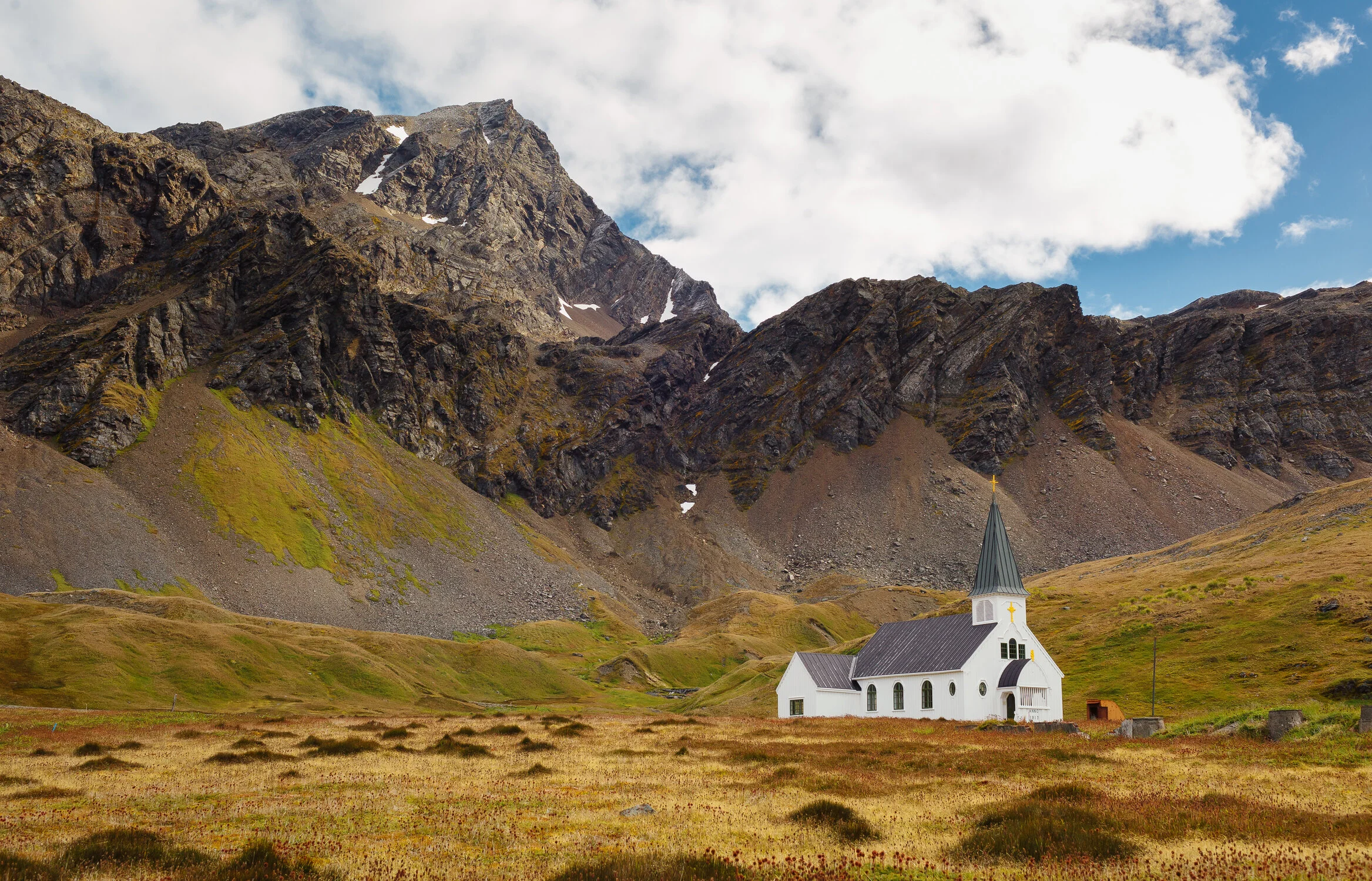
A key programme point is Grytviken, one of the first whaling stations in sub Antarctic waters. This is where Sir Ernest Shackleton is buried; traditionally, a toast is made to him at the cemetery. The visit links historical insight with the island’s present day role as habitat and protected area.
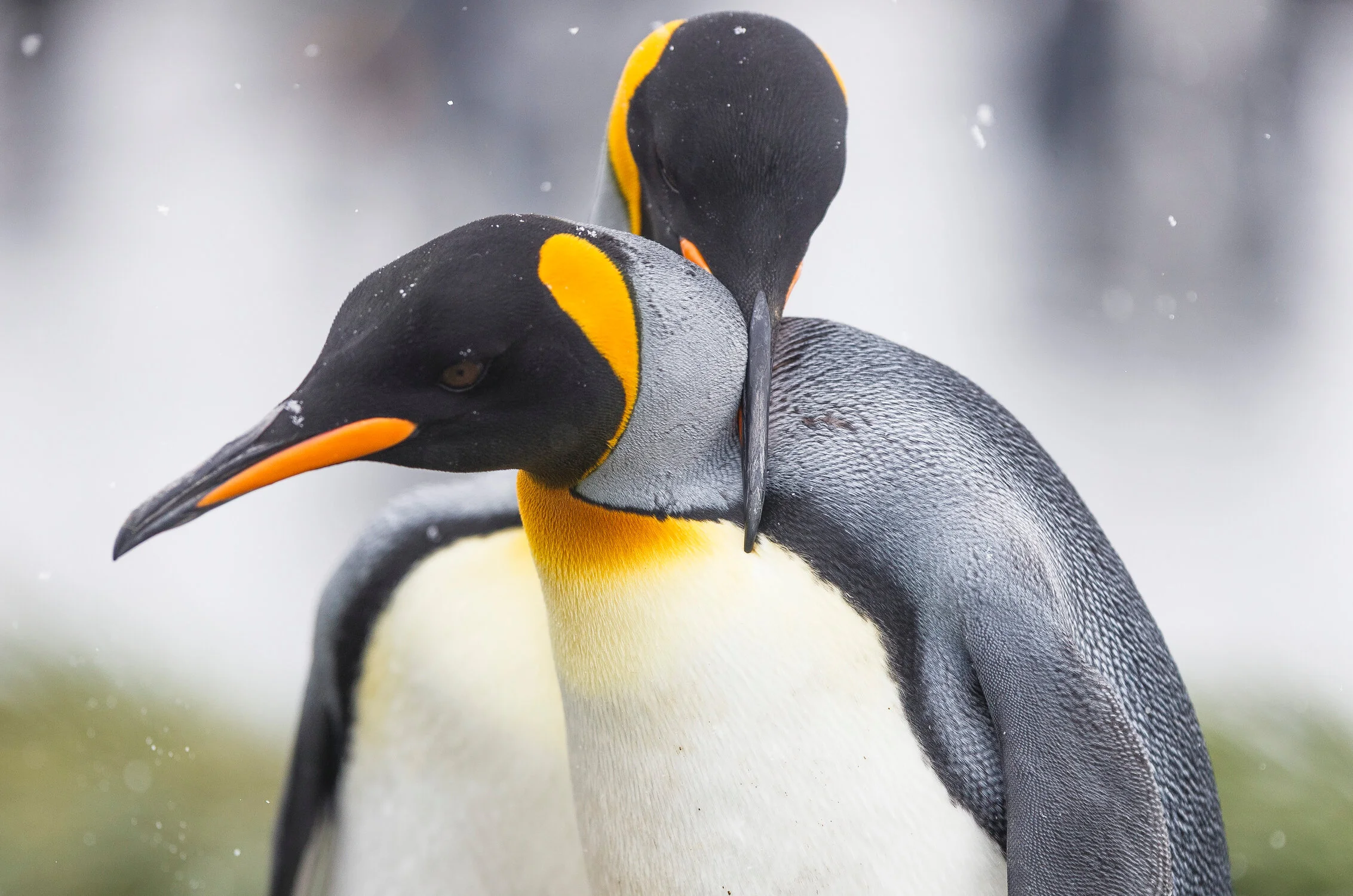
Day 13: South Georgia, king penguins and macaroni penguins as conditions allow
With the time available, additional landing sites can be reached. A visit to major king penguin colonies is possible, including St Andrew’s, conservatively estimated at more than 150,000 breeding pairs. If conditions suit, macaroni penguin colonies on exposed coasts are also sought, for example at Hercules Bay, Royal Bay or Cooper Bay. Large numbers of seabirds, including petrels and prions, are also expected.
Day 14: South Georgia, possible King Haakon Bay and the Shackleton route
If conditions allow, King Haakon Bay may be visited, including the beach where Shackleton and his party landed after the voyage of the James Caird. Alternatively, further sites on the sheltered lee side are visited. Weather permitting, a longer hike is also planned along the final stretch of the route taken by Shackleton, Worsley and Crean to the Stromness whaling station.
Day 15: South Georgia, further exploration day
The final full day in South Georgia remains flexible to make use of weather windows for additional bays and beaches. The aim is to maximise observation time with penguins, seals and seabirds before the long return journey to South America begins.
Day 16: At sea, beginning the return journey
The return to South America covers more than 1,000 nautical miles. The route heads west through the Southern Ocean, crosses the Antarctic Convergence again and passes near Burwood Bank, a shallow underwater plateau. These regions can again provide good conditions for birdwatching and marine mammal sightings, while the environment gradually shifts towards Tierra del Fuego.
Day 17: At sea, observation and onboard programme
Another sea day with ongoing onboard talks and activities. Depending on conditions, seabirds and occasional whales remain possible. There is also time to reflect on the voyage and make use of the ship’s facilities.
Day 18: At sea, approaching South America
As you near the continent, the first South American mountains may appear on the horizon before nightfall if visibility is good. Shelf waters often bring more birds and occasional marine mammals. Onboard, information about disembarkation is also provided.
Day 19: At sea, through the Beagle Channel towards Ushuaia
After dinner, the ship sails west through the Beagle Channel towards Ushuaia. This passage marks the transition from open ocean to more sheltered waters and concludes the sea days before disembarkation the next morning.
Day 20: Disembarkation in Ushuaia and return flight to Buenos Aires
You arrive in Ushuaia in the morning. After breakfast, you disembark, then transfer to the airport for the group charter flight back to Buenos Aires, included in the Charter Flight and Hotel Package. The programme ends on arrival in Buenos Aires.
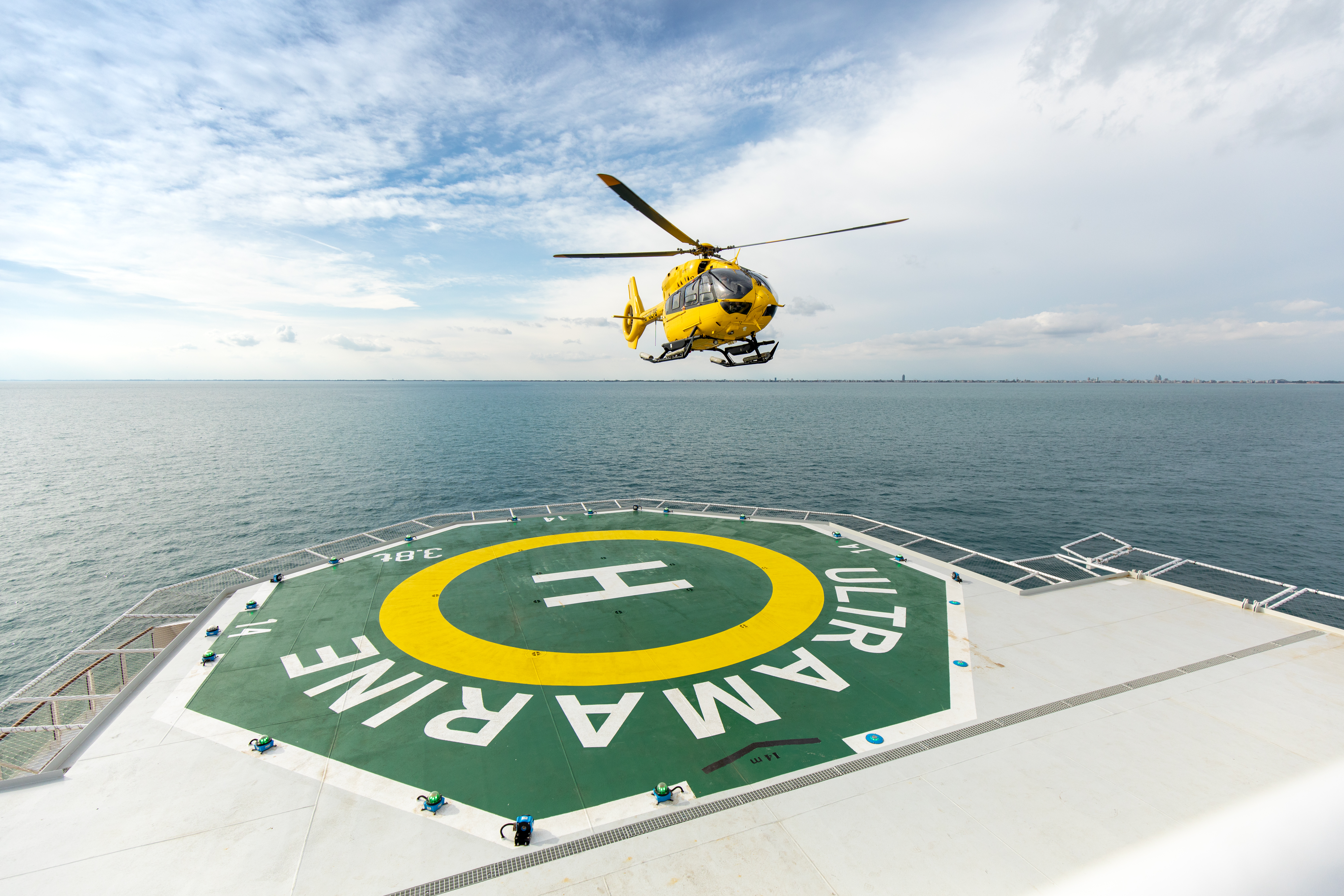
Accommodation: You stay on board the expedition ship Ultramarine in your booked cabin category. The ship offers a range of public areas for presentations and viewing, including a Panorama Lounge and Bar and outer decks for wildlife watching. Ready Rooms are available for preparing for excursions. Further facilities include, among others, a restaurant, a bistro, a library, a fitness area, as well as a spa and sauna. Please note that the ship’s helicopters are not used on this voyage. In Buenos Aires, a group hotel night on the first day is included as part of the Charter Flight and Hotel Package.
Included:
- Group hotel in Buenos Aires as part of the Charter Flight and Hotel Package
- Charter flights as per programme, including the return flight Ushuaia to Buenos Aires
- Transfers as per programme on the specified days
- 18 nights on board Ultramarine in your booked cabin
- Premium dining on board with options for different dietary requirements
- Talks and presentations by the Expedition Team
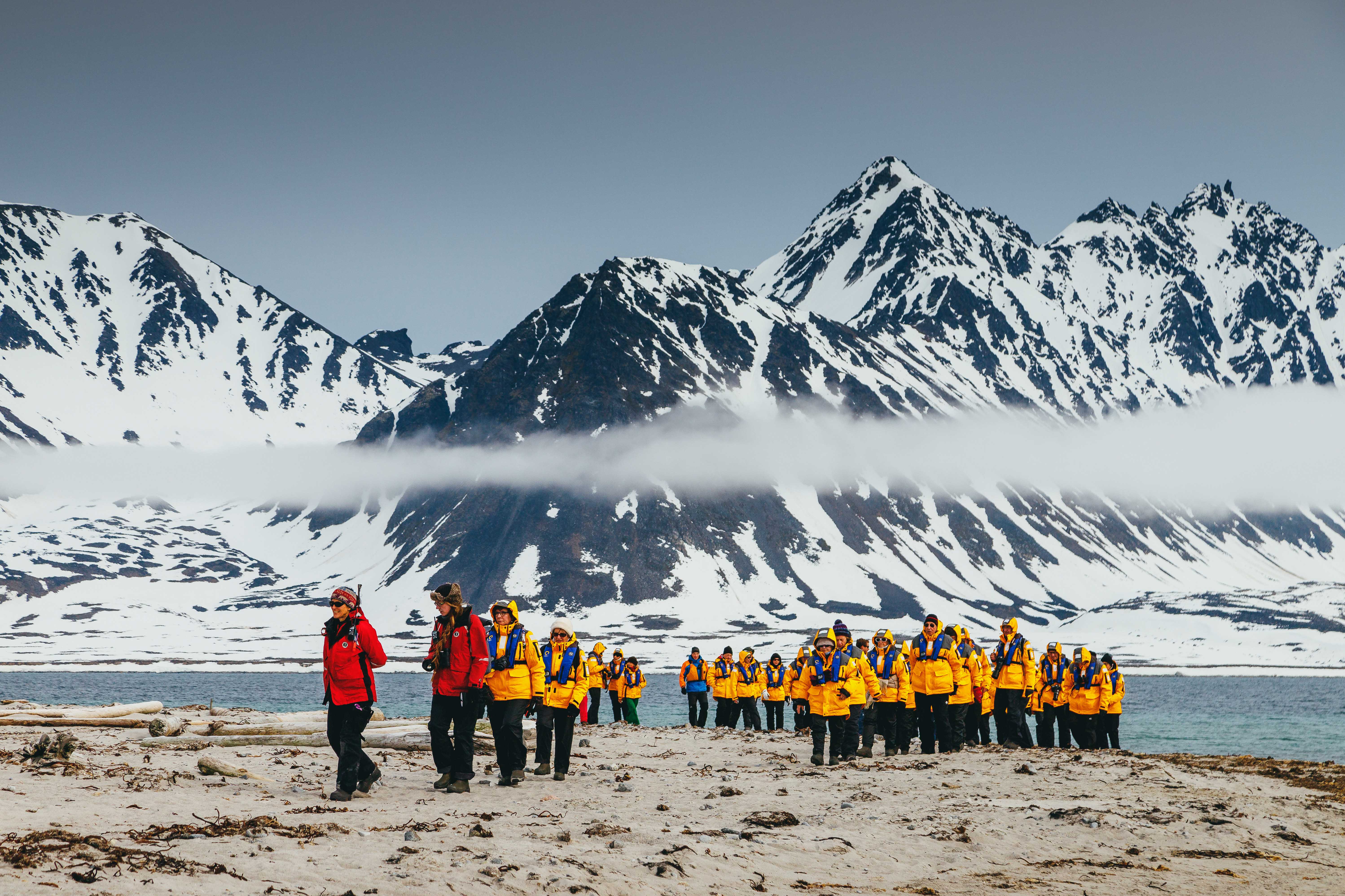
- Zodiac cruising and shore landings as per weather and programme
- Photography support by guides
- Polar Plunge, subject to conditions and schedule
- Alcoholic beverages on board as per onboard services
- Wi Fi on board
- Expedition parka as part of the travel services
Not included:
- International travel to and from Buenos Aires
- Visas and official fees where required
- Travel insurance
- Mandatory expedition gear and personal clothing
- Personal expenses on board
- Chargeable adventure options and pre bookings
- Trip extensions before or after the programme
Optional upgrades:
- Sea Kayaking
- Paddling Excursion
Additional Information for Expedition Cruises: The itinerary and route described are provided as examples only and may be adjusted or changed at any time due to weather, ice and tidal conditions, as well as for safety reasons. Specific landing sites, locations or route sections therefore cannot be guaranteed. The captain and expedition leader will make all final decisions regarding the route, landings and daily programme on site. Wildlife sightings cannot be guaranteed. Landings and Zodiac excursions depend on local conditions and regulatory requirements. Optional activities have very limited availability; we recommend booking them well in advance, often weeks or months before departure, as they may be fully booked by the time of travel; their operation depends on weather, ice and safety conditions as well as minimum participation. Polar regions are remote and dynamic natural environments, therefore programme changes or delays may occur.

-t74zgkkhsgdtyw5.jpg)


.jpg)
.jpg)

.jpg)










.jpg)

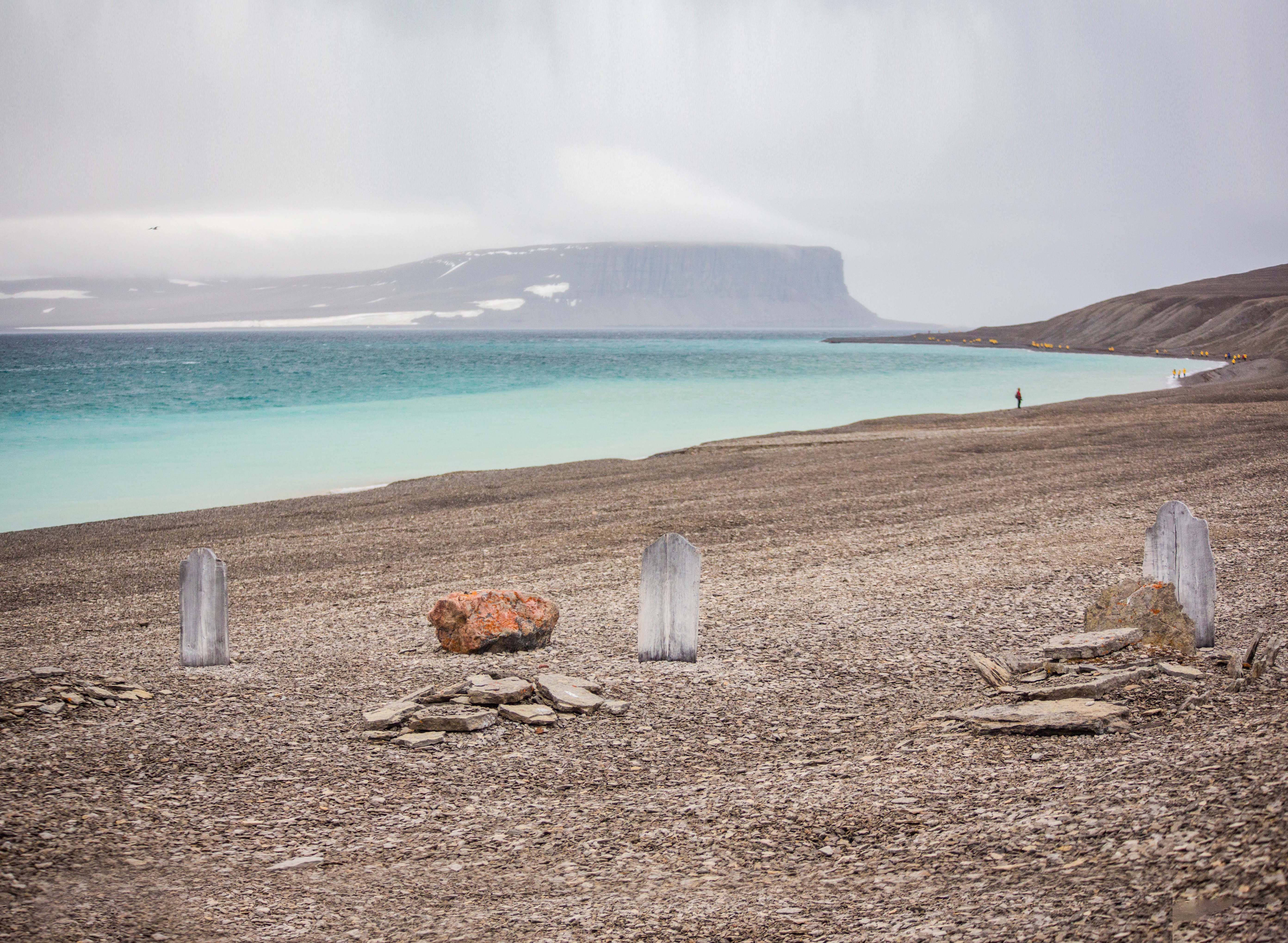


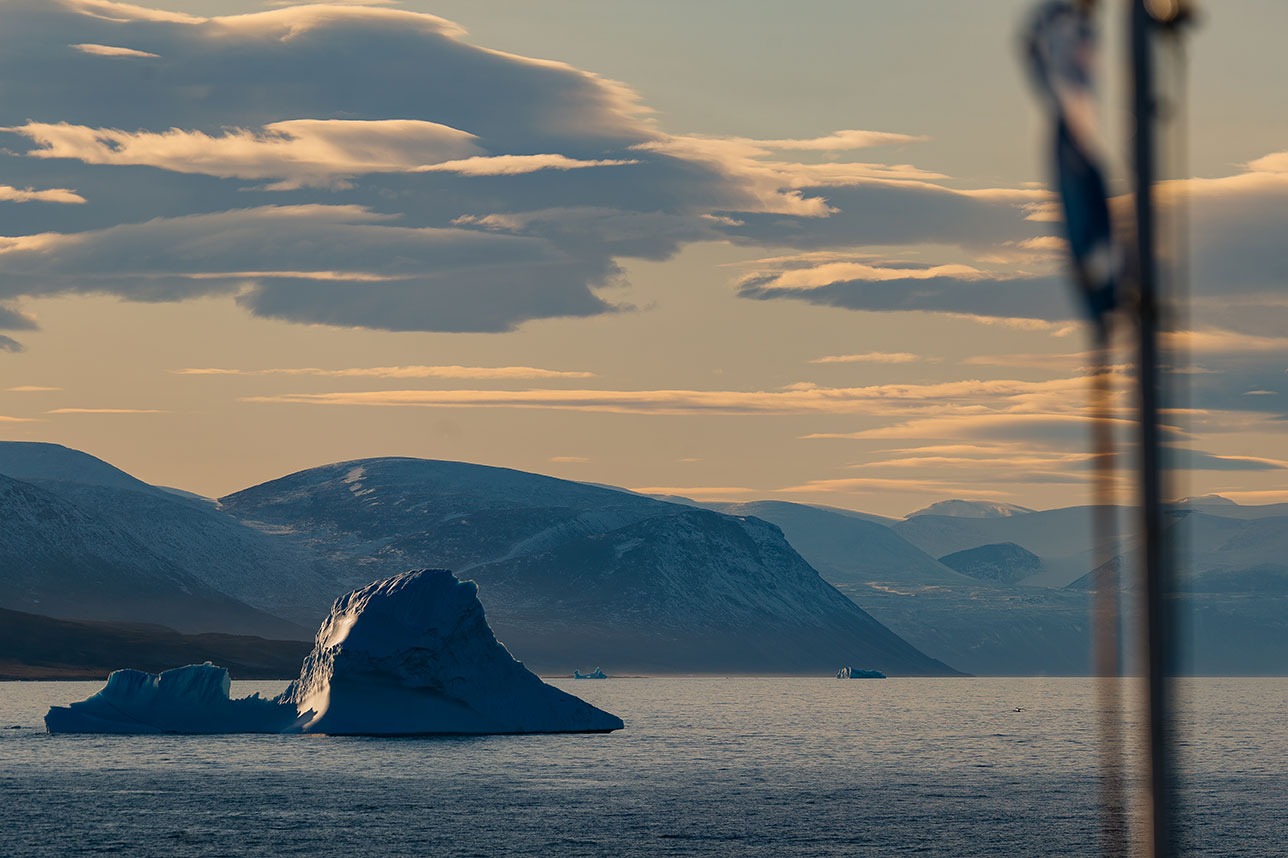


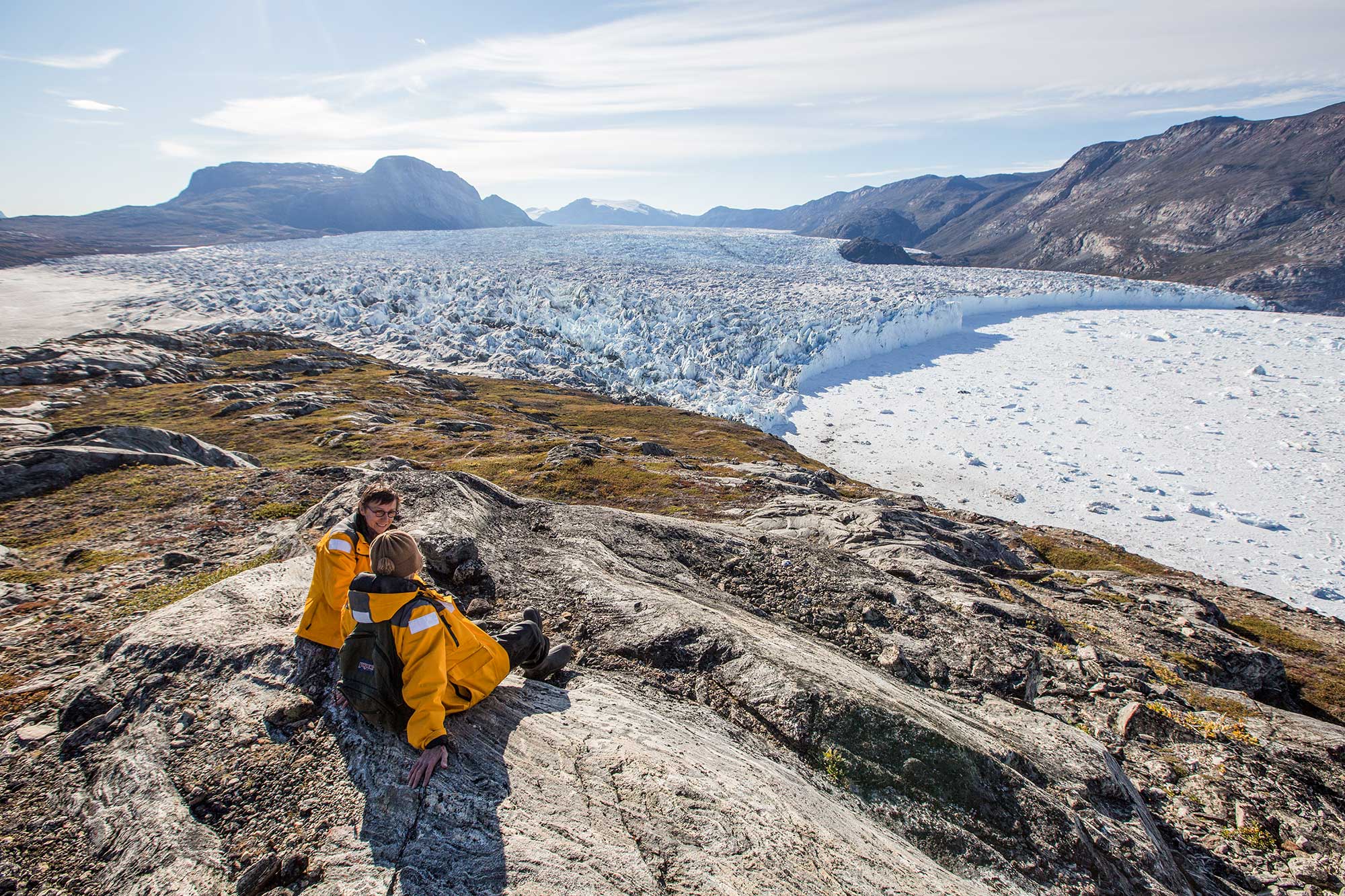
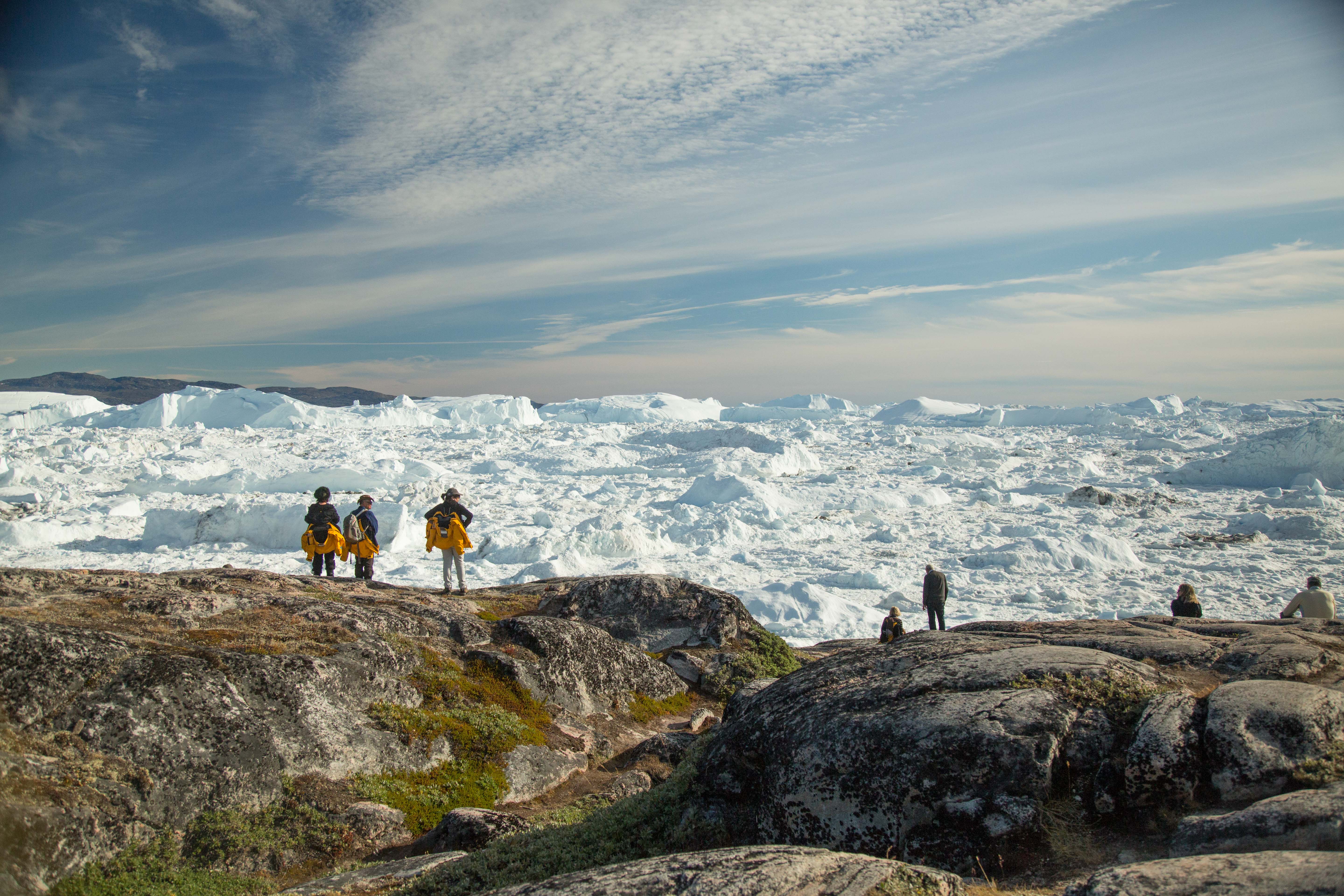
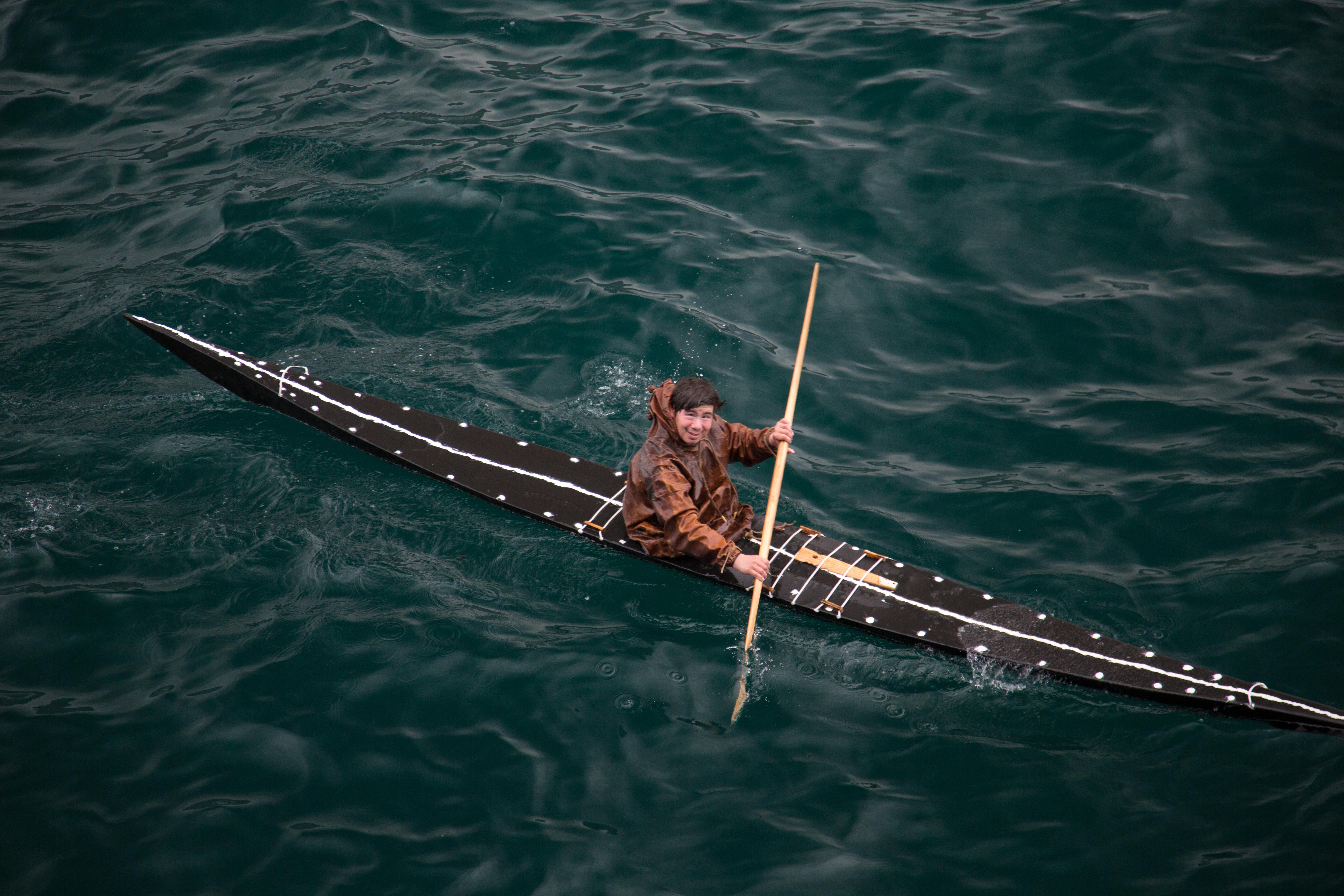


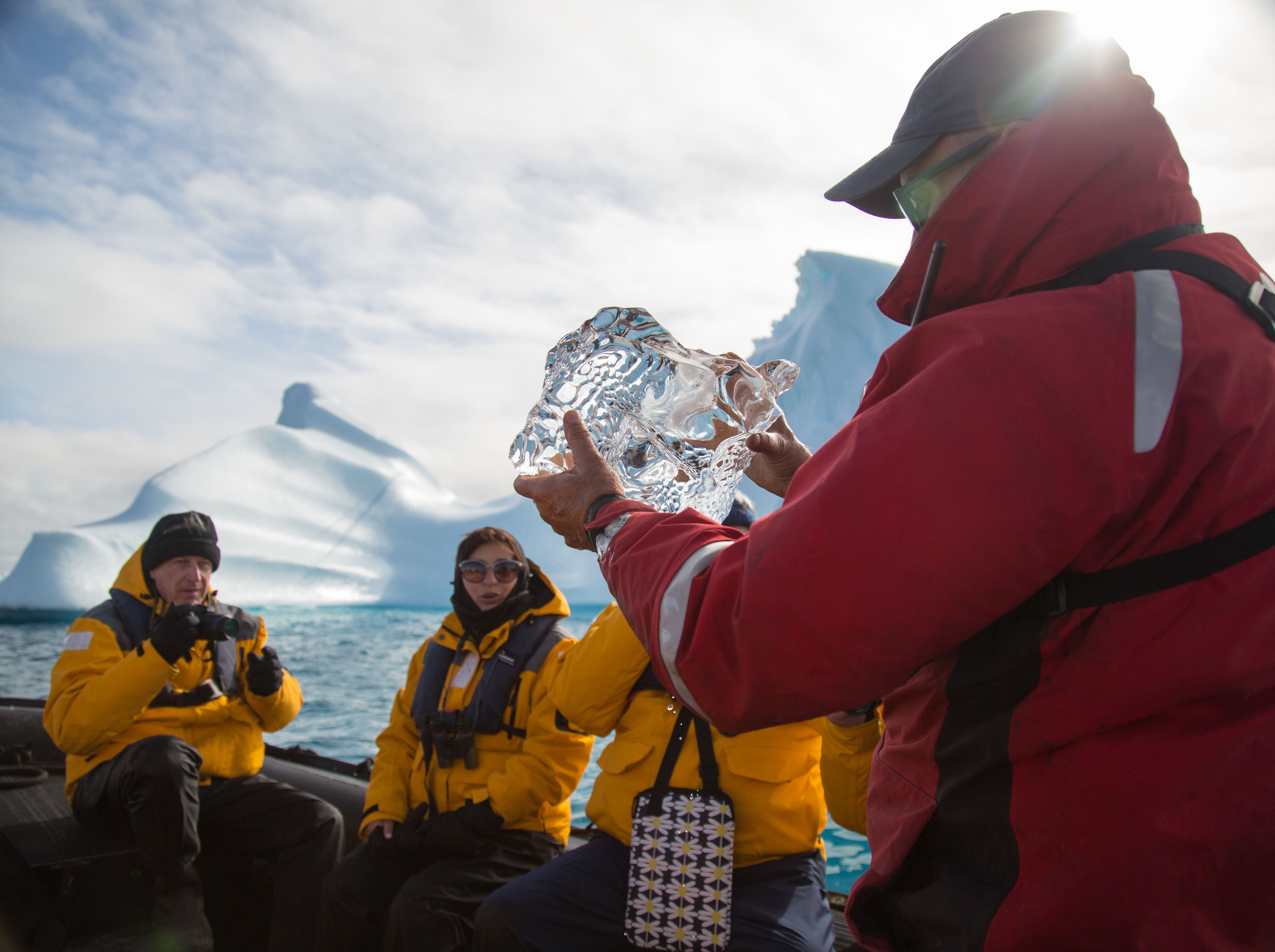


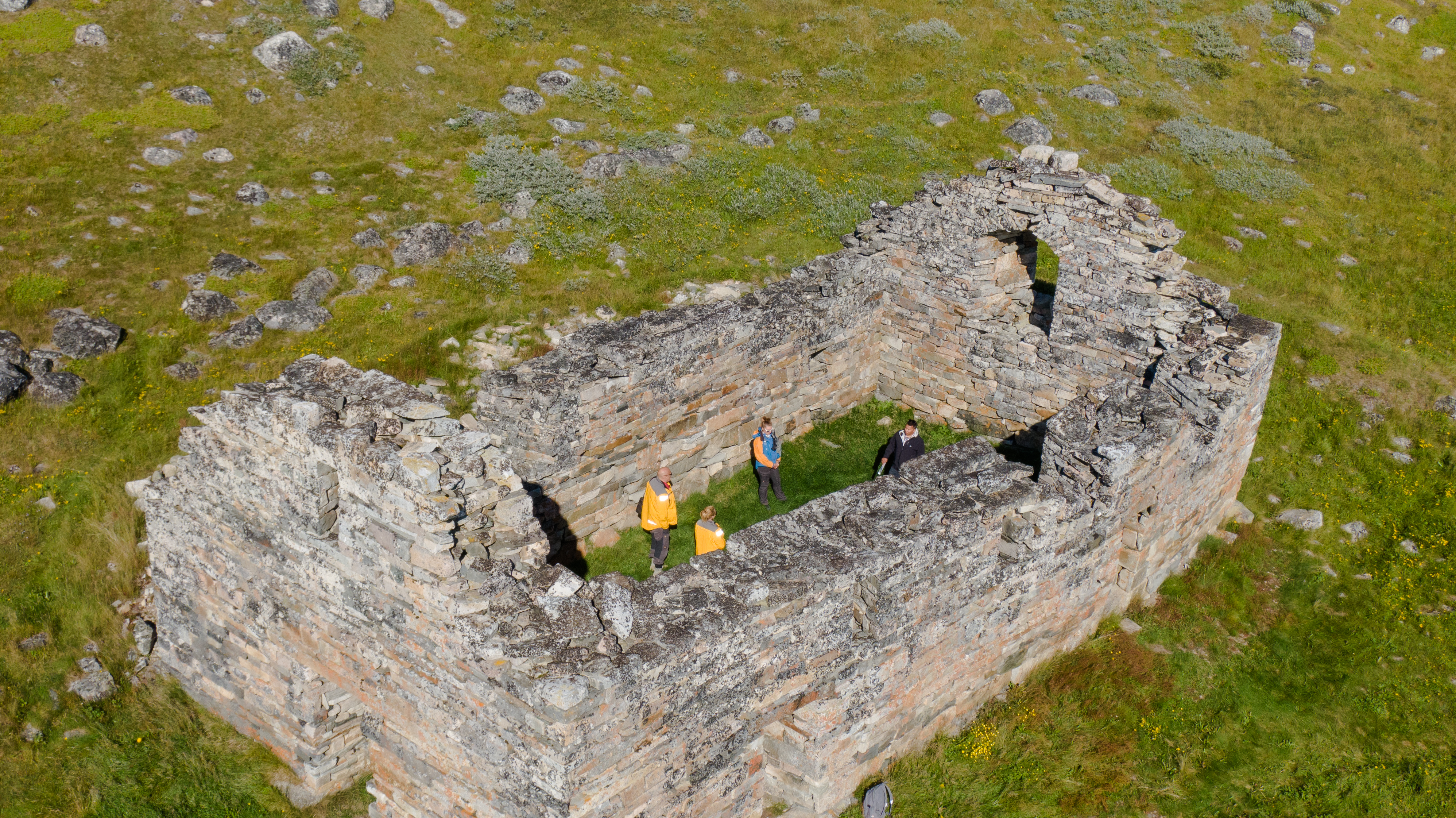


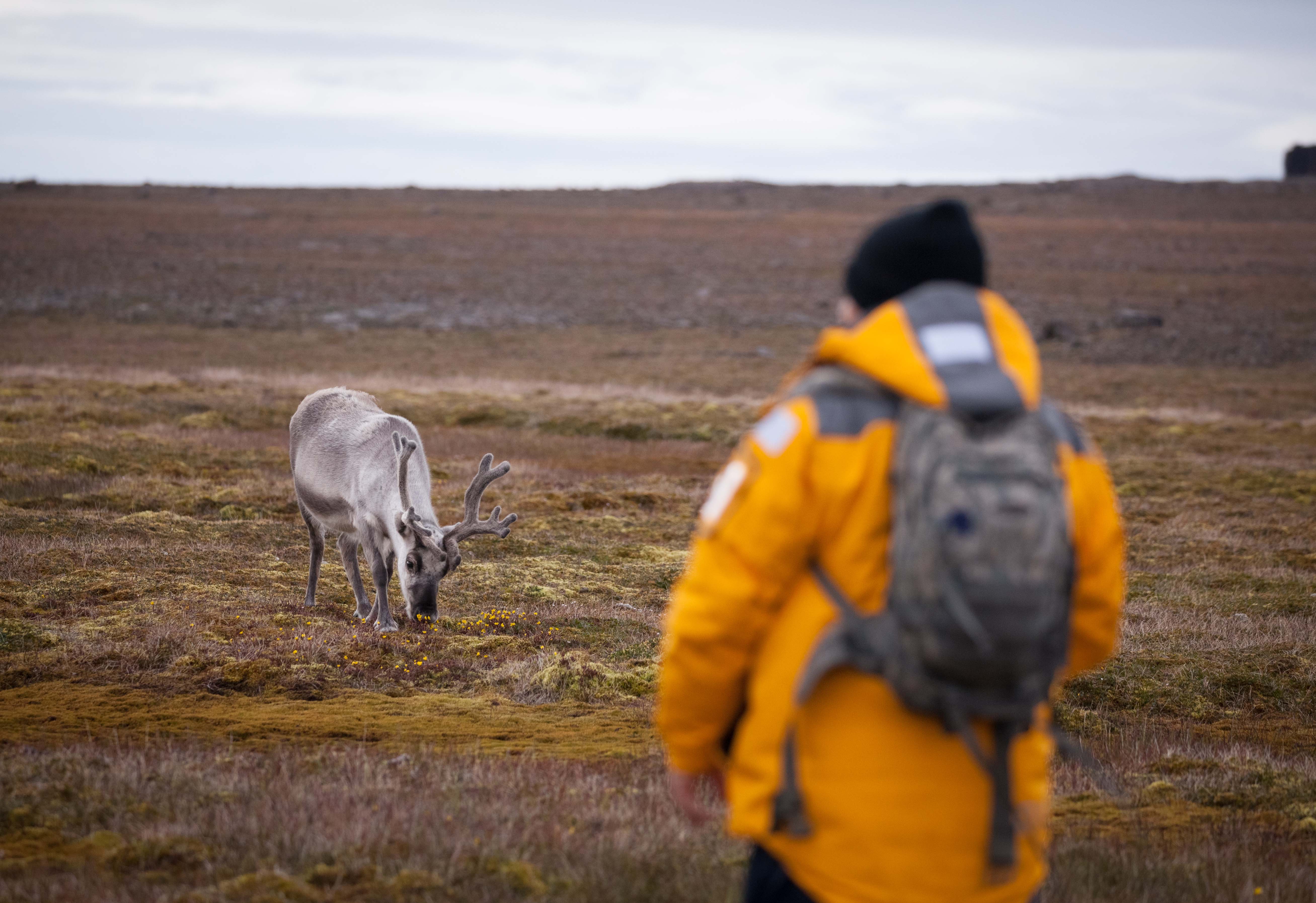
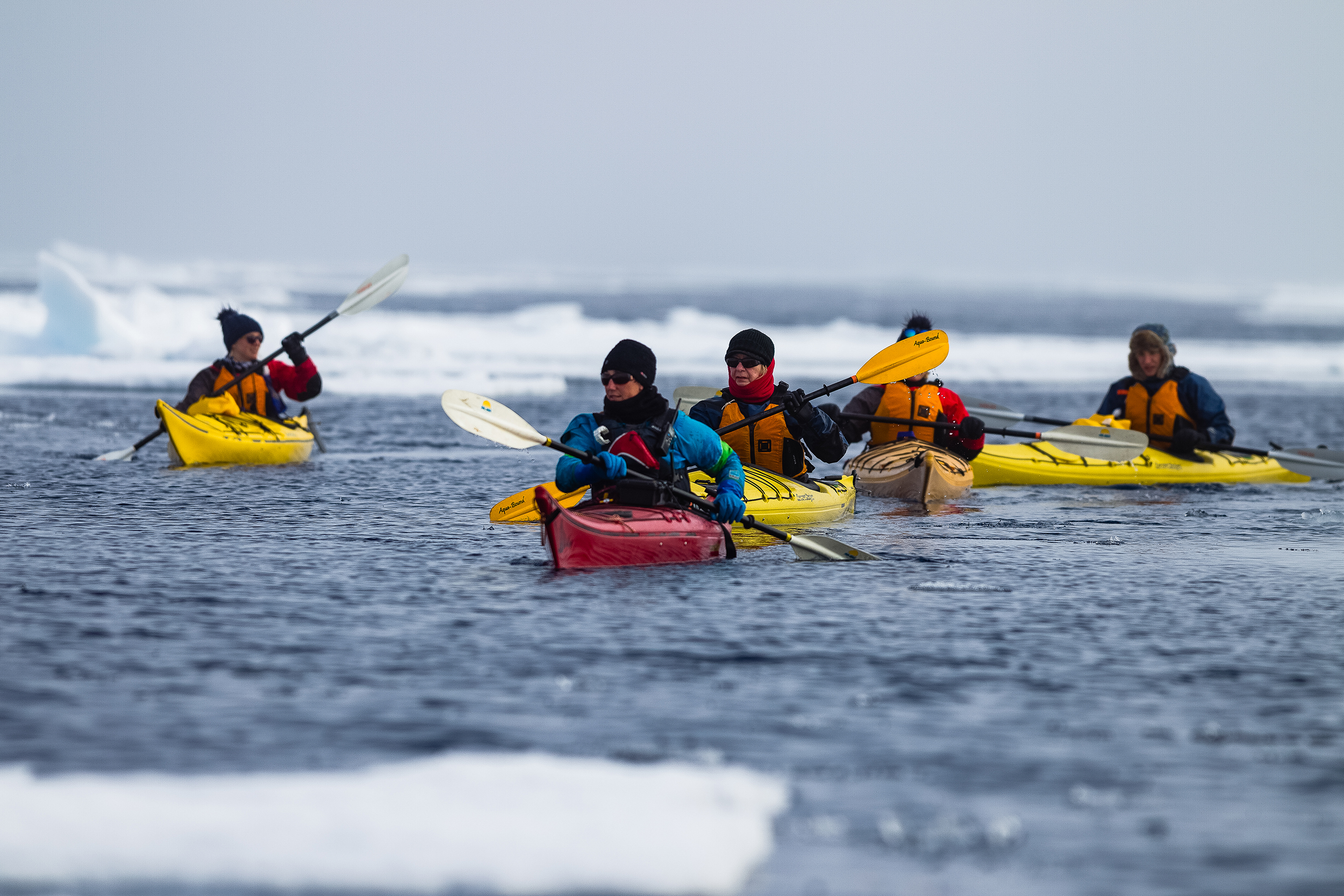
These pictures provide a general impression of our local partner and the surrounding area. Please note that selected tour may differ from these pictures.
All Reviews of Quark Expeditions
●●●●◐ 4.5 of 5 Stars (245 Reviews) on Tripadvisor●●●●● 4.8 of 5 Stars (276 Reviews) on Google
Help us and submit a new review
Please select between 1 to 5 to review the operator* ○○○○○
Tue. 19.10.2027 - Sun. 07.11.2027
20 days from Buenos Aires, Argentina
Available on request
20 days from Buenos Aires, Argentina
Available on request
from €22.183,-
18% Advantage
18% Advantage

Available on request
from €25.898,-
€30.895,-
16% Advantage
16% Advantage
Deck: 3 27m² Twin Beds Standard Window

Available on request
from €28.401,-
€33.995,-
16% Advantage
16% Advantage
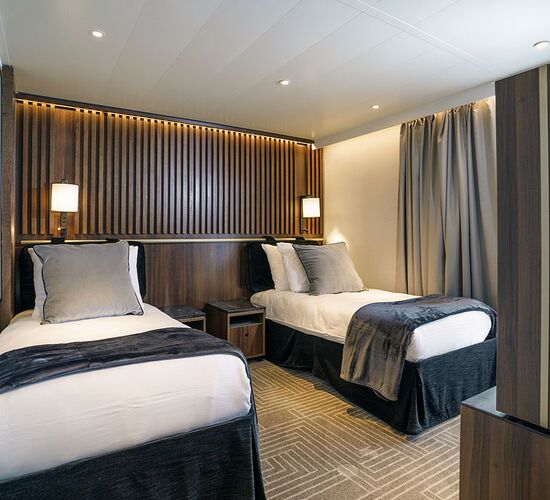
Deck: 4 & 6 21m² Twin Beds Private Balcony

Available on request
from €33.407,-
€40.195,-
17% Advantage
17% Advantage
Deck: 4 & 6 28m² Twin Beds Private Balcony
Available on request
from €34.619,-
€41.695,-
17% Advantage
17% Advantage
Deck: 6 33m² Twin Beds Large Balcony
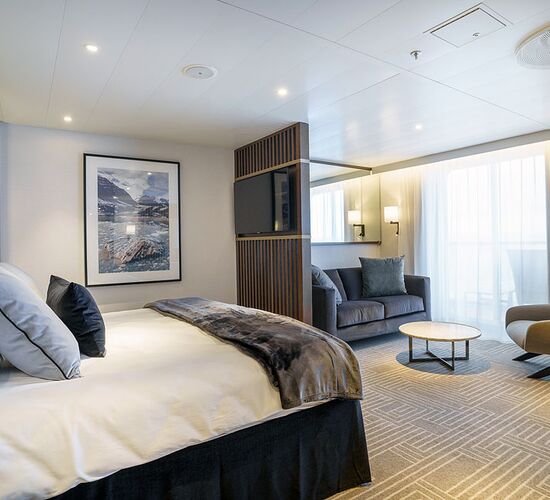
Available on request
from €37.122,-
€44.795,-
17% Advantage
17% Advantage
Deck: 7 34m² Twin Beds Private Balcony
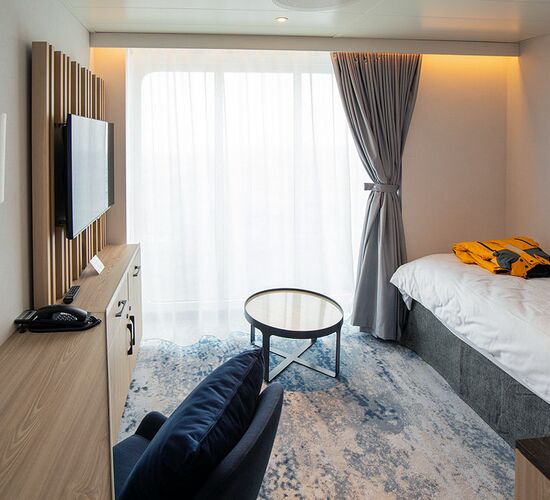
Available on request
from €39.464,-
€47.695,-
17% Advantage
17% Advantage
Deck: 6 12m² Solo Cabin Panoramic Window

Available on request
from €45.843,-
€55.595,-
18% Advantage
18% Advantage
Deck: 6 41m² Twin Beds Private Balcony

Available on request
from €50.849,-
€61.795,-
18% Advantage
18% Advantage
Deck: 6 52m² Twin Beds Private Balcony
Thu. 12.10.2028 - Tue. 31.10.2028
20 days from Buenos Aires, Argentina
Available on request
20 days from Buenos Aires, Argentina
Available on request
from €21.478,-
17% Advantage
17% Advantage

Available on request
from €21.478,-
€25.795,-
17% Advantage
17% Advantage
Deck: 3 27m² Triple Occupancy Standard Window
Available on request
from €25.326,-
€30.295,-
16% Advantage
16% Advantage
Deck: 3 27m² Twin Beds Standard Window
Available on request
from €27.891,-
€33.295,-
16% Advantage
16% Advantage
Deck: 4 & 6 21m² Twin Beds Private Balcony
Available on request
from €33.021,-
€39.295,-
16% Advantage
16% Advantage
Deck: 4 & 6 28m² Twin Beds Private Balcony
Available on request
from €34.303,-
€40.795,-
16% Advantage
16% Advantage
Deck: 6 33m² Twin Beds Large Balcony
Available on request
from €36.954,-
€43.895,-
16% Advantage
16% Advantage
Deck: 7 34m² Twin Beds Private Balcony
Available on request
from €39.262,-
€46.595,-
16% Advantage
16% Advantage
Deck: 6 12m² Solo Cabin Panoramic Window
Available on request
from €46.017,-
€54.495,-
16% Advantage
16% Advantage
Deck: 6 41m² Twin Beds Private Balcony
Available on request
from €51.147,-
€60.495,-
15% Advantage
15% Advantage
Deck: 6 52m² Twin Beds Private Balcony
Fri. 13.10.2028 - Wed. 01.11.2028
20 days from puerto
Available on request
20 days from puerto
Available on request
from €18.506,-
21% Advantage
21% Advantage

Available on request
from €18.506,-
€23.395,-
21% Advantage
21% Advantage
Deck: 6 28m² Triple Occupancy Private Balcony

Available on request
from €20.900,-
€26.195,-
20% Advantage
20% Advantage
Deck: 4 17m² Twin Beds Private Balcony

Available on request
from €22.012,-
€27.495,-
20% Advantage
20% Advantage
Deck: 4 & 6 & 7 19m² Twin Beds Private Balcony

Available on request
from €23.465,-
€29.195,-
20% Advantage
20% Advantage
Deck: 4 & 6 & 7 19m² Twin Beds Private Balcony

Available on request
from €30.818,-
€37.795,-
18% Advantage
18% Advantage
Deck: 3 15m² Solo Cabin Single Porthole

Available on request
from €32.614,-
€39.895,-
18% Advantage
18% Advantage
Deck: 7 25m² Twin Beds Large Balcony

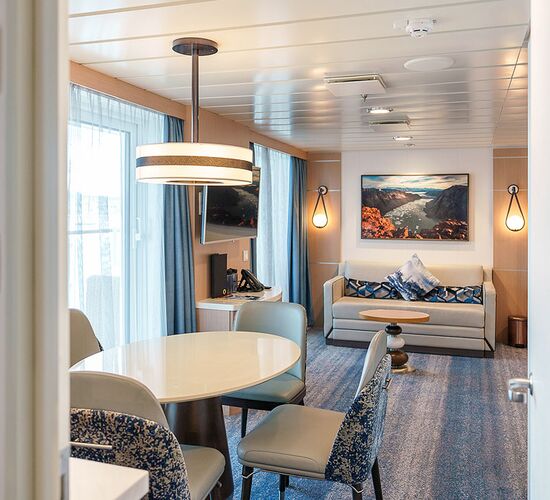
Available on request
from €34.922,-
€42.595,-
18% Advantage
18% Advantage
Deck: 7 41m² Twin Beds Large Balcony
All prices per person in double or multi-bed category. Single room surcharges, children's price advantages etc. on request.
Fixed travel dates, additional days on demand.
Fixed travel dates, additional days on demand.