57.628107264
3.5709125
327
East Greenland - Scoresby Sund - Northern Lights, Fly & Sail
Sailing expedition from Constable Pynt into the world’s largest fjord system with icebergs, tundra and northern lights nights.
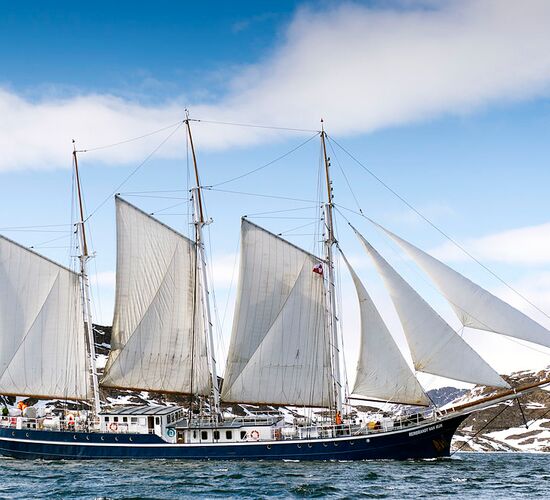
On this trip of 11 days/10 nights aboard s/v Rembrandt van Rijn you fly to Constable Pynt, sail into Scoresby Sund, and experience icebergs and tundra with very good northern lights chances when cloud cover allows.
Tour ID: 1830773 Greenland, Arctic, Bear Island, East Greenland, Scoresby Sund, Ittoqqortoormiit ●●●●● 160 Reviews
11 days / 10 nights
Sailing ship s/v Rembrandt van Rijn

East Greenland - Scoresby Sund: The itinerary
Day 1: Charter flight to Constable Pynt and embarkation
You fly by charter aircraft from Keflavik to Constable Pynt, landing at the airstrip at the head of Hurry Inlet. This region is known for its notably rich geological history, visible in its landforms and rock exposures. After arrival you embark on s/v Rembrandt van Rijn. The day is used for settling in on board and getting oriented before the sailing expedition into Scoresby Sund begins. Depending on timing, there may be time to take in first impressions of the surrounding tundra and fjord landscape. In the evening the ship remains anchored locally or begins repositioning toward the first operating areas. The voyage starts as a combination of flight logistics and a ship based expedition.
Day 2: Sailing along glaciated coasts, Zodiac option near glacier fronts
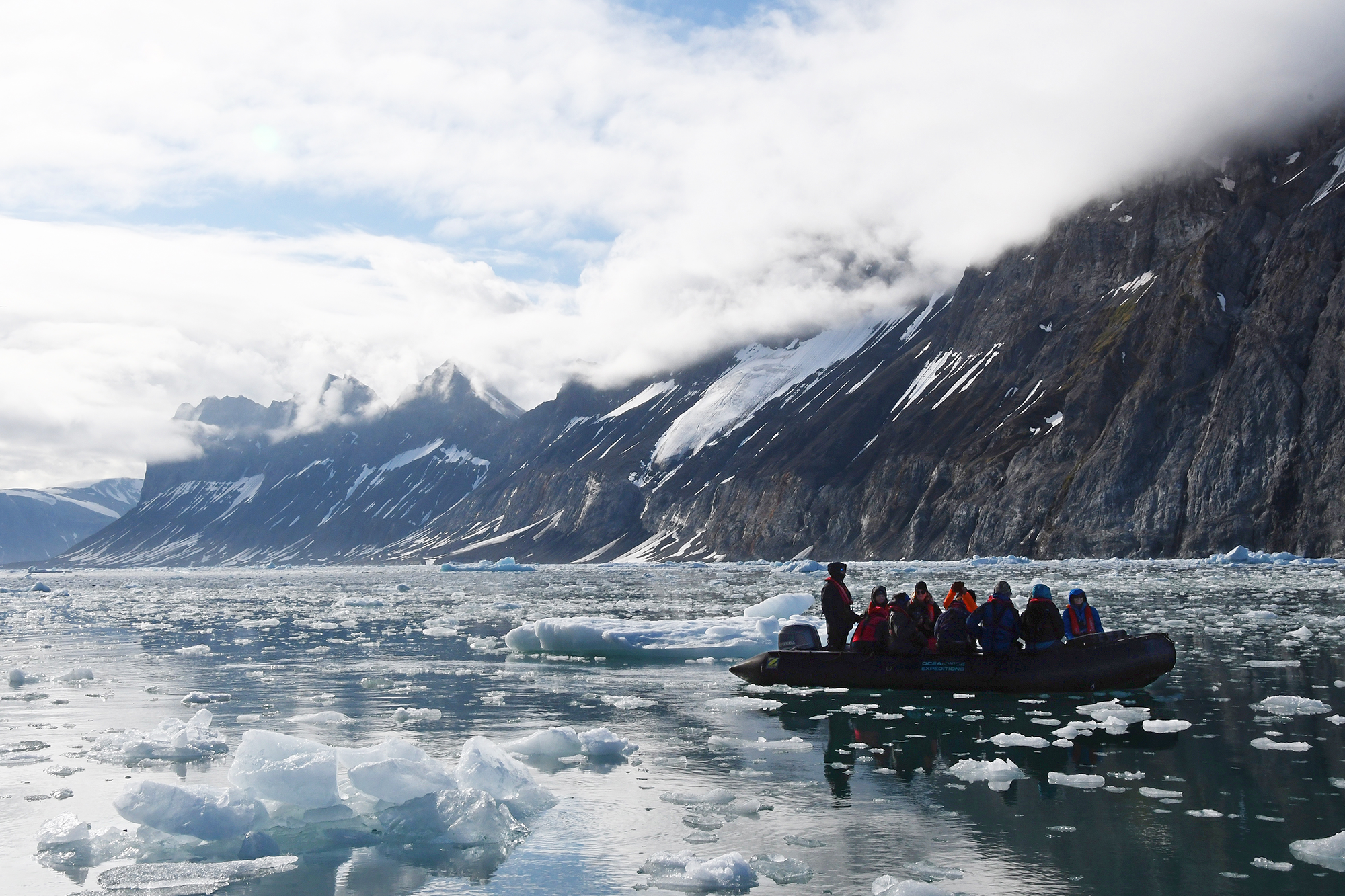
Today you sail along the glaciated coast of Volquart Boons Kyst, with wide views of ice and shoreline structure shaped by glaciers and fjords. A first activity may include a Zodiac cruise along one of the glacier fronts, depending on conditions, either near Månegletscher or in Vikingebugt. Vikingebugt is known for basalt columns and distinctive ice formations, offering strong opportunities for observation and photography. Daily planning depends on wind, visibility and ice, which determine how close operations can be conducted near glacier faces. The day combines sailing with a possible Zodiac activity and introduces the ice landscapes of Scoresby Sund. By evening the ship positions for the Milne Land passage planned for the following day.
All pictures of this partner

 Erwin Vermeulen 2012 (77).jpg_Erwin Vermeulen.jpg)
 Erwin Vermeulen 2012 (78).jpg_Erwin Vermeulen.jpg)



Day 3: Milne Land, Charcot Havn and onward to Øfjord
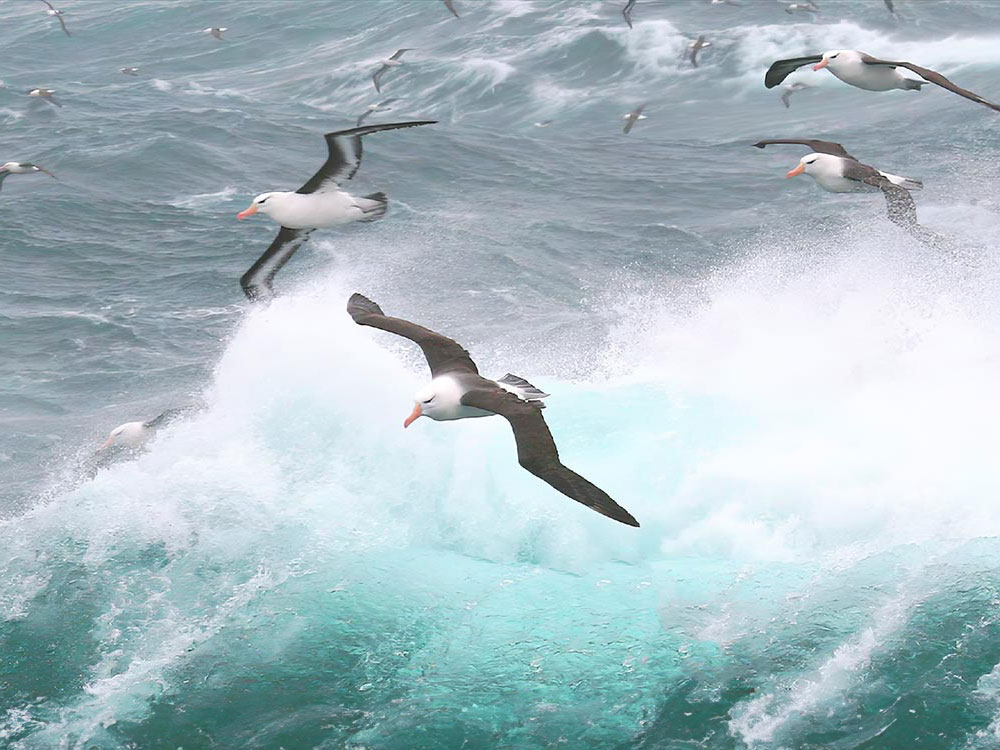
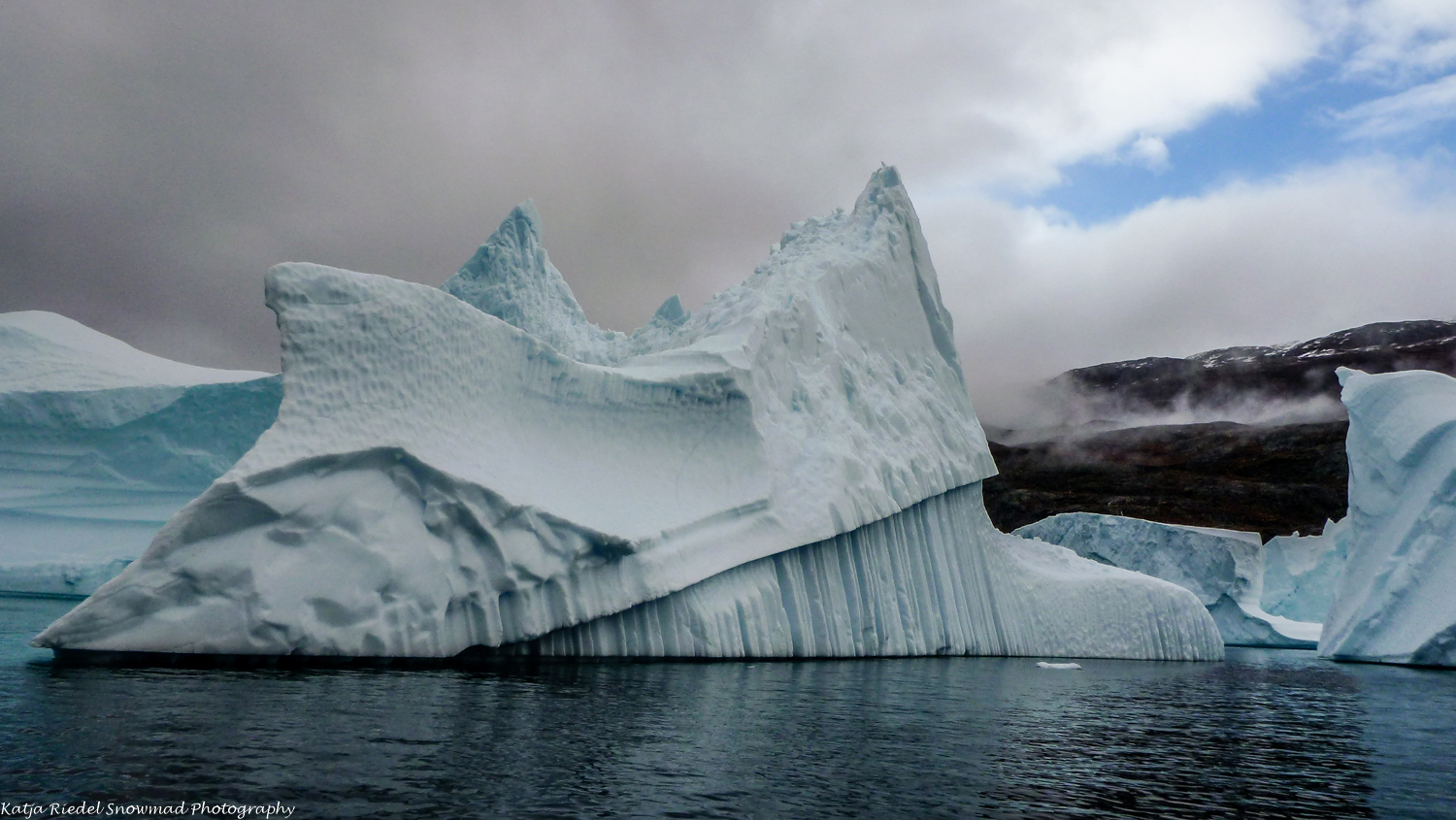
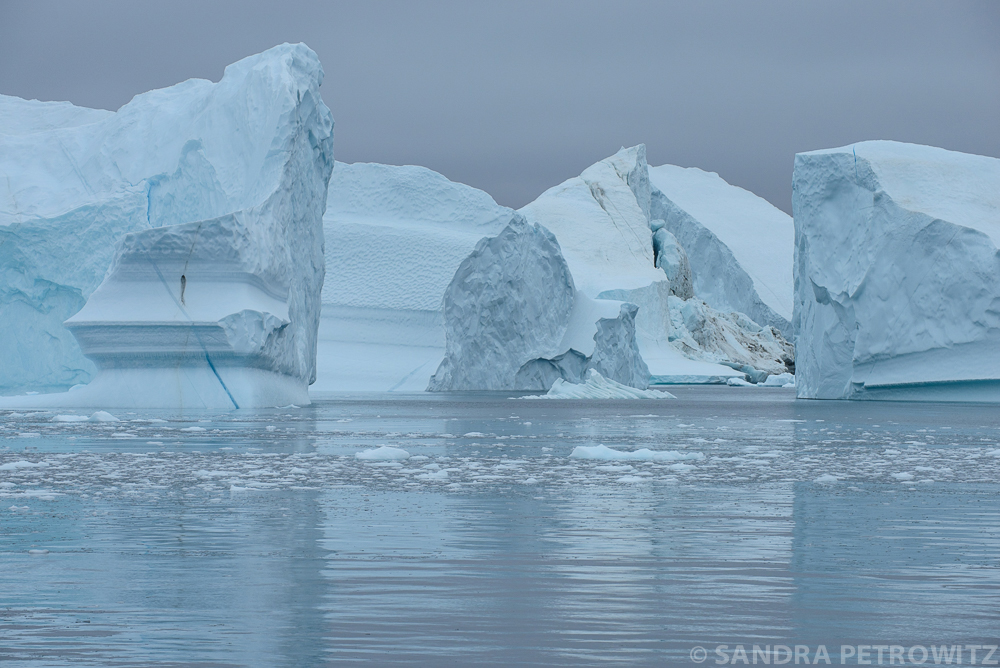
You sail along the east coast of Milne Land, moving among a large number of giant icebergs. Icebergs shape the channels and continuously change the visual perspective as size, form and light conditions vary. If a landing at Charcot Havn is possible, you take a walk to Charcot Glacier to experience the glacier landscape at close range. The route then continues via Bjørneøer, a small island group, before the ship sails into Øfjord. The day combines fjord cruising in iceberg rich waters with a possible hike, depending on weather and access. There is also time for seabird observation and, depending on conditions, marine mammals. Entering Øfjord marks the transition into the mountain lined fjord sections with longer hiking opportunities.
Day 4: Øfjord, Jyttehavn and tundra hiking
Today you visit the eastern entrance of one of the region’s most impressive fjords. Øfjord is almost 40 nautical miles long and is bordered by mountains rising up to about 2,000 metres, while icebergs can drift in waters more than 1,000 metres deep. The aim is a landing at Jyttehavn and a hike across tundra terrain shaped by open space and clear lines. The day’s structure depends on weather and shoreline conditions, as wind and visibility influence how long time ashore is feasible. Alongside the hike, there is time to observe icebergs and fjord structure from the water. The day therefore focuses on fjord scenery and tundra experience before additional side fjords may be visited in the days ahead.
Day 5: Harefjord, Rypefjord and Røde Fjord with hiking options
The programme may include sailing into fjords such as Harefjord, Rypefjord and Røde Fjord. Depending on conditions, hikes are possible at C Hoffmanhalvøya and on Storø, offering opportunities to experience tundra and coastal forms at close range. The fjords are framed by mountain slopes, and iceberg conditions can vary significantly, influencing navigation and landing choices. This is planned as an active expedition day combining sailing segments with time ashore. Wildlife observation remains possible, especially seabirds and, in suitable areas, musk oxen. The exact sequence is adjusted to wind, ice and safe landing feasibility. The day remains flexible while keeping the focus on fjord landscapes and walking.
Day 6: Sydkap, colossal icebergs and Sakatajik
A landing is planned near Sydkap. In this area you can see colossal icebergs, some more than 100 metres high and over a kilometre long. Many are grounded because the fjord is only about 400 metres deep in places. The scale of the icebergs and their slow movement within the fjord define the day’s character. At Sakatajik you may also visit remains of Thule winter houses. Up to twenty people once lived here, hunting bowhead whales and building houses using whale vertebrae, providing direct insight into earlier lifeways. If cloud cover is not too heavy, there are very good chances to see the northern lights later. The day combines iceberg scenery, cultural traces and the possibility of an aurora night.
Day 7: Additional fjord sections, observation and photography time
The voyage continues within the fjord rich areas of Scoresby Sund. Depending on conditions, further sections of the previously mentioned fjords may be explored or additional landing sites used for continued hiking and tundra experience. Planning remains flexible because iceberg distribution, wind and visibility influence navigation. The combination of icebergs, mountain backdrops and changing light often provides strong conditions for photography, both from the ship and during landings. Wildlife observation remains possible, though sightings depend on location and timing. The day also helps position the ship for the following objectives in Jameson Land. Overall, it remains a typical expedition day with adjustments made according to local conditions.
Day 8: Jameson Land, tundra and musk oxen
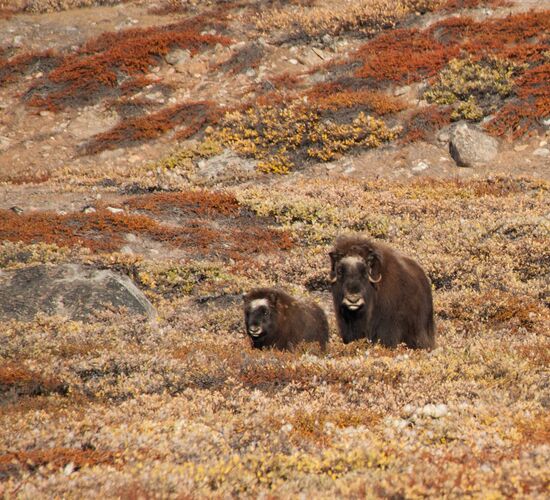
On the western shore of Jameson Land, broad tundra areas support grazing musk oxen. The expedition attempts a landing in a suitable area, for example at Tyskit Nunat, which recalls Alfred Wegener’s efforts to cross the Vandreblokken. Alternatives include Cape Hooker or a lagoon west of Cape Stewart. The day focuses on tundra walking and wildlife observation, with routes adjusted to conditions and animal movement. The landscape here is more open than in narrow fjords, and vegetation is sparse, though autumn periods can bring noticeable colour. Alongside musk oxen, birds and smaller mammals may occur depending on site and season. This day adds a clear tundra and land fauna focus to the fjord programme.
Day 9: Ittoqqortoormiit, settlement in Scoresby Sund
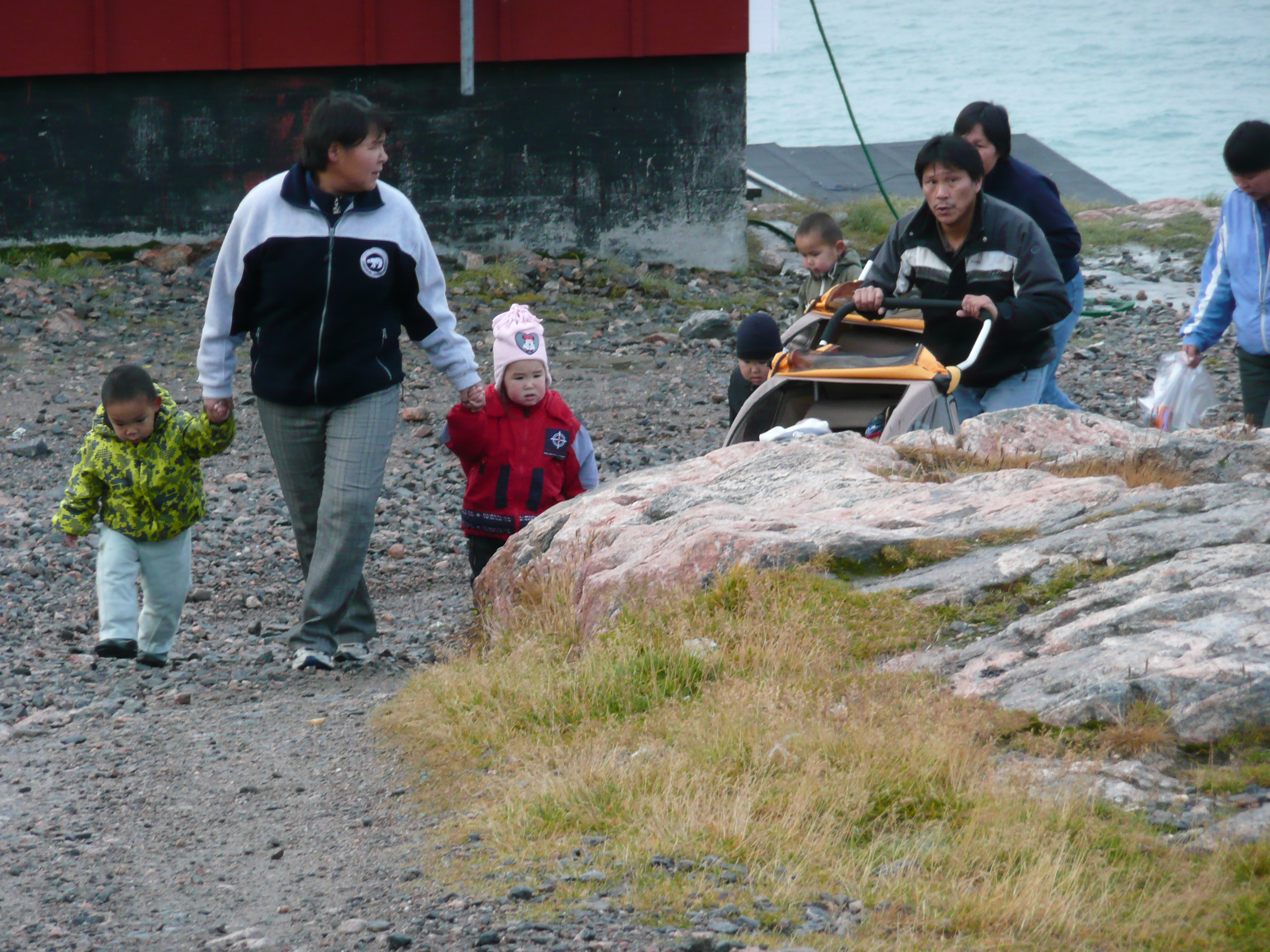
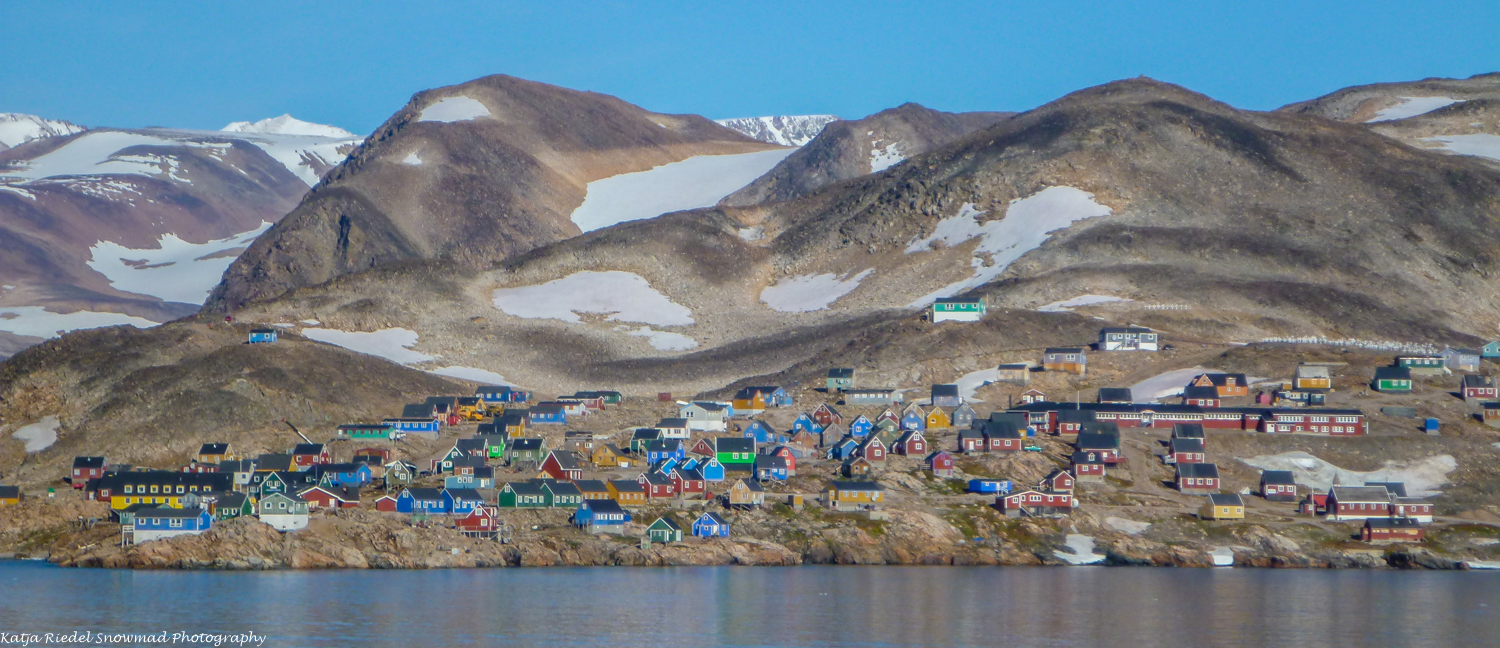
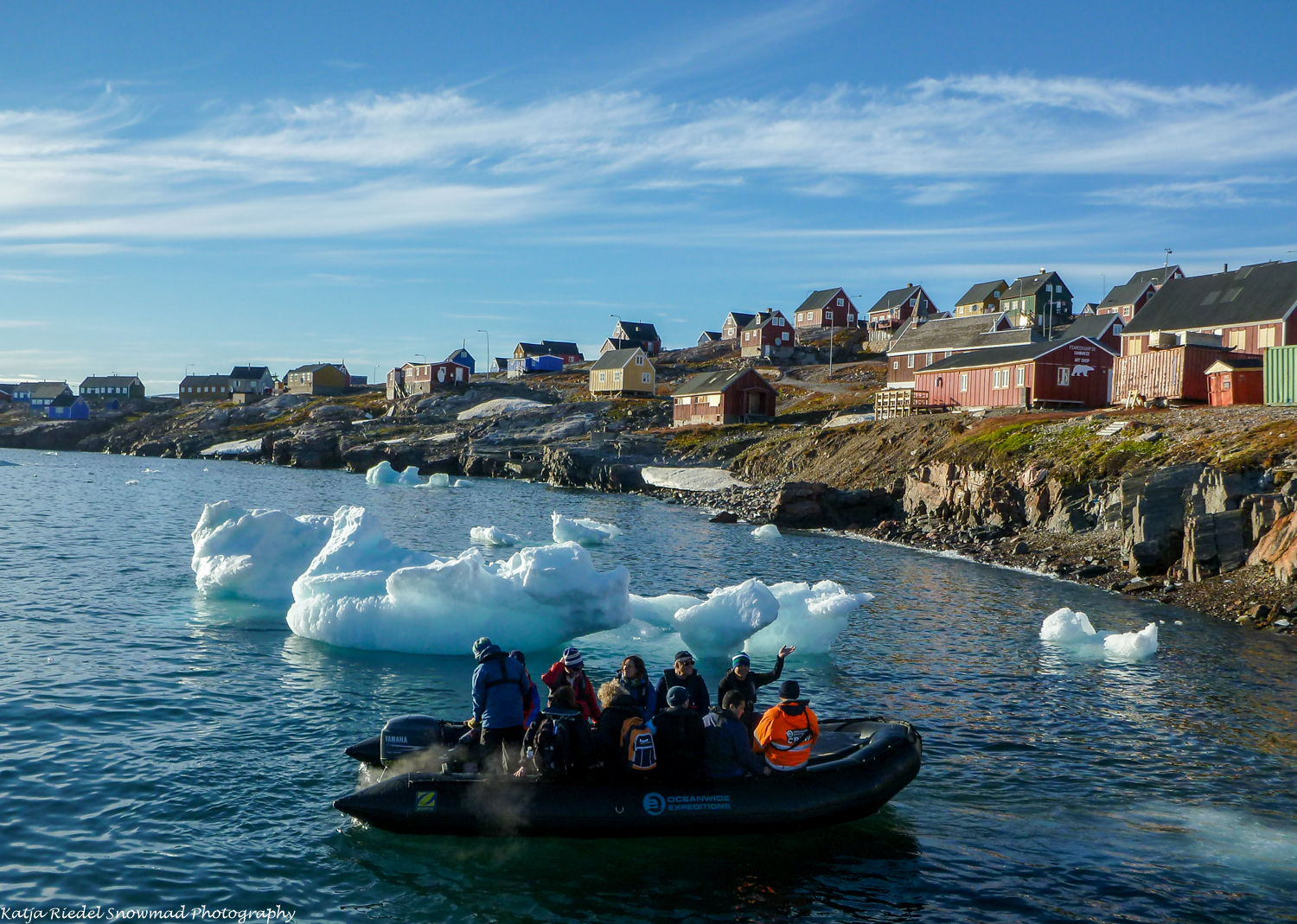
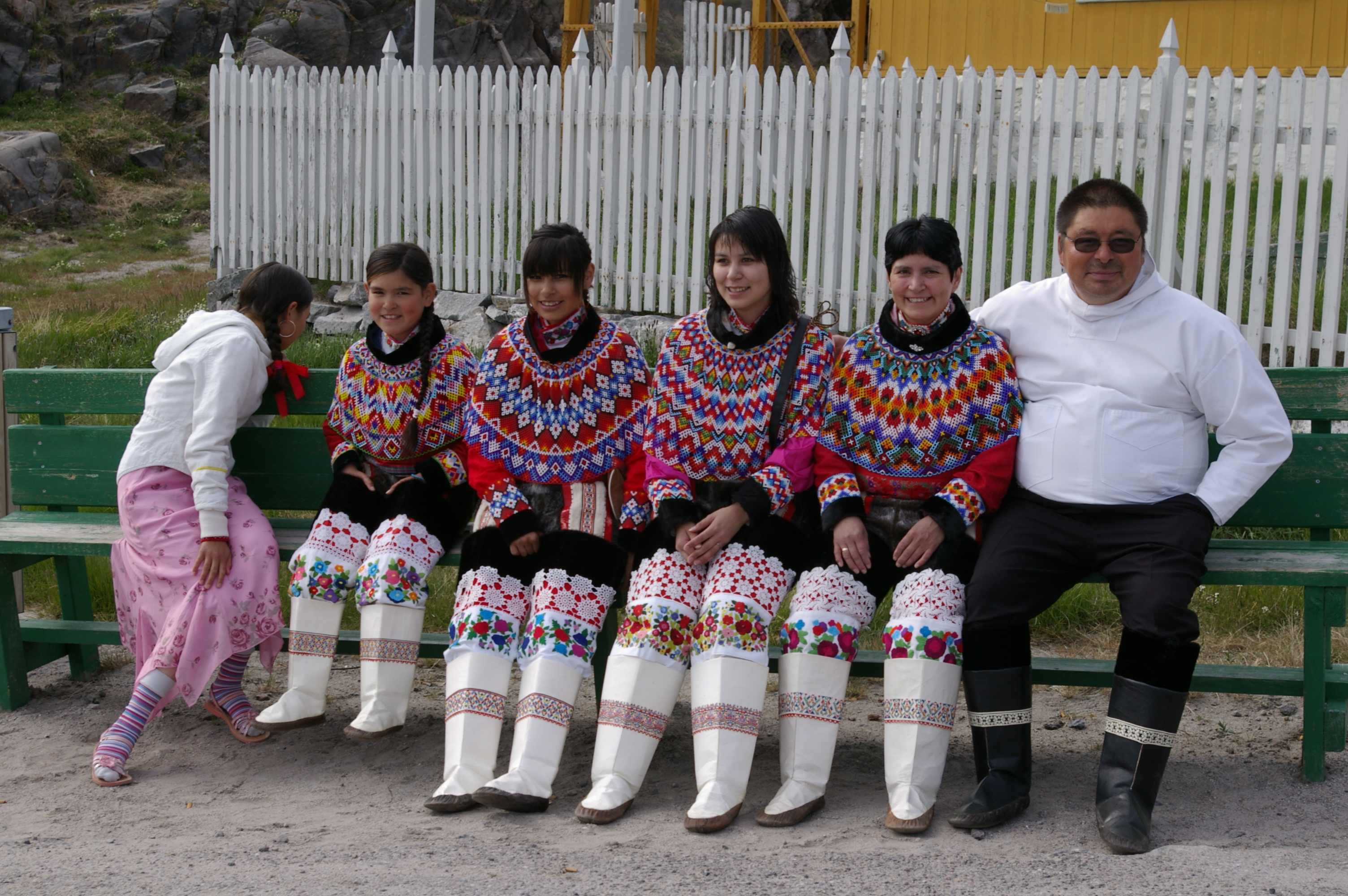
You visit Ittoqqortoormiit, the largest settlement in Scoresby Sund with around five hundred inhabitants. The visit allows time to walk through the community and gain an impression of life in this remote region. At the post office you can buy stamps for postcards. You may also see sled dogs and drying skins of seals and musk oxen, offering insight into local practices. The day is intentionally calmer and provides a cultural contrast to the more landscape focused fjord and tundra days. Depending on timing, there may also be time to observe the surrounding coastal setting. The visit forms a distinct element within the expedition programme.
Day 10: Hurry Inlet, Cape Stewart lagoon and hiking options
In the morning you stop on the south coast of Jameson Land at a lagoon near Cape Stewart. Waders and geese gather here for autumn migration, and musk oxen and collared lemmings live on the sparse vegetation. Farther into Hurry Inlet, walks are possible near the fjord head and around river mouths. There is also the possibility of climbing J P Koch Fjeld near Hareelv, depending on conditions and timing. In this area, scientists have found fossils indicating Lower Cretaceous fish and amphibians, adding geological context. The day combines bird observation, hiking and natural history. During the night the ship anchors off Constable Pynt.
Day 11: Return charter flight from Constable Pynt and departure
Today the voyage ends. You disembark at Constable Pynt and take the charter flight back to Keflavik. The package ends with the return flight, after which you continue your onward travel independently.
Additional Information for Expedition Cruises: The itinerary and route described are provided as examples only and may be adjusted or changed at any time due to weather, ice and tidal conditions, as well as for safety reasons. Specific landing sites, locations or route sections therefore cannot be guaranteed. The captain and expedition leader will make all final decisions regarding the route, landings and daily programme on site. Wildlife sightings cannot be guaranteed. Landings and Zodiac excursions depend on local conditions and regulatory requirements. Optional activities have very limited availability; we recommend booking them well in advance, often weeks or months before departure, as they may be fully booked by the time of travel; their operation depends on weather, ice and safety conditions as well as minimum participation. Polar regions are remote and dynamic natural environments, therefore programme changes or delays may occur.


.jpg_Julian Bourse.jpeg)


.jpg_Ignacio Marino.jpeg)




.jpg_Martin van Lokven.jpeg)
.jpg_Martin van Lokven.jpeg)
.jpg_Martin van Lokven.jpeg)


These pictures provide a general impression of our local partner and the surrounding area. Please note that selected tour may differ from these pictures.
All Reviews of Oceanwide Expeditions
●●●●● 4.6 of 5 Stars (160 Reviews) on
Help us and submit a new review
Please select between 1 to 5 to review the operator* ○○○○○
Mon. 21.09.2026 - Thu. 01.10.2026
11 days from constable
Fully booked.
11 days from constable
Fully booked.
from €5.750,-

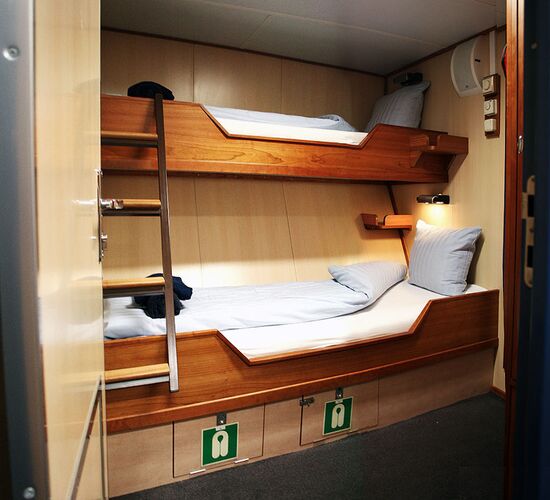

All prices per person in double or multi-bed category. Single room surcharges, children's price advantages etc. on request.
Fixed travel dates, additional days on demand.
Fixed travel dates, additional days on demand.