62.350510648961
12.5429254
326
Exploring Antarctica in Spring 15% Advantage
An expedition voyage to the Antarctic Peninsula during the transition from winter to spring, focused on nature observation and landings.
This journey covers 11 days/9 nights and runs from Ushuaia to Ushuaia. You travel at a time when sea ice can still be present, penguins begin courtship and nest building, and the likelihood of encountering other ships is particularly low.
Tour ID: 1830781 Antarctica, South Shetland Islands, Antarctic Peninsula ●●●●◐ 98 Reviews
11 days / 10 nights
Expedition ship Ocean Albatros
Expedition to the Antarctic Peninsula
South Shetland Islands with Zodiac exploration
Onboard Citizen Science program
Excellent chances for wildlife sightings
Talks led by Polar Experts
Exploring Antarctica in Spring: Itinerary
Day 1: Arrival in Ushuaia and time to explore
After you arrive, you will receive a friendly welcome at the airport and be transferred to one of the partnered premium hotel resorts set within Patagonian nature. After check in, you have time to rest from your journey or head out to explore Ushuaia, known as the southernmost city in the world. Depending on your pace, this can be a quiet afternoon at the hotel or a first walk around town and the waterfront to get oriented. In the evening, an optional briefing is offered, giving you the chance to ask questions and meet some of your fellow travelers. It is also a practical moment to understand the overall flow of the expedition before boarding the next day.
Day 2: Embarkation
Your morning is free in Ushuaia. You may choose to relax at the hotel, visit a museum, or spend time in local shops before the mid afternoon escorted transfer to the ship. The Expedition Team and ship staff will welcome you on board and help you get settled into your cabin. This is followed by a safety and orientation briefing so that procedures on board and expectations for Zodiac operations are clear. The day concludes with the Captain’s welcome dinner. Afterward, the ship departs and the voyage toward Antarctica begins.
All pictures of this partner



Day 3: Drake Passage
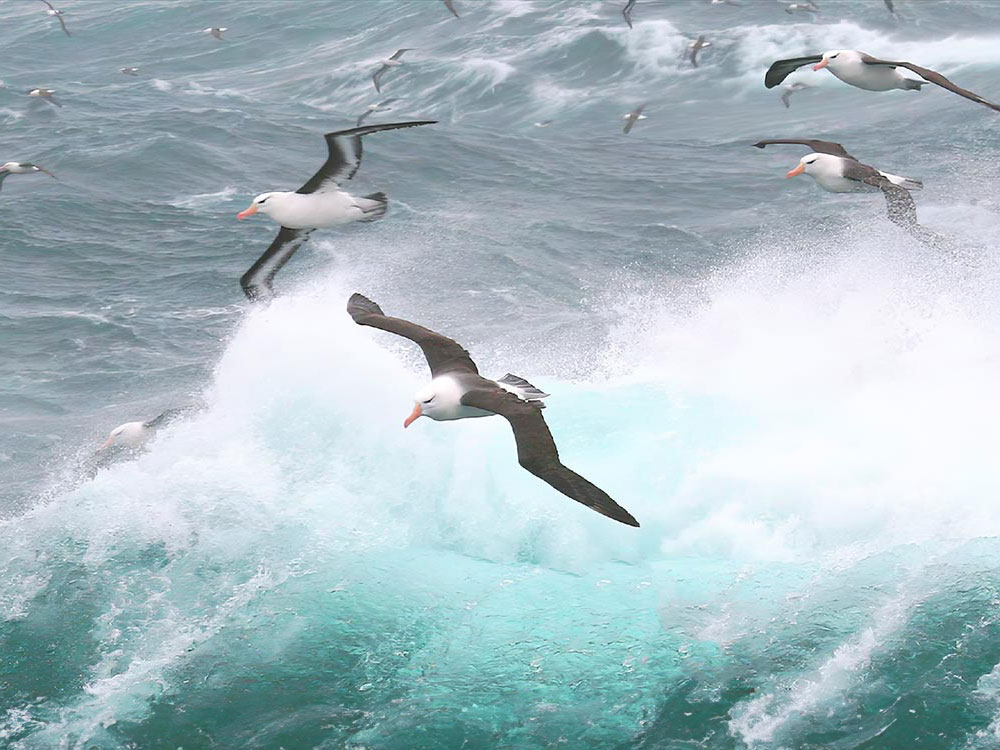
Today you begin the crossing of the Drake Passage, a well known route on the way to Antarctica. On board, Polar Experts share their knowledge through presentations that cover Antarctic wildlife and the region’s history, providing context for what you will see later in the voyage. You can also take part in the Citizen Science program or simply use the day to experience the passage and spend time on deck. Keep binoculars close, as seabirds often accompany the ship and offer frequent opportunities for observation. As you cross the Antarctic Convergence, you will notice a shift into cooler waters and lower temperatures. The day is shaped by the rhythm of the sea and the gradual transition into Antarctic conditions.
Day 4: Drake Passage
The crossing continues, with further time to settle into the onboard routine and prepare for the first days of operations in the south. Briefings and talks help deepen understanding of the Antarctic environment and the practical aspects of landings and Zodiac travel. At the same time, there is space to observe the ocean and scan for wildlife that can appear along this route. Seabirds remain a constant presence, and watching them from the outer decks is often part of the day. As the ship progresses south, the air and sea feel increasingly cold, and the first signs of ice may begin to influence the atmosphere and planning. Conditions can change quickly, and the schedule remains flexible in response to weather and sea state.
Day 5: South Shetland Islands
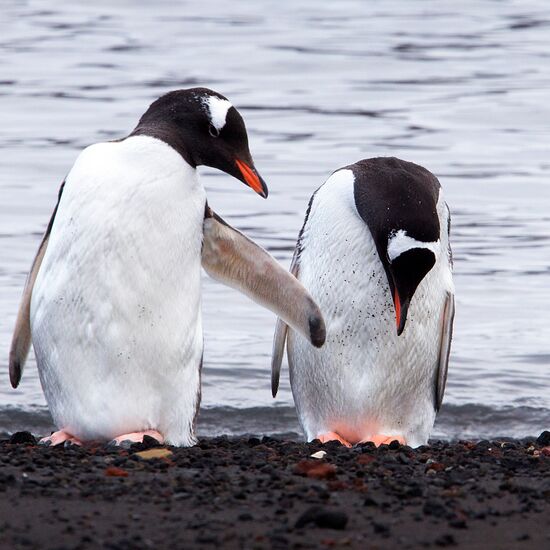
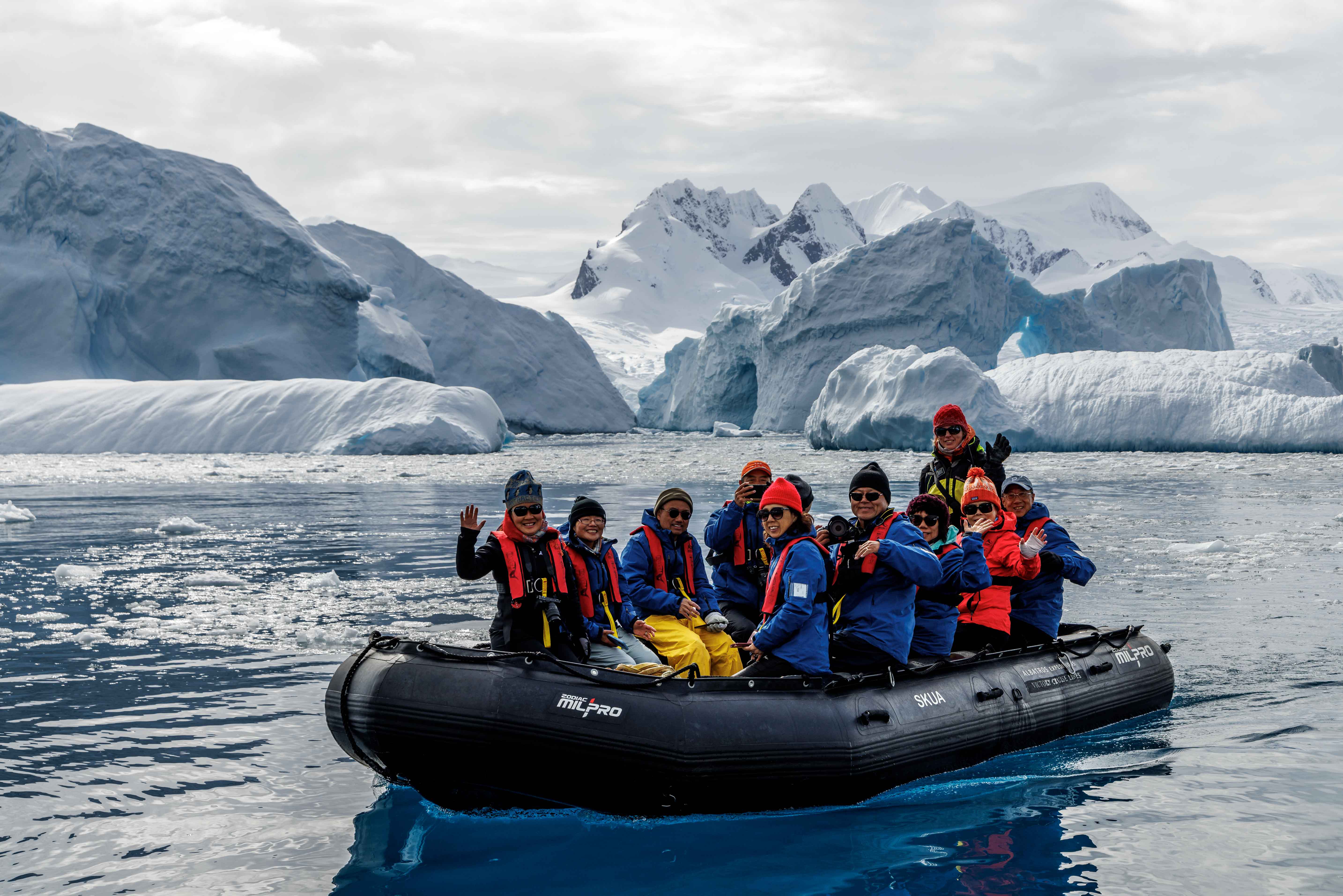
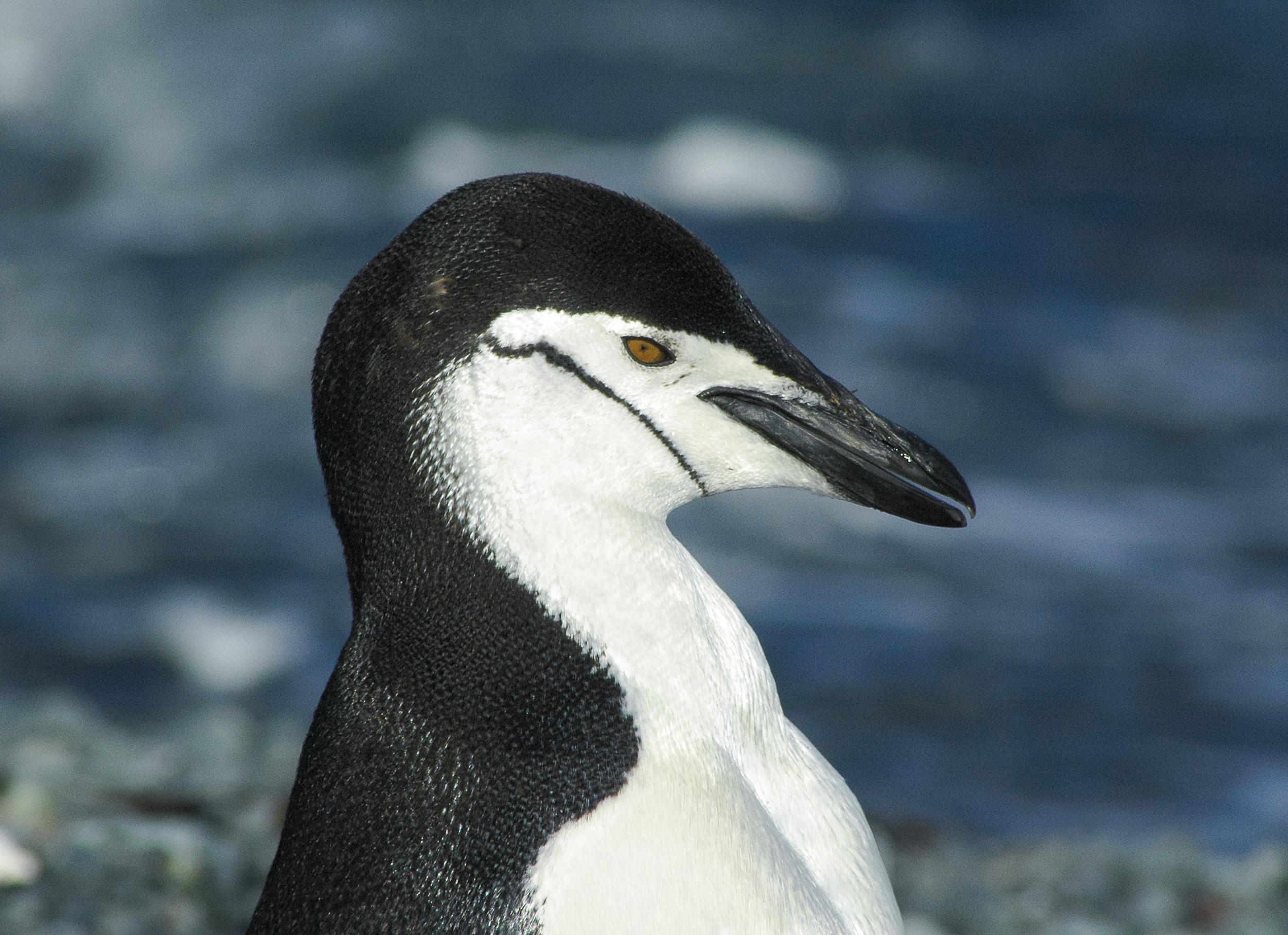
The South Shetland Islands are shaped by volcanic activity, creating geology that stands out even within the polar regions. Expect rugged mountains, glaciers, and wildlife returning to more active routines after winter. Chinstrap and Gentoo penguins are commonly seen, and it is not unusual to share the shoreline with Elephant seals and Fur seals. Whales are also frequently spotted in these waters. Much of the day is typically spent exploring by Zodiac, with possible landings, such as a walk along the dark sands of Deception Island. Whether you are on land or at sea, in a Zodiac or by kayak, the focus is on close range exploration of this distinctive environment, always guided by local conditions and safety.
Day 6: Antarctica in spring
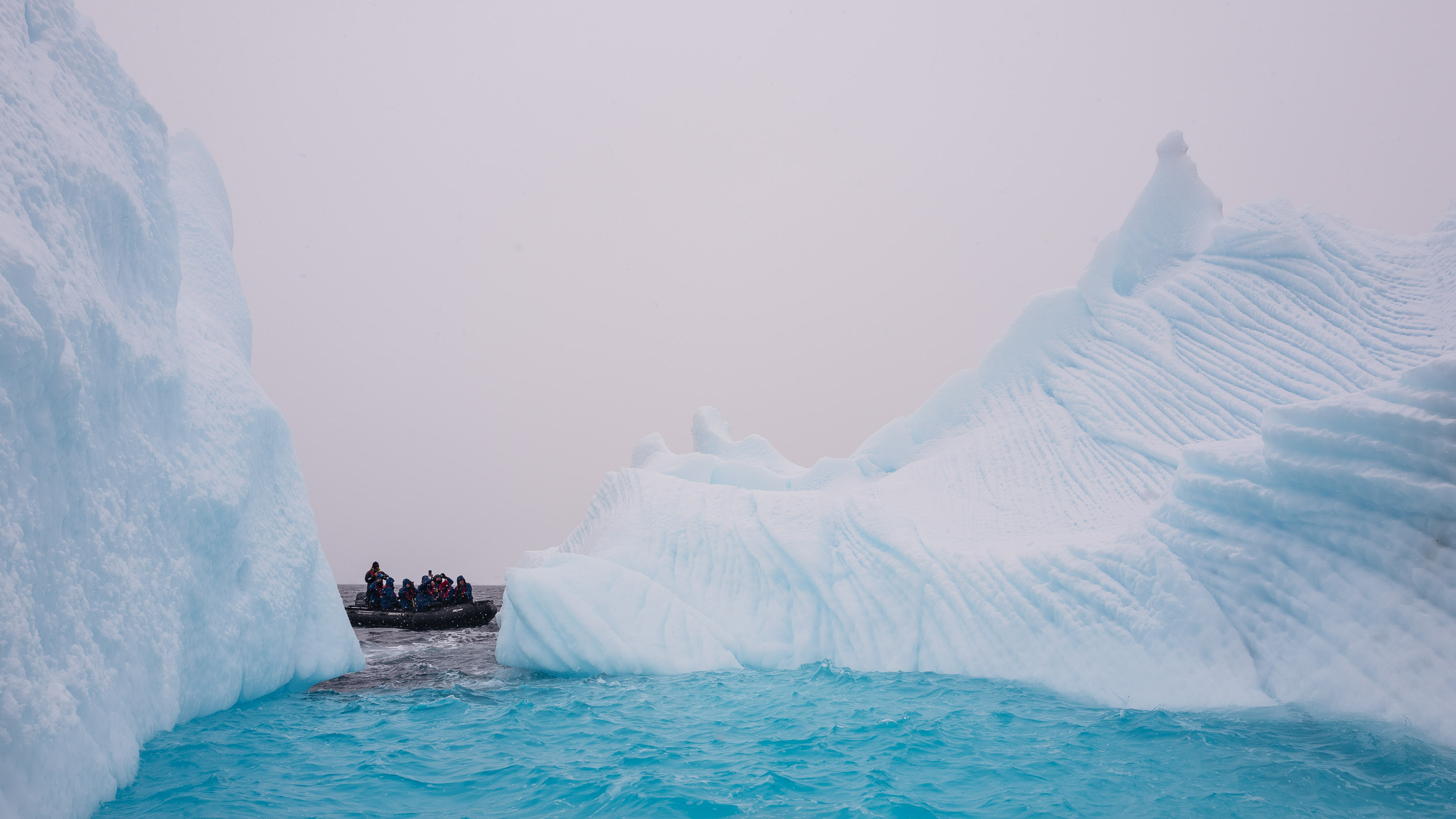
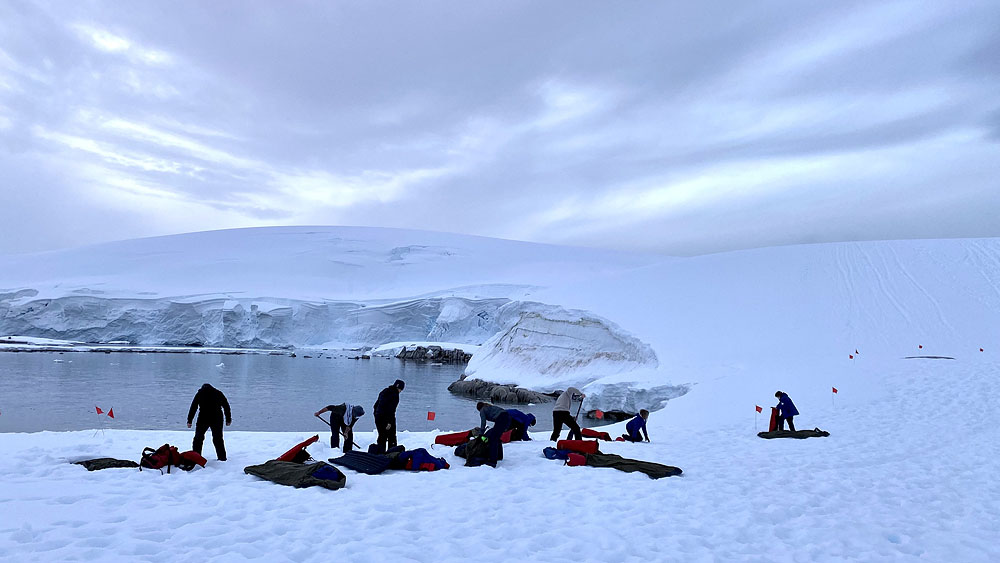
Welcome to Antarctica in the transition into spring. Over the next days, the emphasis is on observing wildlife and experiencing the ice dominated landscapes. You may see several penguin species coming ashore, pairing up, building nests, and beginning to tend their eggs. Winter sea ice can still cover parts of these waters, while icebergs start to drift and shift with the season. During Zodiac outings and landings, attention also stays on the water, where seals and whales can appear at any time. Toward the end of the day, the low sun and long twilight often create distinctive light conditions that are relevant for observation and photography. The exact locations visited depend on weather and ice, and plans remain adaptable.
Day 7: Antarctica in spring
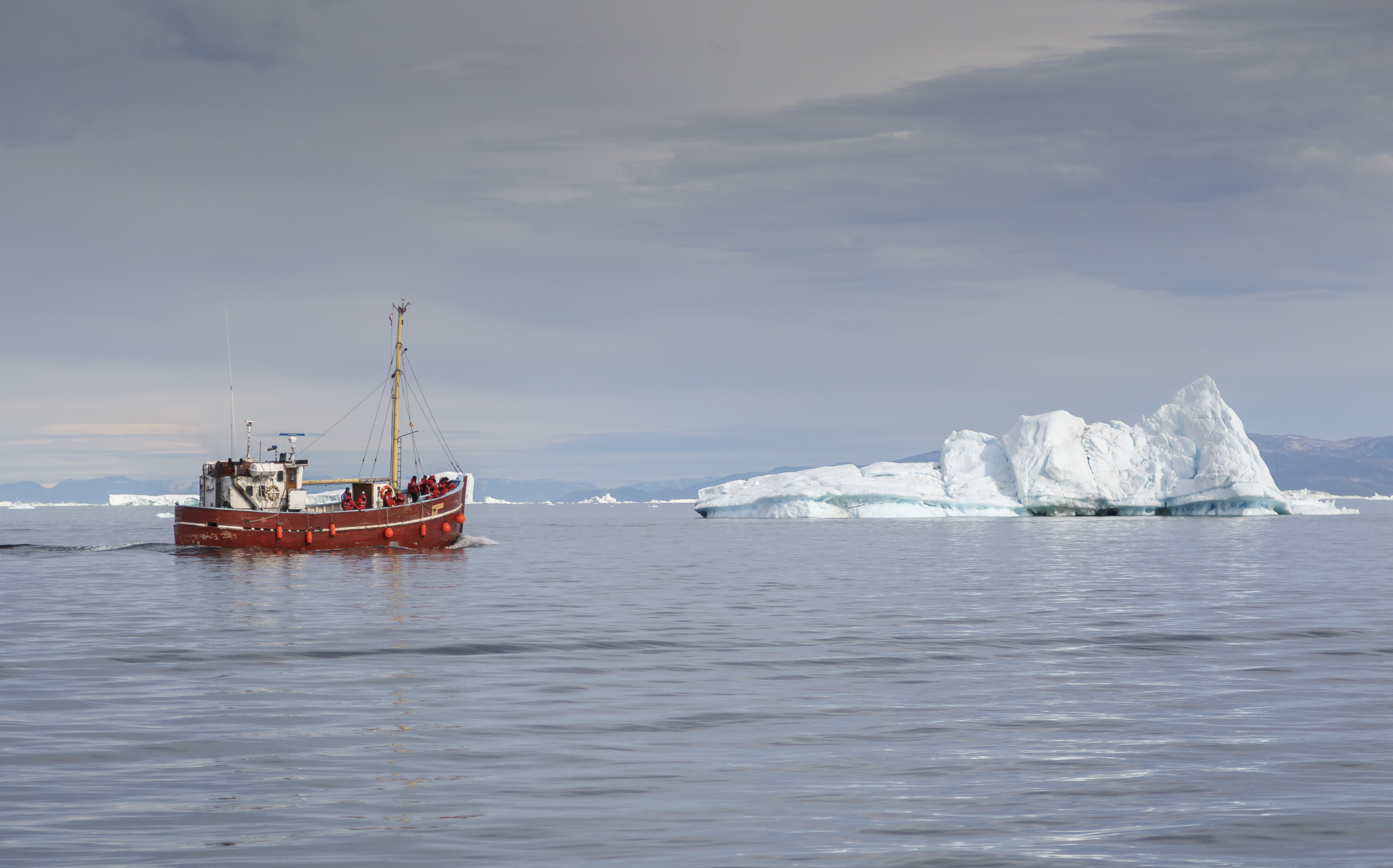
Daily planning continues to depend on weather, ice, and the availability of safe landing sites. The aim is to explore different parts of the Antarctic Peninsula, reaching a mix of coastal areas and sheltered bays when possible. Penguin colonies remain a key focus, especially behaviors linked to early breeding season activity such as nest building and egg care. Sea ice and icebergs shape the scenery and influence Zodiac routes, meaning that the character of each day can differ even within the same region. Keep watching for seals resting on ice and for whales moving through channels and open water. Depending on conditions, the program may also include places with historic relevance or areas connected to ongoing scientific work.
Day 8: Antarctica in spring
Another day in Antarctica, where ice, wildlife, and changing light define the experience. Time is spent both on the water and on land to broaden what you have seen so far and to deepen wildlife observation. Penguins remain central, with the early stages of the breeding season often visible in colony activity. The ice landscape ranges from flatter sea ice to larger, sculpted icebergs, and these features influence navigation and the selection of landing sites. Seals and whales may continue to appear in the surrounding waters, sometimes unexpectedly. If routing and conditions allow, visits to active scientific stations or historic landing sites may also be included. The day’s structure stays flexible, reflecting the realities of operating in polar environments.
Day 9: Drake Passage
The ship turns north and the return crossing of the Drake Passage begins. After the days of Antarctic operations, the focus shifts back to onboard programming and time at sea. Many guests use this period to review photos, organize notes, and connect the expert talks with what they observed in the field. Seabirds may again accompany the ship, offering further opportunities for identification and comparison. Sea conditions can change quickly, and time on deck and daily routines adapt accordingly. Gradually, you leave Antarctic waters behind and move toward South America. The day is defined by the steady rhythm of the crossing and the transition back to milder latitudes.
Day 10: Drake Passage
The crossing continues, and the expedition moves toward its conclusion. A special slideshow is presented to summarize key moments and sightings from the voyage. This is paired with a final shared meal, marking the formal close of the expedition and providing time to reflect together. There is also space to spend the last hours at sea watching for seabirds or revisiting the route through maps and conversations with the team. As Ushuaia approaches, temperatures become milder and the overall feel of the sea and air changes. Preparations for arrival and disembarkation take place on board. The day ends with the expectation of reaching port the following morning.
Day 11: Disembarkation in Ushuaia and departure
In the morning, you arrive back in Ushuaia and disembark. The travel package ends after breakfast and disembarkation. From here, you can catch a flight to Buenos Aires or choose to stay in Ushuaia independently for additional time in the region. Local procedures and timing follow port operations and the ship’s schedule. Please plan onward travel with sufficient buffer for the disembarkation process. This concludes the expedition from Ushuaia to Ushuaia.
Additional Information for Expedition Cruises: The itinerary and route described are provided as examples only and may be adjusted or changed at any time due to weather, ice and tidal conditions, as well as for safety reasons. Specific landing sites, locations or route sections therefore cannot be guaranteed. The captain and expedition leader will make all final decisions regarding the route, landings and daily programme on site. Wildlife sightings cannot be guaranteed. Landings and Zodiac excursions depend on local conditions and regulatory requirements. Optional activities have very limited availability; we recommend booking them well in advance, often weeks or months before departure, as they may be fully booked by the time of travel; their operation depends on weather, ice and safety conditions as well as minimum participation. Polar regions are remote and dynamic natural environments, therefore programme changes or delays may occur.






.jpg)
.jpg)
.jpg)
.jpg)














.jpg)
.jpg)


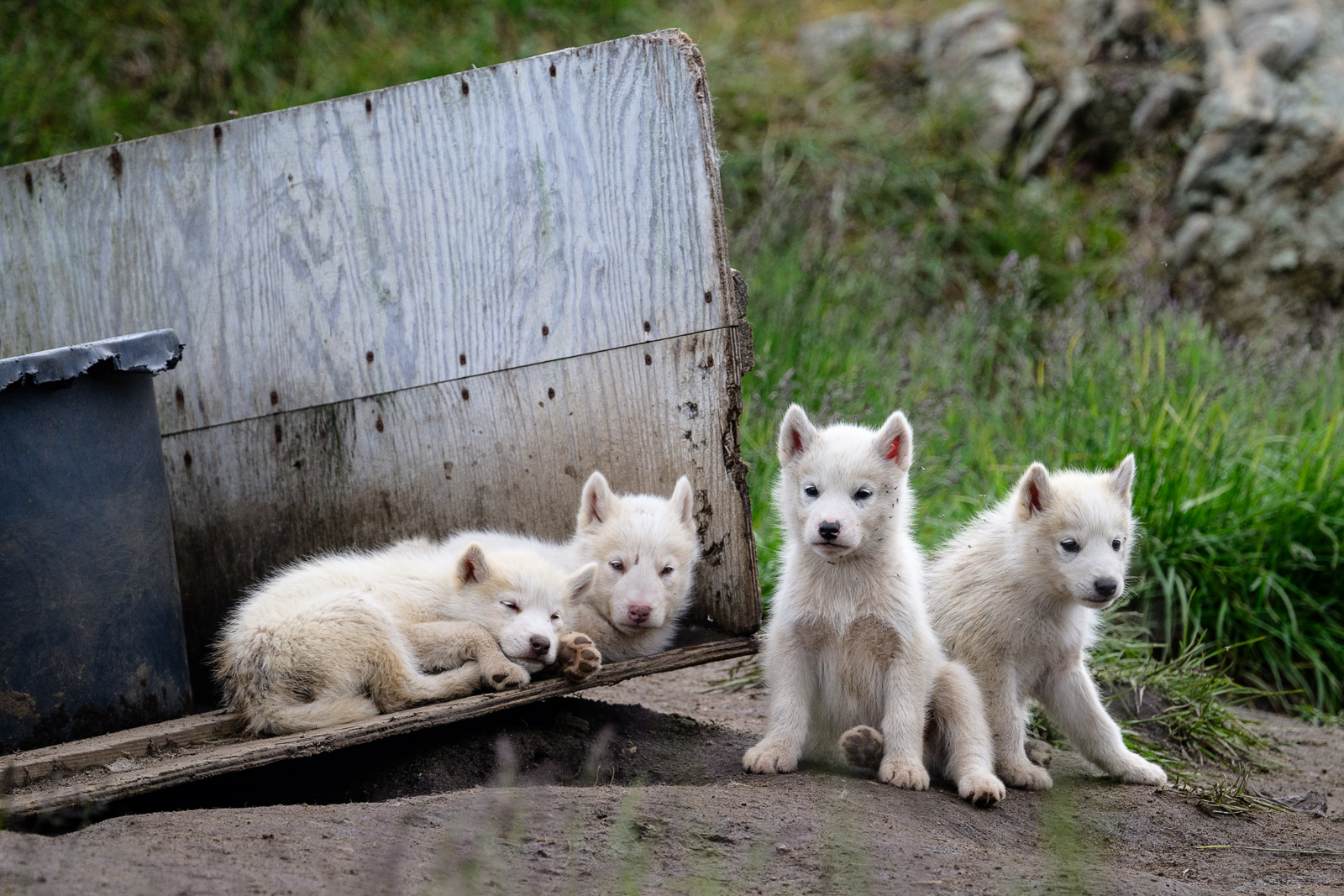
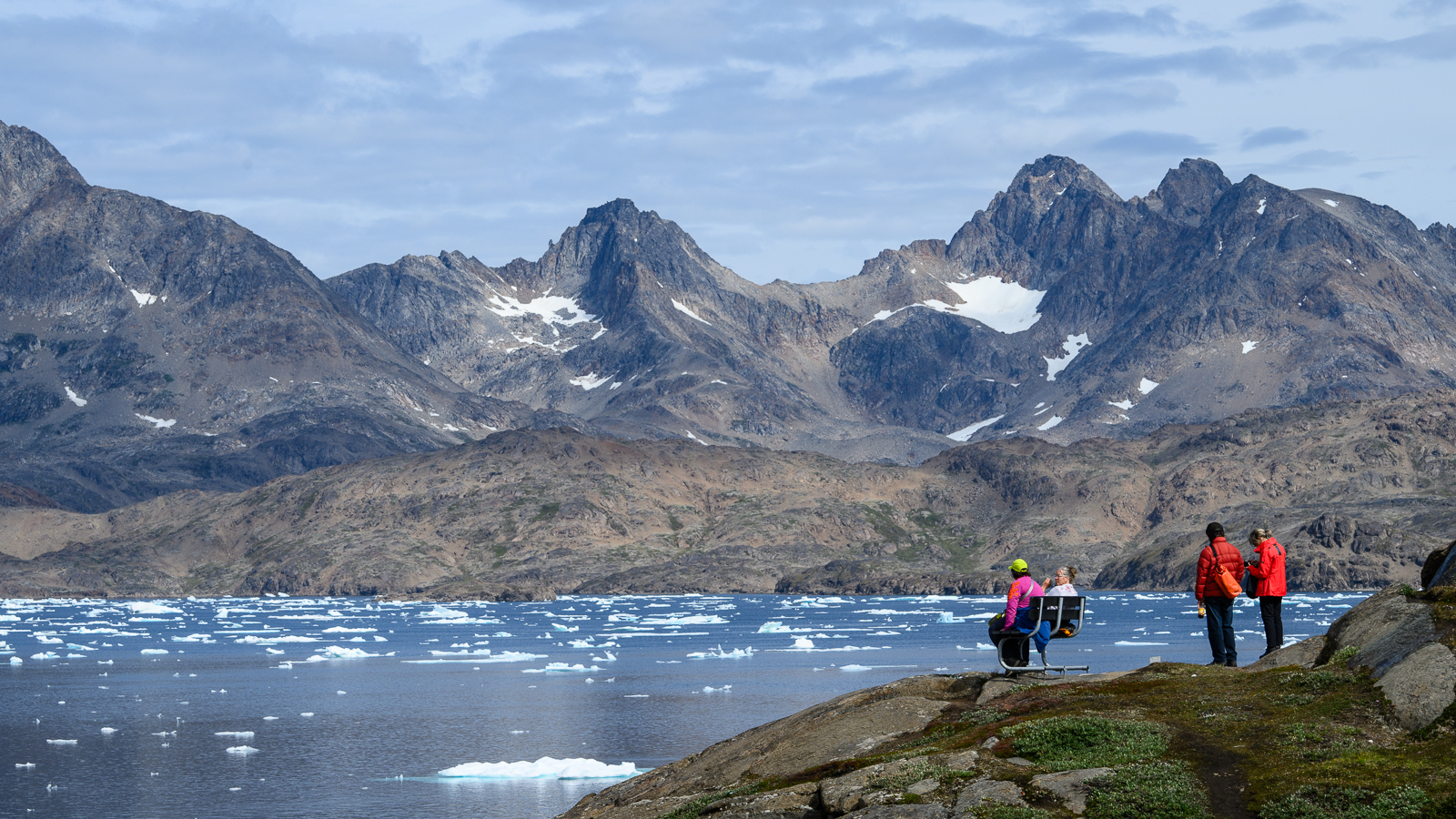
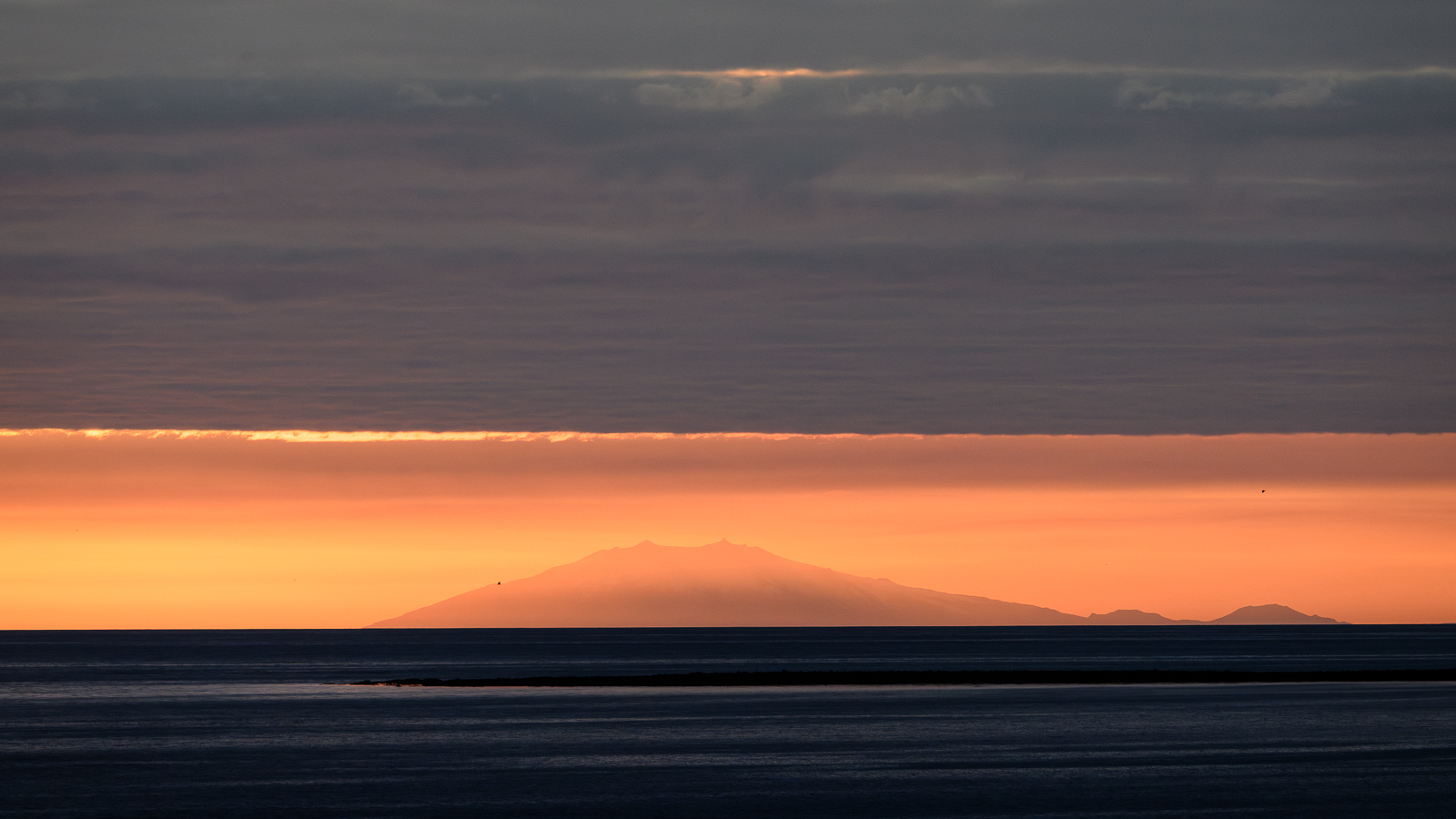

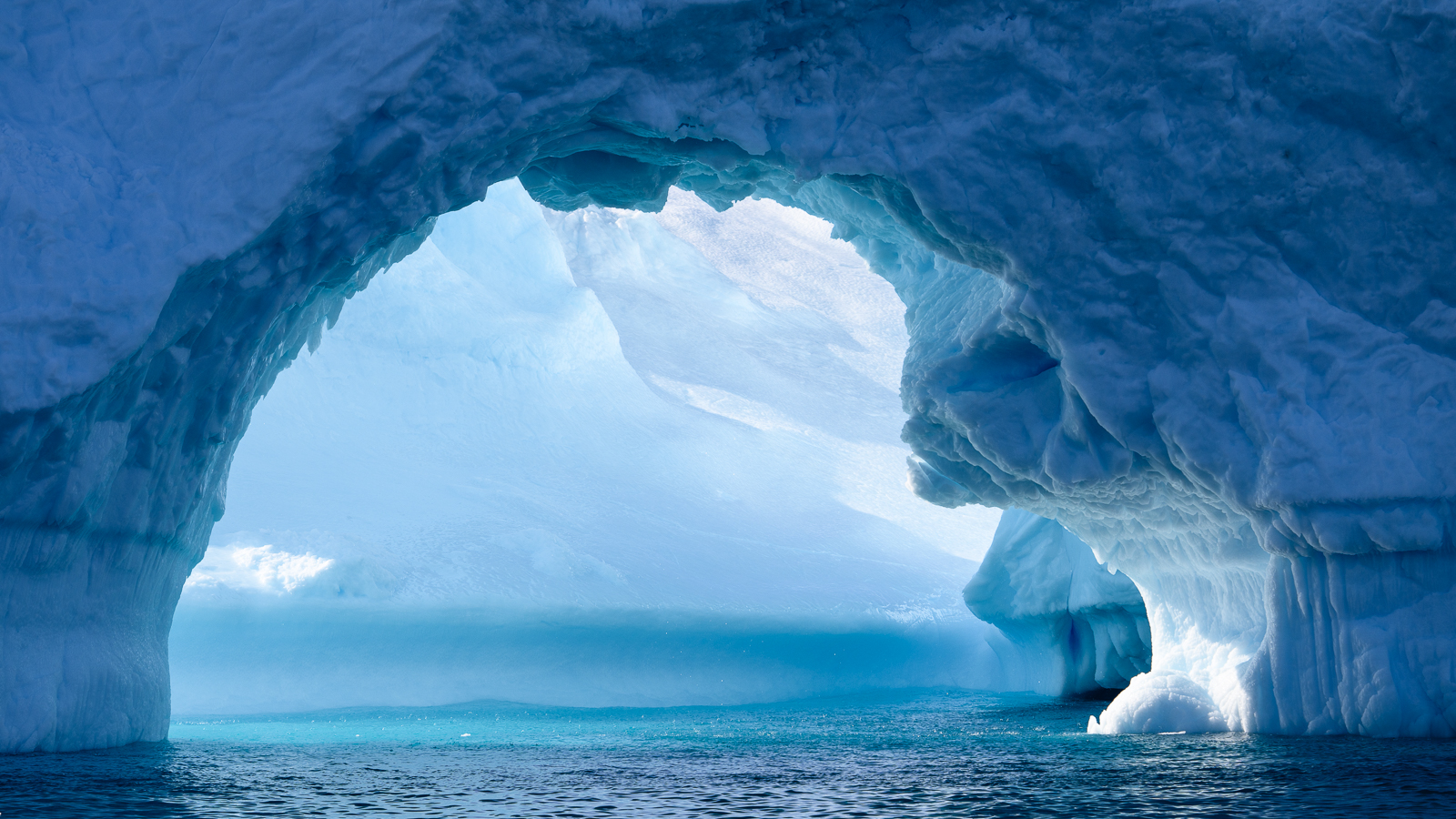
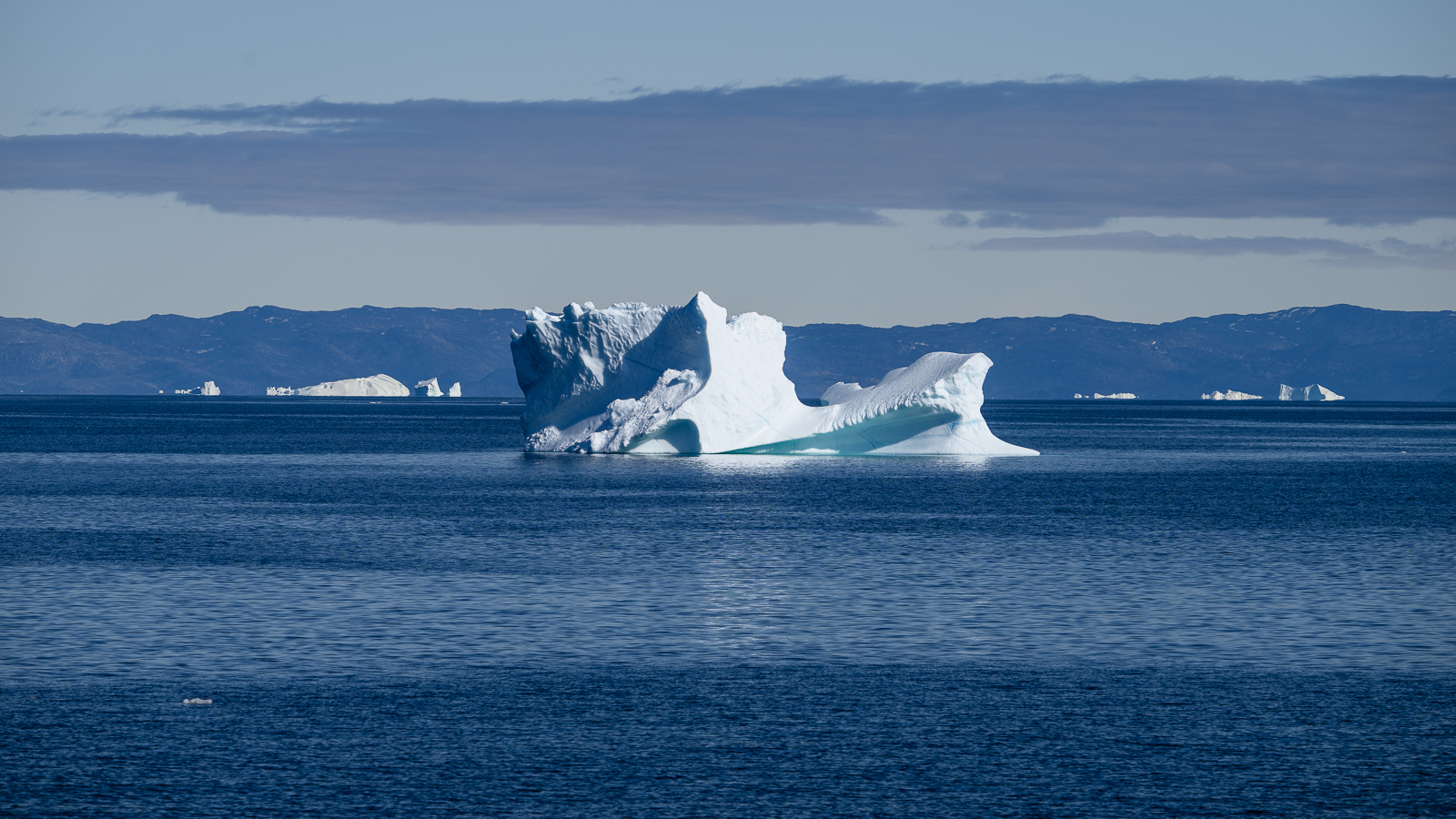
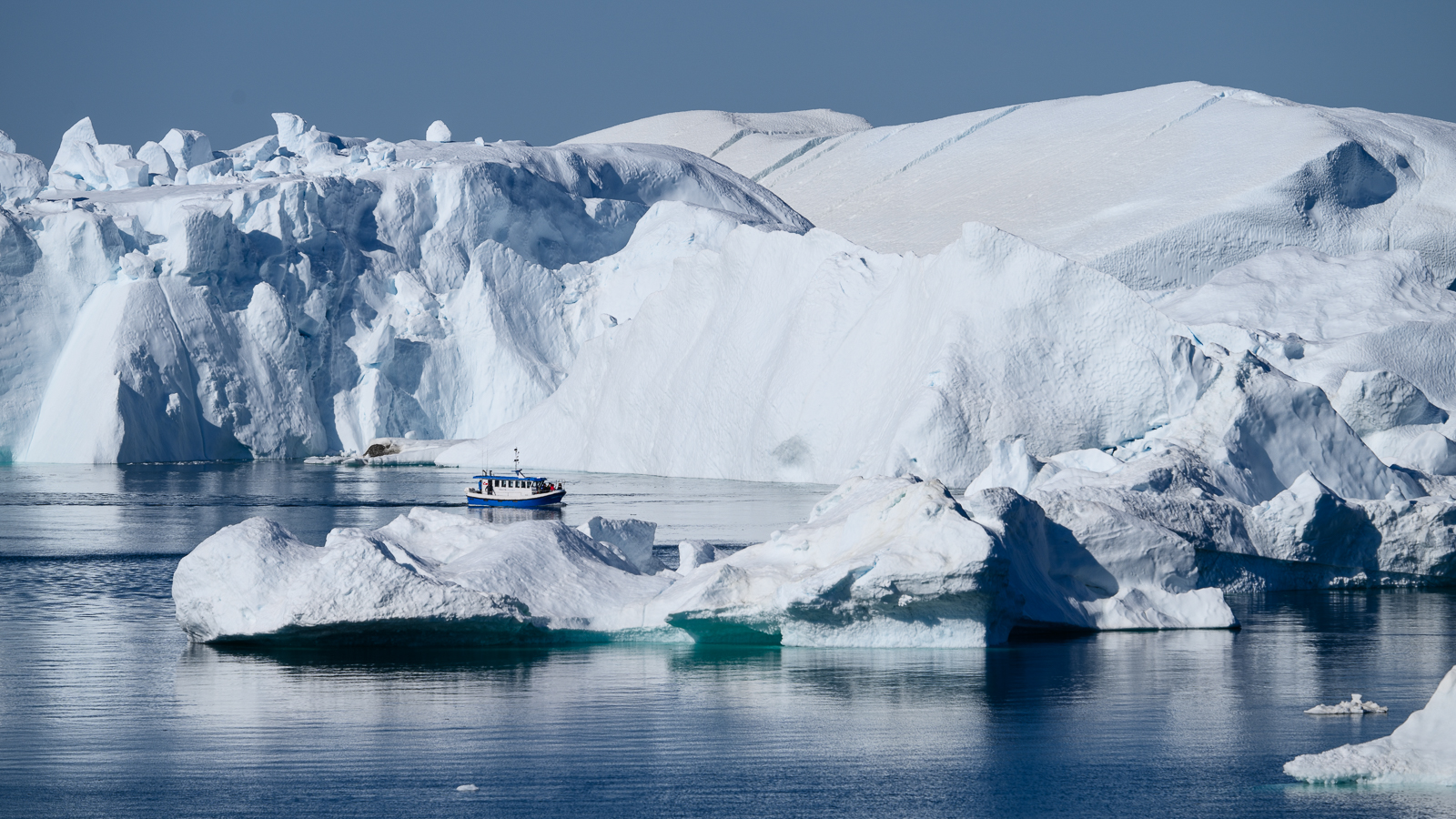
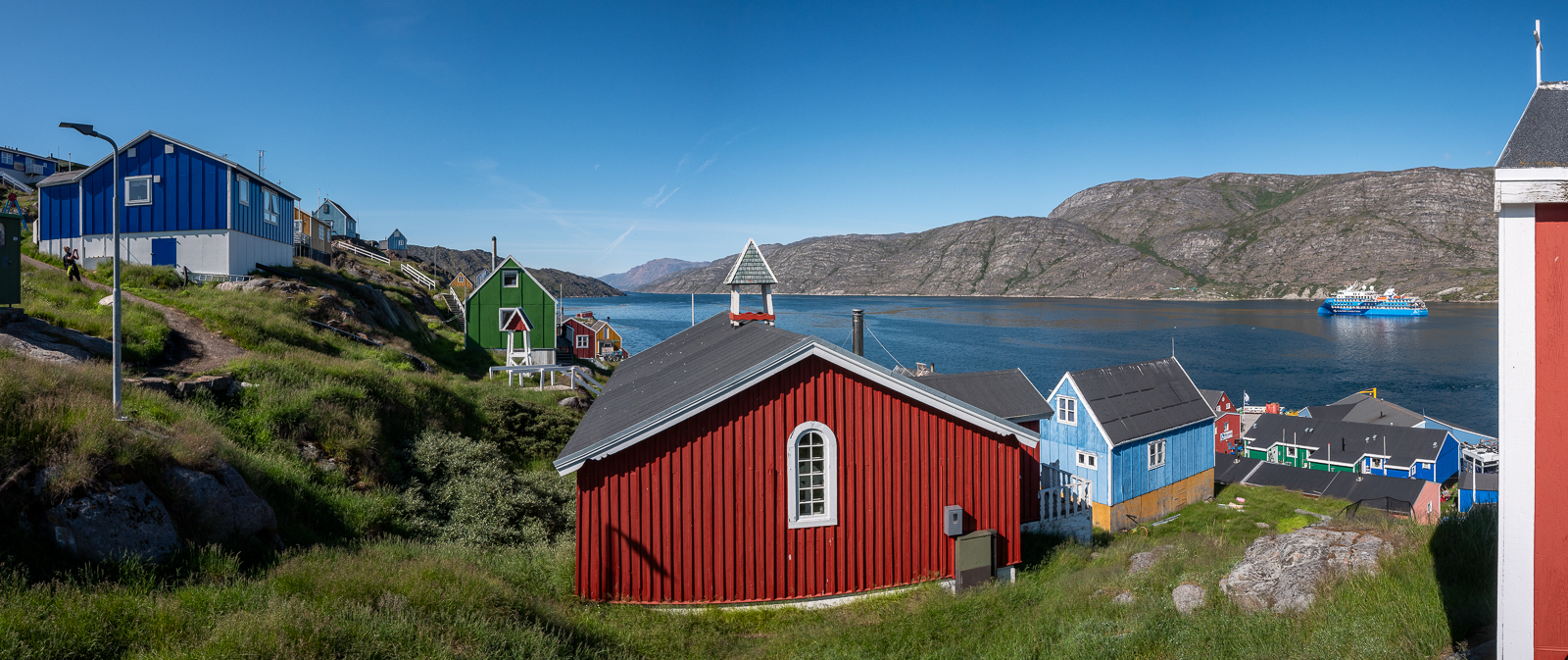
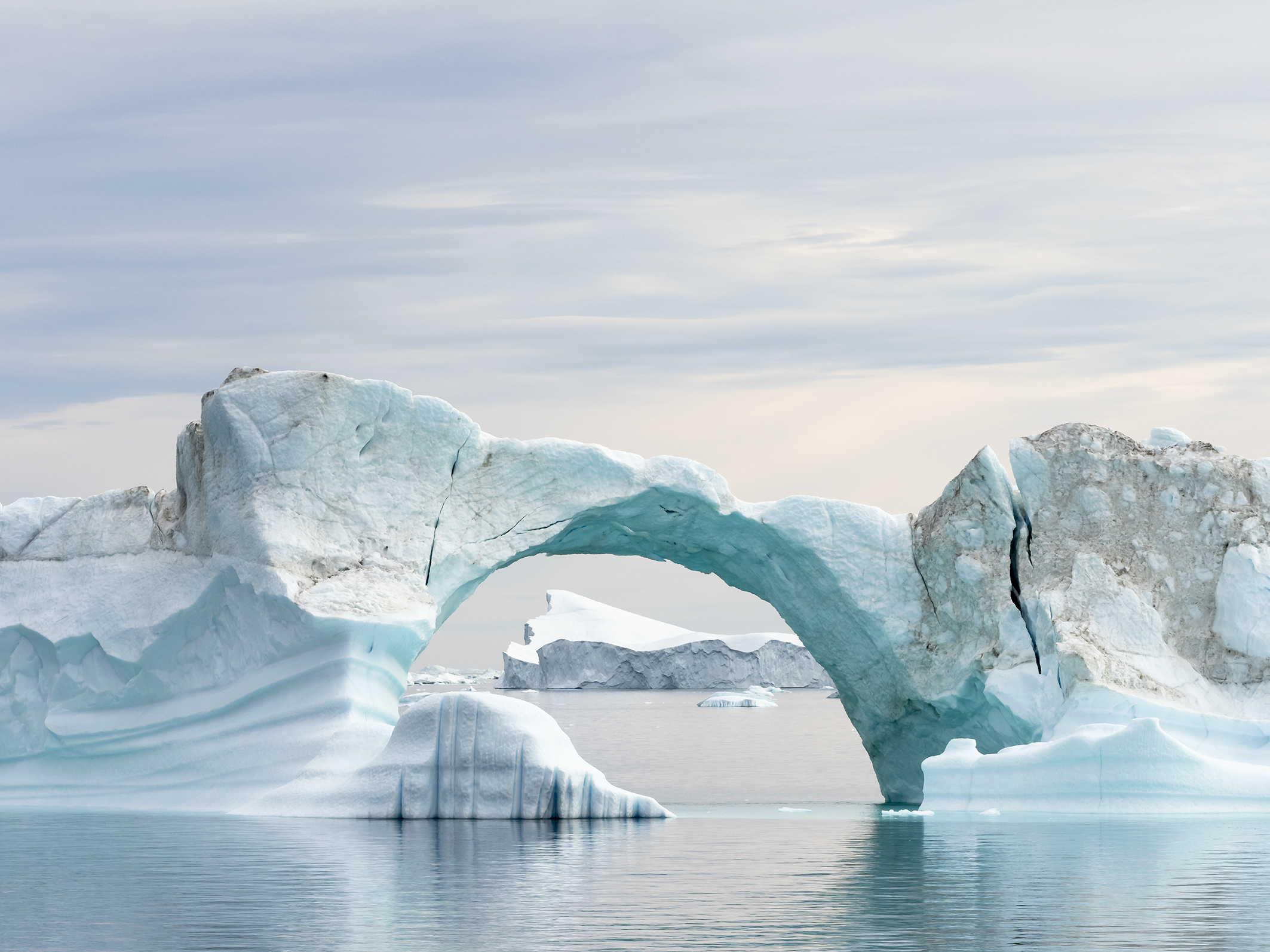


.jpg)
.jpg)
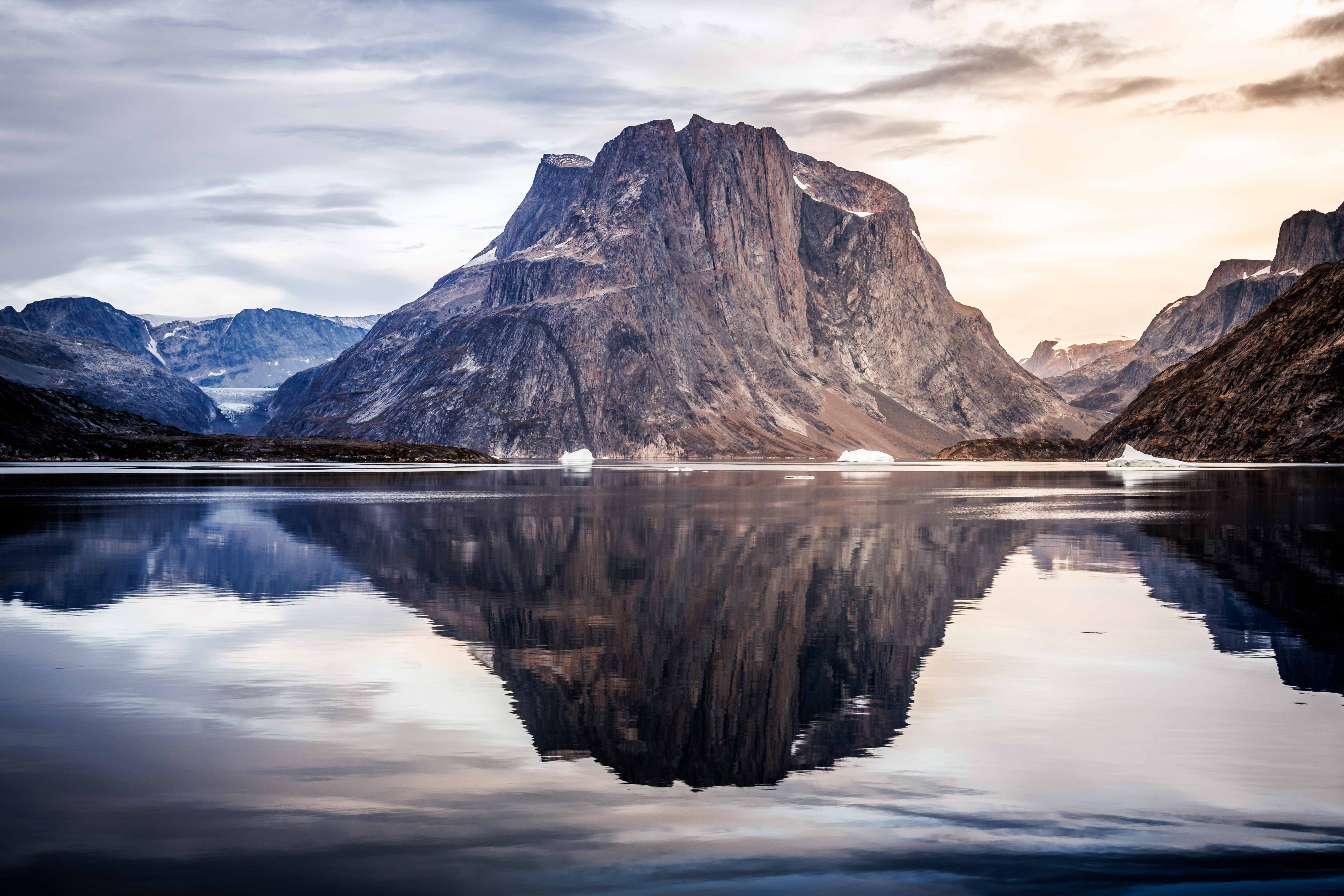
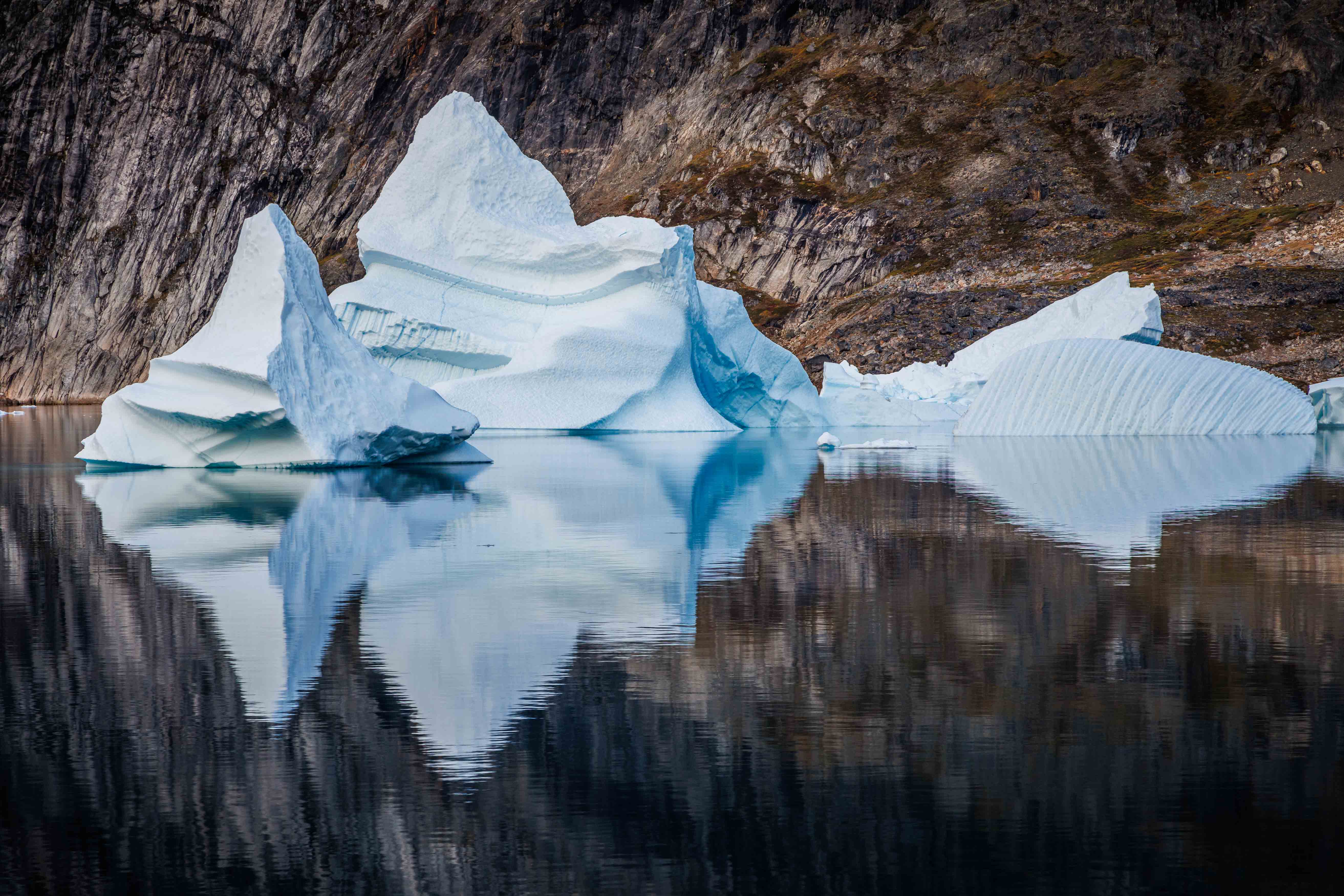

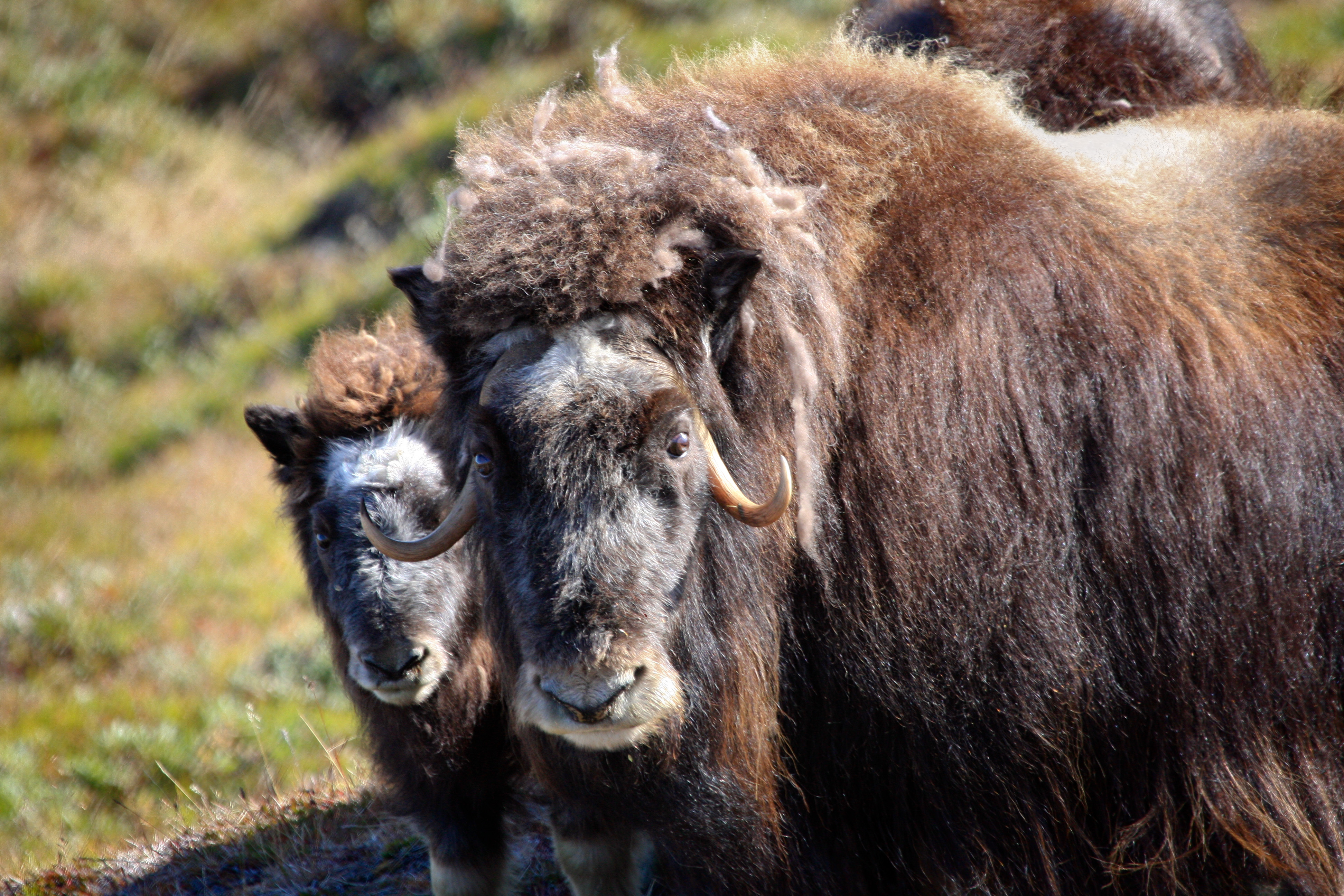
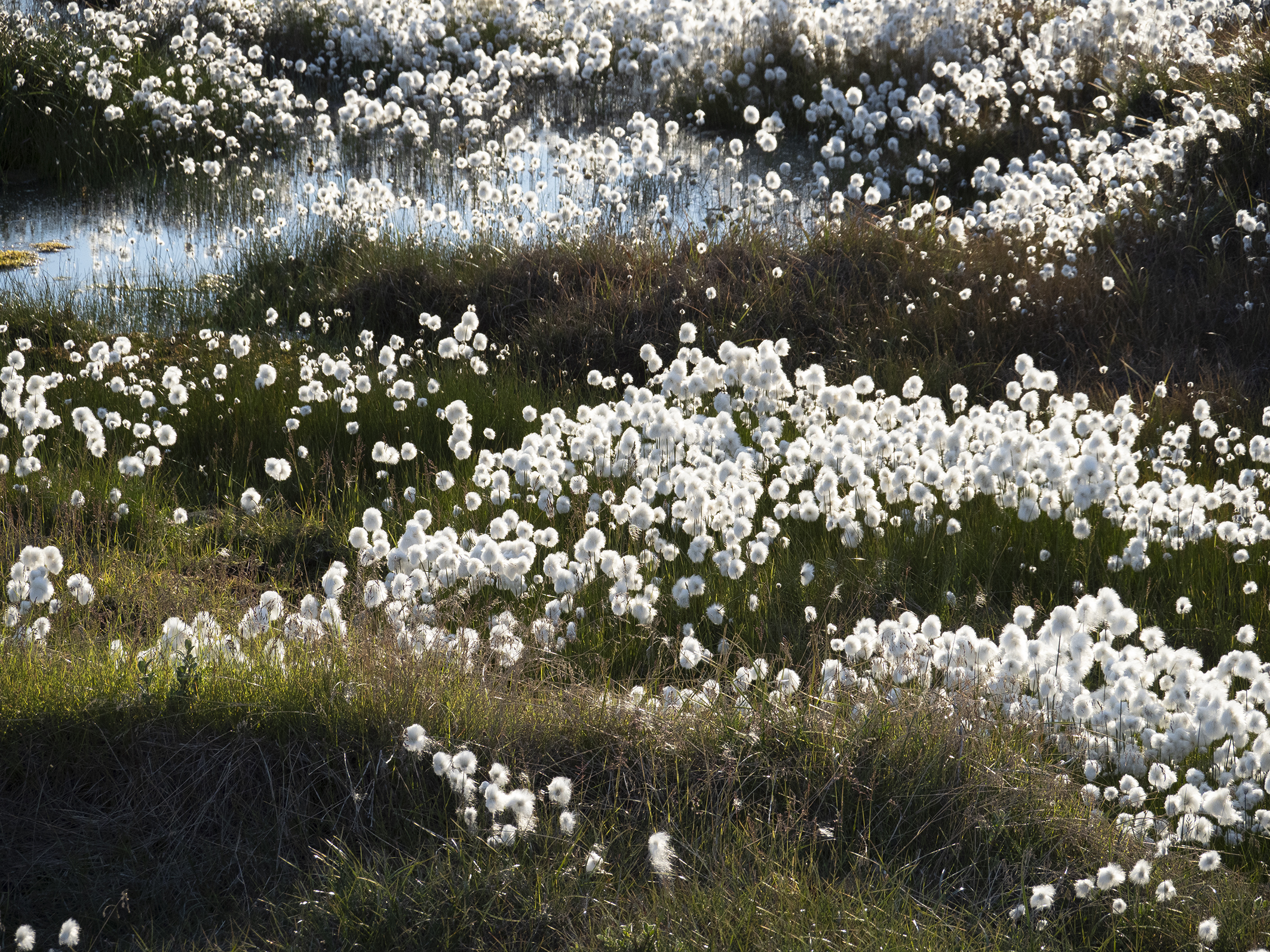
.jpg)
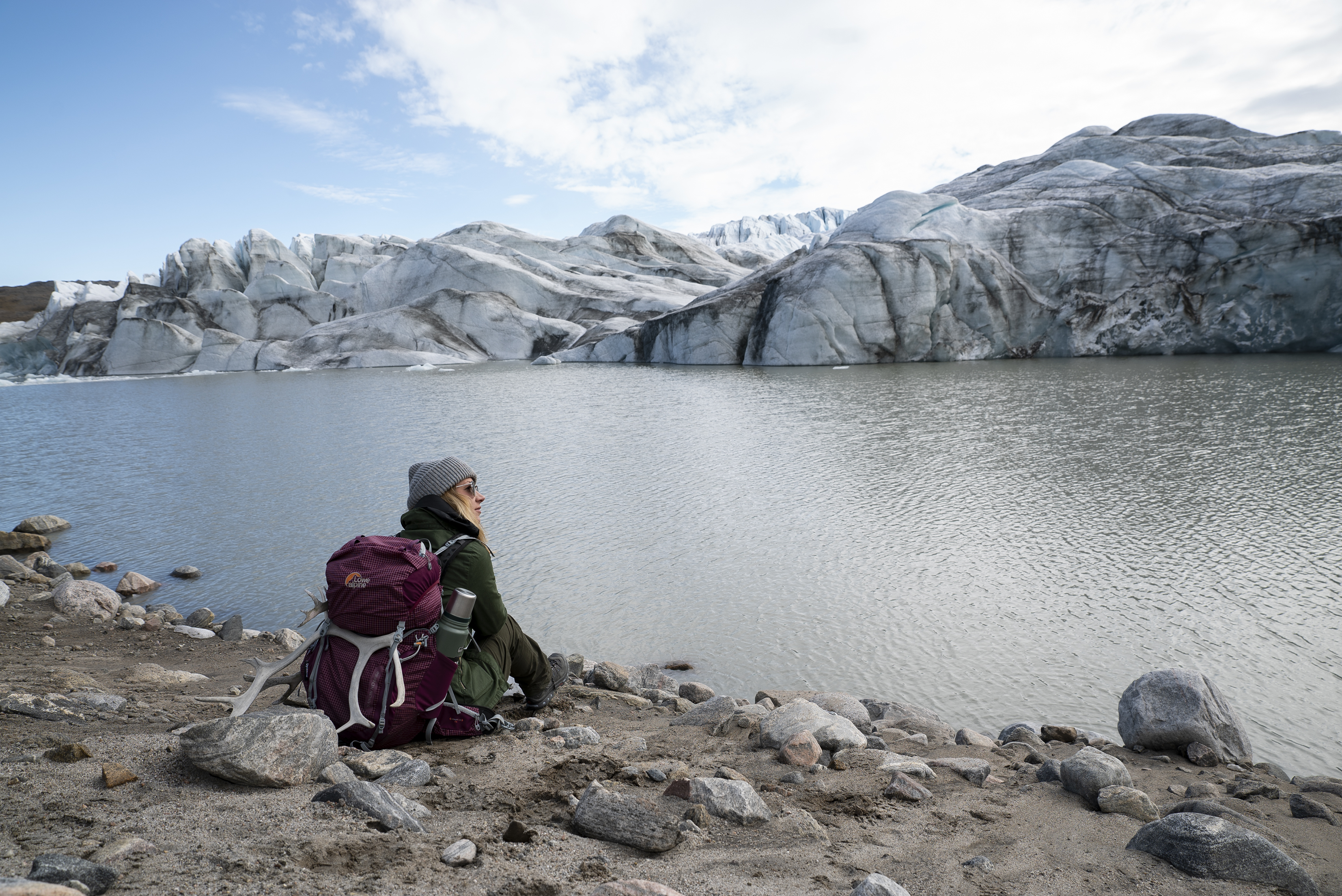

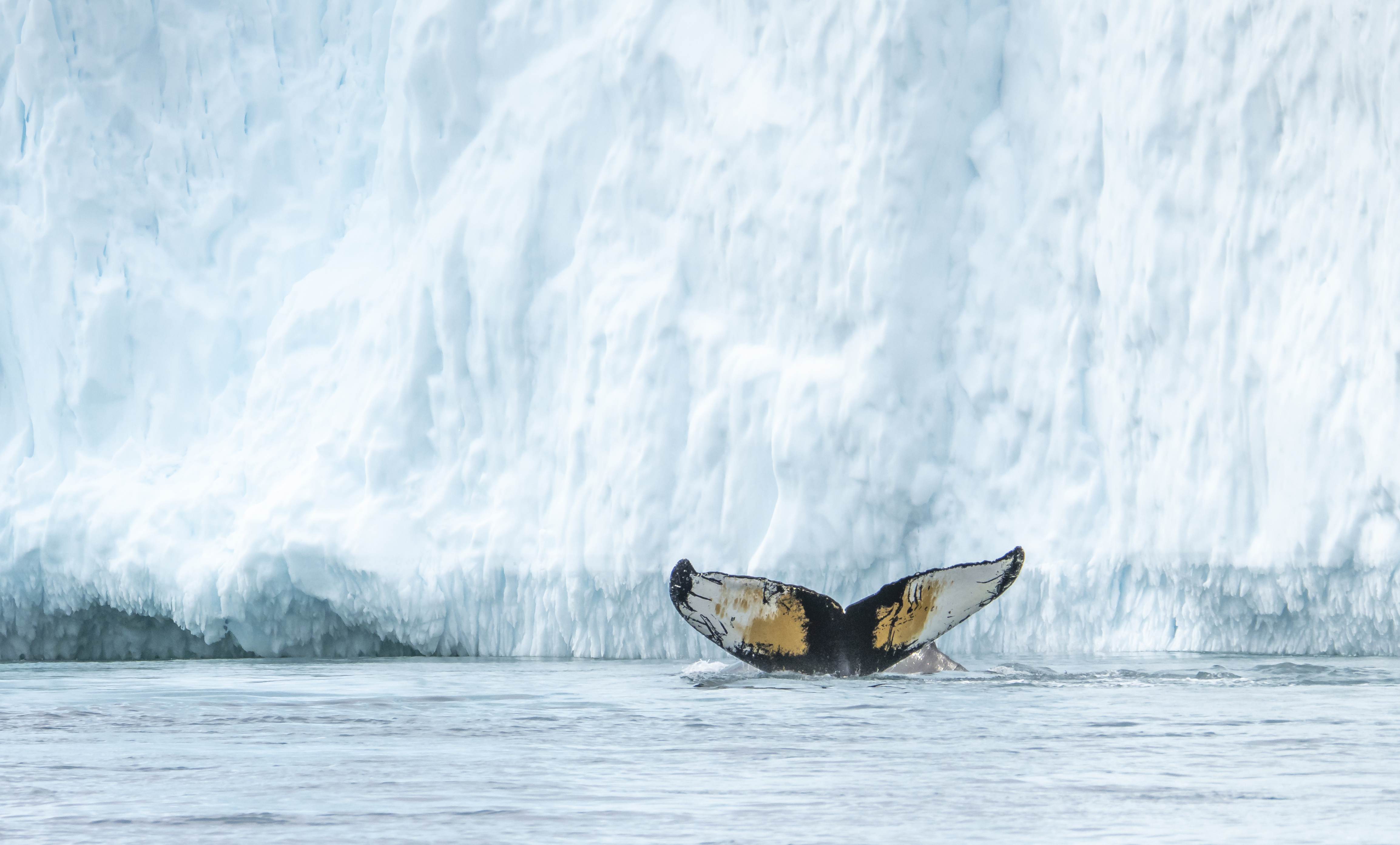
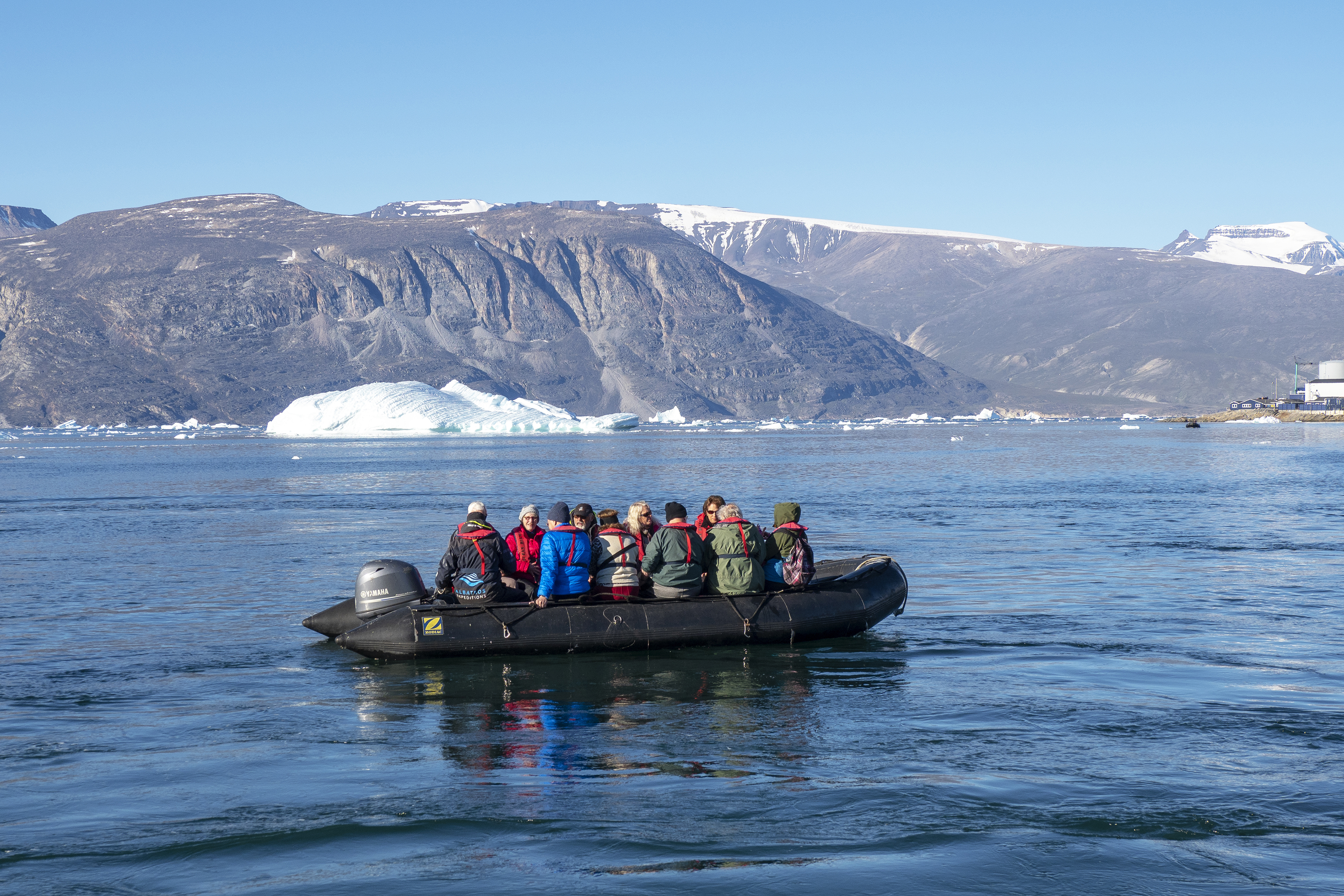
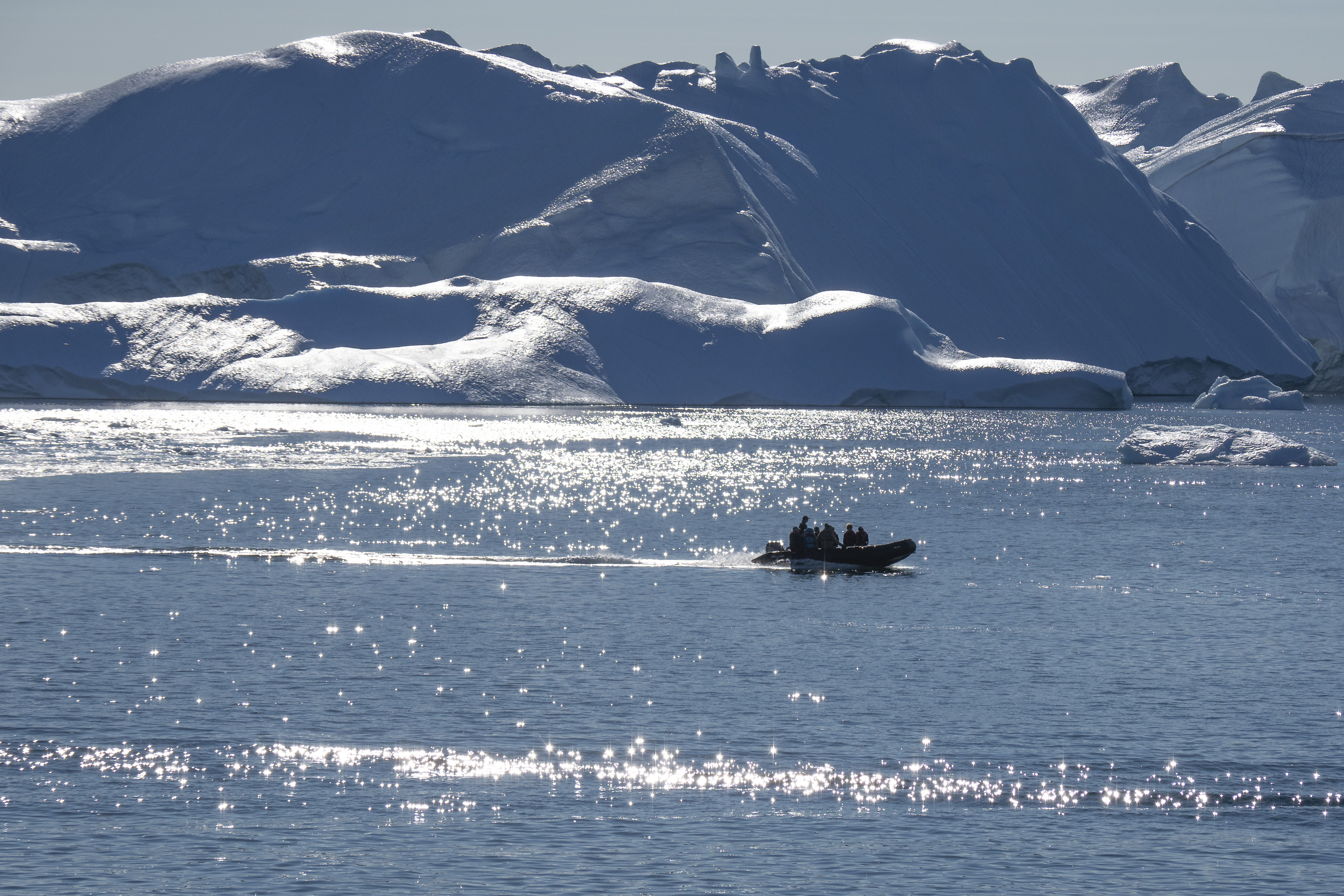


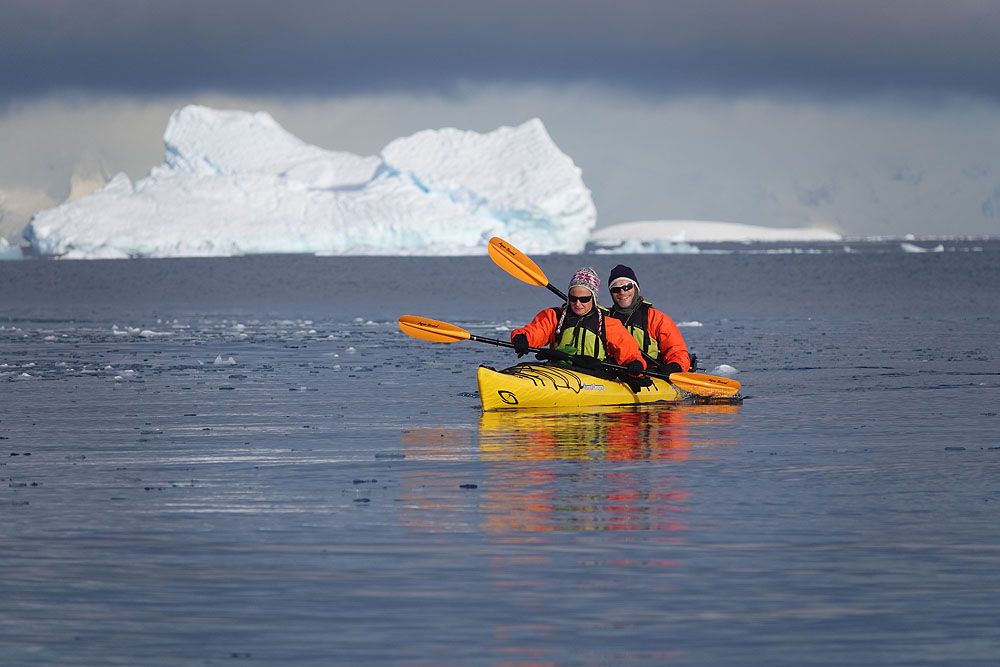


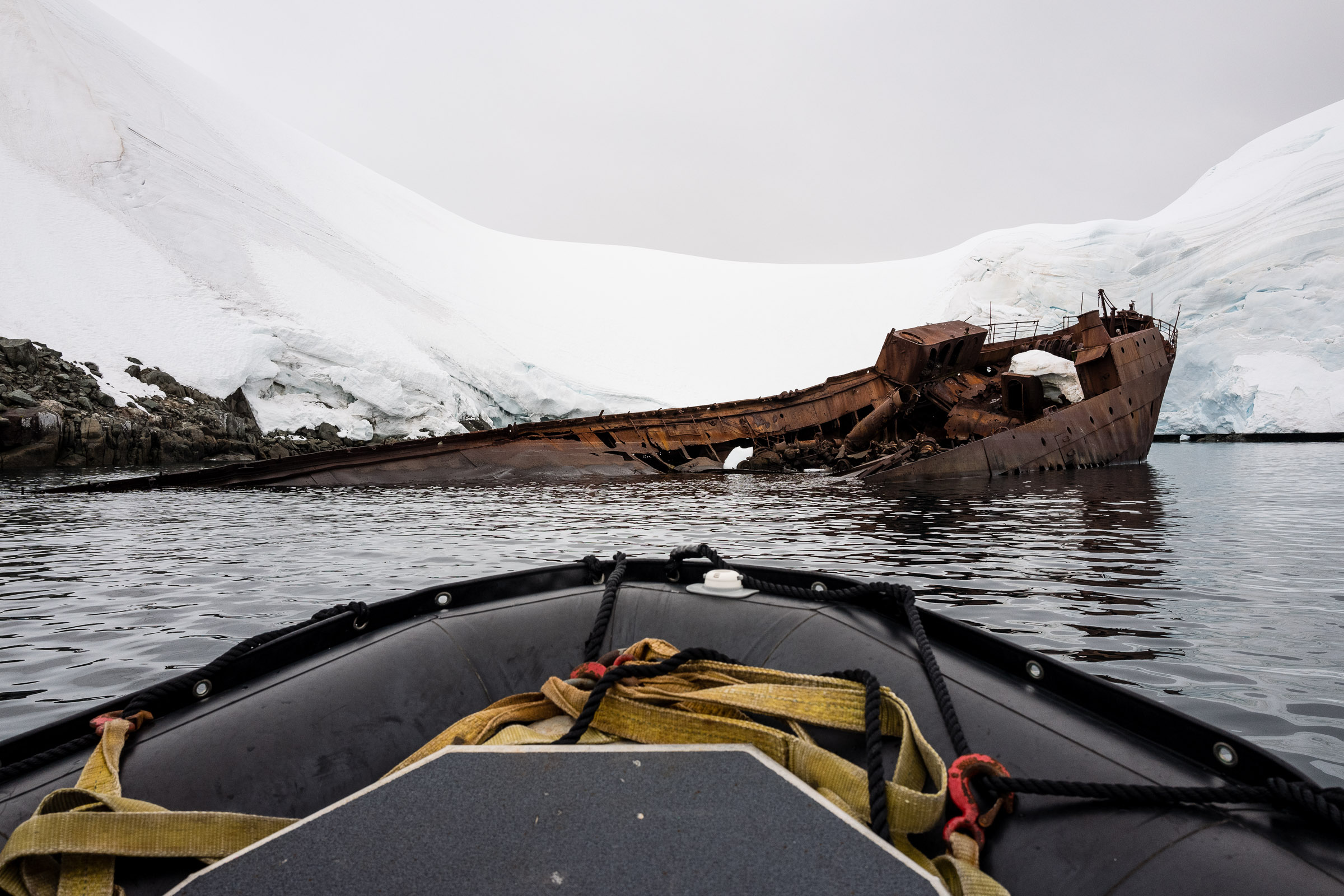
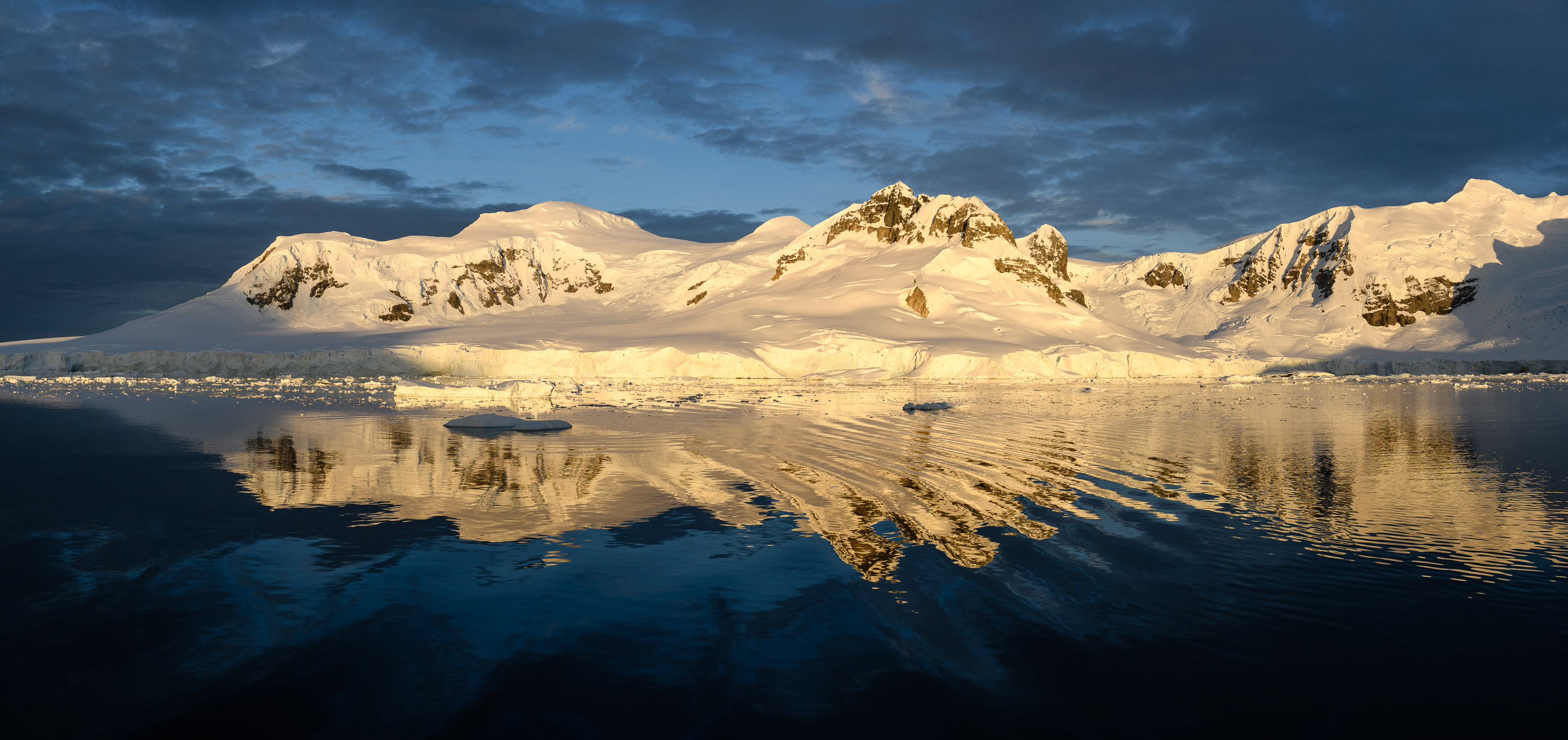


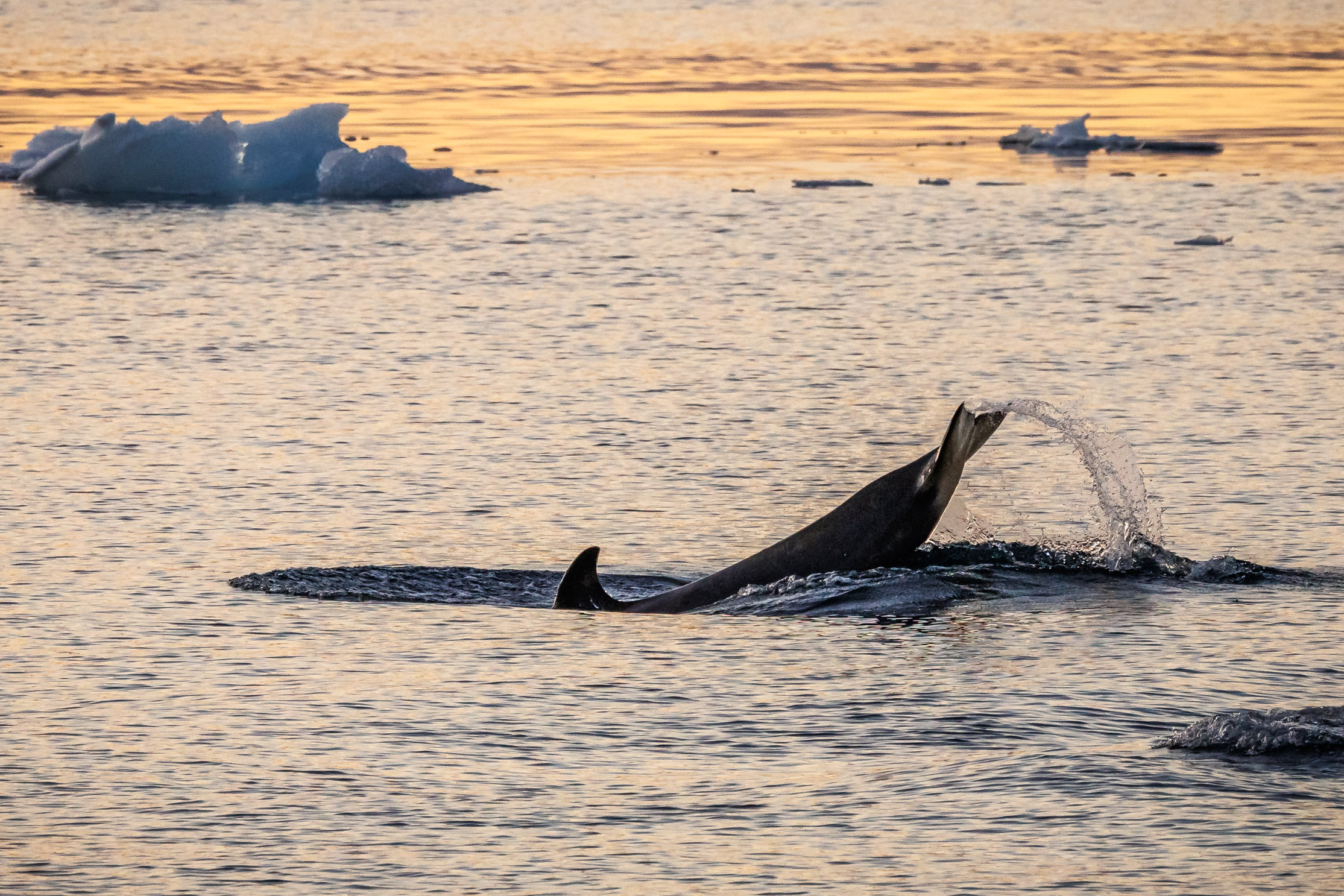


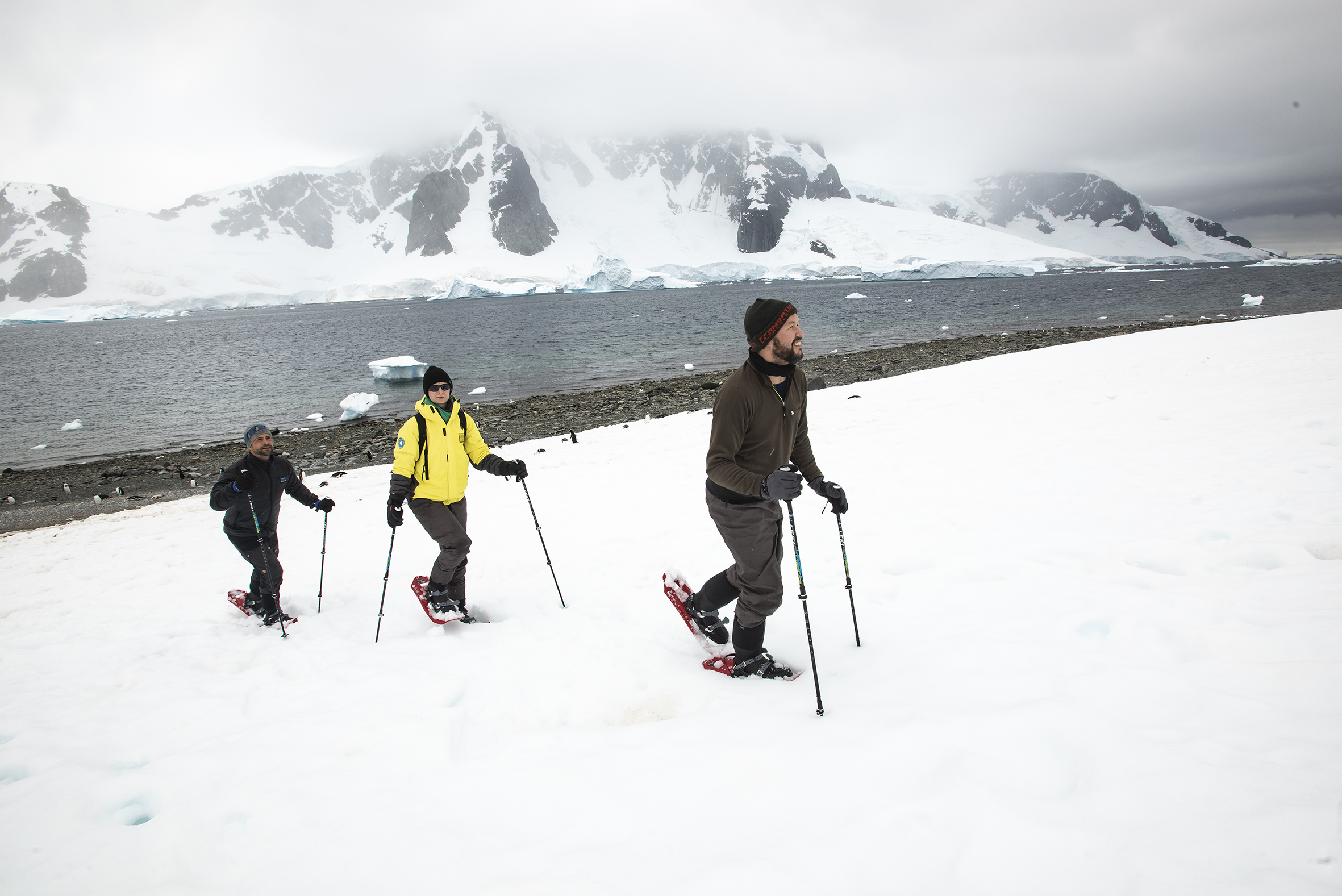


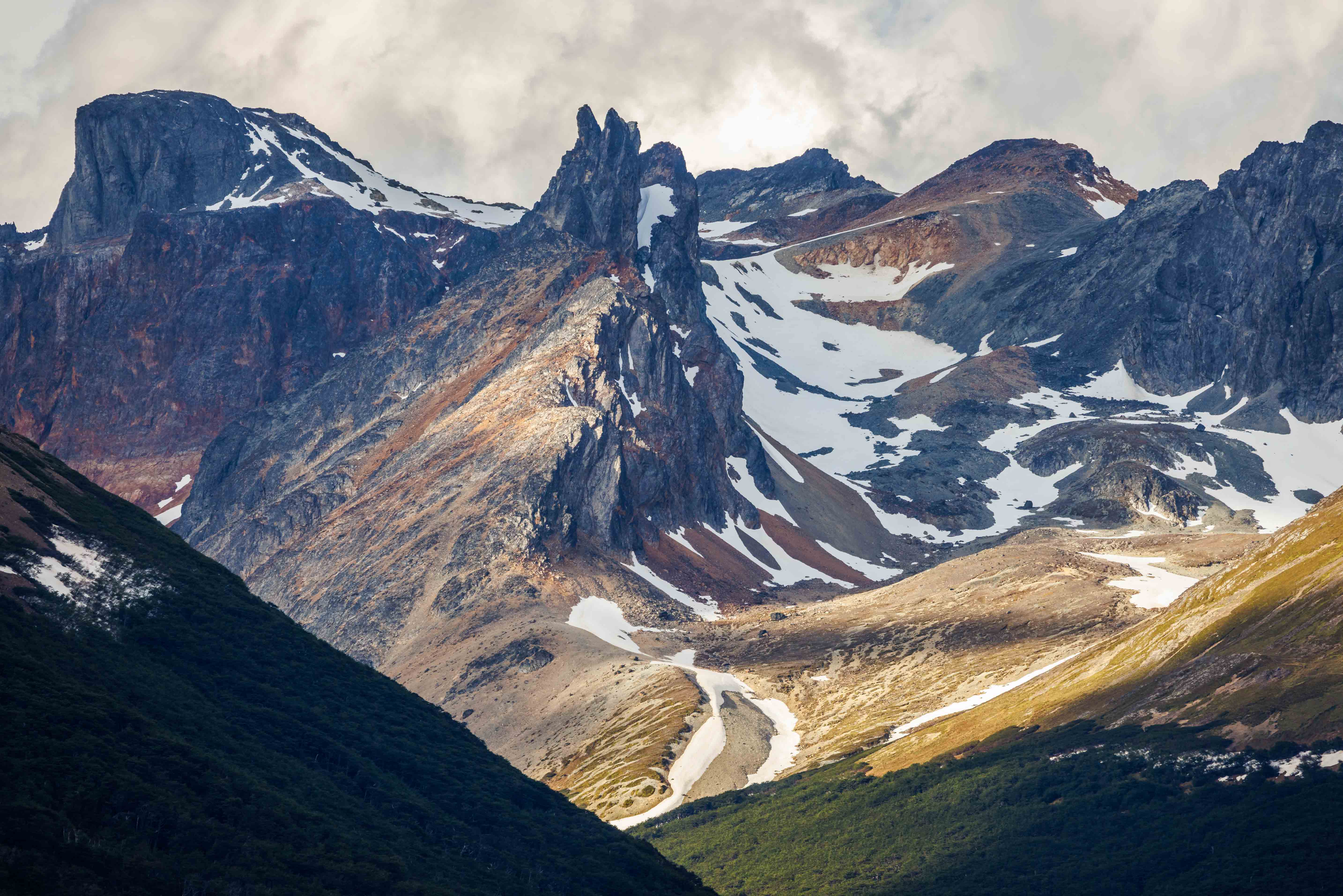


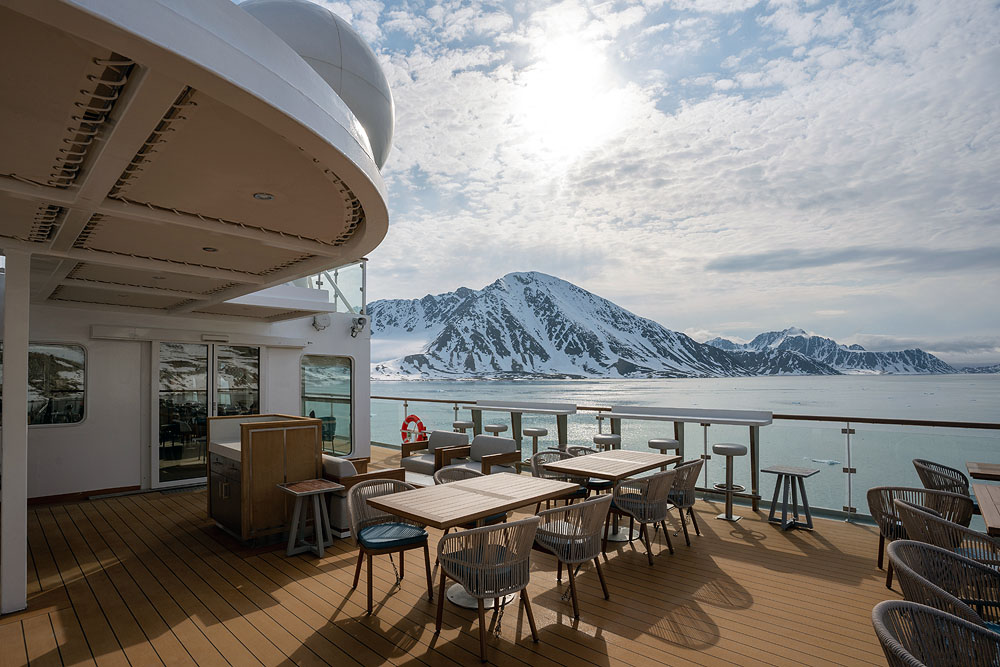
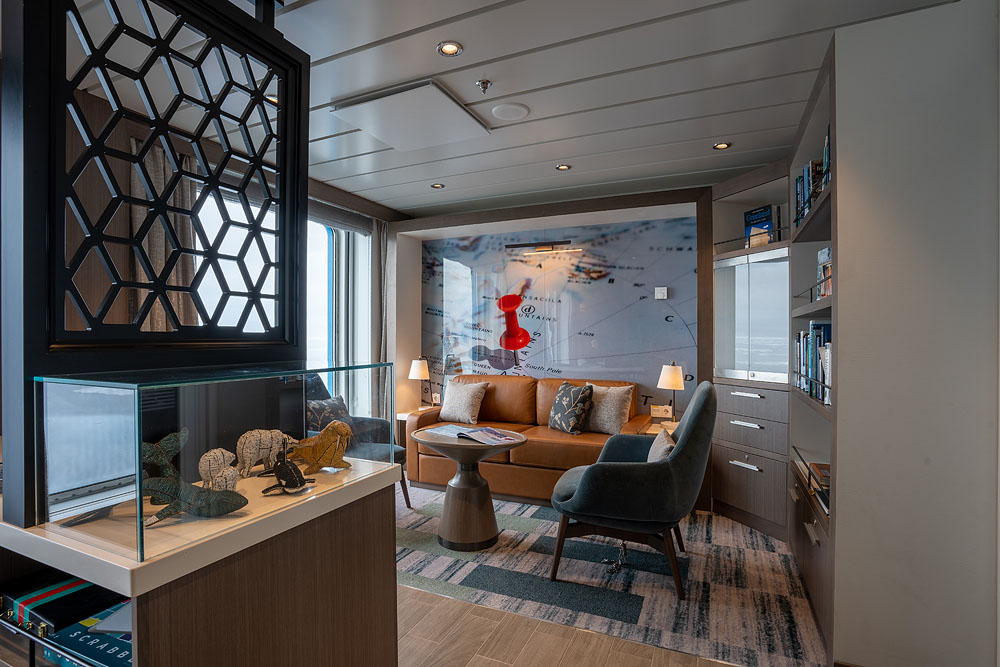
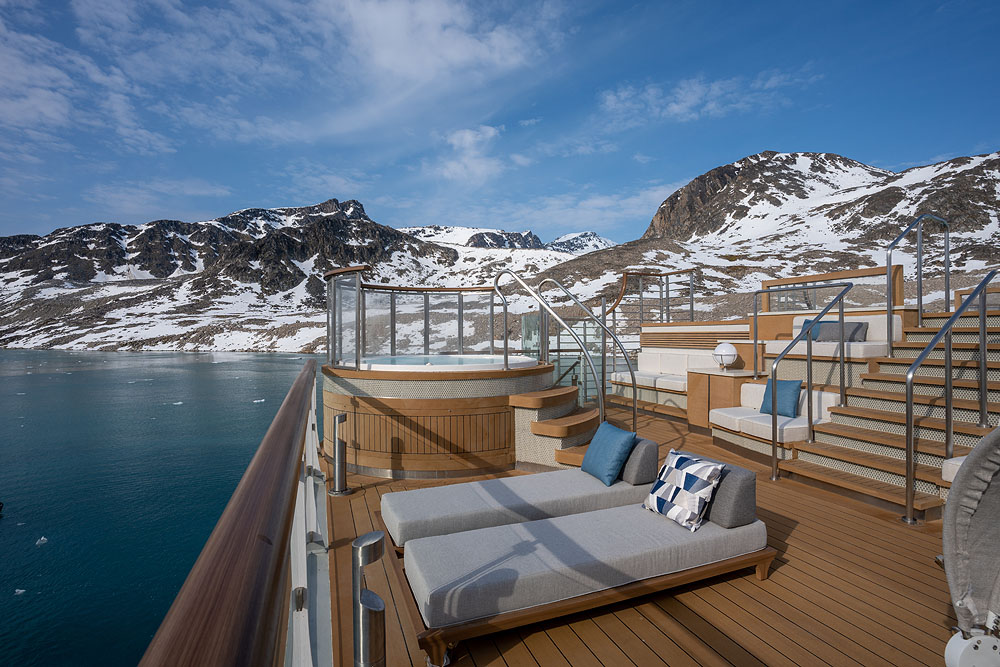
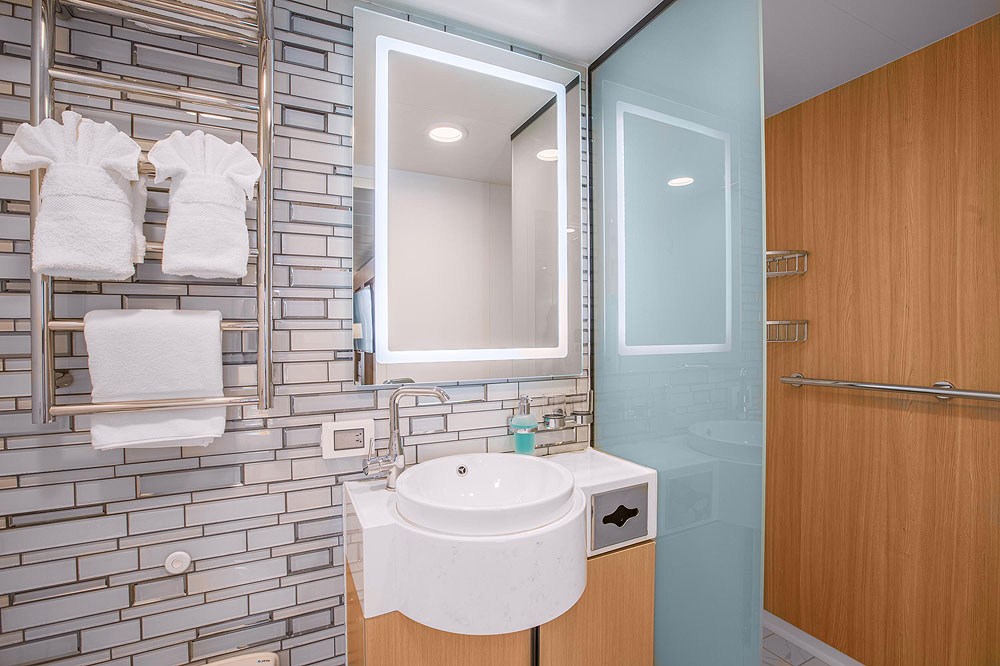
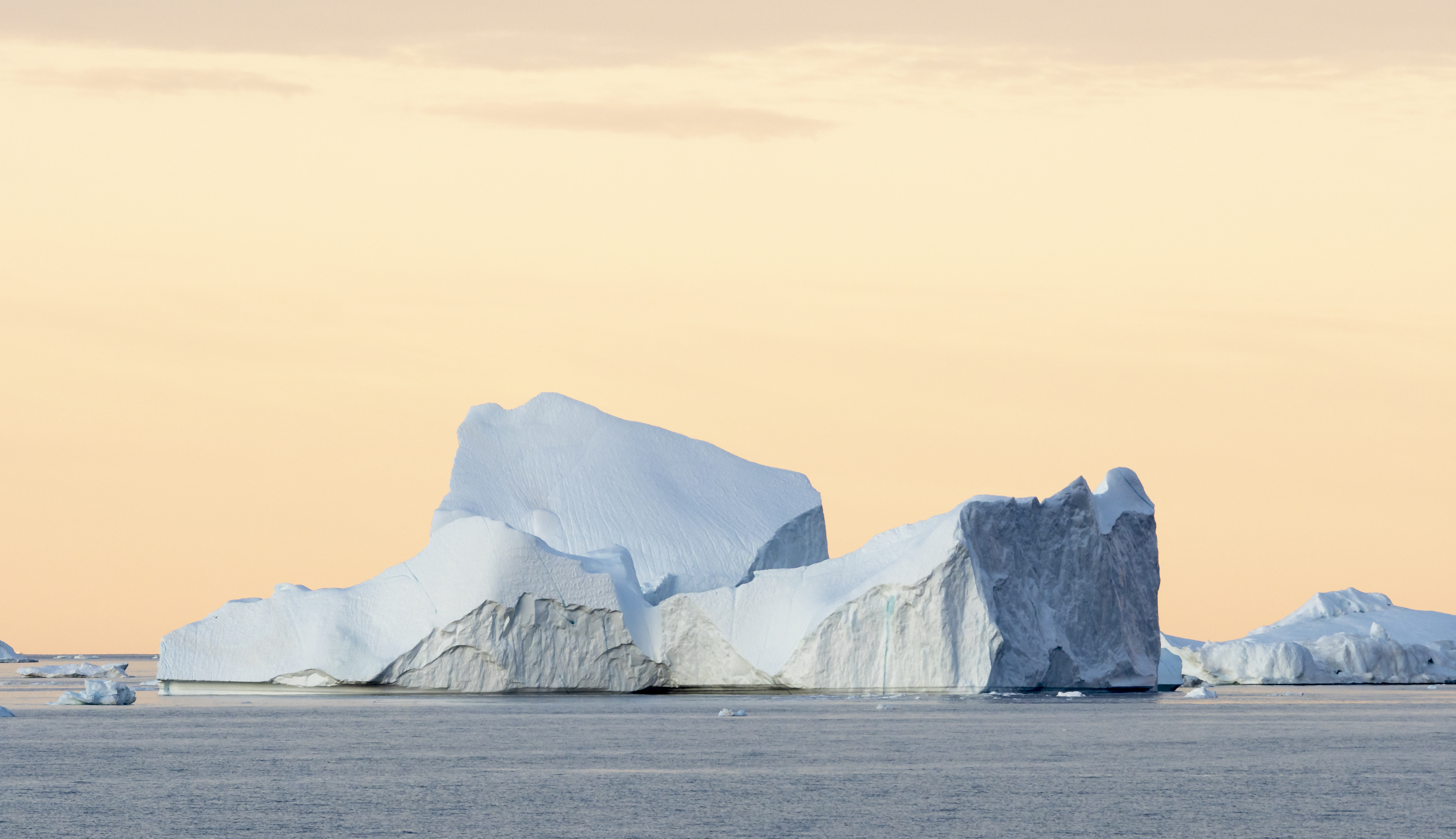
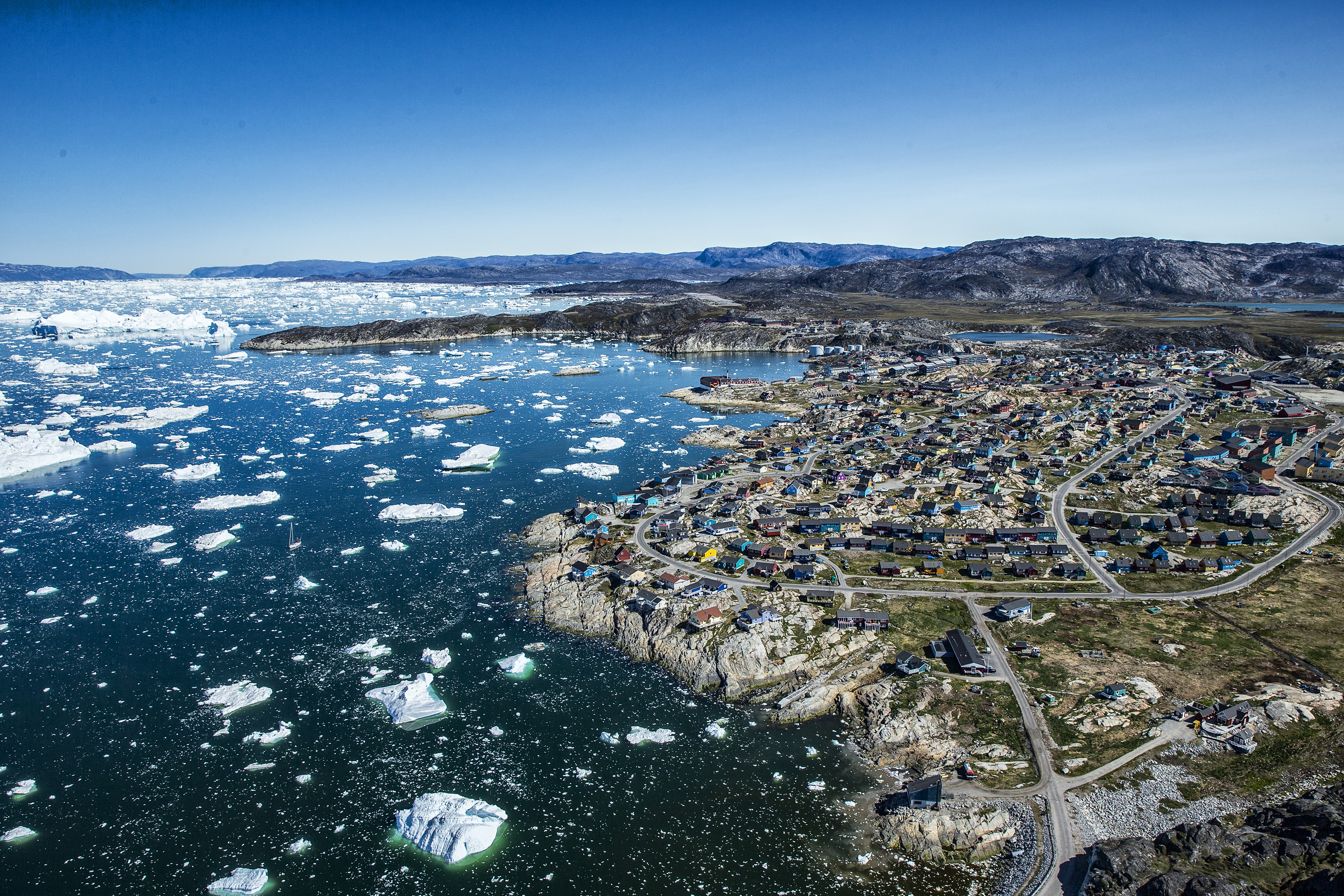
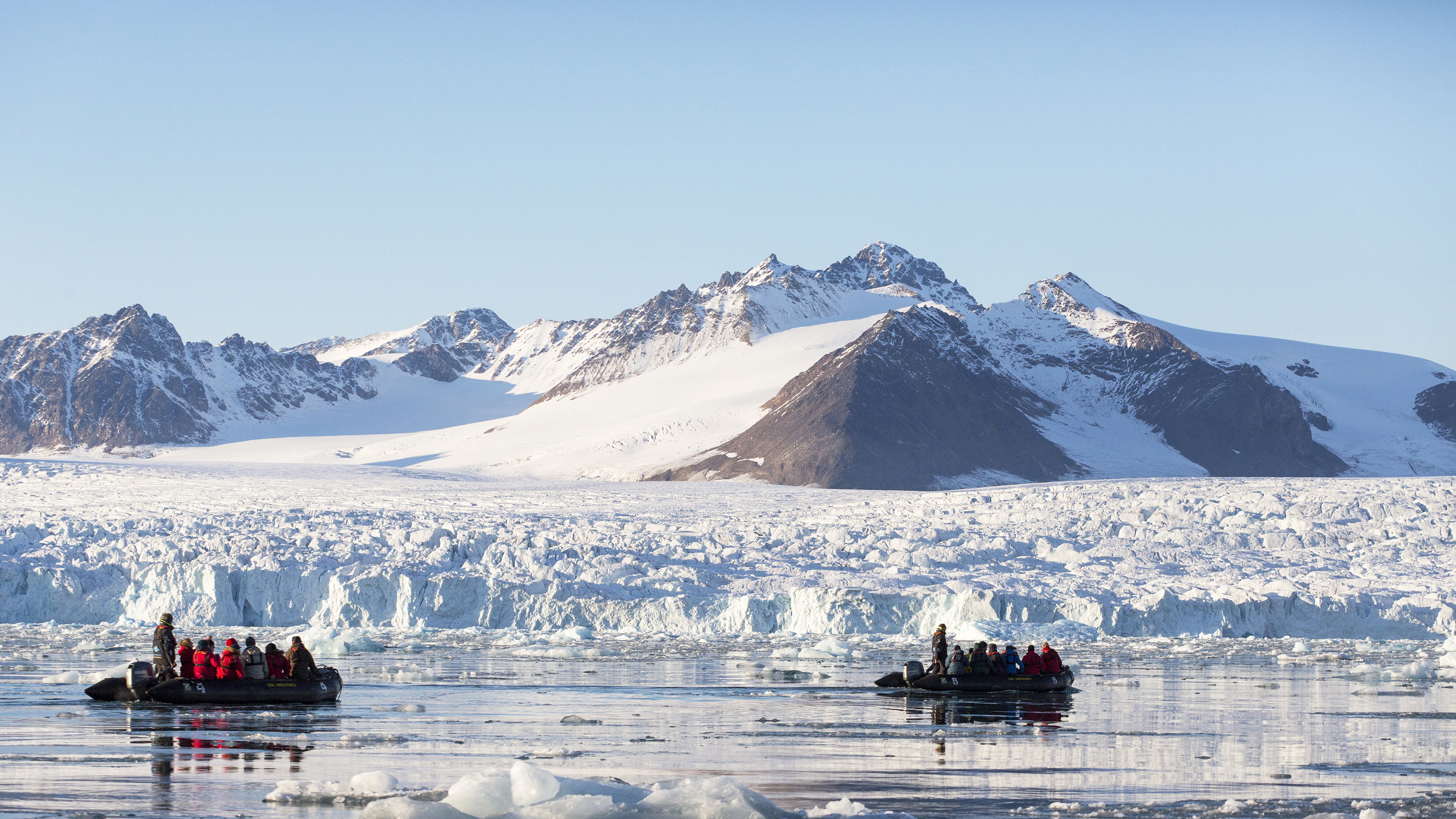
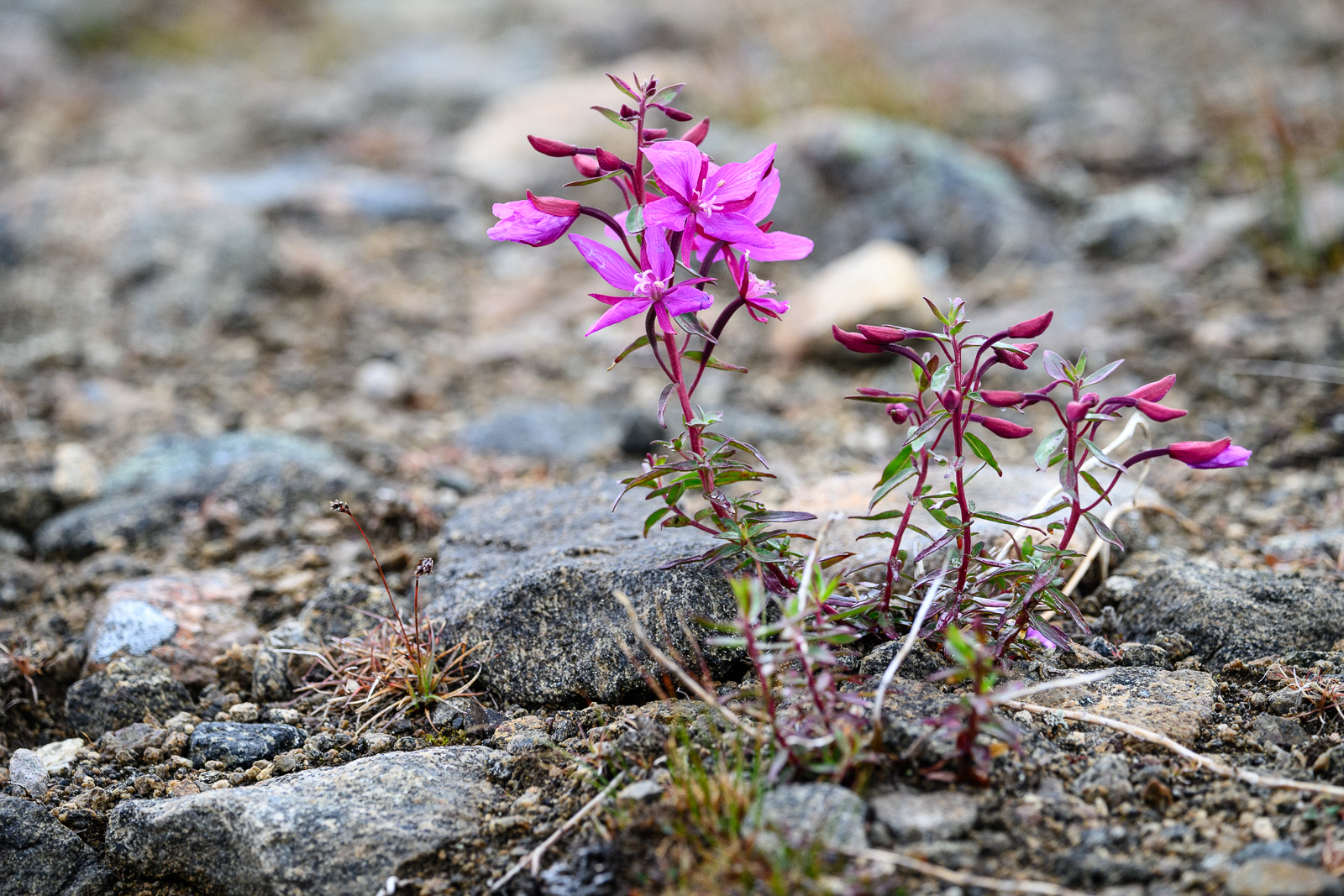
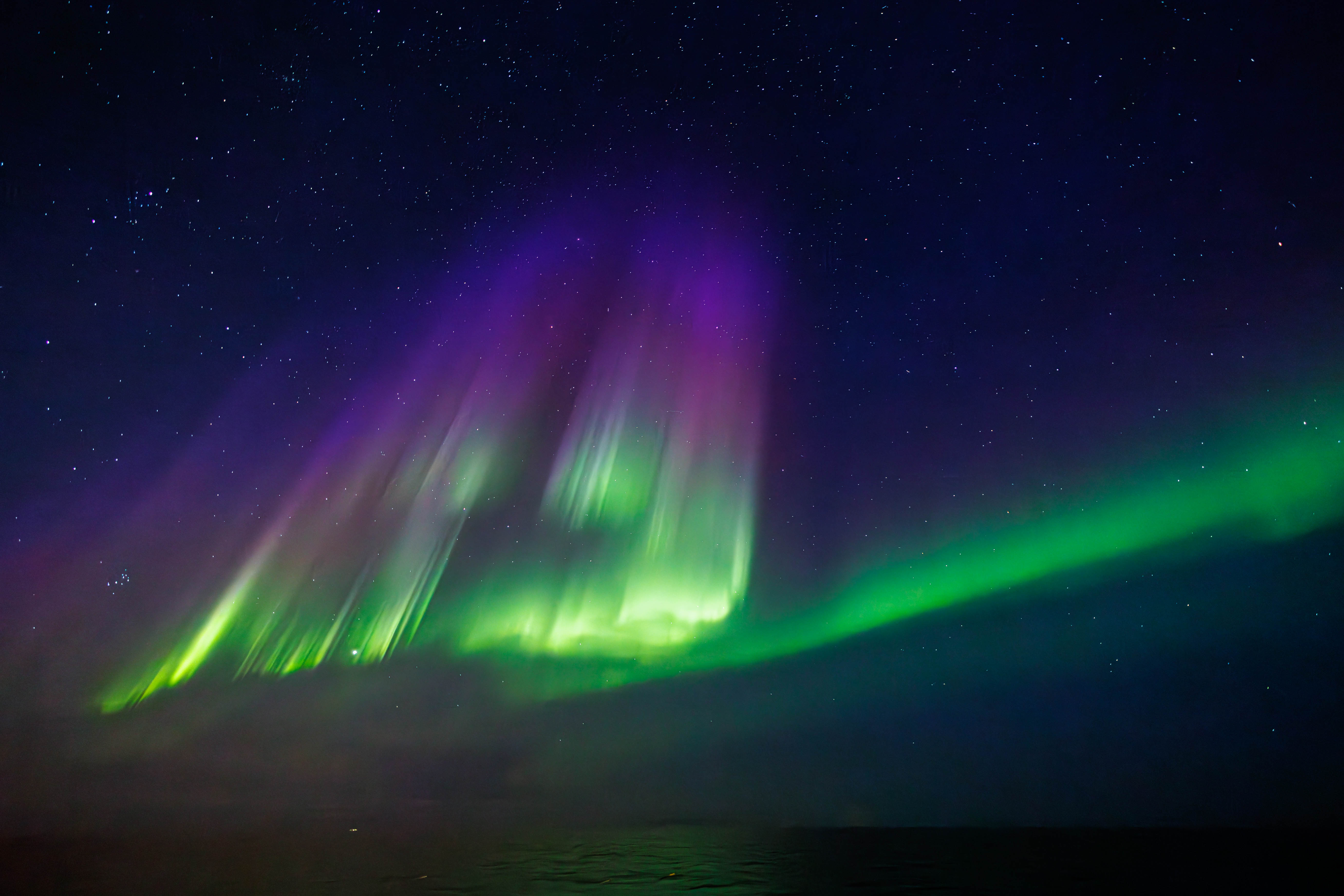
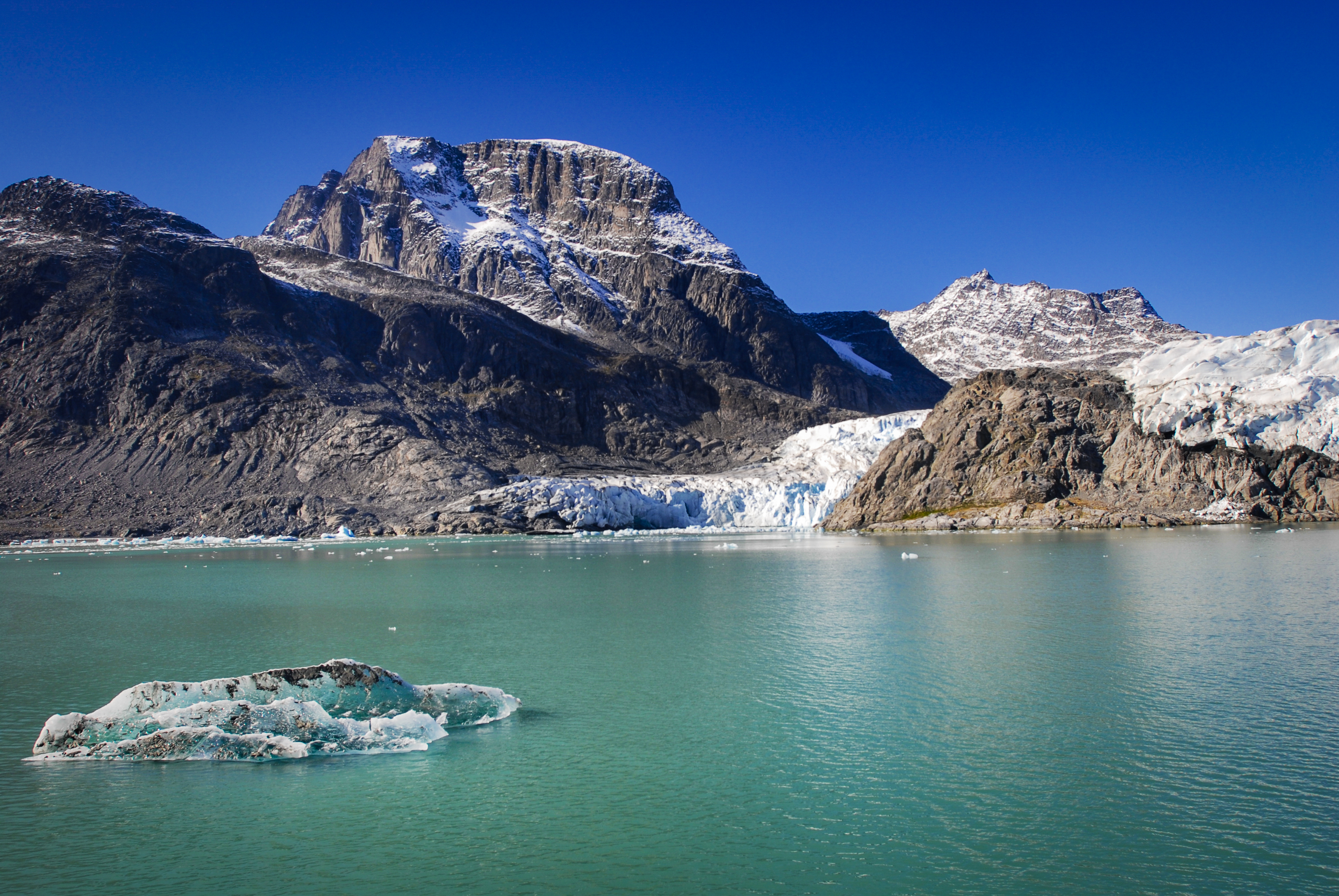
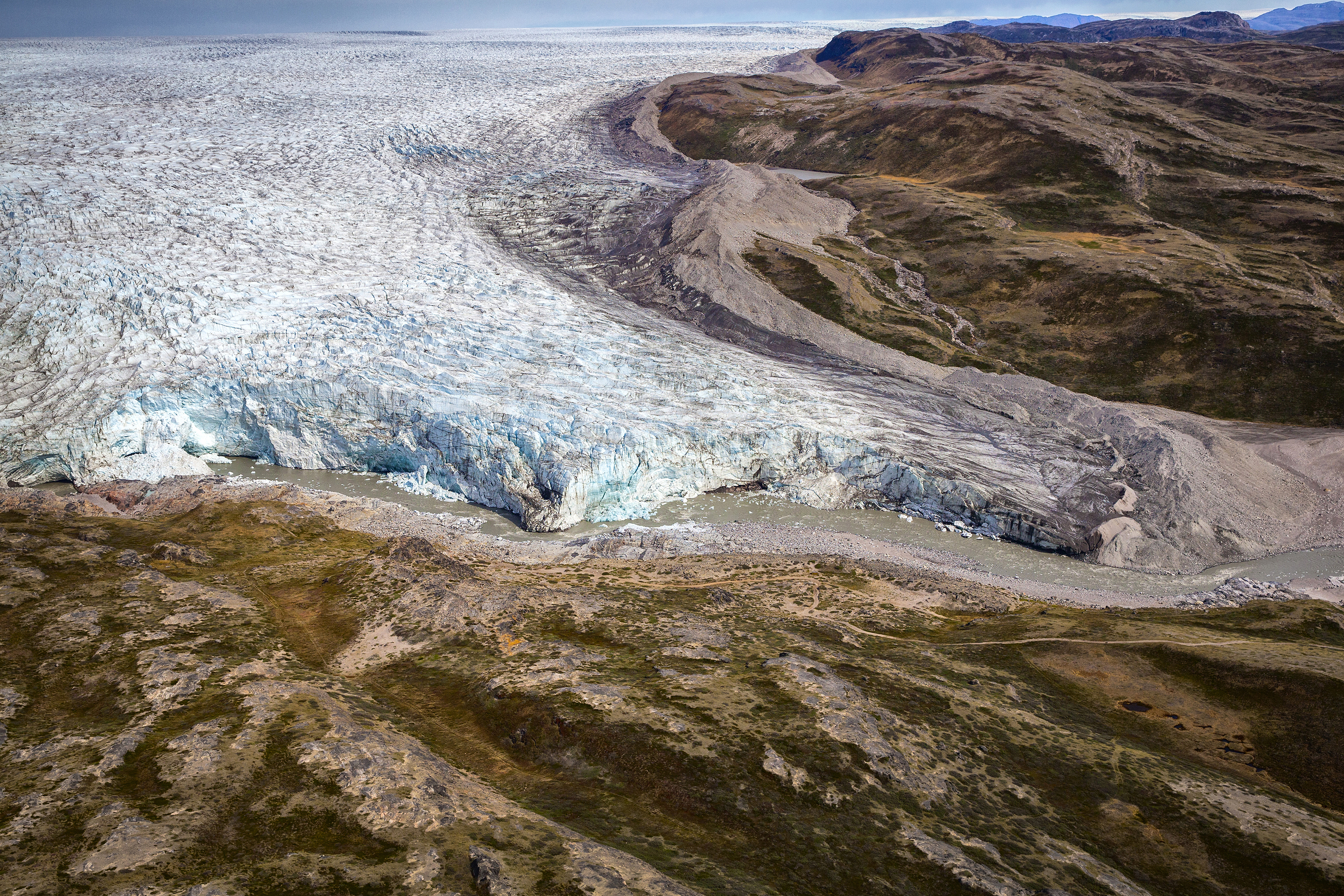
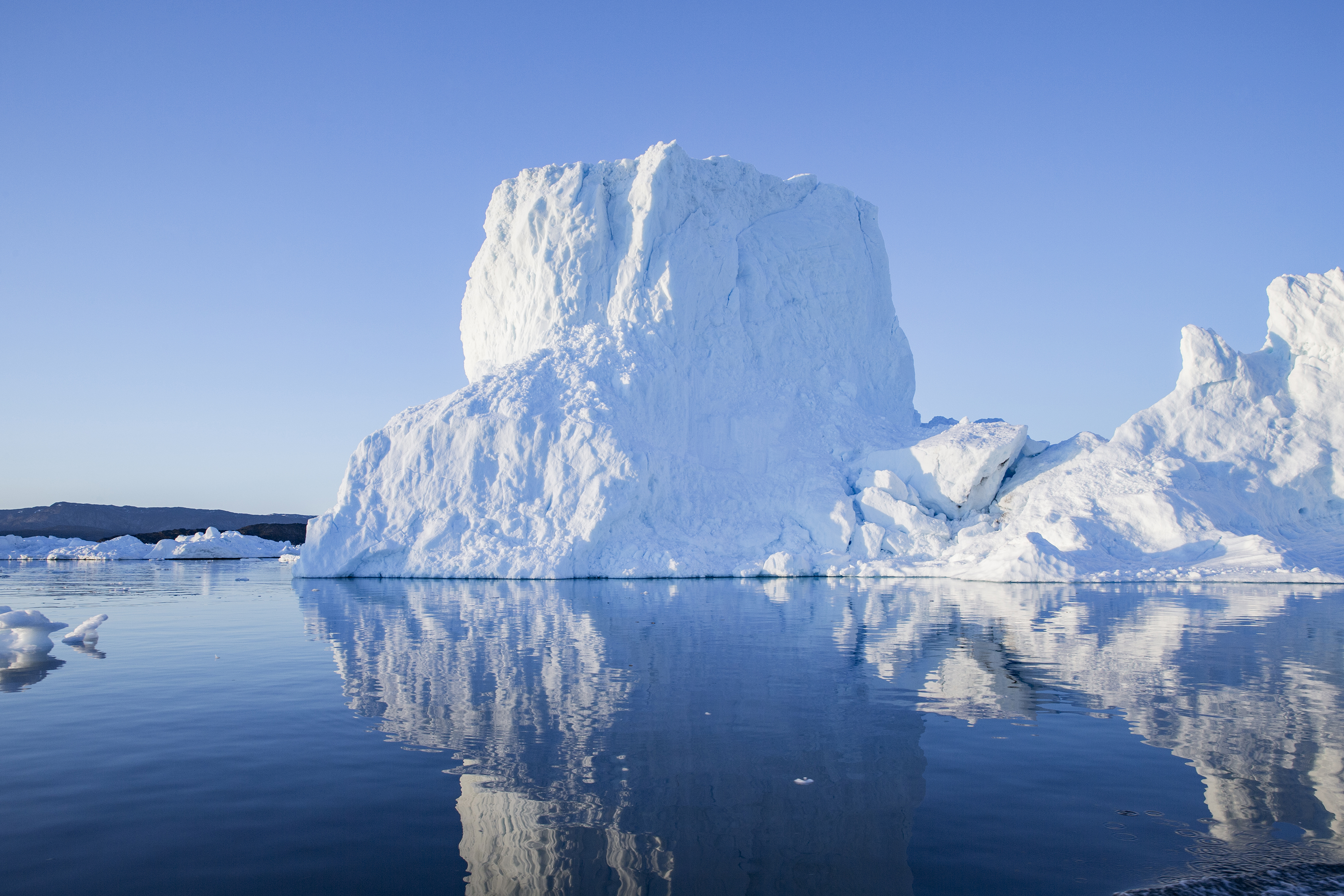
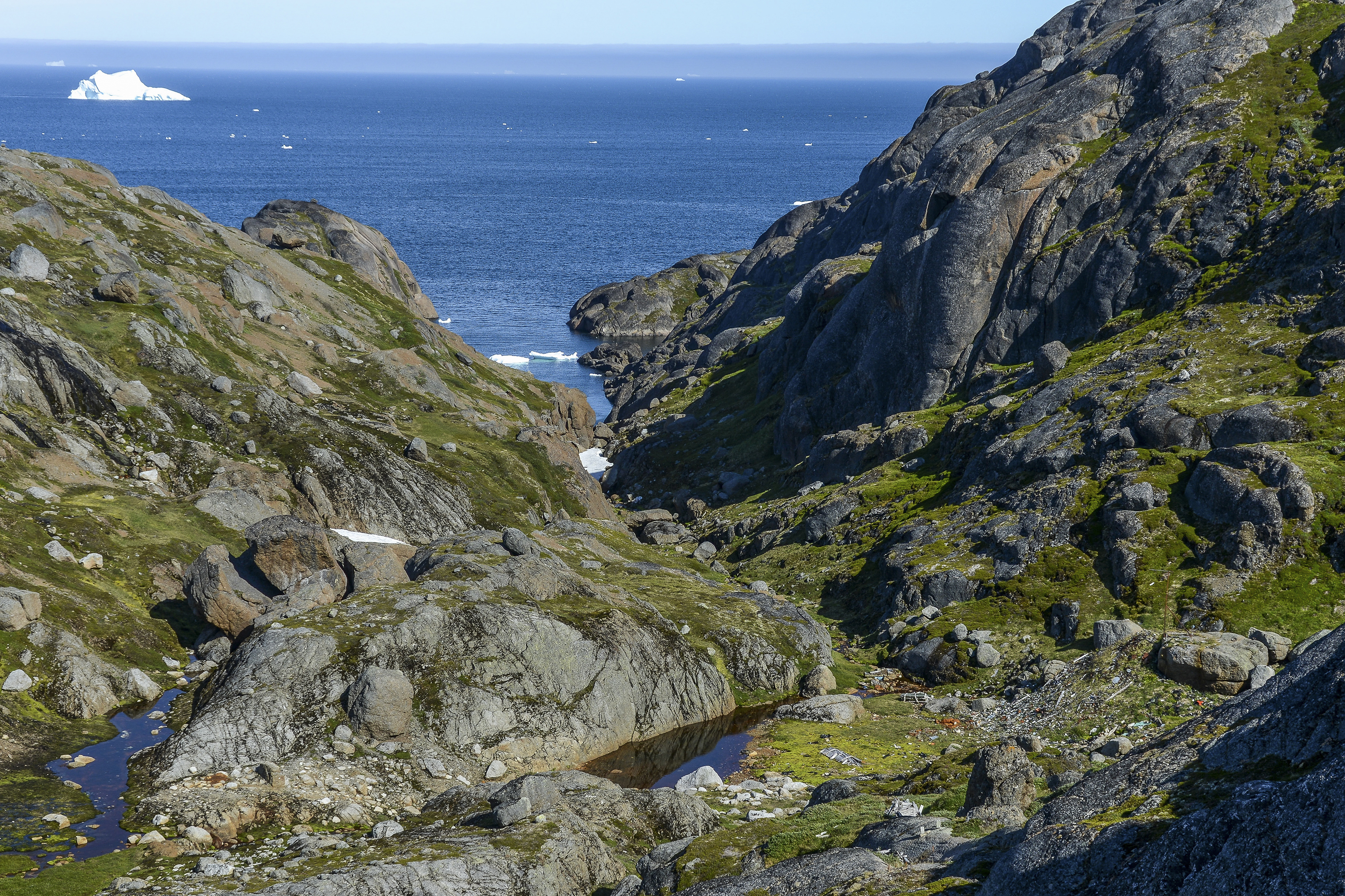
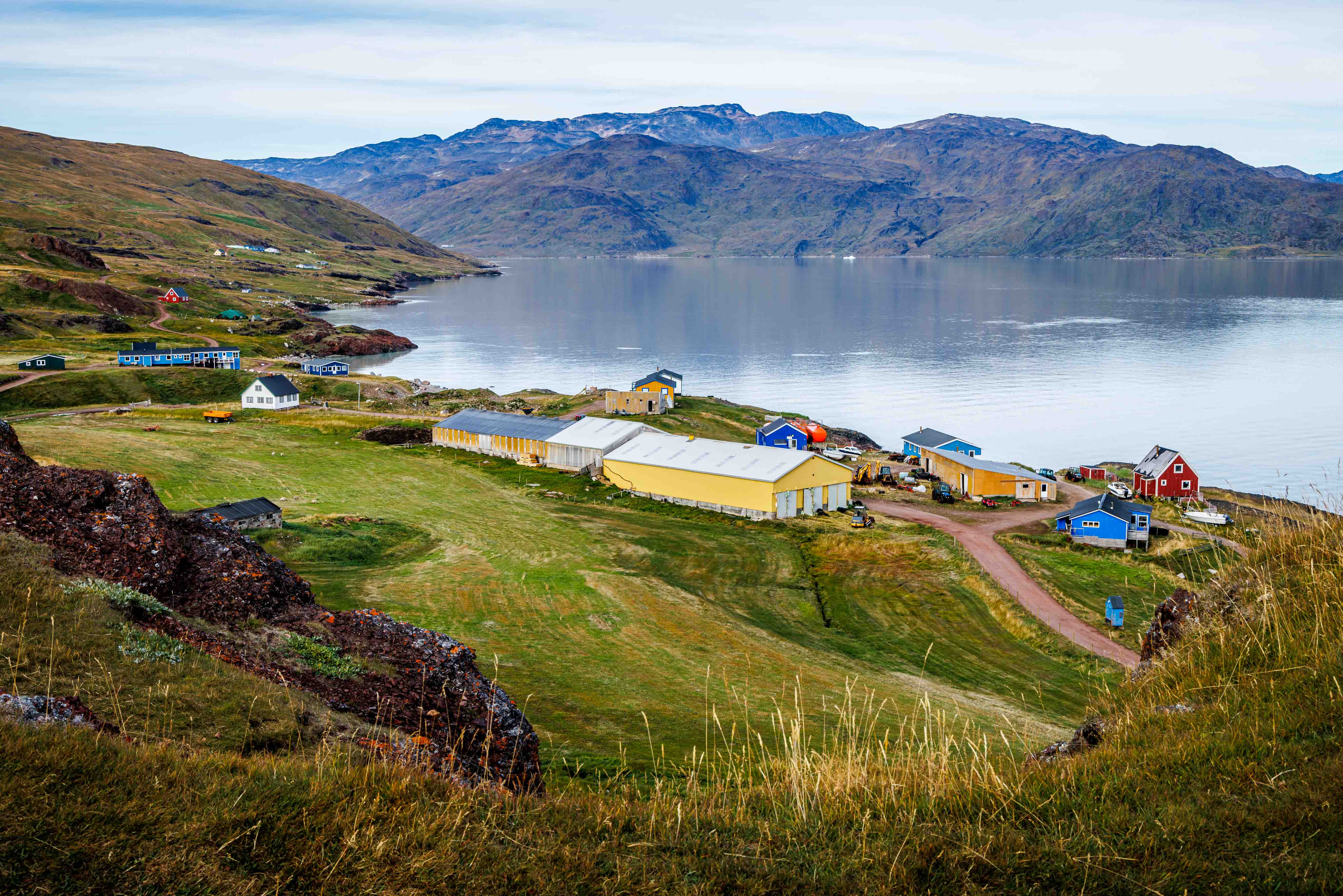
These pictures provide a general impression of our local partner and the surrounding area. Please note that selected tour may differ from these pictures.
All Reviews of Polar Latitudes
●●●●○ 4.0 of 5 Stars (12 Reviews) on Tripadvisor●●●●◐ 4.3 of 5 Stars (86 Reviews) on Google
Help us and submit a new review
Please select between 1 to 5 to review the operator* ○○○○○
Wed. 04.11.2026 - Sat. 14.11.2026
11 days
Available on request
11 days
Available on request
from €8.772,-
15% Advantage
15% Advantage

Available on request
from €8.772,-
€10.320,-
15% Advantage
15% Advantage
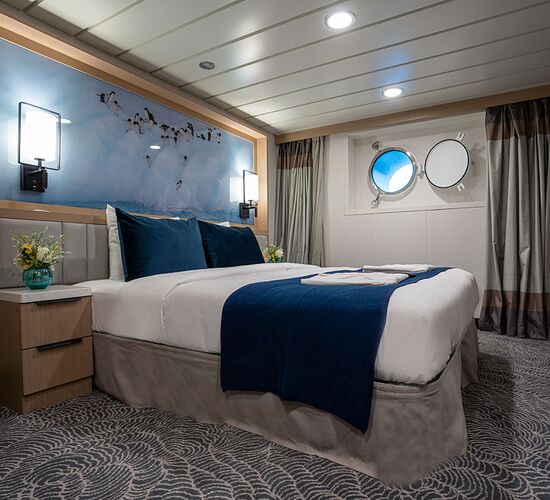
Deck: 3 & 4 13m² Twin Beds Unobstructed Porthole

Available on request
from €8.807,-
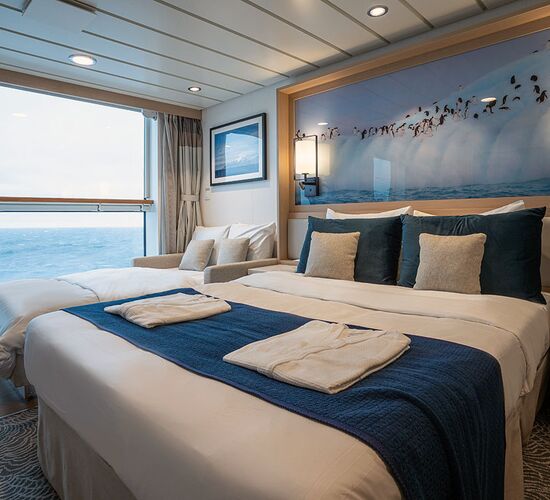
Deck: 3 18m² Triple Occupancy Unobstructed Porthole
Available on request
from €9.301,-
€10.943,-
15% Advantage
15% Advantage
Deck: 7 14m² Twin Beds French Balcony

Available on request
from €9.680,-
€11.388,-
15% Advantage
15% Advantage
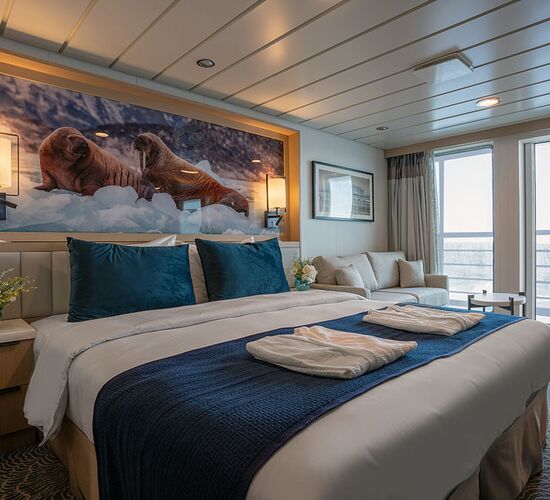
Deck: 4 & 6 18m² Twin Beds Private Balcony
Available on request
from €9.982,-
€11.744,-
15% Advantage
15% Advantage
Deck: 4 & 6 22m² Twin Beds Private Balcony

Available on request
from €10.512,-
€12.367,-
15% Advantage
15% Advantage
Deck: 4 25m² Twin Beds Private Balcony

Available on request
from €11.495,-
€13.524,-
15% Advantage
15% Advantage
Deck: 6 30m² Twin Beds Large Balcony

Available on request
from €12.025,-
€14.147,-
15% Advantage
15% Advantage
Deck: 7 36m² Triple Occupancy Private Balcony
Available on request
from €13.257,-
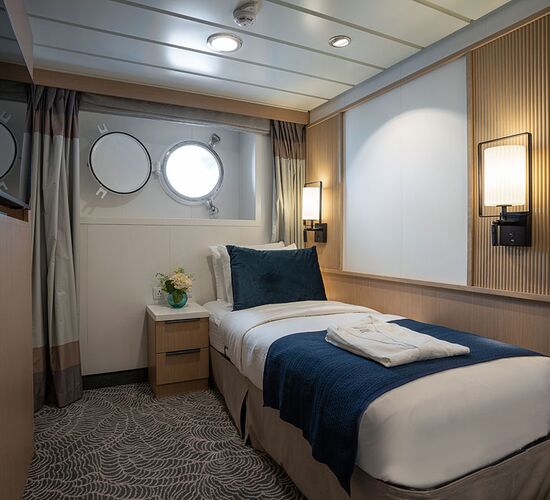
Deck: 3 14m² Solo Cabin Unobstructed Porthole

Available on request
from €13.992,-
€16.461,-
15% Advantage
15% Advantage
Deck: 4 42m² Triple Occupancy Private Balcony

Available on request
from €17.018,-
€20.021,-
15% Advantage
15% Advantage
Deck: 7 50m² Shared Occupancy Family Panoramic Window
Fri. 13.11.2026 - Mon. 23.11.2026
11 days
Available on request
11 days
Available on request
from €8.999,-
15% Advantage
15% Advantage
Available on request
from €8.999,-
€10.587,-
15% Advantage
15% Advantage
Deck: 3 & 4 13m² Twin Beds Unobstructed Porthole
Available on request
from €9.074,-
Deck: 3 18m² Triple Occupancy Unobstructed Porthole
Available on request
from €9.528,-
€11.210,-
15% Advantage
15% Advantage
Deck: 7 14m² Twin Beds French Balcony
Available on request
from €9.982,-
€11.744,-
15% Advantage
15% Advantage
Deck: 4 & 6 18m² Twin Beds Private Balcony
Available on request
from €10.285,-
€12.100,-
15% Advantage
15% Advantage
Deck: 4 & 6 22m² Twin Beds Private Balcony
Available on request
from €10.814,-
€12.723,-
15% Advantage
15% Advantage
Deck: 4 25m² Twin Beds Private Balcony
Available on request
from €11.571,-
€13.613,-
15% Advantage
15% Advantage
Deck: 3 14m² Solo Cabin Unobstructed Porthole
Available on request
from €11.873,-
€13.969,-
15% Advantage
15% Advantage
Deck: 6 30m² Twin Beds Large Balcony
Available on request
from €12.403,-
€14.592,-
15% Advantage
15% Advantage
Deck: 7 36m² Triple Occupancy Private Balcony
Available on request
from €13.613,-
Deck: 3 14m² Solo Cabin Unobstructed Porthole
Available on request
from €14.446,-
€16.995,-
15% Advantage
15% Advantage
Deck: 4 42m² Triple Occupancy Private Balcony
Available on request
from €17.547,-
€20.644,-
15% Advantage
15% Advantage
Deck: 7 50m² Shared Occupancy Family Panoramic Window
Wed. 17.11.2027 - Sat. 27.11.2027
11 days
Available on request
11 days
Available on request
from €10.209,-
15% Advantage
15% Advantage
Available on request
from €10.209,-
€12.011,-
15% Advantage
15% Advantage
Deck: 3 & 4 13m² Twin Beds Unobstructed Porthole
Available on request
from €10.320,-
Deck: 3 18m² Triple Occupancy Unobstructed Porthole
Available on request
from €11.344,-
€13.346,-
15% Advantage
15% Advantage
Deck: 4 & 6 18m² Twin Beds Private Balcony
Available on request
from €11.722,-
€13.791,-
15% Advantage
15% Advantage
Deck: 4 & 6 22m² Twin Beds Private Balcony
Available on request
from €12.252,-
€14.414,-
15% Advantage
15% Advantage
Deck: 4 25m² Twin Beds Private Balcony
Available on request
from €13.462,-
€15.838,-
15% Advantage
15% Advantage
Deck: 6 30m² Twin Beds Large Balcony
Available on request
from €13.992,-
€16.461,-
15% Advantage
15% Advantage
Deck: 7 36m² Triple Occupancy Private Balcony
Available on request
from €15.482,-
Deck: 3 14m² Solo Cabin Unobstructed Porthole
Available on request
from €16.337,-
€19.220,-
15% Advantage
15% Advantage
Deck: 4 42m² Triple Occupancy Private Balcony
Available on request
from €19.817,-
€23.314,-
15% Advantage
15% Advantage
Deck: 7 50m² Shared Occupancy Family Panoramic Window
All prices per person in double or multi-bed category. Single room surcharges, children's price advantages etc. on request.
Fixed travel dates, additional days on demand.
Fixed travel dates, additional days on demand.