62.350510648961
12.5429254
326
Antarctic Peninsula - The Classic Voyage 30% Advantage
A 12 day expedition from Ushuaia with an extra day to adapt to weather, ice and wildlife opportunities.
On this journey with 12 days and 10 nights on board, you have one additional day to make the most of Antarctica’s changeable conditions. From Ushuaia you cross the Drake Passage to the South Shetland Islands and continue to selected bays and landing sites along the Antarctic Peninsula.
Tour ID: 1830780 Antarctica, South Shetland Islands, Antarctic Peninsula ●●●●◐ 98 Reviews
12 days / 11 nights
Expedition ship Ocean Albatros, Ocean Victory, MS Seaventure, MV Discoverer
South Shetland Islands by Zodiac with landings
Extra day for flexible route decisions
Polar expert talks and citizen science
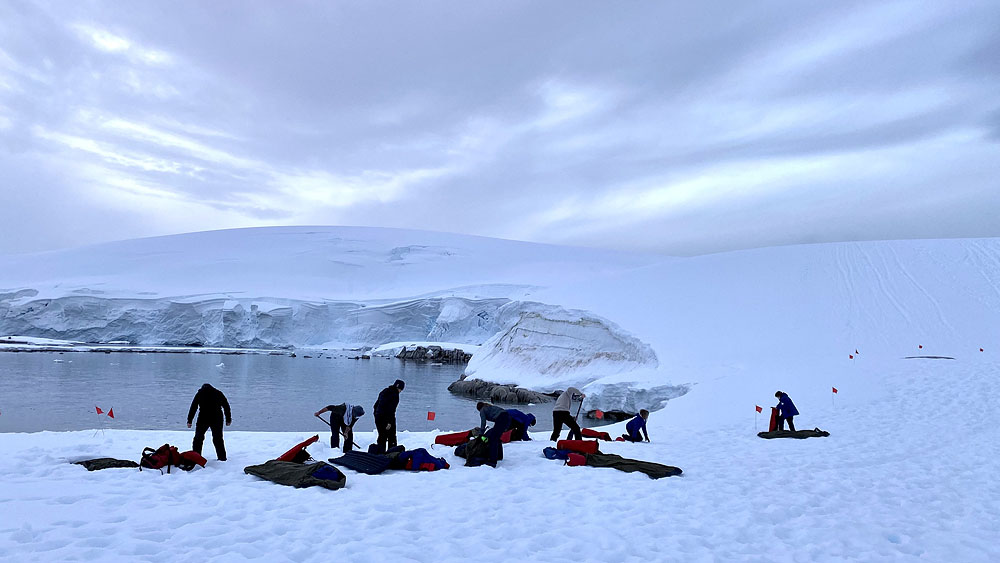
Optional camping night ashore
Antarctic Peninsula - The Classic Voyage: The itinerary
Day 1: Arrival in Ushuaia
After you arrive at the airport, you will be welcomed and transferred to one of the partnered premium hotel resorts set within Patagonian nature. After check in, you have time to rest or explore Ushuaia on your own. As the southernmost city in the world, Ushuaia is a practical starting point to get oriented in Tierra del Fuego, with its setting between mountains and sea, before boarding the ship. In the evening, an optional briefing is offered. You can ask questions, receive initial information about the expedition flow, and meet some of your fellow travellers.
Day 2: Embarkation
Your morning is free. Depending on your interests, you may relax at the hotel, visit a museum, or walk through Ushuaia and use the shops for any last needs. In mid afternoon you are escorted to the ship. The Expedition Team and crew welcome you on board and you settle into your cabin. A safety and orientation briefing follows so everyone is familiar with procedures on the ship and with the rules for Zodiac operations and landings. The day ends with the Captain’s welcome dinner, and the ship departs Ushuaia, setting course for Antarctica.
All pictures of this partner




Day 3: Drake Passage
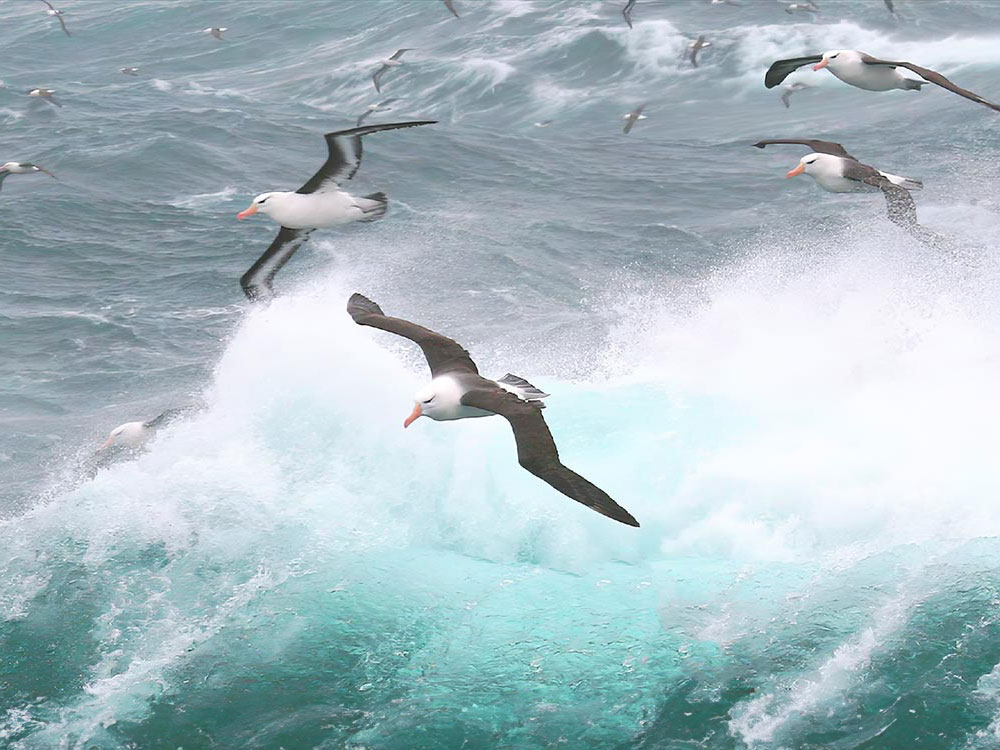
Today you begin the crossing of the Drake Passage. These sea days are used to prepare for the expedition phase and to build context for what you will see. Polar experts share knowledge about Antarctic wildlife and the history of exploration through talks and informal discussions. You can also participate in the Citizen Science programme by helping document observations that support research projects. Time on deck is often rewarding, with binoculars and camera ready, as seabirds frequently accompany the ship. As you cross the Antarctic Convergence, conditions shift and temperatures become noticeably cooler.
Day 4: Drake Passage
The crossing continues and remains an important part of the journey, offering time for preparation, observation and orientation. Depending on weather and sea state, additional talks and practical briefings are scheduled, including guidance for the first Zodiac outings and landings. Citizen Science activities can continue, or you may simply use the day to watch the ocean and the birdlife around the ship. Less common sightings are possible on this route, so regular time on deck can be worthwhile. As the ship moves further south, the Antarctic environment becomes more apparent in both temperature and overall conditions. The Expedition Team provides ongoing updates on the situation and on plans for the first days in the operating area.
Day 5: South Shetland Islands
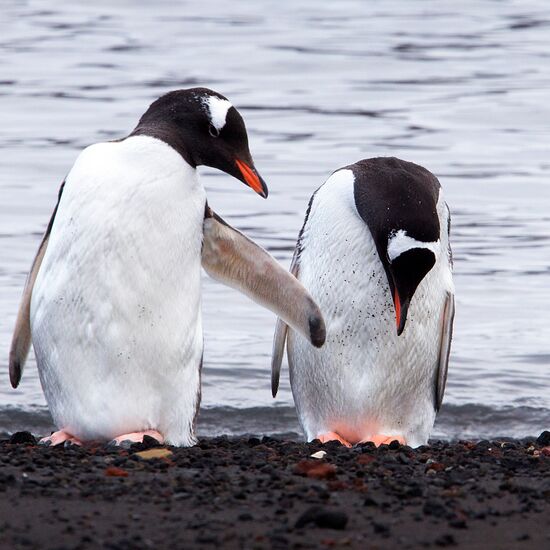
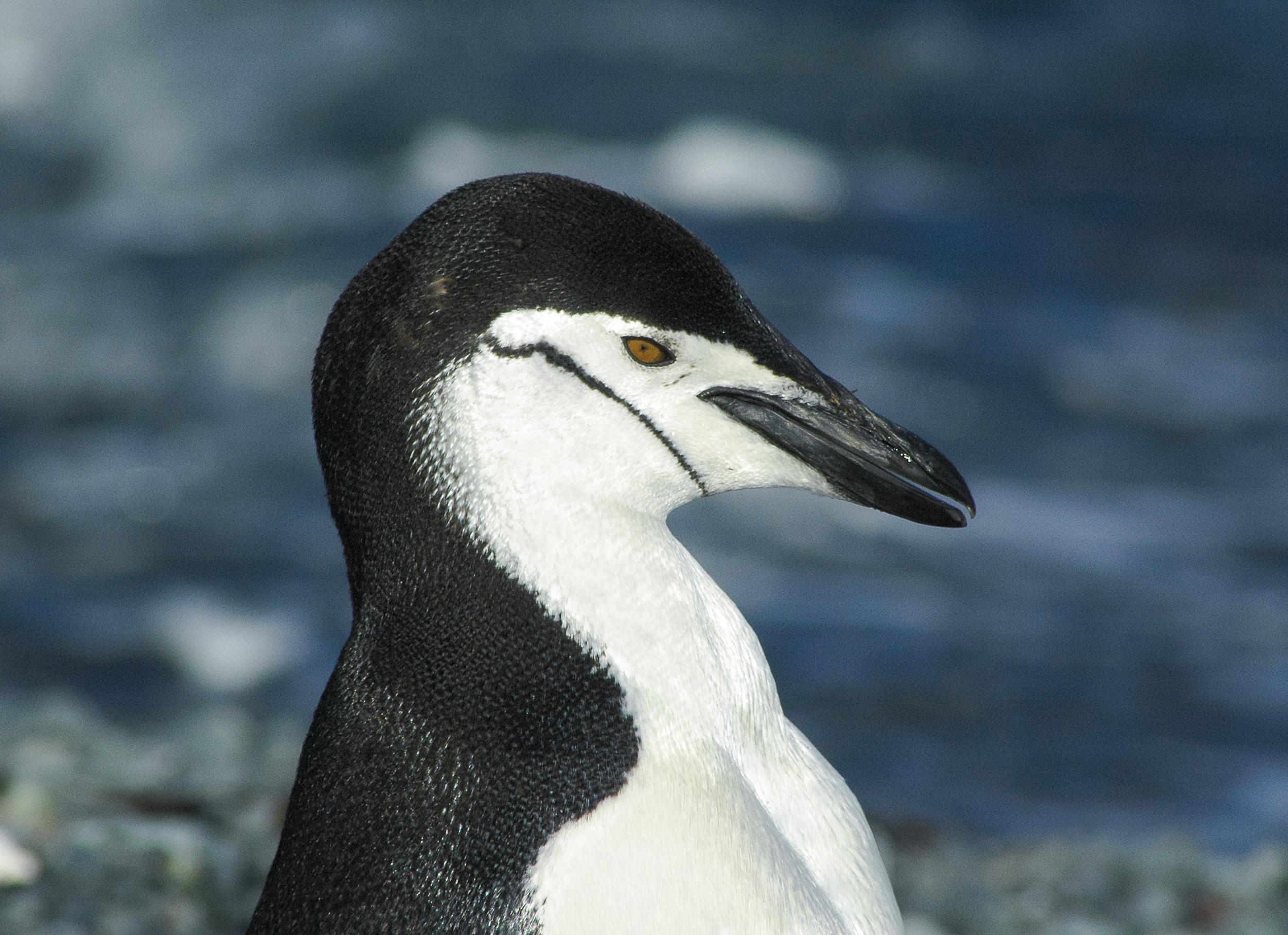
The South Shetland Islands are shaped by volcanic processes and display geology that differs from many other Antarctic regions. Expect a combination of mountains, glaciers and abundant wildlife. Chinstrap and Gentoo penguins are commonly seen, and along the shoreline it is not unusual to encounter Elephant and Fur seals. Whales are also regularly observed in these waters. The day is typically planned around Zodiac exploration and shore landings, allowing you to experience coastlines, beaches and ice features from different perspectives. Plans remain flexible to respond to weather, ice and wildlife movements.
Day 6: South Shetland Islands with added flexibility
With an extra day in this area, there is more time to explore the variety of the island group. Additional Zodiac cruises and landings may be scheduled, and depending on conditions the focus can shift to distinctive coastal sections, including dark sand beaches and traces of historic activity. Deception Island is often high on the list, as black beaches and rusted remains sit within a landscape strongly influenced by volcanic forces. Wildlife observation remains central, especially penguins and seals along the waterline and possible whale sightings offshore. As on all expedition days, the exact plan depends on local conditions and operational considerations.
Day 7: Antarctic Peninsula and the start of immersive expedition days
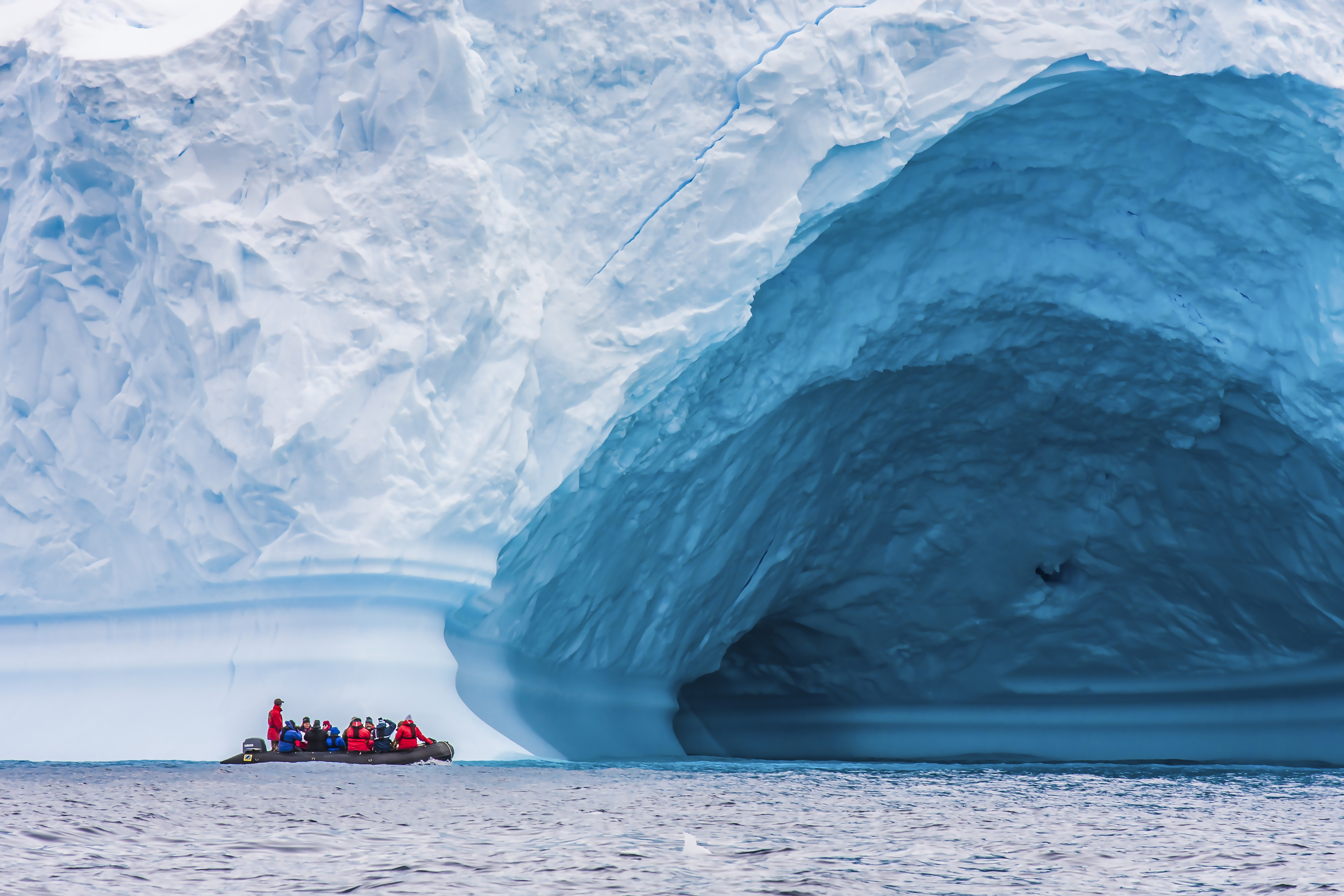
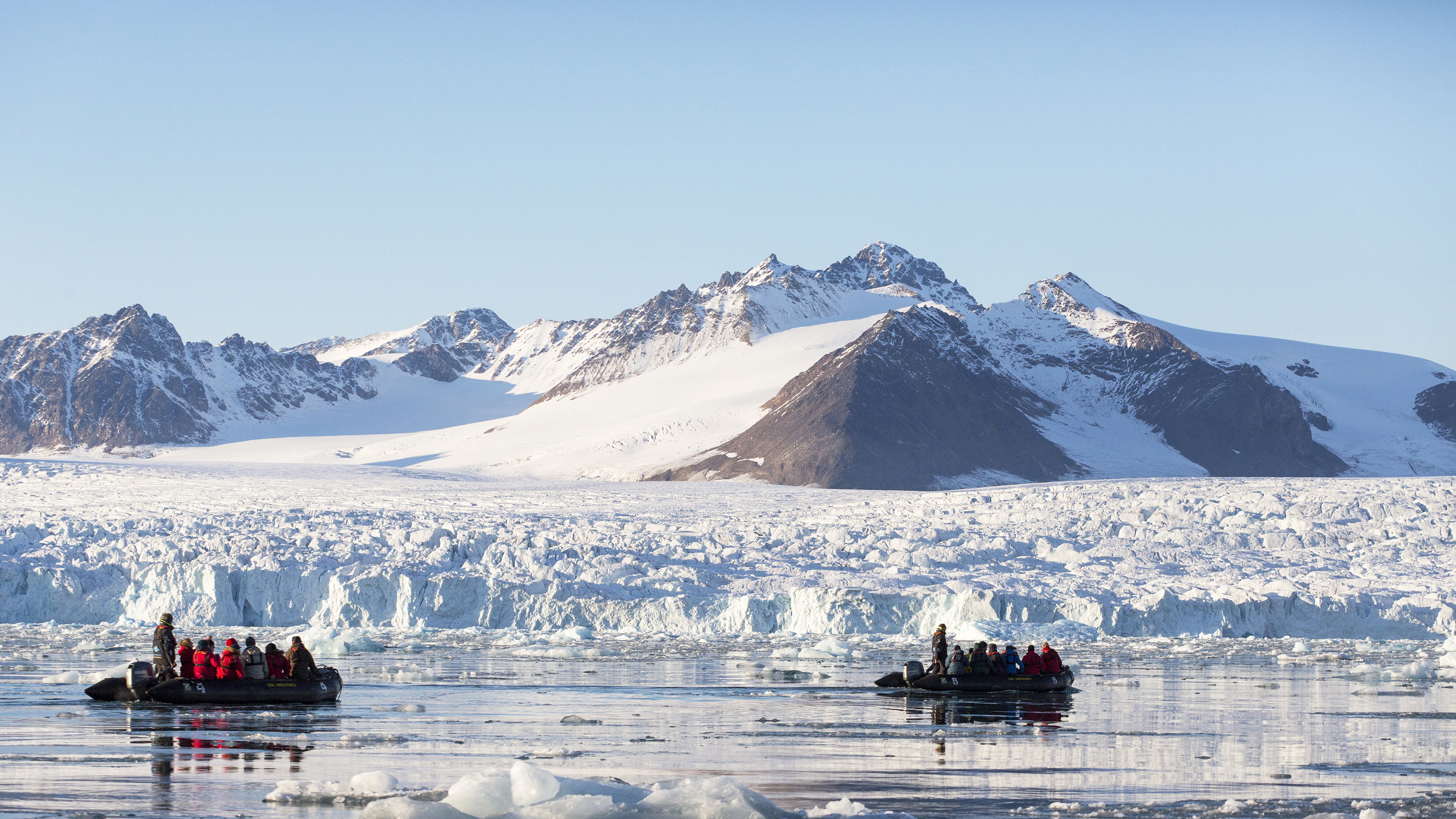
From today the focus is the Antarctic Peninsula, with selected bays and well known landing sites. The route is chosen to combine ice scenery with wildlife rich coastal areas, while the exact order depends on weather, wind and ice. Two outings per day are typical, using Zodiacs for both cruising and landings. You travel through iceberg filled channels and into waters where penguins, seals and, with some luck, whales may be present. Glacier fronts and drifting ice formations are a key part of the landscape experience. The Expedition Team accompanies activities, providing safety oversight, guidance and interpretation.
Day 8: Antarctic Peninsula with scientific and historic sites
Today again includes multiple opportunities to be off the ship and experience the region directly. Depending on conditions, landings may take place at sites connected to Antarctic research or history. Where logistically possible and permitted, there can be opportunities to visit active scientific bases or historic landing locations. Outings are planned to balance time on shore and on the water, offering different perspectives on coastlines, ice and wildlife colonies. For those interested in photography, changing light and weather can support a more documentary approach to the landscape. The Expedition Team provides background information and practical guidance throughout the day.
Day 9: Antarctic Peninsula and optional camping night ashore
This third day in the operating area remains flexible, aiming to use the best available opportunities for landings and Zodiac cruising. The intention is to maximise time off the ship while staying within safety and environmental guidelines. Depending on the route, additional bays and coastal sections may be visited, known for icebergs, glaciers and wildlife encounters. For guests who have signed up, an overnight camping experience ashore may take place. This is optional and depends on weather, snow conditions and permissions. Regardless of camping, the day is shaped by the rhythm of outings and the alternating perspectives of sea, ice and rugged shoreline.
Day 10: Drake Passage
Today the ship begins the return journey north across the Drake Passage. After the intensive days in the field, attention shifts back to onboard programming and shared reflection. The Expedition Team continues with talks and discussions to interpret sightings and address questions that emerged during landings. Depending on conditions, seabirds and other wildlife may again be visible at sea. Many guests use this time to organise photos or update notes. The crew provides regular updates on the expected arrival in Ushuaia and the procedures for disembarkation.
Day 11: Drake Passage and expedition wrap up
The passage continues as the ship approaches Ushuaia. The expedition is concluded on board, typically with a shared slideshow documenting the journey. A final meal together is also part of the closing programme before disembarkation the next morning. Weather permitting, there is still time to spend on deck and observe the open ocean. The Expedition Team and crew provide practical information regarding luggage, timing and arrival procedures. The day serves both as a conclusion and as an organised preparation for returning to shore.
Day 12: Disembarkation in Ushuaia
Disembarkation takes place in Ushuaia in the morning. The travel package ends once you leave the ship. From here you can connect to a flight to Buenos Aires or extend your stay in Ushuaia independently for additional time in Tierra del Fuego.
Additional Information for Expedition Cruises: The itinerary and route described are provided as examples only and may be adjusted or changed at any time due to weather, ice and tidal conditions, as well as for safety reasons. Specific landing sites, locations or route sections therefore cannot be guaranteed. The captain and expedition leader will make all final decisions regarding the route, landings and daily programme on site. Wildlife sightings cannot be guaranteed. Landings and Zodiac excursions depend on local conditions and regulatory requirements. Optional activities have very limited availability; we recommend booking them well in advance, often weeks or months before departure, as they may be fully booked by the time of travel; their operation depends on weather, ice and safety conditions as well as minimum participation. Polar regions are remote and dynamic natural environments, therefore programme changes or delays may occur.






.jpg)
.jpg)
.jpg)
.jpg)














.jpg)
.jpg)






.jpg)
.jpg)

.jpg)
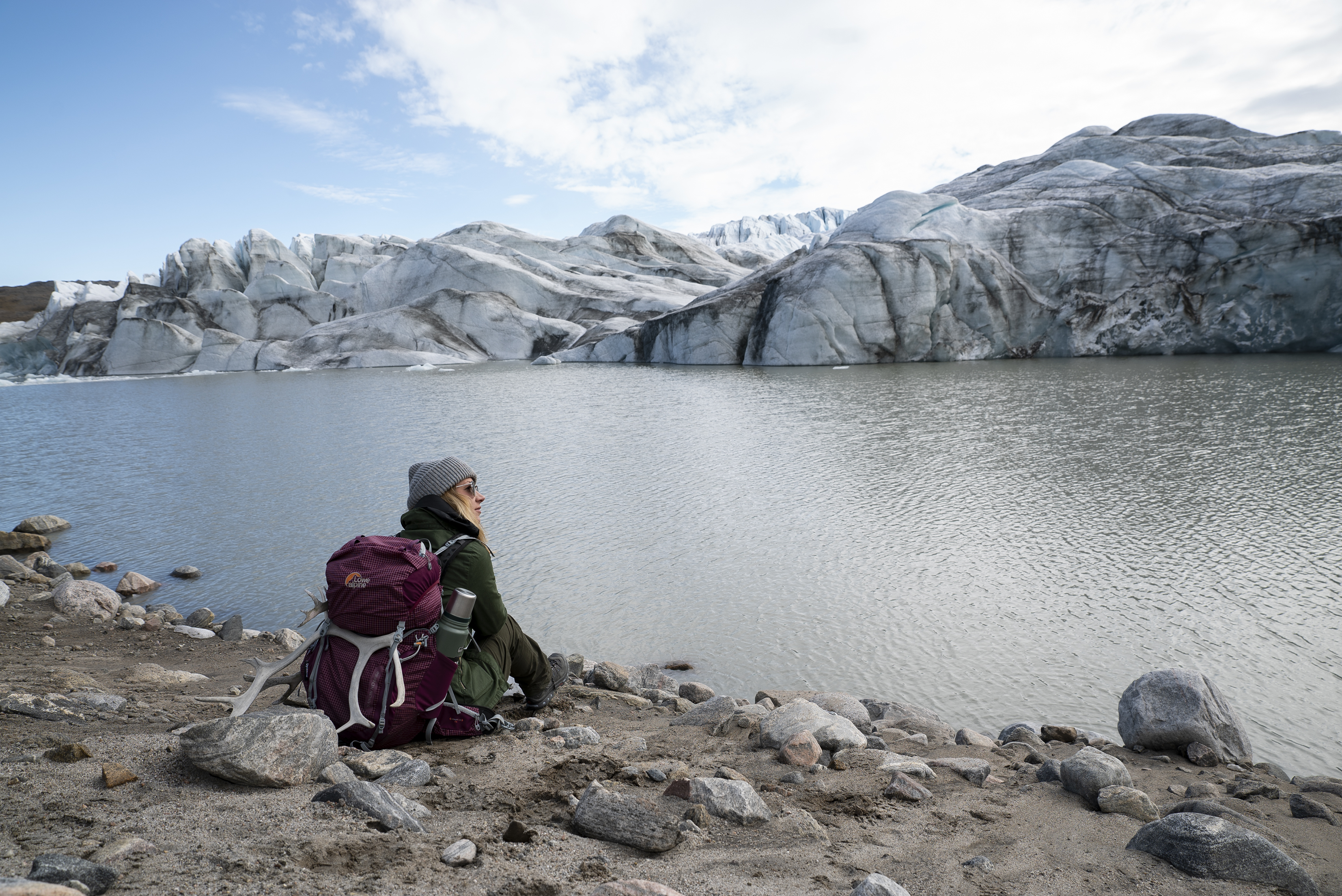

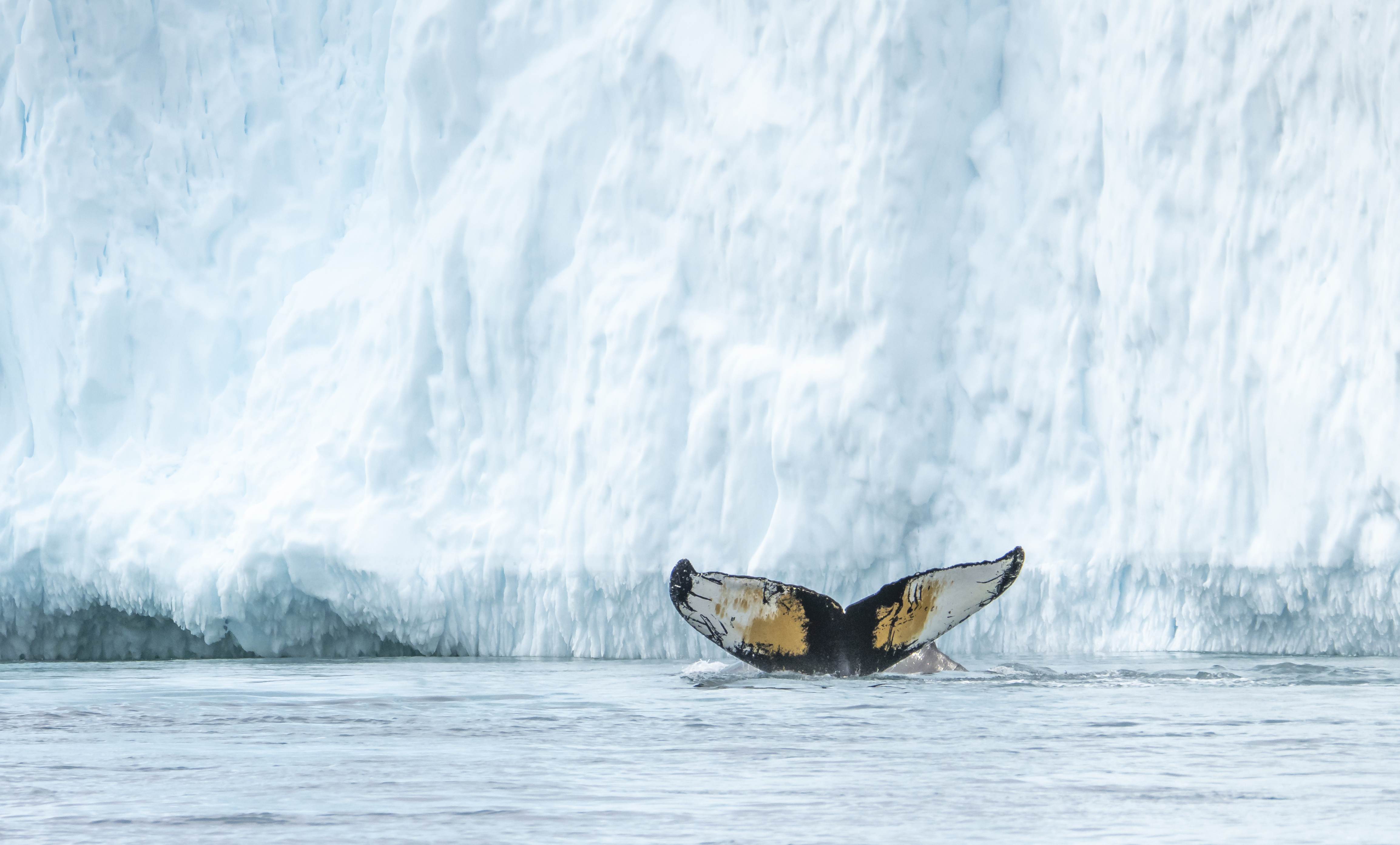
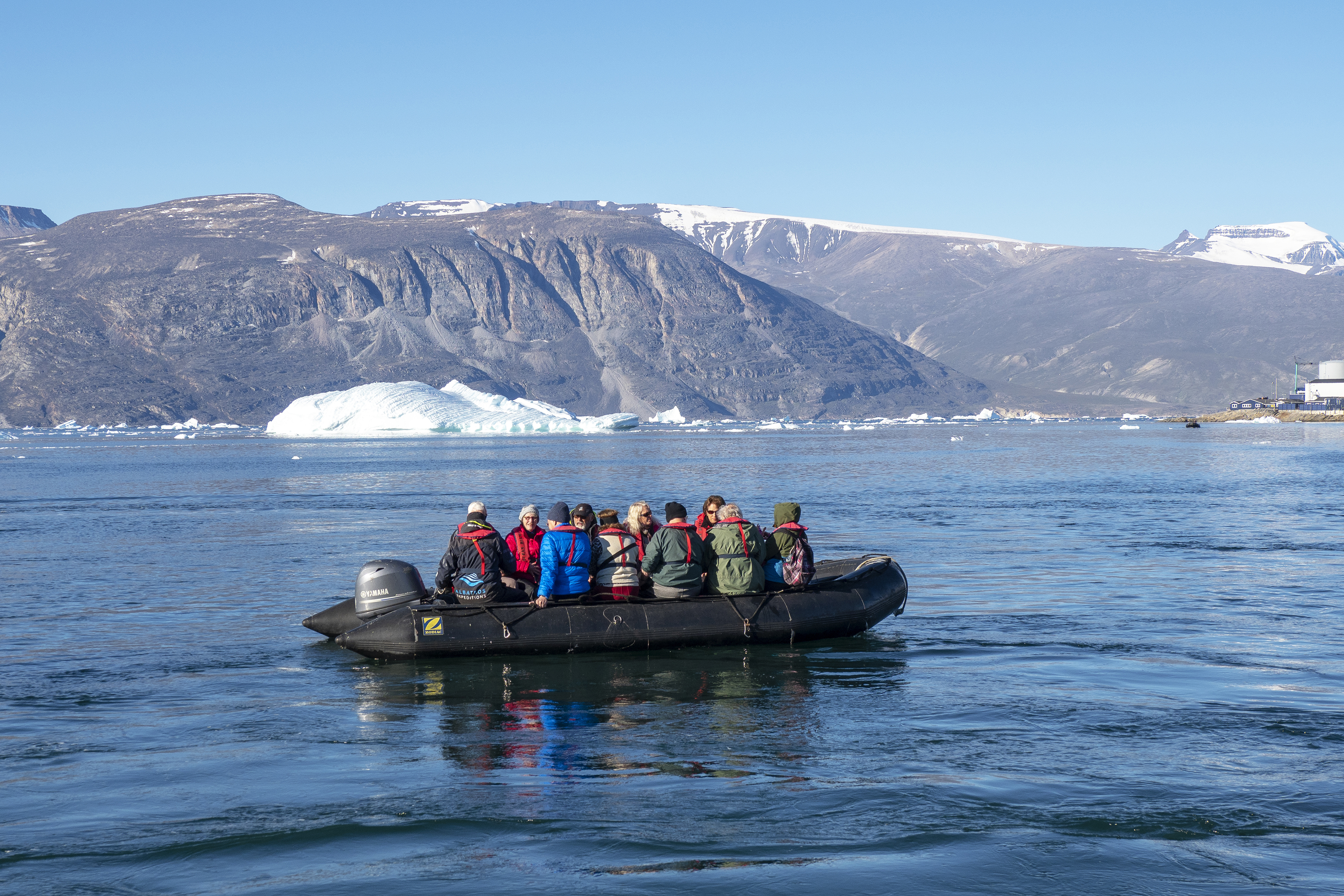
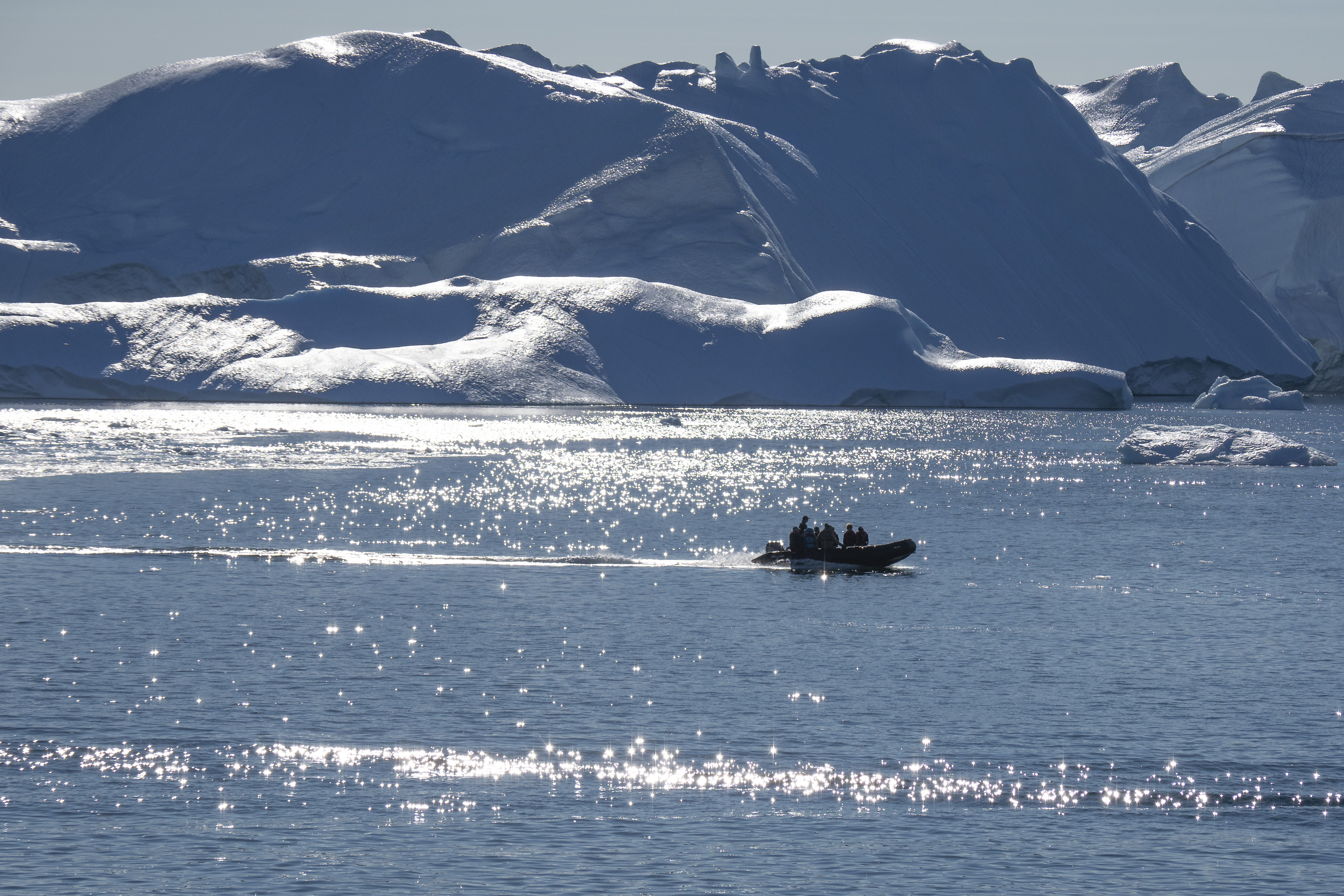


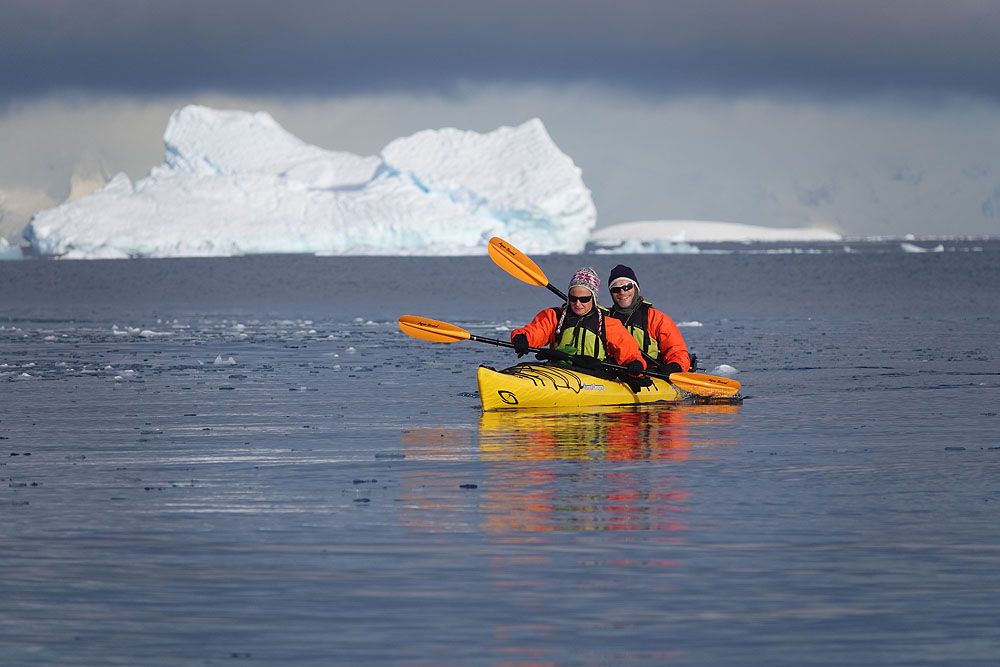


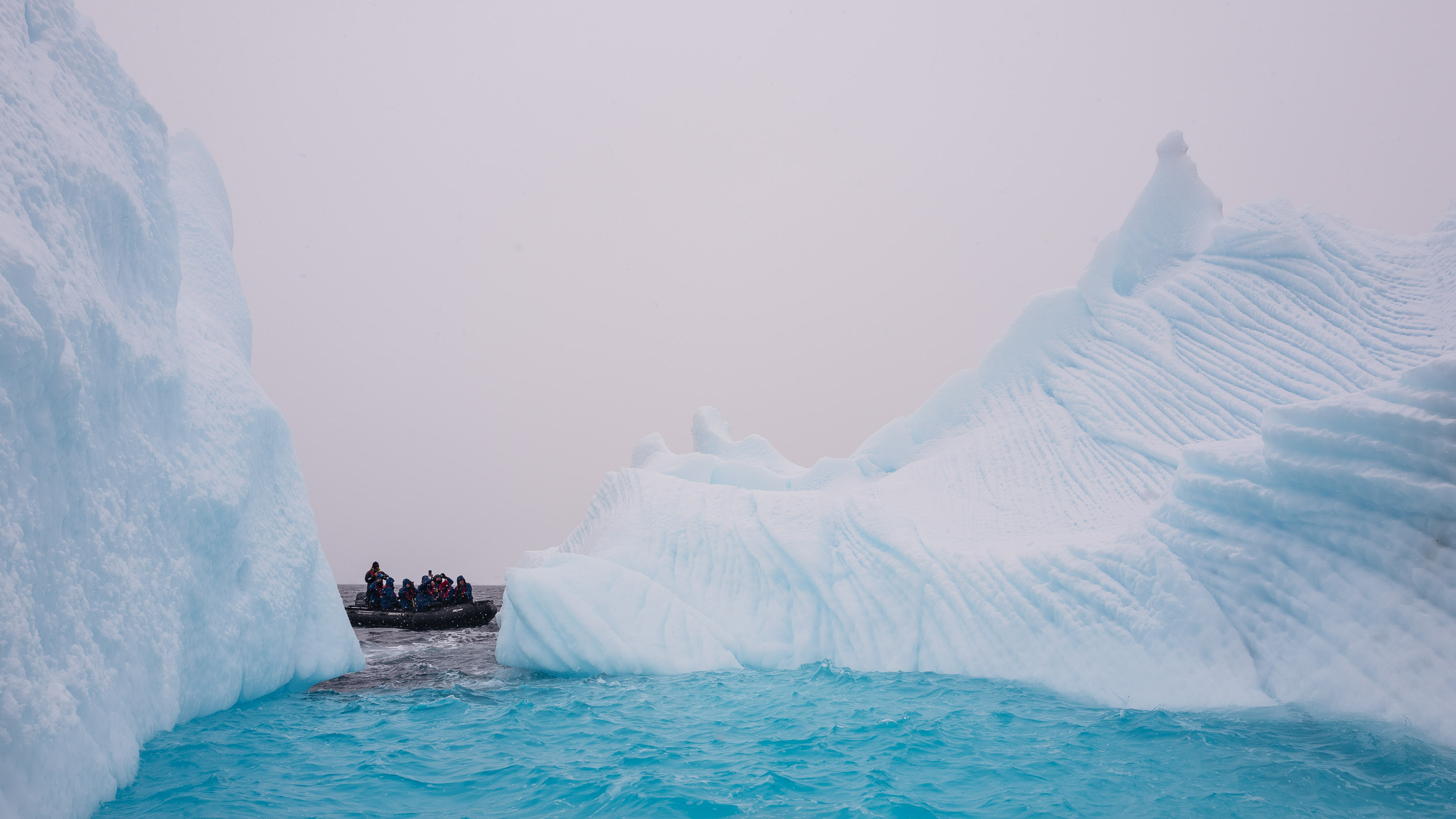
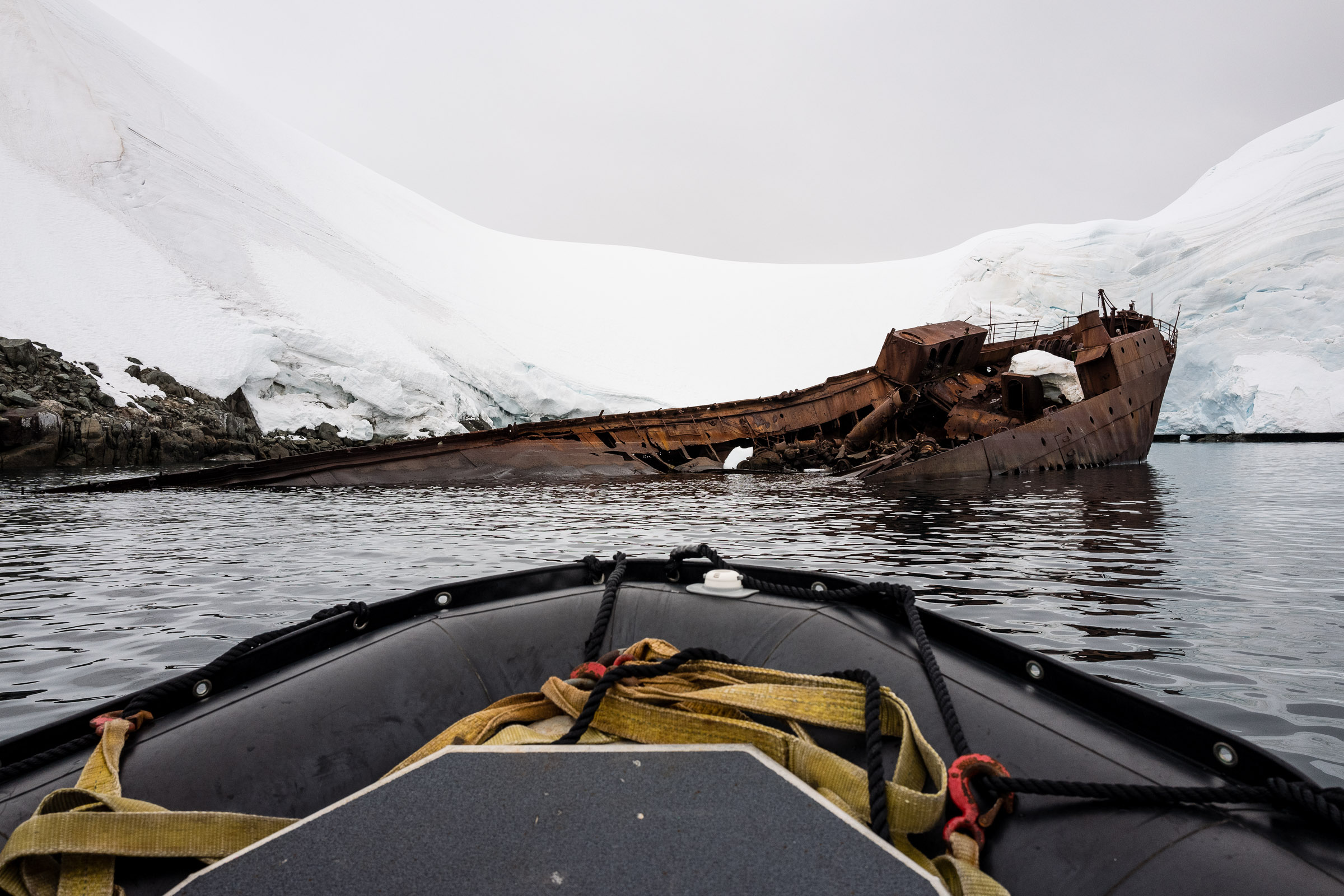
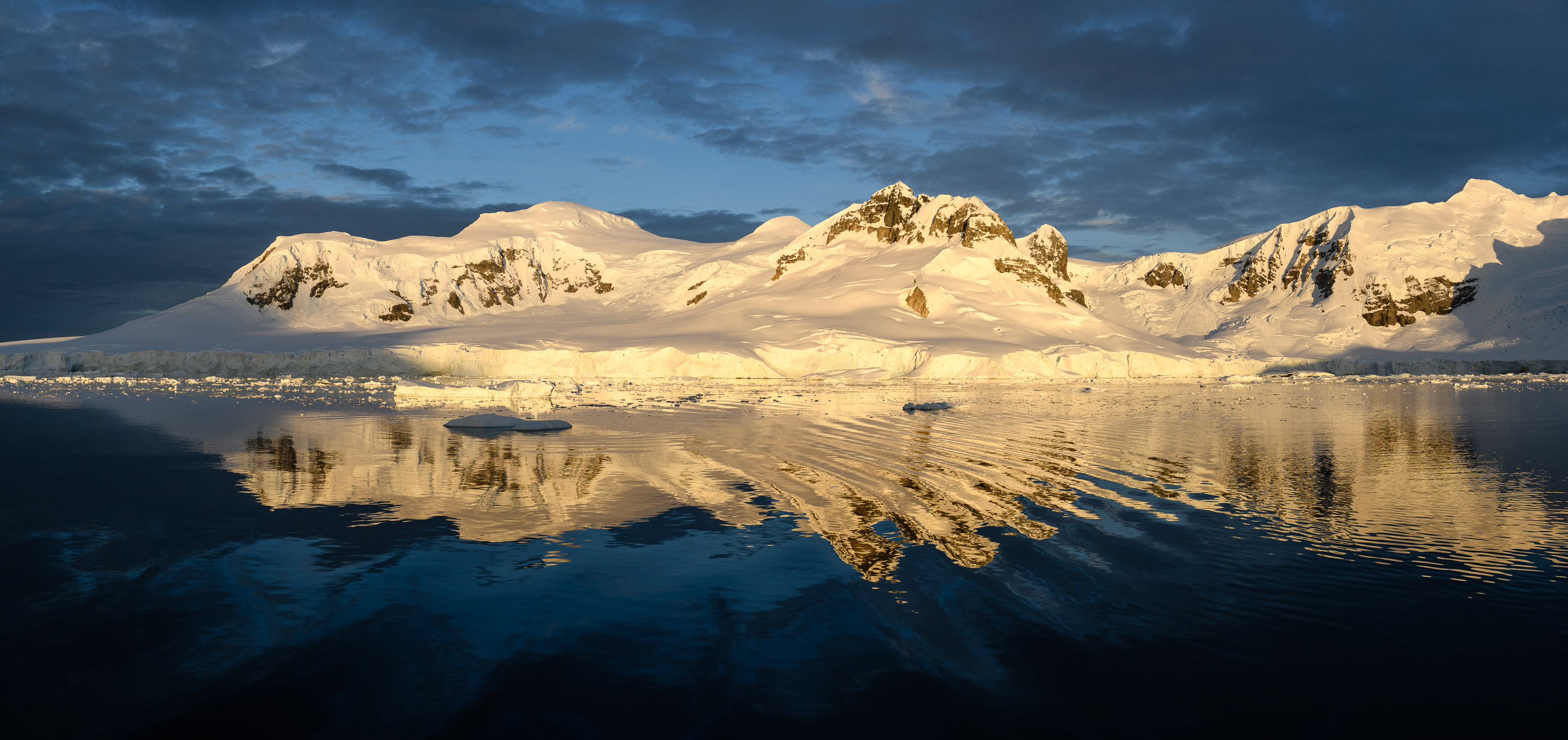


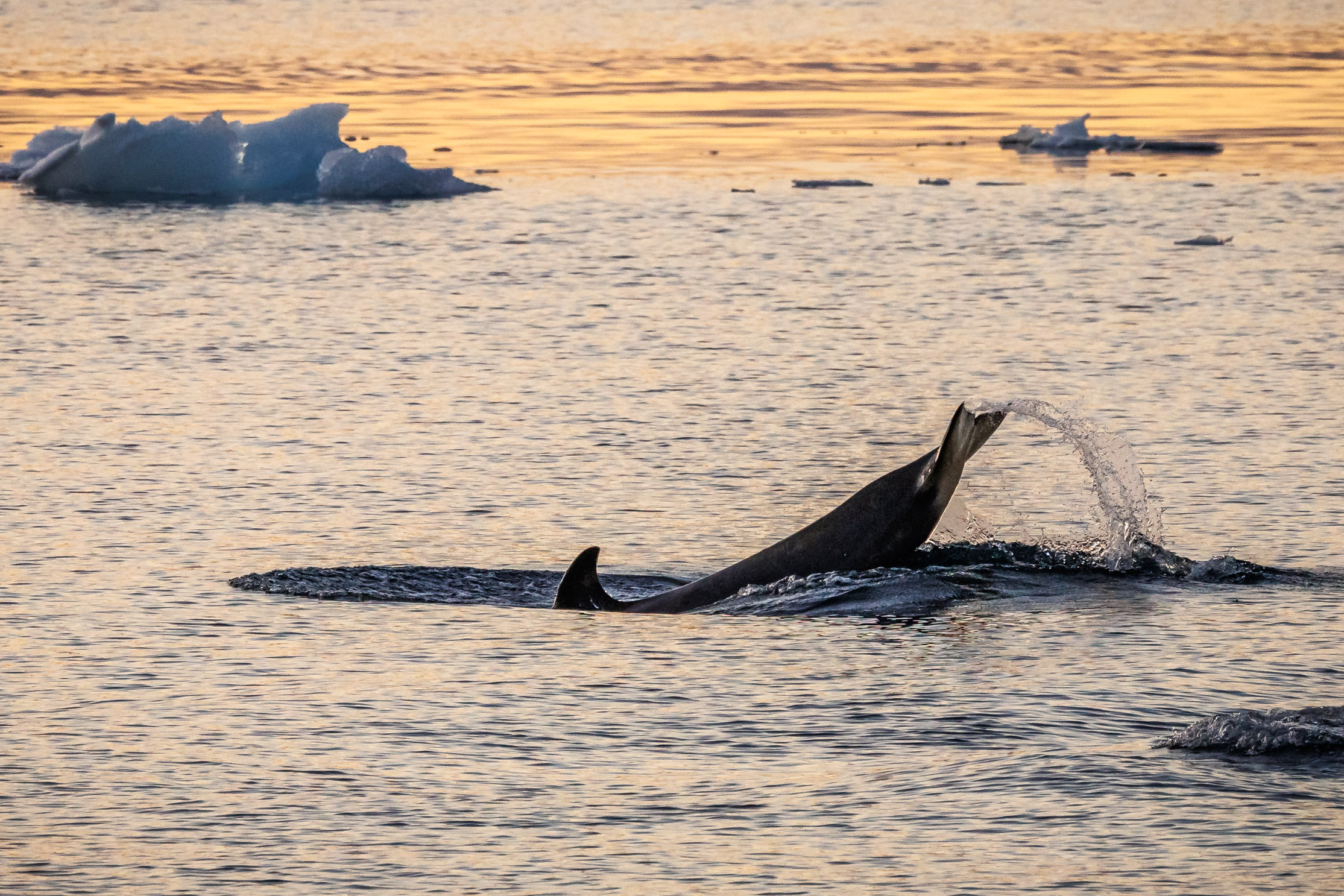


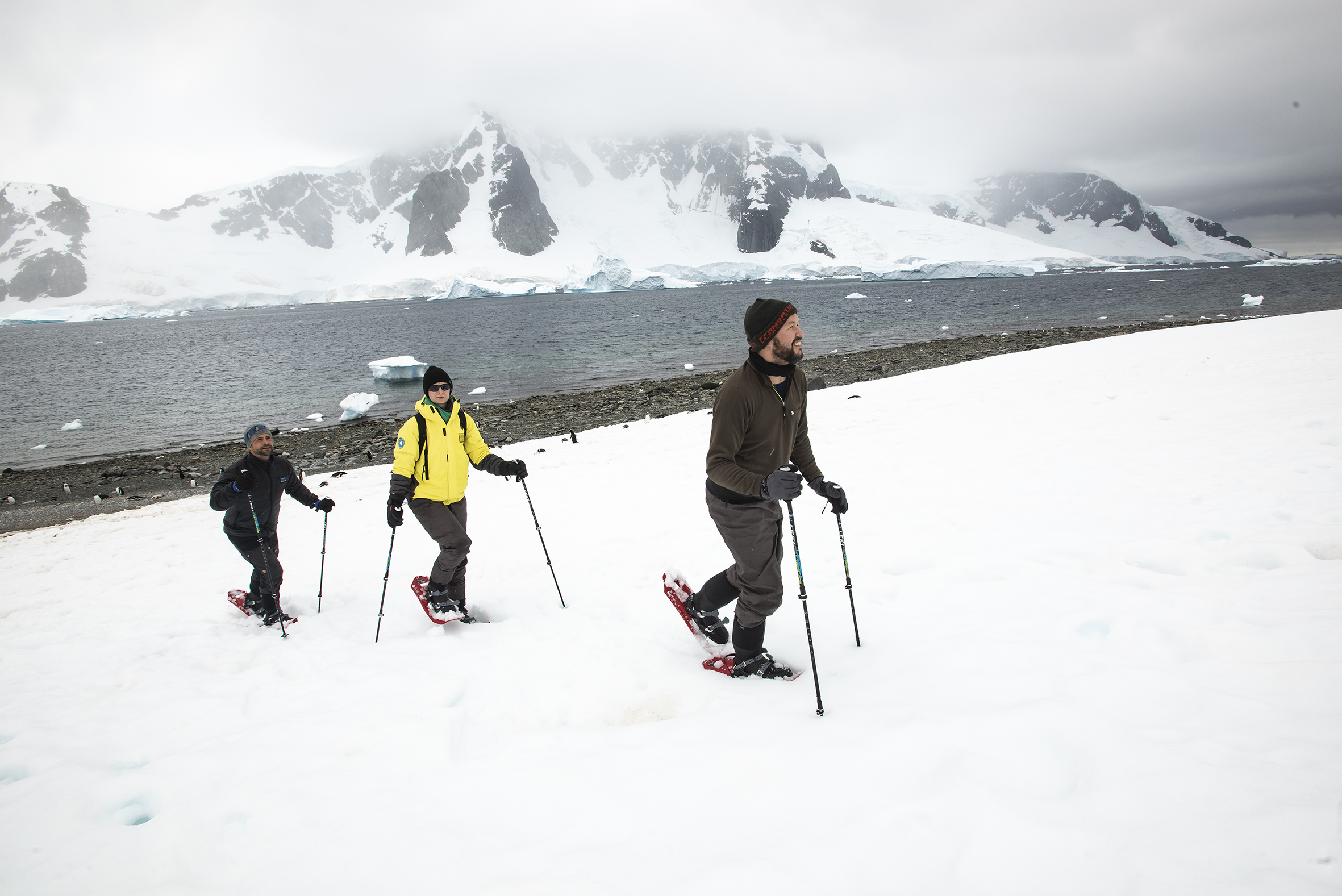


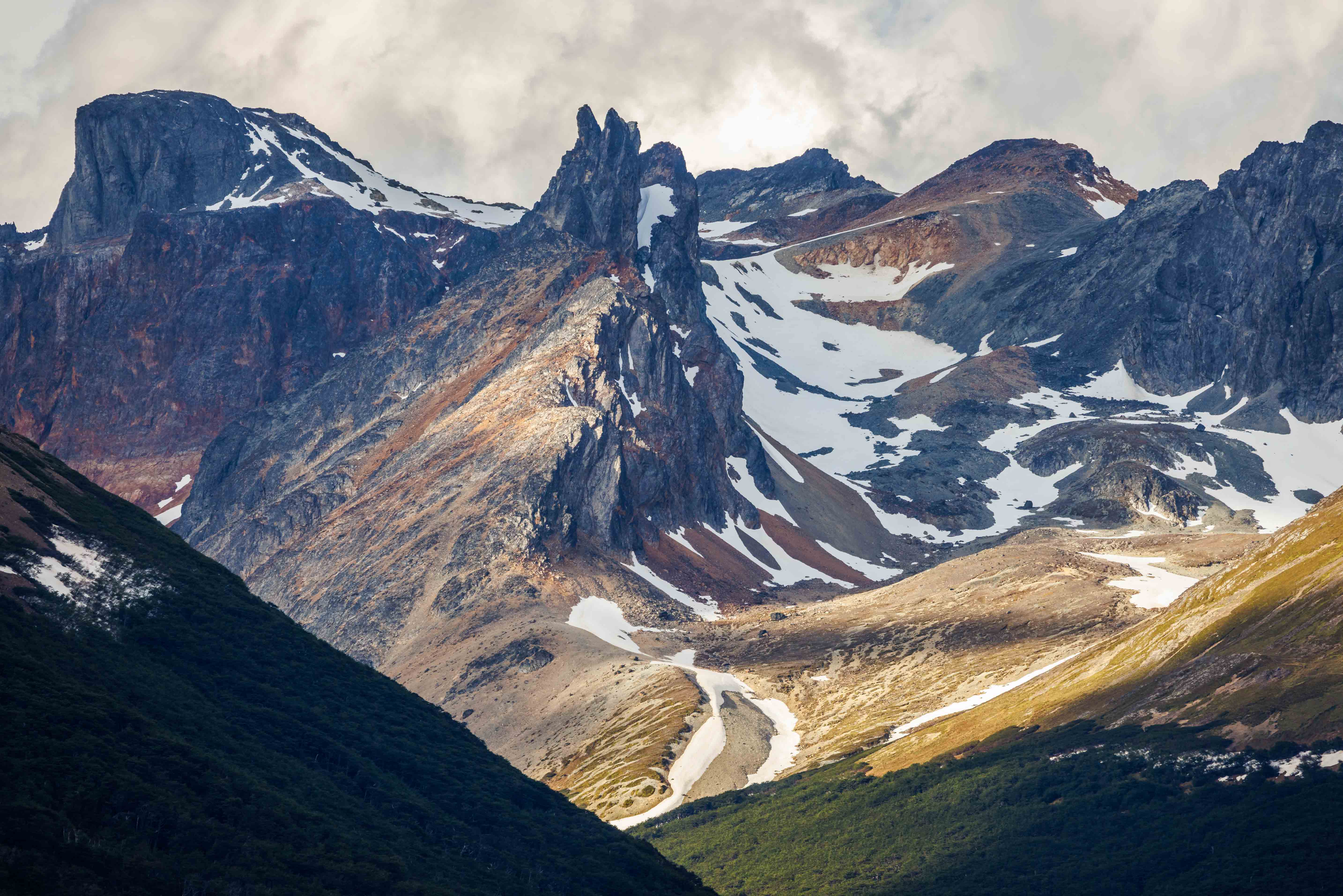


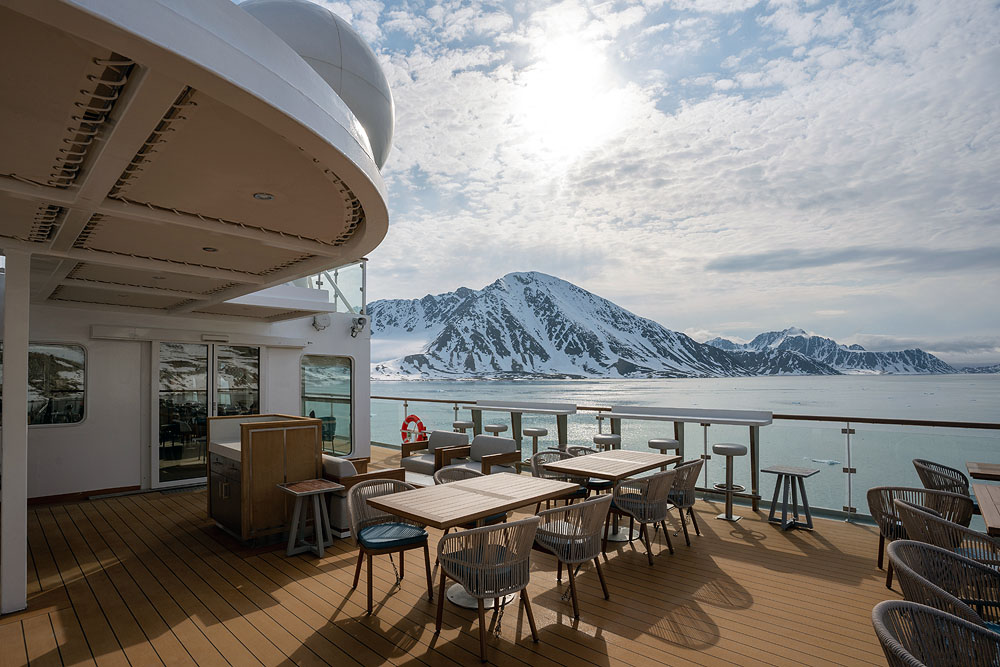
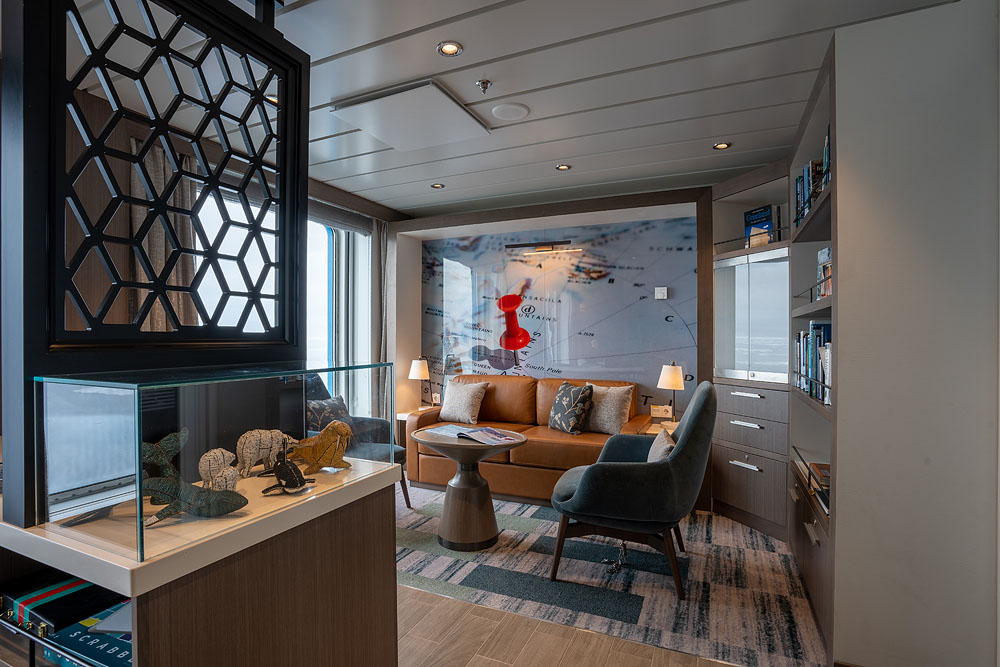
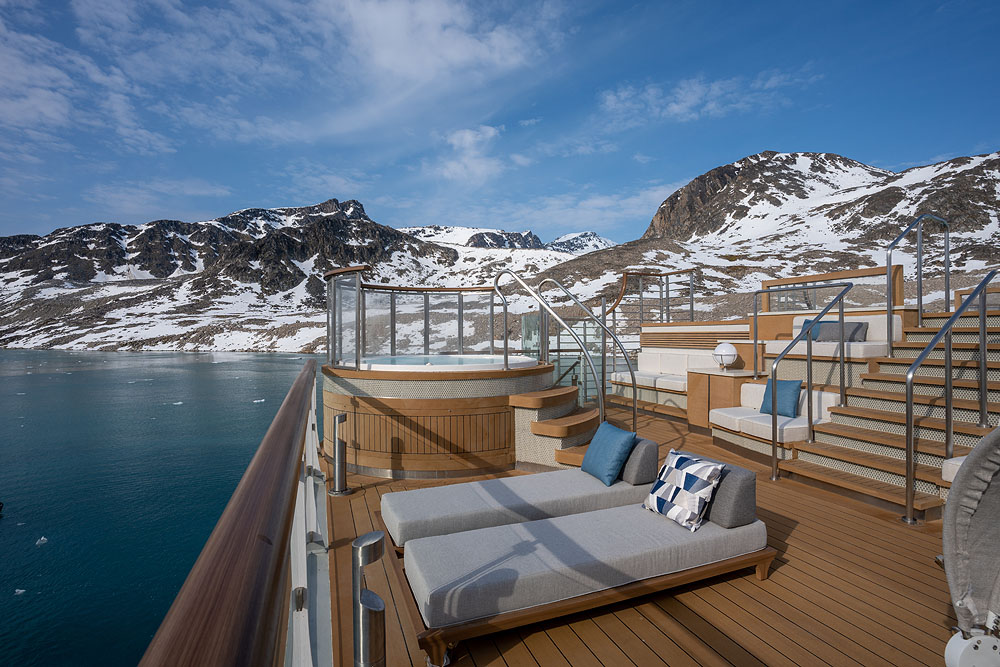
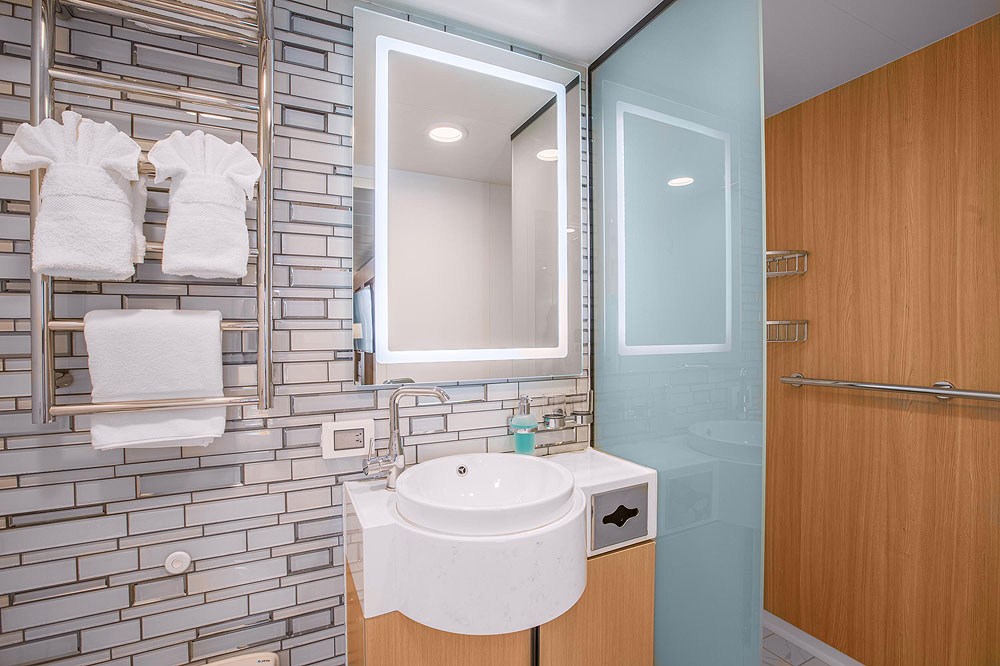
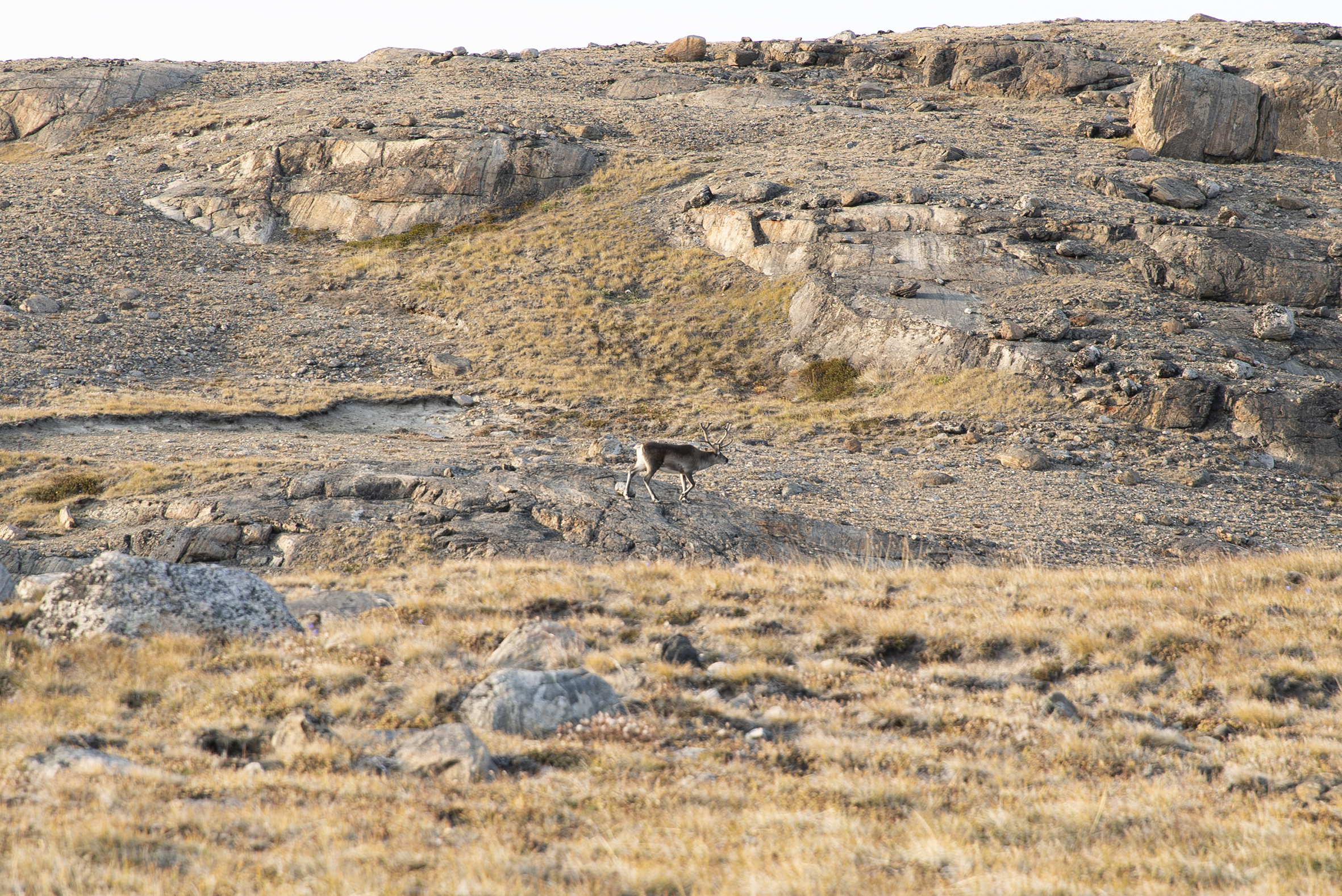
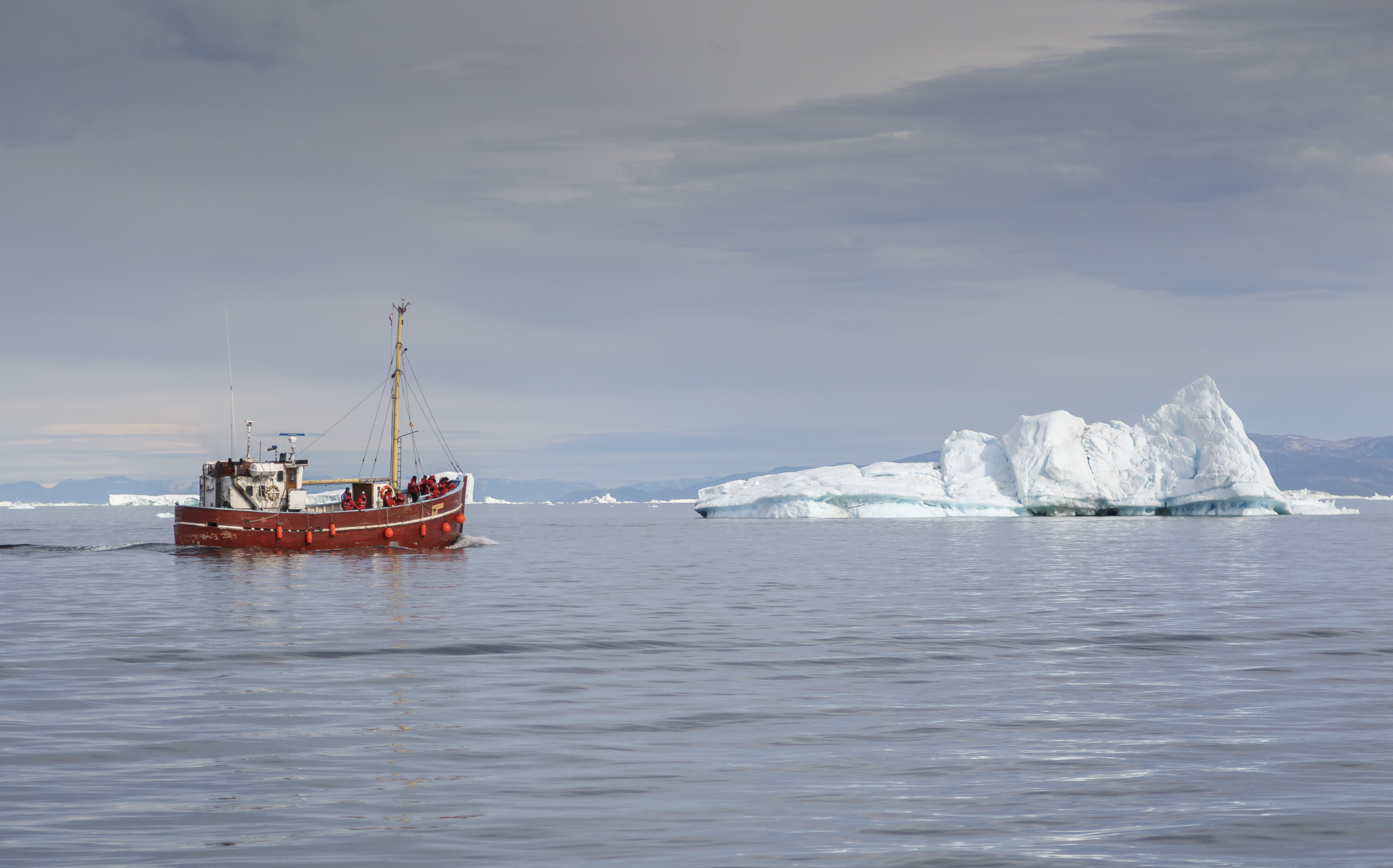
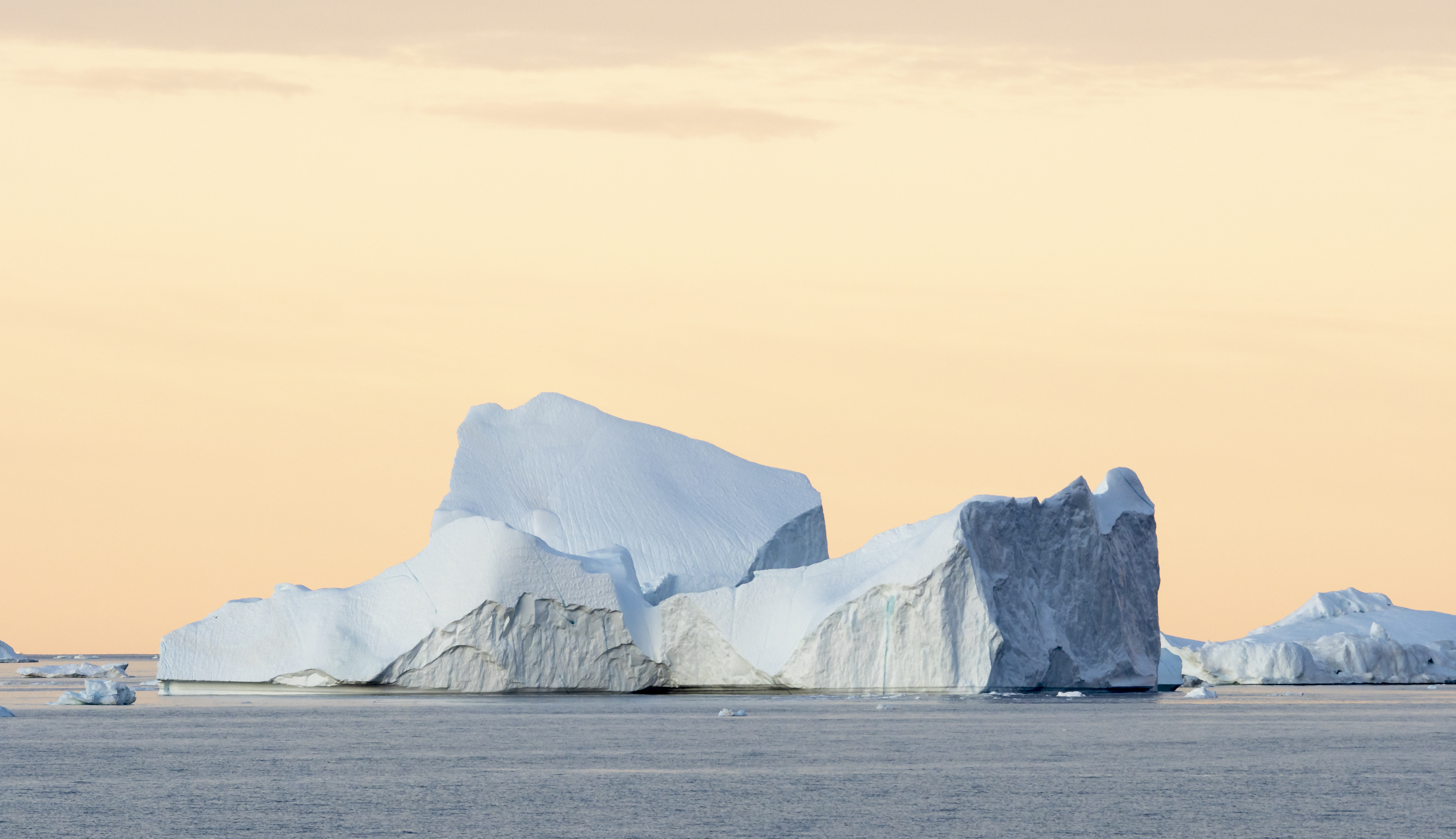
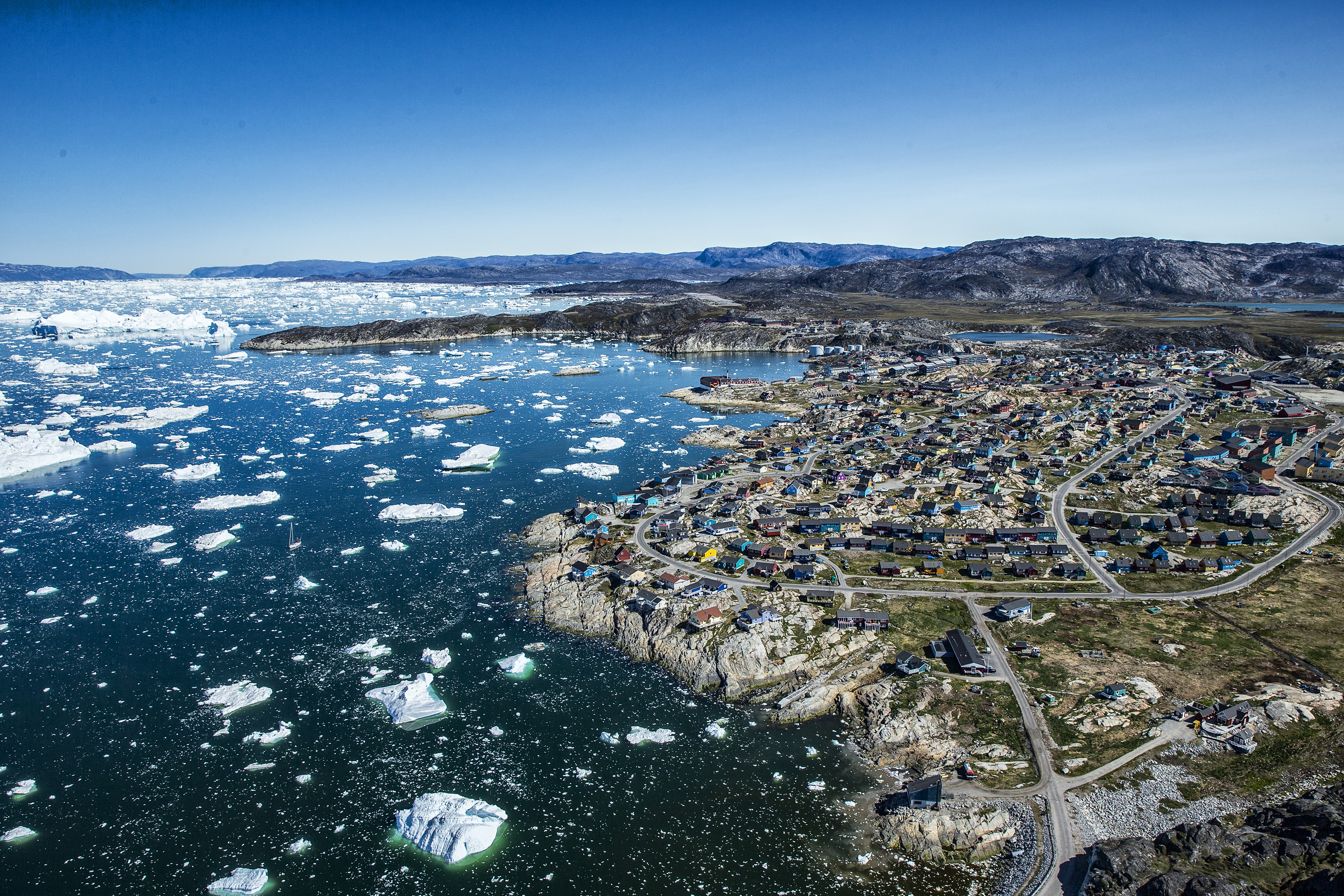
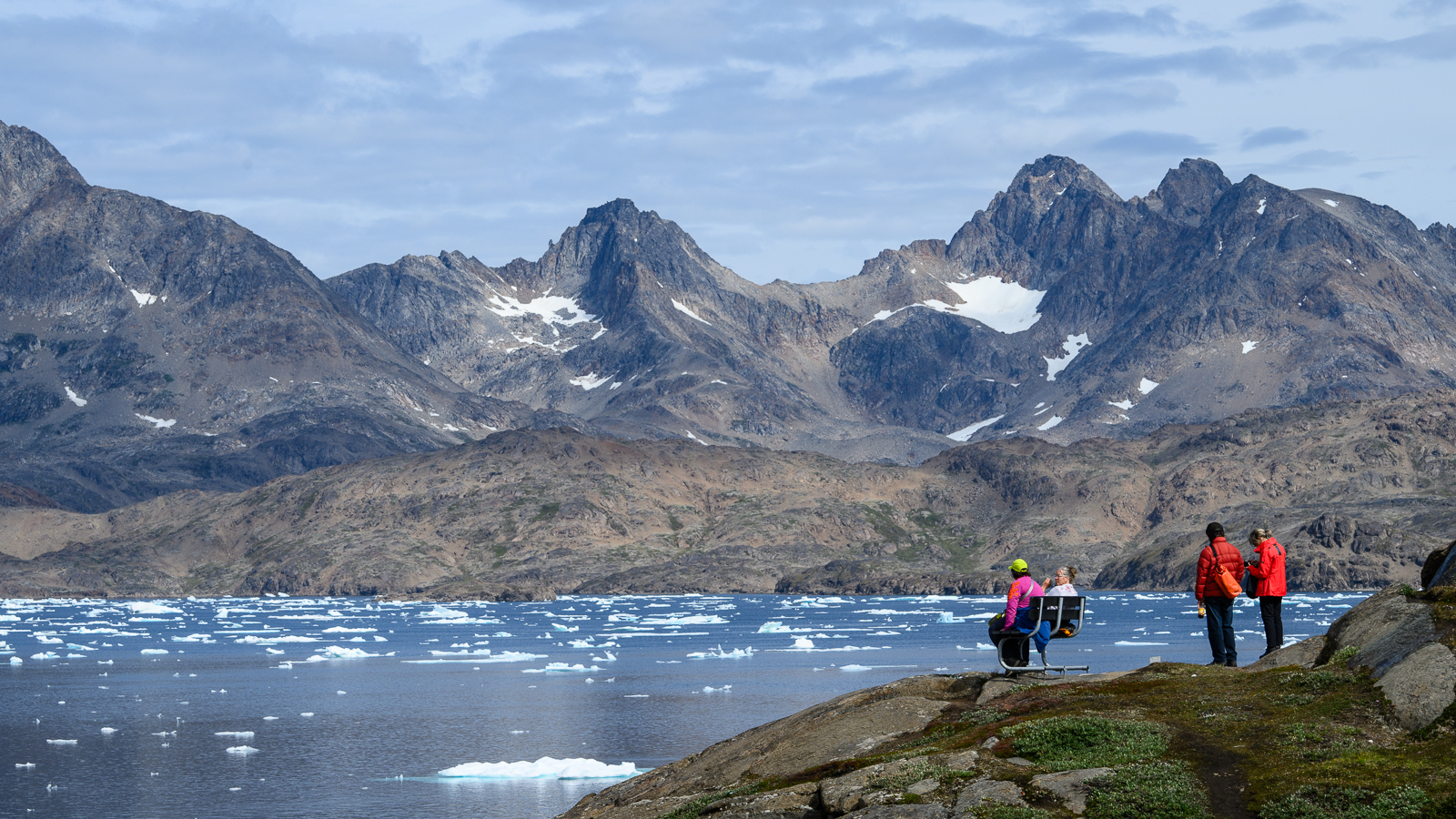
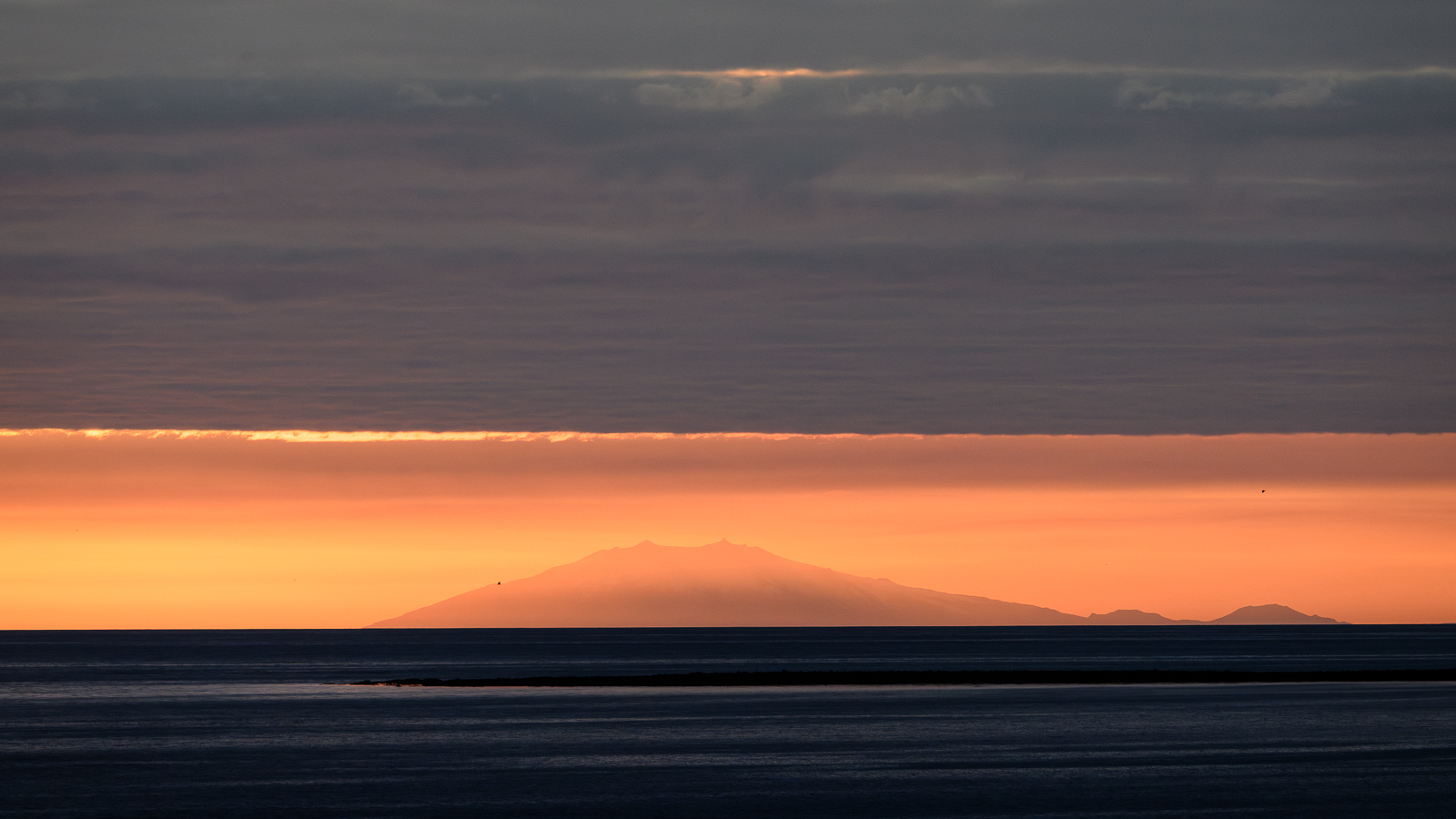
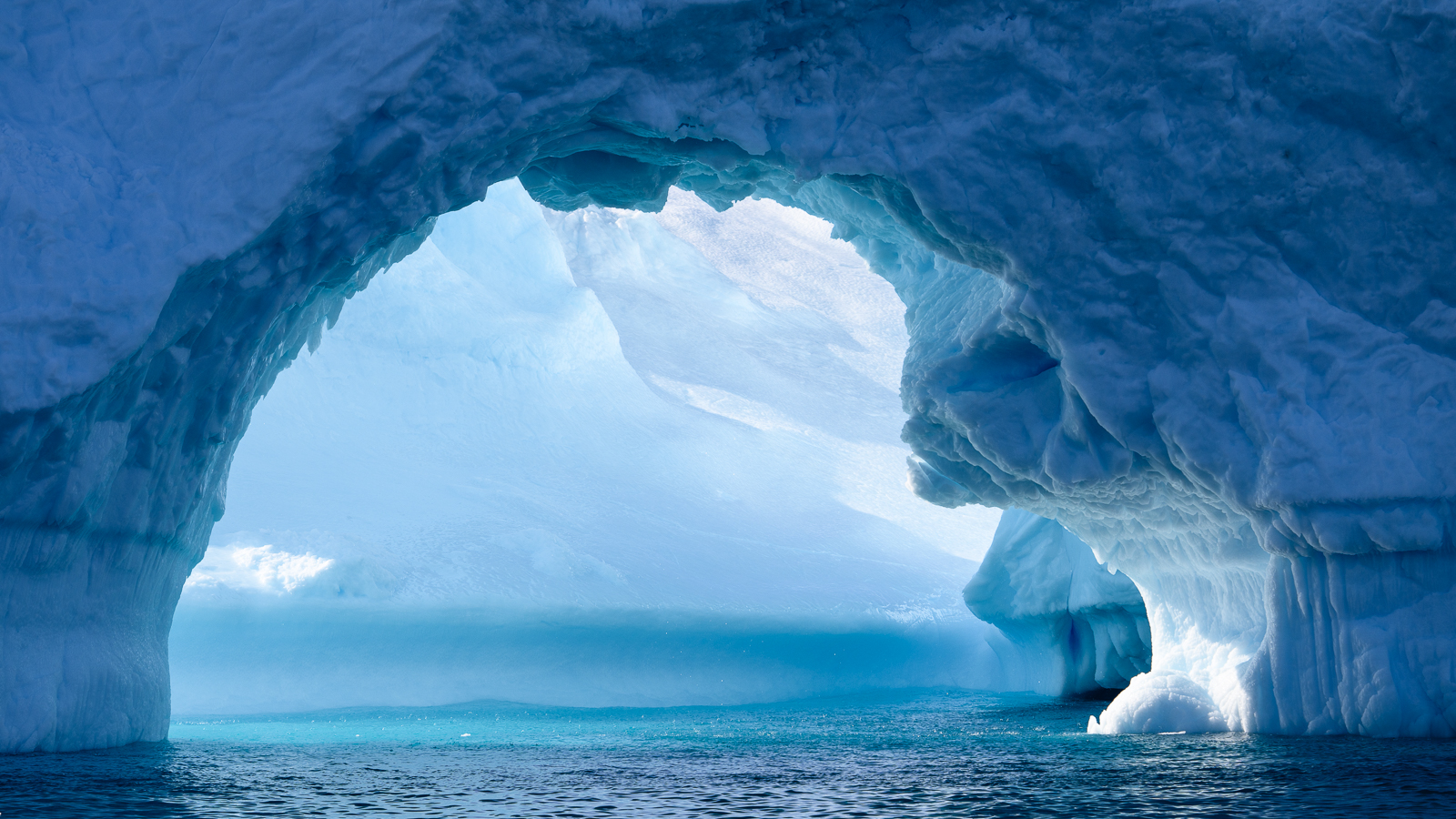
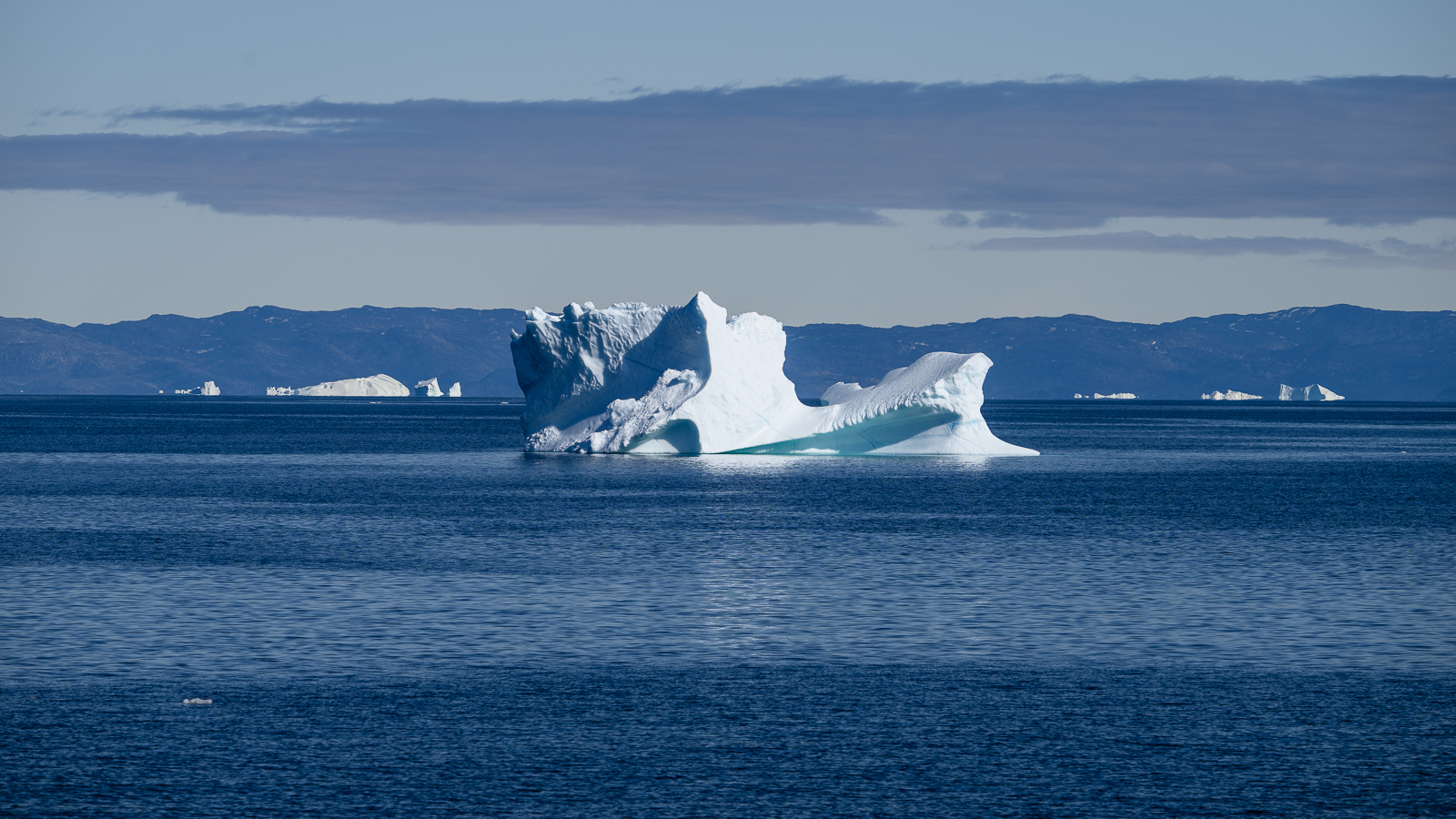
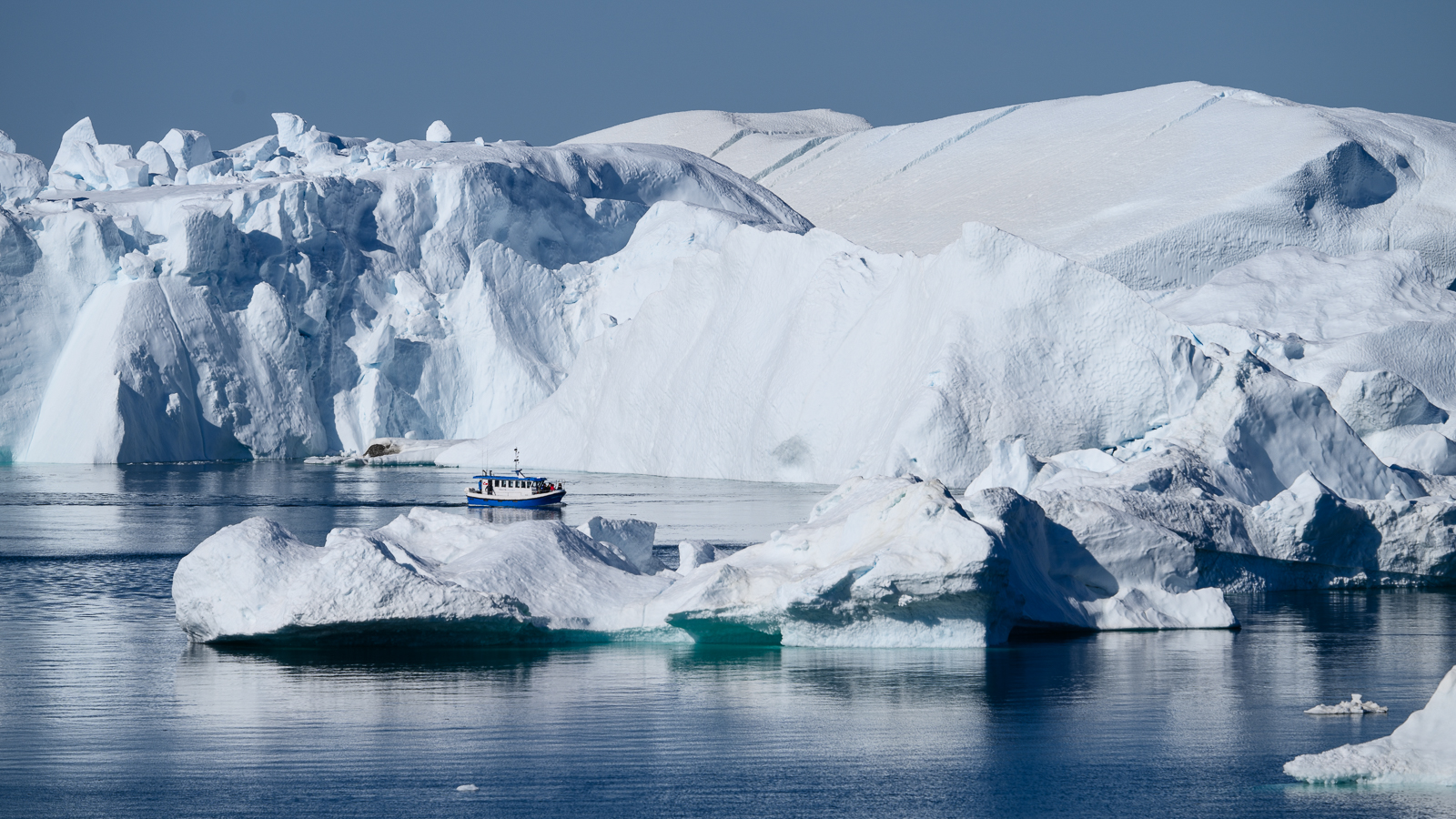
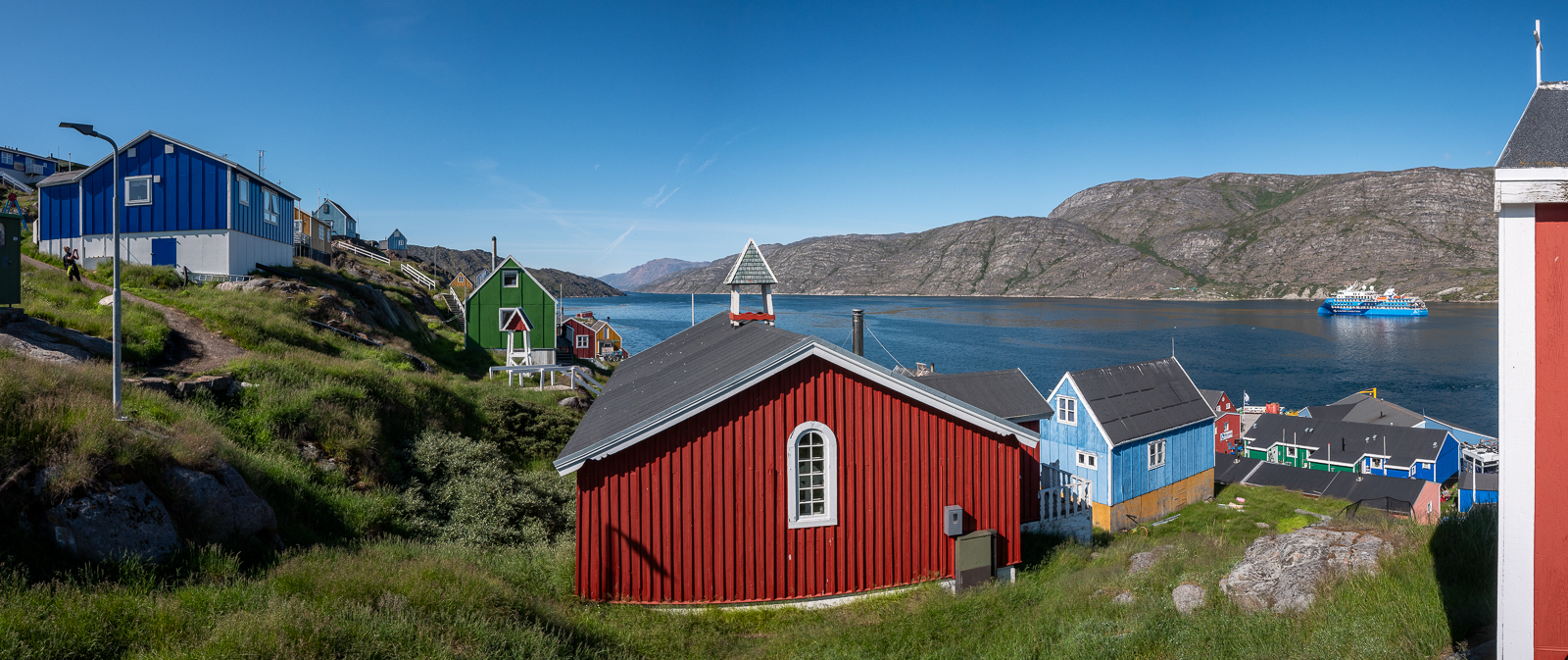
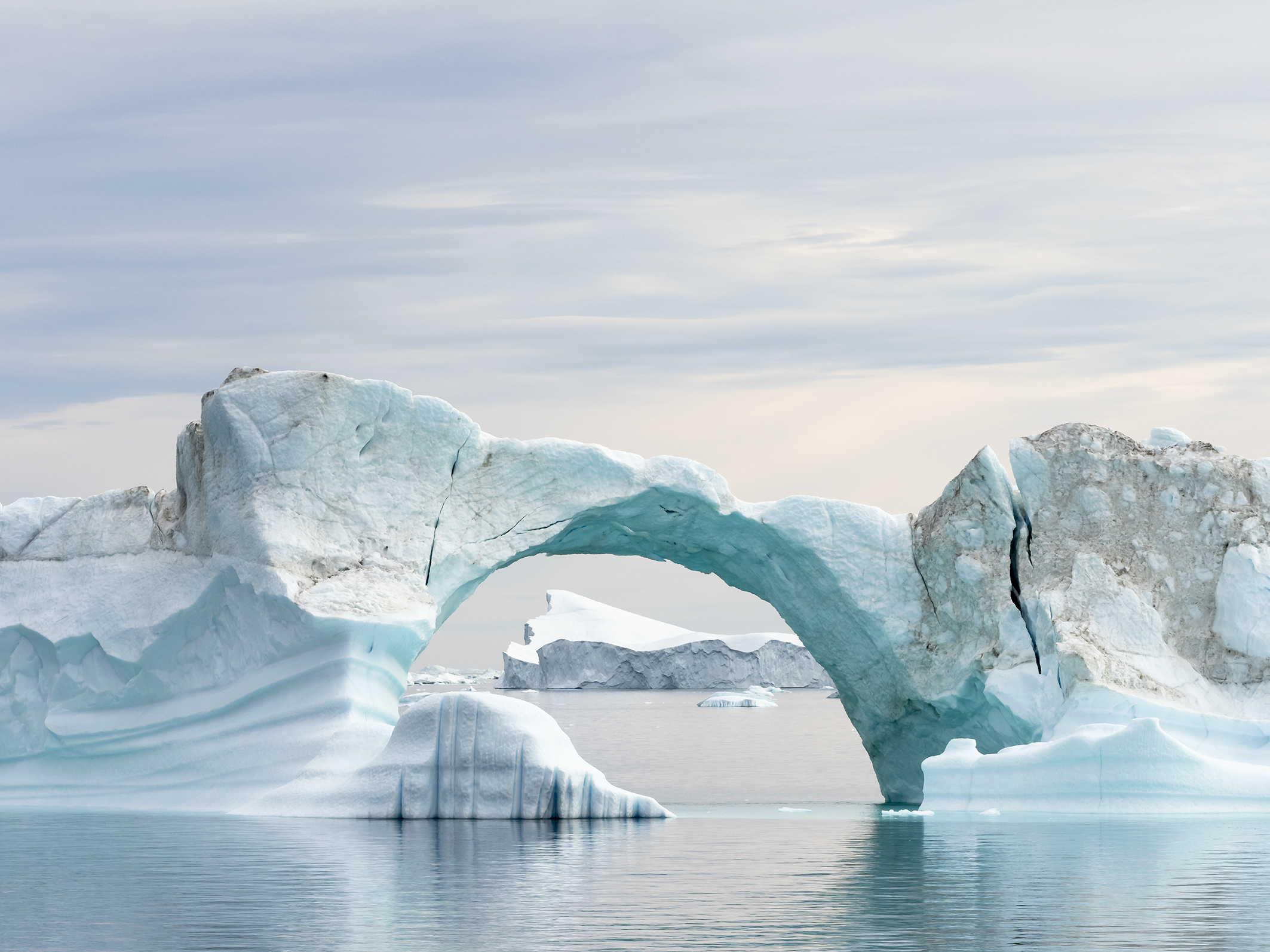
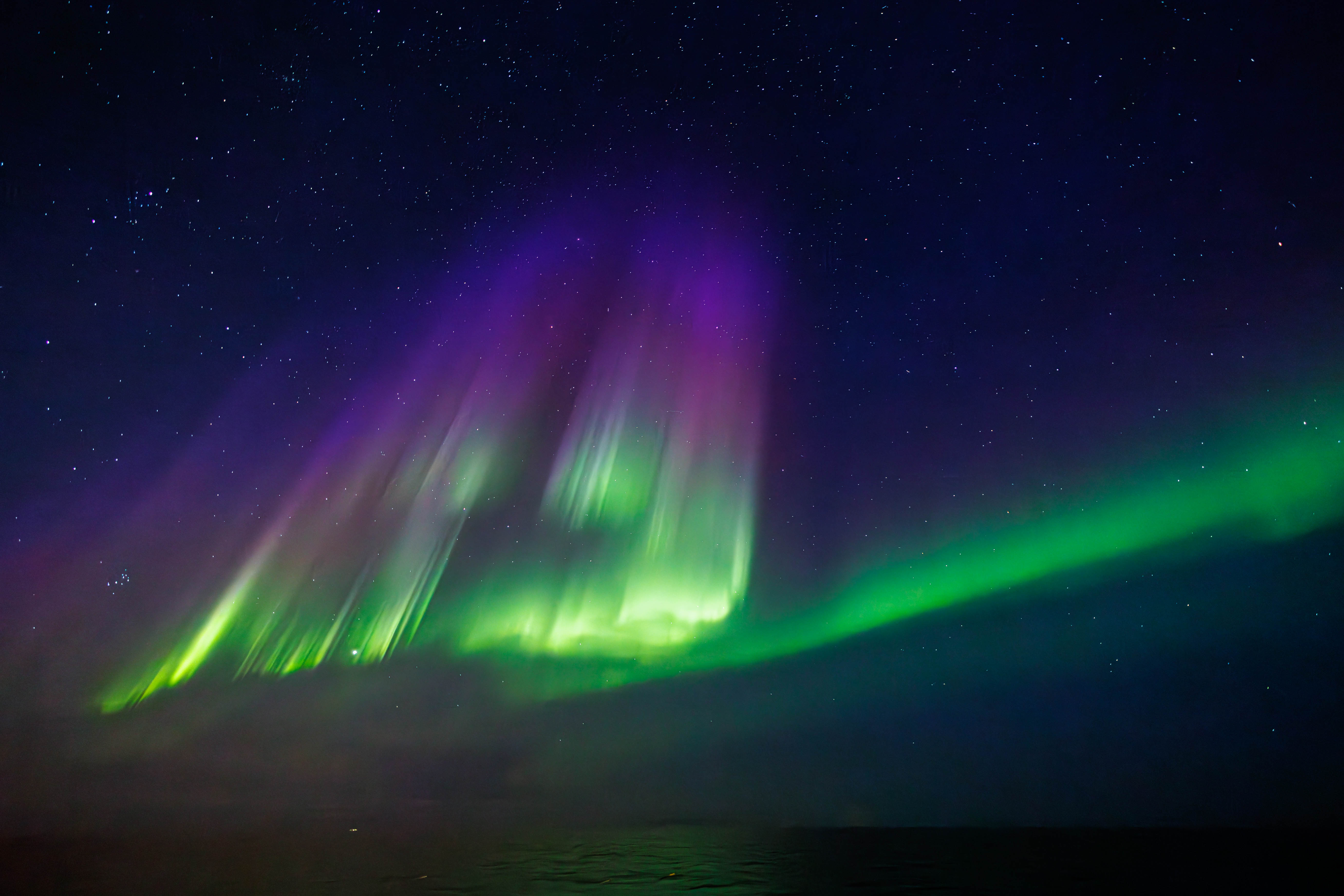
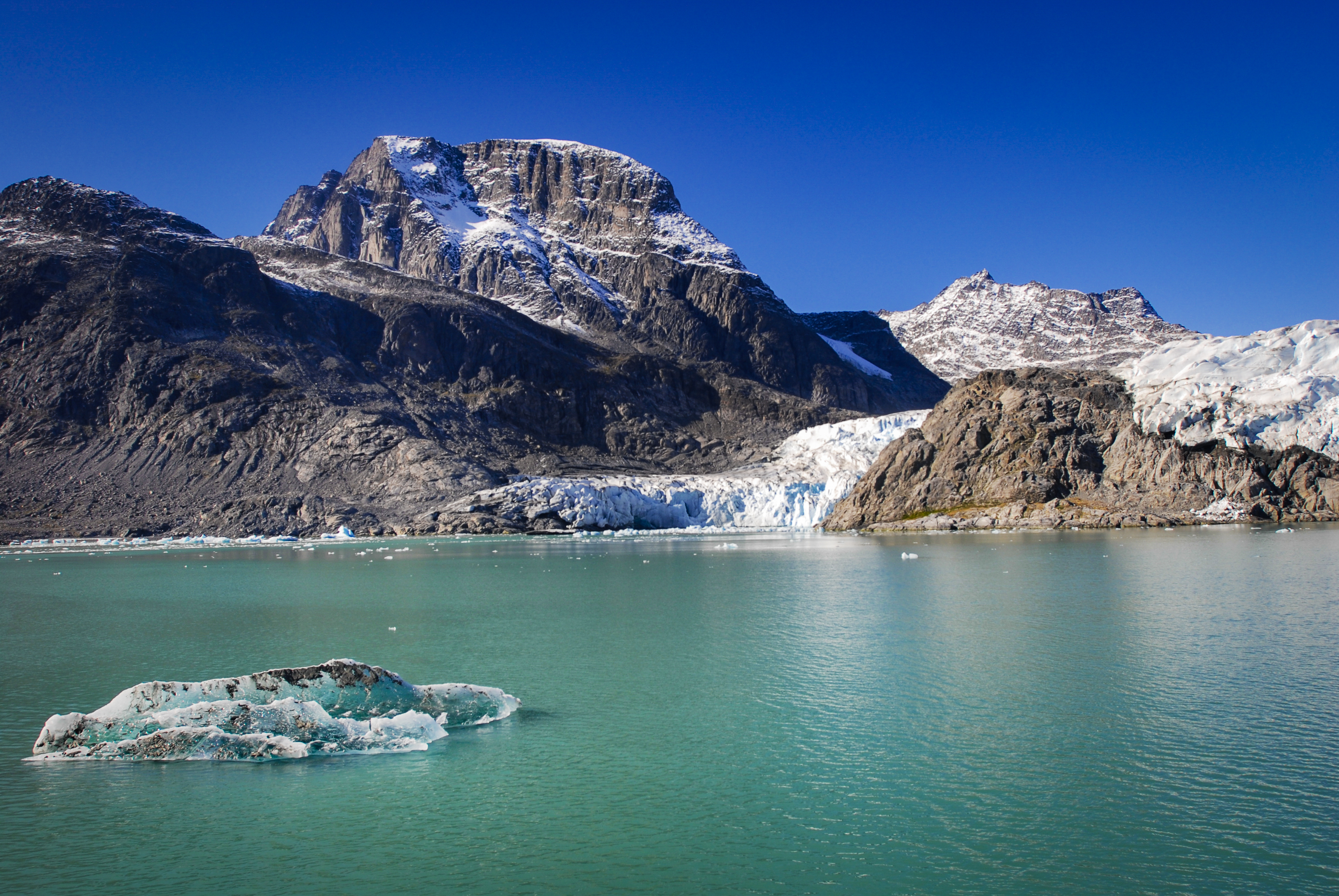
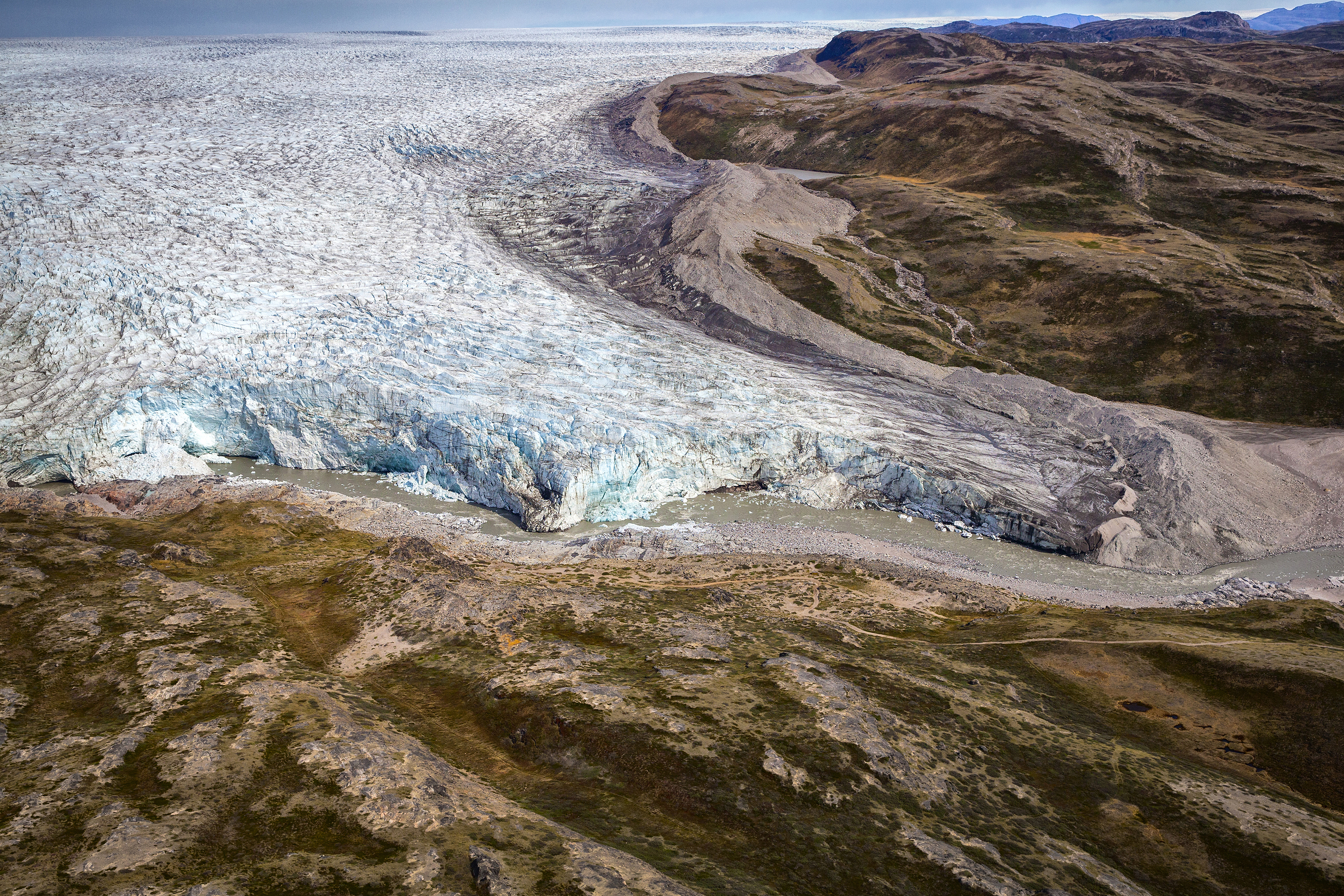
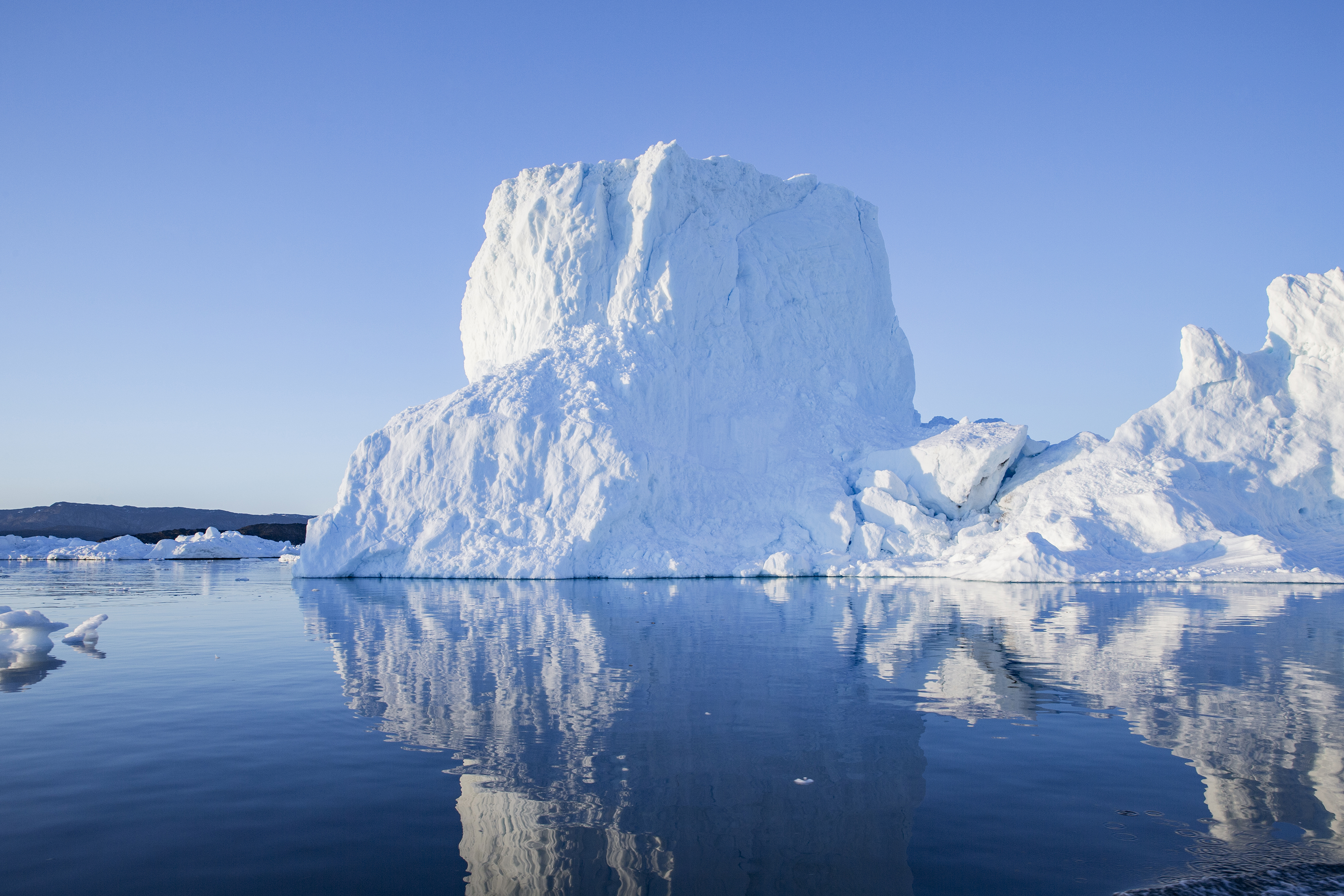
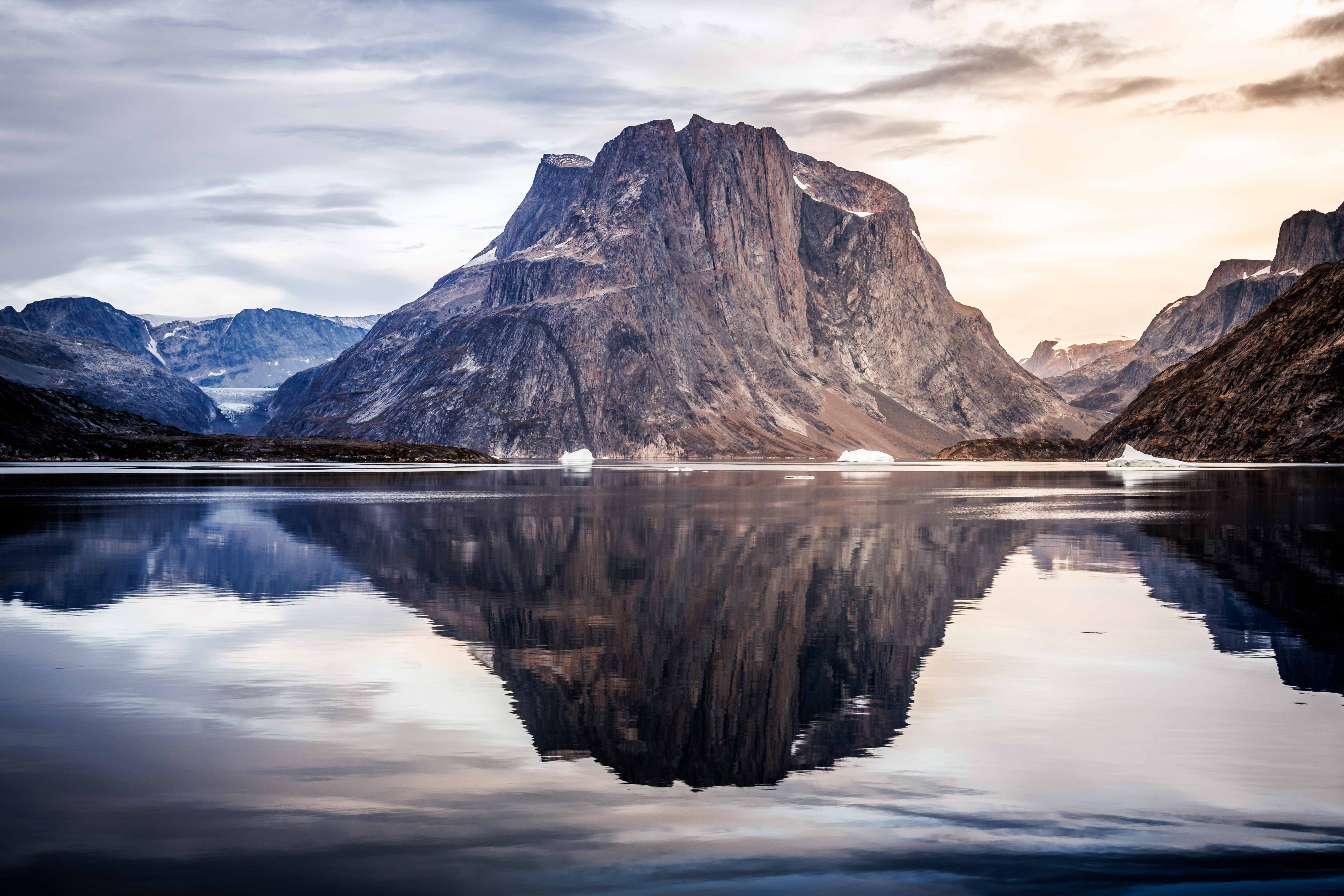
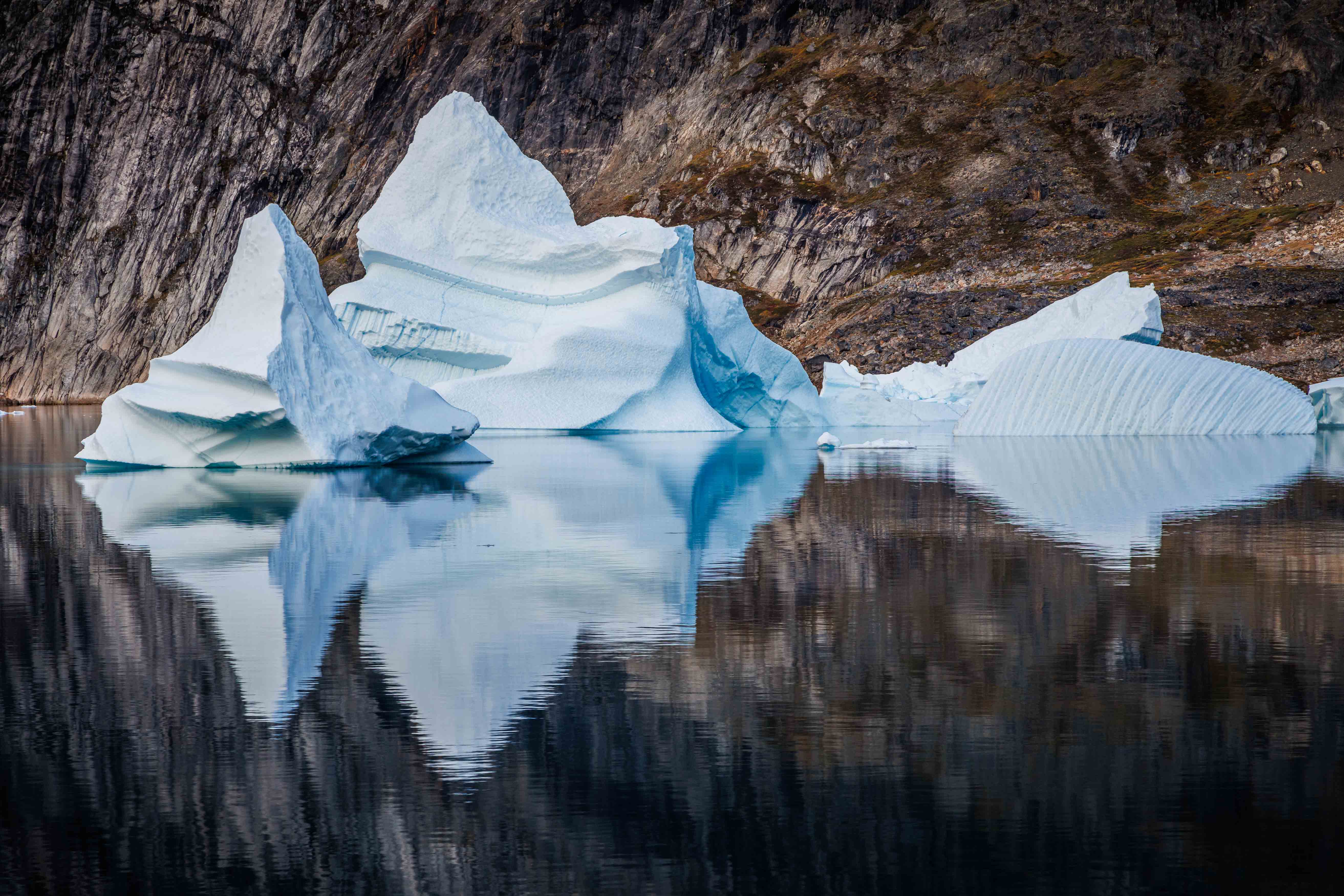
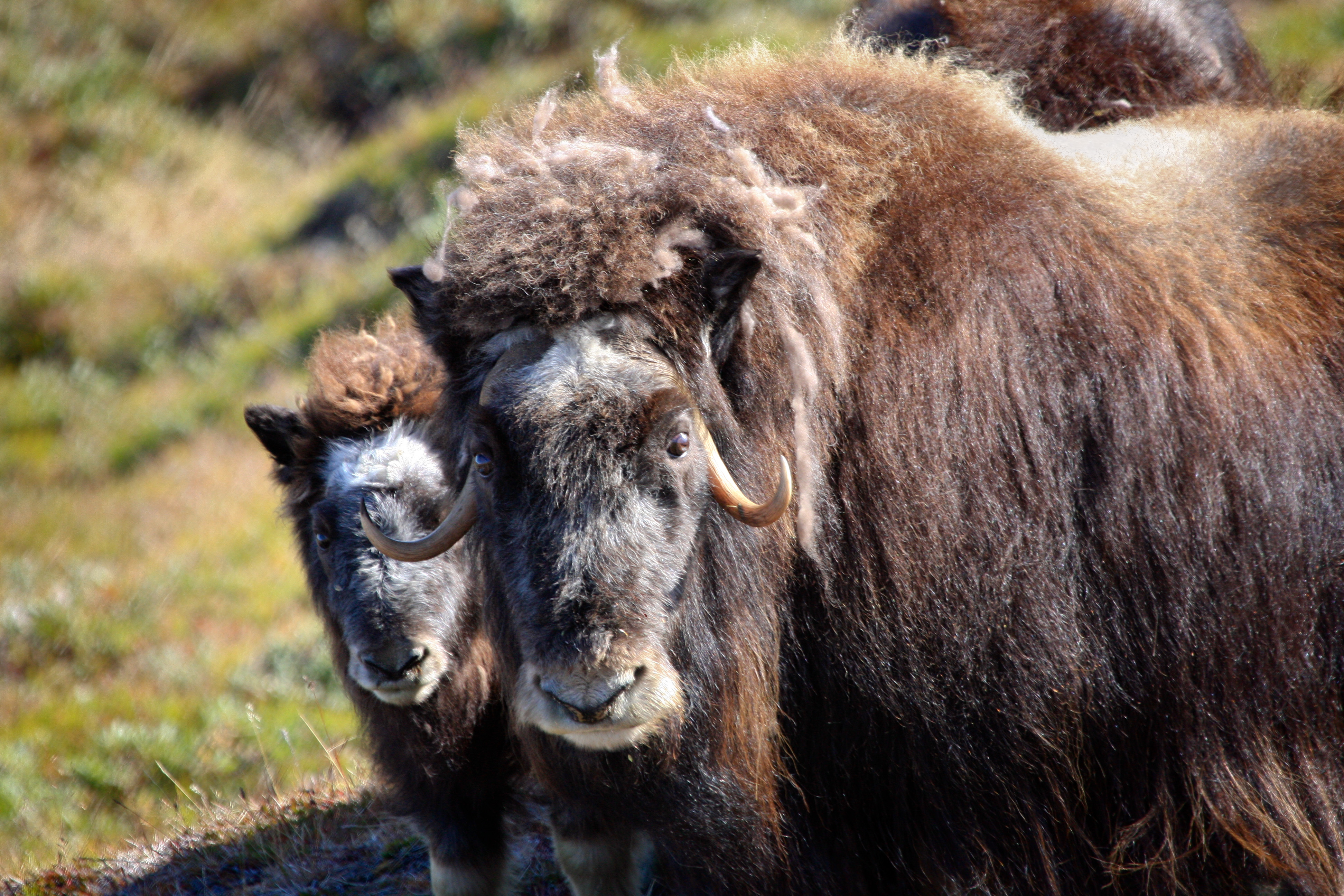
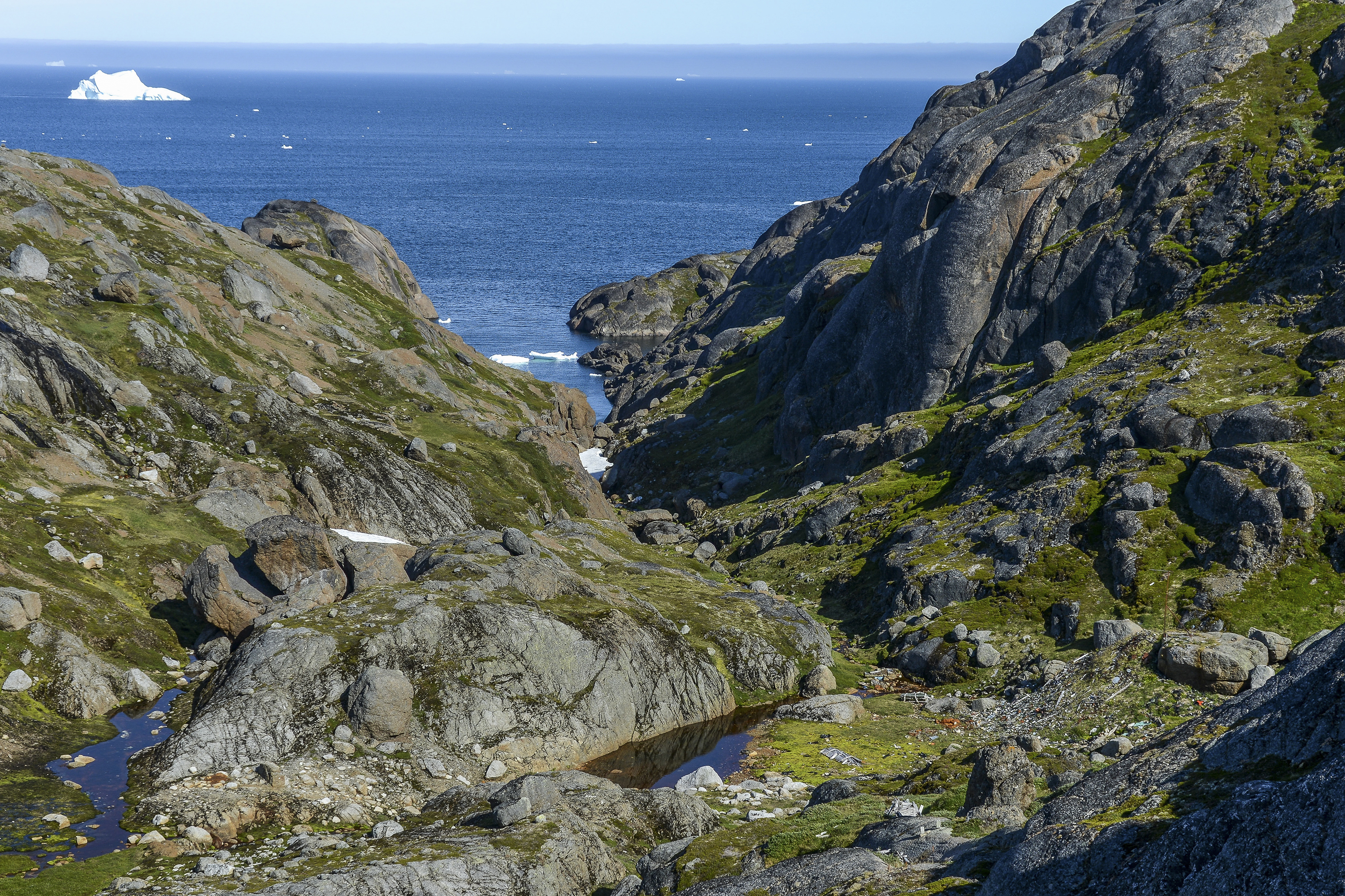
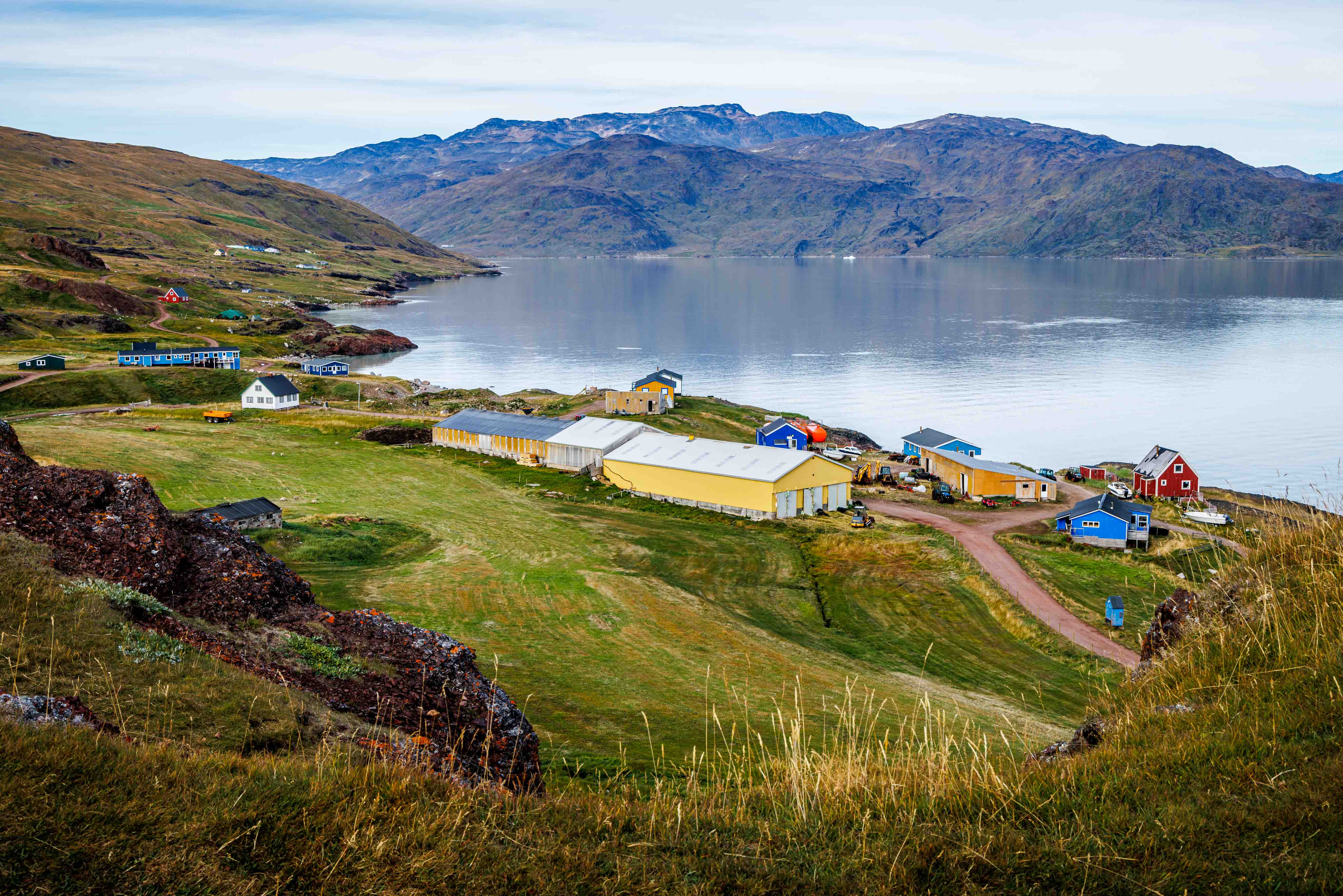
These pictures provide a general impression of our local partner and the surrounding area. Please note that selected tour may differ from these pictures.
All Reviews of Polar Latitudes
●●●●○ 4.0 of 5 Stars (12 Reviews) on Tripadvisor●●●●◐ 4.3 of 5 Stars (86 Reviews) on Google
Help us and submit a new review
Please select between 1 to 5 to review the operator* ○○○○○
Sun. 22.11.2026 - Thu. 03.12.2026
12 days
Available on request
12 days
Available on request
from €10.165,-
15% Advantage
15% Advantage

Available on request
from €10.165,-
€11.960,-
15% Advantage
15% Advantage
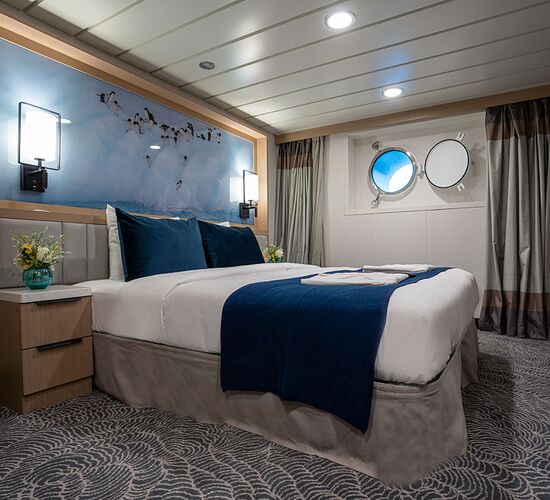
Deck: 3 & 4 13m² Twin Beds Unobstructed Porthole

Available on request
from €10.250,-
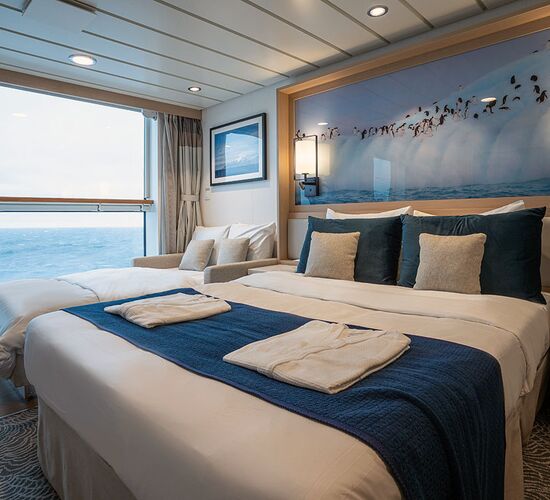
Deck: 3 18m² Triple Occupancy Unobstructed Porthole
Available on request
from €10.700,-
€12.590,-
15% Advantage
15% Advantage
Deck: 7 14m² Twin Beds French Balcony

Available on request
from €11.235,-
€13.220,-
15% Advantage
15% Advantage
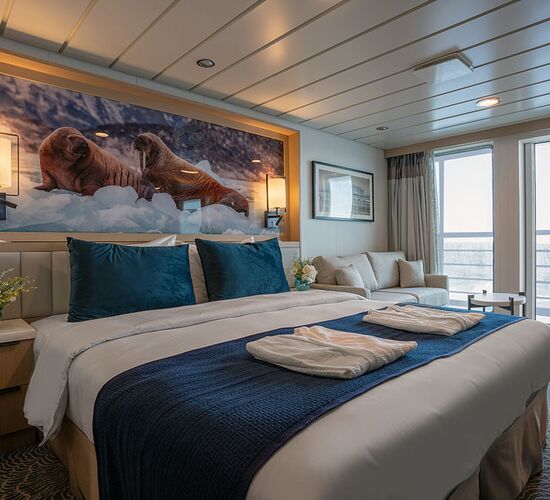
Deck: 4 & 6 18m² Twin Beds Private Balcony
Available on request
from €11.545,-
€13.580,-
15% Advantage
15% Advantage
Deck: 4 & 6 22m² Twin Beds Private Balcony

Available on request
from €12.155,-
€14.300,-
15% Advantage
15% Advantage
Deck: 4 25m² Twin Beds Private Balcony

Available on request
from €13.300,-
€15.650,-
15% Advantage
15% Advantage
Deck: 6 30m² Twin Beds Large Balcony

Available on request
from €13.915,-
€16.365,-
15% Advantage
15% Advantage
Deck: 7 36m² Triple Occupancy Private Balcony
Available on request
from €15.290,-
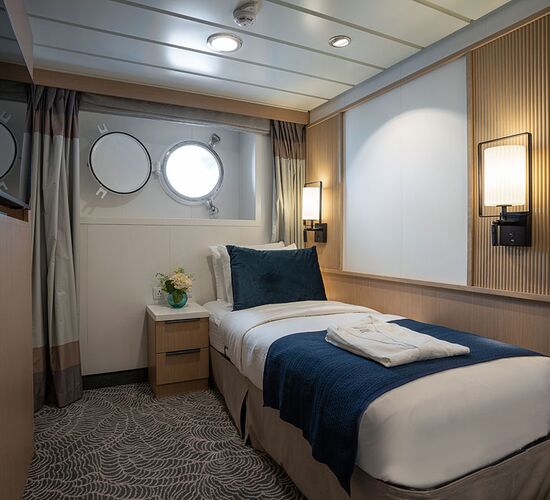
Deck: 3 14m² Solo Cabin Unobstructed Porthole

Available on request
from €16.205,-
€19.065,-
15% Advantage
15% Advantage
Deck: 4 42m² Triple Occupancy Private Balcony

Available on request
from €19.645,-
€23.115,-
15% Advantage
15% Advantage
Deck: 7 50m² Shared Occupancy Family Panoramic Window
Wed. 02.12.2026 - Sun. 13.12.2026
12 days
Available on request
12 days
Available on request
from €10.165,-
15% Advantage
15% Advantage
Available on request
from €10.250,-
Deck: 3 18m² Triple Occupancy Unobstructed Porthole
Available on request
from €12.590,-
Deck: 7 14m² Twin Beds French Balcony
Available on request
from €13.220,-
Deck: 4 & 6 18m² Twin Beds Private Balcony
Available on request
from €16.365,-
Deck: 7 36m² Triple Occupancy Private Balcony
Tue. 08.12.2026 - Sat. 19.12.2026
12 days
Available on request
12 days
Available on request
from €10.390,-
€14.840,-
30% Advantage
30% Advantage
Deck: 4 18m² Twin Beds Panoramic Window
Sat. 12.12.2026 - Wed. 23.12.2026
12 days
Available on request
12 days
Available on request
from €11.240,-
15% Advantage
15% Advantage
Available on request
from €11.240,-
Deck: 3 18m² Triple Occupancy Unobstructed Porthole
Available on request
from €11.850,-
€13.940,-
15% Advantage
15% Advantage
Deck: 7 14m² Twin Beds French Balcony
Available on request
from €12.765,-
€15.020,-
15% Advantage
15% Advantage
Deck: 4 & 6 22m² Twin Beds Private Balcony
Available on request
from €13.130,-
Deck: 3 & 4 13m² Twin Beds Unobstructed Porthole
Available on request
from €13.380,-
€15.740,-
15% Advantage
15% Advantage
Deck: 4 25m² Twin Beds Private Balcony
Available on request
from €14.570,-
Deck: 4 & 6 18m² Twin Beds Private Balcony
Available on request
from €14.675,-
€17.265,-
15% Advantage
15% Advantage
Deck: 6 30m² Twin Beds Large Balcony
Available on request
from €15.290,-
€17.985,-
15% Advantage
15% Advantage
Deck: 7 36m² Triple Occupancy Private Balcony
Available on request
from €16.405,-
Deck: 3 14m² Solo Cabin Unobstructed Porthole
Available on request
from €17.890,-
€21.045,-
15% Advantage
15% Advantage
Deck: 4 42m² Triple Occupancy Private Balcony
Available on request
from €21.710,-
€25.540,-
15% Advantage
15% Advantage
Deck: 7 50m² Shared Occupancy Family Panoramic Window
Fri. 18.12.2026 - Tue. 29.12.2026
12 days
Available on request
12 days
Available on request
from €11.020,-
30% Advantage
30% Advantage


Available on request
from €11.020,-
€15.740,-
30% Advantage
30% Advantage
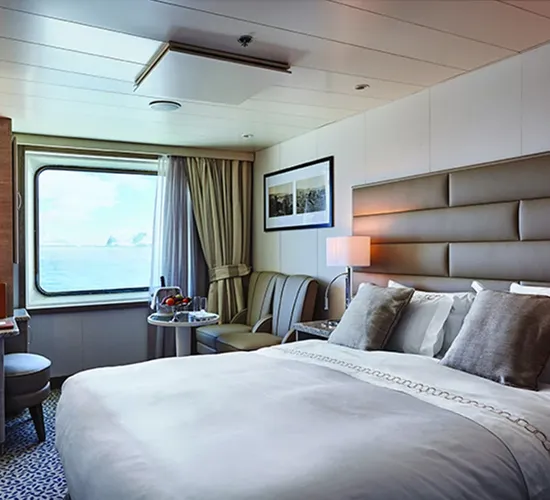
Deck: 3 15m² Twin Beds Standard Window
Available on request
from €11.145,-
€15.915,-
30% Advantage
30% Advantage
Deck: 4 18m² Twin Beds Panoramic Window

Available on request
from €13.220,-
€18.885,-
30% Advantage
30% Advantage
Deck: 7 37m² Twin Beds Private Balcony
Tue. 09.02.2027 - Sat. 20.02.2027
12 days
Available on request
12 days
Available on request
from €12.140,-
12% Advantage
12% Advantage
Available on request
from €12.140,-
€13.490,-
10% Advantage
10% Advantage
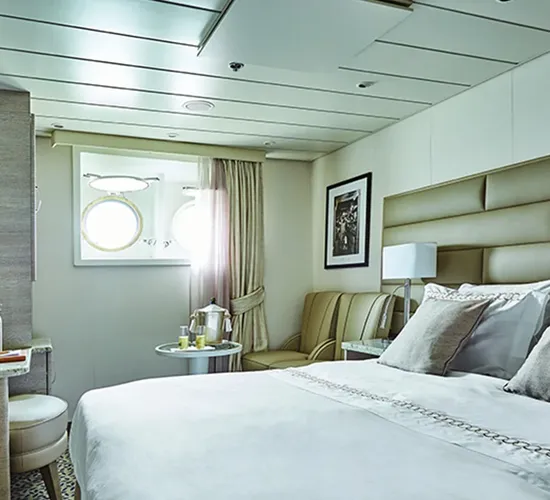
Deck: 3 15m² Twin Beds Double Porthole
Available on request
from €13.920,-
€15.470,-
10% Advantage
10% Advantage
Deck: 3 15m² Twin Beds Standard Window
Available on request
from €14.085,-
€15.650,-
10% Advantage
10% Advantage
Deck: 4 18m² Twin Beds Panoramic Window


Available on request
from €15.300,-
€16.995,-
10% Advantage
10% Advantage
Deck: 5 20m² Twin Beds French Balcony
Sun. 07.11.2027 - Thu. 18.11.2027
12 days
Available on request
12 days
Available on request
from €11.620,-
15% Advantage
15% Advantage
Available on request
from €11.620,-
€13.670,-
15% Advantage
15% Advantage
Deck: 3 & 4 13m² Twin Beds Unobstructed Porthole
Available on request
from €11.690,-
Deck: 3 18m² Triple Occupancy Unobstructed Porthole
Available on request
from €12.840,-
€15.110,-
15% Advantage
15% Advantage
Deck: 4 & 6 18m² Twin Beds Private Balcony
Available on request
from €13.225,-
€15.560,-
15% Advantage
15% Advantage
Deck: 4 & 6 22m² Twin Beds Private Balcony
Available on request
from €13.915,-
€16.365,-
15% Advantage
15% Advantage
Deck: 4 25m² Twin Beds Private Balcony
Available on request
from €15.210,-
€17.895,-
15% Advantage
15% Advantage
Deck: 6 30m² Twin Beds Large Balcony
Available on request
from €15.900,-
€18.705,-
15% Advantage
15% Advantage
Deck: 7 36m² Triple Occupancy Private Balcony
Available on request
from €17.535,-
Deck: 3 14m² Solo Cabin Unobstructed Porthole
Available on request
from €18.500,-
€21.765,-
15% Advantage
15% Advantage
Deck: 4 42m² Triple Occupancy Private Balcony
Available on request
from €22.475,-
€26.440,-
15% Advantage
15% Advantage
Deck: 7 50m² Shared Occupancy Family Panoramic Window
Fri. 26.11.2027 - Tue. 07.12.2027
12 days
Available on request
12 days
Available on request
from €11.465,-
15% Advantage
15% Advantage
Available on request
from €11.465,-
€13.490,-
15% Advantage
15% Advantage
Deck: 3 & 4 13m² Twin Beds Unobstructed Porthole
Available on request
from €11.600,-
Deck: 3 18m² Triple Occupancy Unobstructed Porthole
Available on request
from €12.765,-
€15.020,-
15% Advantage
15% Advantage
Deck: 4 & 6 18m² Twin Beds Private Balcony
Available on request
from €13.150,-
€15.470,-
15% Advantage
15% Advantage
Deck: 4 & 6 22m² Twin Beds Private Balcony
Available on request
from €13.760,-
€16.185,-
15% Advantage
15% Advantage
Deck: 4 25m² Twin Beds Private Balcony
Available on request
from €15.060,-
€17.715,-
15% Advantage
15% Advantage
Deck: 6 30m² Twin Beds Large Balcony
Available on request
from €15.745,-
€18.525,-
15% Advantage
15% Advantage
Deck: 7 36m² Triple Occupancy Private Balcony
Available on request
from €17.355,-
Deck: 3 14m² Solo Cabin Unobstructed Porthole
Available on request
from €18.345,-
€21.585,-
15% Advantage
15% Advantage
Deck: 4 42m² Triple Occupancy Private Balcony
Available on request
from €22.245,-
€26.170,-
15% Advantage
15% Advantage
Deck: 7 50m² Shared Occupancy Family Panoramic Window
Wed. 19.01.2028 - Sun. 30.01.2028
12 days
Available on request
12 days
Available on request
from €12.920,-
15% Advantage
15% Advantage
Available on request
from €12.920,-
€15.200,-
15% Advantage
15% Advantage
Deck: 3 15m² Twin Beds Double Porthole
Available on request
from €14.830,-
€17.445,-
15% Advantage
15% Advantage
Deck: 3 15m² Twin Beds Standard Window
Available on request
from €14.985,-
€17.625,-
15% Advantage
15% Advantage
Deck: 4 18m² Twin Beds Panoramic Window
Available on request
from €16.360,-
€19.245,-
15% Advantage
15% Advantage
Deck: 5 20m² Twin Beds French Balcony
Available on request
from €17.810,-
€20.955,-
15% Advantage
15% Advantage
Deck: 7 37m² Twin Beds Private Balcony
Wed. 09.02.2028 - Sun. 20.02.2028
12 days
Available on request
12 days
Available on request
from €12.920,-
15% Advantage
15% Advantage
Available on request
from €12.920,-
€15.200,-
15% Advantage
15% Advantage
Deck: 3 15m² Twin Beds Double Porthole
Available on request
from €14.830,-
€17.445,-
15% Advantage
15% Advantage
Deck: 3 15m² Twin Beds Standard Window
Available on request
from €14.985,-
€17.625,-
15% Advantage
15% Advantage
Deck: 4 18m² Twin Beds Panoramic Window
Available on request
from €16.360,-
€19.245,-
15% Advantage
15% Advantage
Deck: 5 20m² Twin Beds French Balcony
Available on request
from €17.810,-
€20.955,-
15% Advantage
15% Advantage
Deck: 7 37m² Twin Beds Private Balcony
Sat. 19.02.2028 - Wed. 01.03.2028
12 days
Available on request
12 days
Available on request
from €12.000,-
15% Advantage
15% Advantage
Available on request
from €12.000,-
€14.120,-
15% Advantage
15% Advantage
Deck: 3 15m² Twin Beds Double Porthole
Available on request
from €13.835,-
€16.275,-
15% Advantage
15% Advantage
Deck: 3 15m² Twin Beds Standard Window
Available on request
from €13.915,-
€16.365,-
15% Advantage
15% Advantage
Deck: 4 18m² Twin Beds Panoramic Window
Available on request
from €15.210,-
€17.895,-
15% Advantage
15% Advantage
Deck: 5 20m² Twin Beds French Balcony
Available on request
from €16.590,-
€19.515,-
15% Advantage
15% Advantage
Deck: 7 37m² Twin Beds Private Balcony
Wed. 01.03.2028 - Sun. 12.03.2028
12 days
Available on request
12 days
Available on request
from €11.390,-
15% Advantage
15% Advantage


Available on request
from €11.390,-
€13.400,-
15% Advantage
15% Advantage
Deck: 3 & 4 13m² Twin Beds Single Porthole

Available on request
from €11.420,-
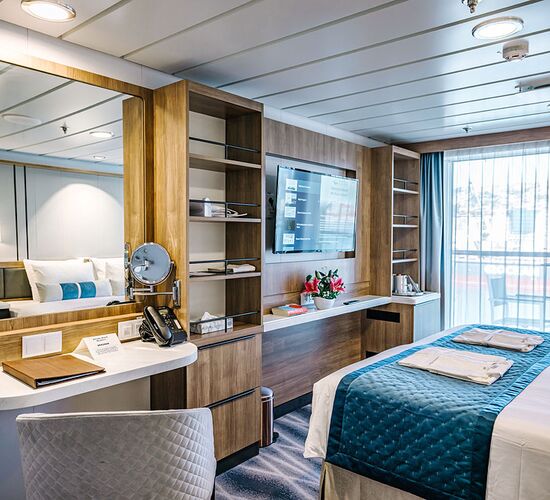
Deck: 3 18m² Triple Occupancy Single Porthole
Available on request
from €12.615,-
€14.840,-
15% Advantage
15% Advantage
Deck: 4 & 6 18m² Twin Beds Private Balcony

Available on request
from €12.995,-
€15.290,-
15% Advantage
15% Advantage
Deck: 4 & 6 22m² Twin Beds Private Balcony

Available on request
from €13.605,-
€16.005,-
15% Advantage
15% Advantage
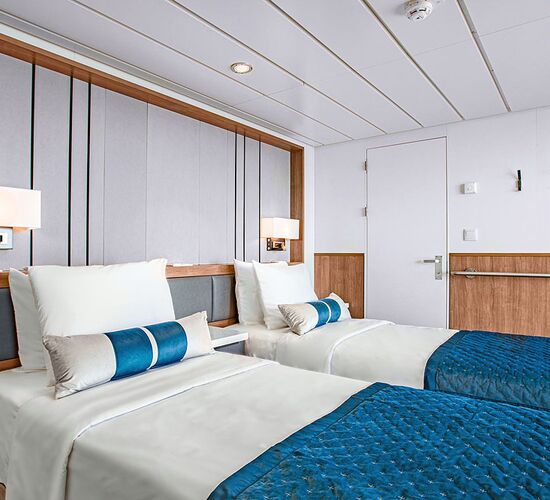
Deck: 4 25m² Twin Beds Private Balcony
Available on request
from €14.905,-
€17.535,-
15% Advantage
15% Advantage
Deck: 6 26m² Twin Beds Large Balcony

Available on request
from €15.595,-
€18.345,-
15% Advantage
15% Advantage
Deck: 7 36m² Twin Beds Large Balcony

Available on request
from €17.175,-
Deck: 3 14m² Solo Cabin Single Porthole

Available on request
from €18.115,-
€21.315,-
15% Advantage
15% Advantage
Deck: 4 42m² Twin Beds Large Balcony
All prices per person in double or multi-bed category. Single room surcharges, children's price advantages etc. on request.
Fixed travel dates, additional days on demand.
Fixed travel dates, additional days on demand.